CONVERSATIONS ON A DYING AGE
The American Book of the Dead
I began Conversations On A Dying Age in the summer of 1977 and completed it in 1984. The story begins with Jacob Heimkreiter, the narrator, "strolling" through the world at a very placid pace. The reader is his companion. Jacob Heimkreiter is philosophical, pessimistic, obsessed with the coming death of his own culture. He is the father of three children; his youngest son, Daniel, it later is revealed, has committed suicide--and his father is haunted by this and by his sense of having failed as a father. In fact, Jacob, it is revealed, bit by bit, is dying of cancer. This stroll is in fact Jacob's walk through his life and into his death. He talks to the audience directly, telling them about his life, his opinions, his fears. Slipping into death. The stroll in time becomes a massive journey into eternity, into the land of souls and historical figures, metaphysical concepts, personal fears, archetypal meanings and foundations, into heaven, into light, into understanding, and then back out again into rebirth. Jacob Heimkreiter becomes an archetype: he is alternately the biblical Jacob, Ahab, Prometheus, Icarus, Jacob Fugger, the Archangel Michael, his own son Daniel..). Indeed, Jacob "becomes" or confronts, at some point in the novel, many of the mythological figures from many different cultures, essentially being, himself, the sun-hero, Odysseus, Horus, Jesus Christ, Buddha, Moses. He is Plato, Aristotle, Mercury, the Angel Metatron. The book, as a unity of thought, conceived during Jacob's ascension into heaven, attempts to reveal a nature which is a synthesis of science and theology, of reason and poetry, causal necessity and mythology. Before the creation of the universe, the one womb, abstract space, contains the finished piece, the unified plan: a sort of jigsaw puzzle before its fractionation. The glimpse, the unity; the Big Bang (differentiation), the rebirth into life: the individual emerges out of darkness. Jacob eventually becomes his son Daniel, who is reborn in his father's image. The influences on this book are almost too numerous to mention: James Joyce's Finnegan's Wake, The Old Testament, Albert Camus' The Fall, Joseph Campbell's The Hero With a Thousand Faces, Herman Melville's Moby Dick, Dante's Divine Comedy. I present two excerpts from this novel here: the first part is the first few pages of the book, where Jacob meets his "companion" (the reader) and they begin their stroll through Jacob's life; there are four parts or chapters or seasons of Jacob's life, at the end of which Jacob is pulled out into the world of the dead; he visits his own funeral; he falls into Hades. The second excerpt presented here is the beginning of Jacob's fall into Hades.
PART ONE.
We stand at the threshold, a man told me several days ago. The threshold of what? I asked, an inquiry which seemed to me as natural as it was inevitable.
We stand at the threshold of a new age, he said. And science and the powers of technology have brought us to this threshold.
There was pride in his voice.
Why do I tell you this story? I don’t know really. The man is an ass, of course: personally, professionally, and philosophically. He is my supervisor at work. I work at a bank. I have my sights on the position of vice-president, although all that is really more for the sake of my wife than for myself. I don’t mind being a senior advisor; but her sister’s husband is a partner in a large law firm on the west coast, and makes more money than I even dream of making....
So what! you say with scorn. I too, with scorn, agree: So what! Unfortunately, my wife doesn’t see things with quite the same perspective. So, and too often now, I find myself in the unenviable position of having to endure as best I can the tripe and delusions of the aforementioned Mr. Henning. Bob Henning. Robert S. Henning. He wears a green felt hat, and he carries a cane. His wife is the daughter of a snow-tire magnate, or something to an equal degree of preposterousness. He went to school in the west somewhere, and then returned home to attend Harvard Business School. His family made its money in the construction trade. Tearing down to make room for something else to tear down. The Circular Theory I believe it’s called. He speaks, every now and then, with misty eyes, about his great and dear departed father, who built from nothing an empire of gilt and steel... Yes, we’ve all heard that story before. There is a picture in his office, on the wall behind his desk, of Father Richard Henning, dressed in suit and tie, hard-hatted, swinging an axe or a pick or something at a ground-breaking ceremony. Many people are standing by: smiling. Everyone is posing for the picture. Aiming their smiles toward the man who holds the camera. All pretending to have a good time.
But why do I tell you this? I confess: there is no justifiable reason. So I desist.
My name is Heimkreiter. Jacob Heimkreiter to be exact. Jacob Oliver Newton Heimkreiter to be complete. I work in a bank—but I’ve told you that already. What more about me might you find interesting? I’ve never killed a man. In this day and age that fact alone should attract some degree of notoriety. I’ve never saved a man from death either. I’ve always wanted to save a man from death. Possibly to die while saving a man from death. Ahh, that all is some romantic notion I entertain—a fruitless exercise in the nobility of sentiment. I’m sure, should the opportunity ever arise for me to save a man’s life some day, I would probably watch him die, not out of any sense of vengeance, surely, nor even cowardice, but simply out of the dictates of a frozen curiosity. I’ve never seen a man die before. But let’s move away from that. I am not a courageous man, nor even a man with much enthusiasm for principle. I lost that years ago. Principle is the food and the badge of the young. But it is only a laugh of scorn—an echoing laugh of derision—to the man who has lost his youth. I lost my youth years ago. It was no great loss really. It was rather a burden, to be totally frank. So many things to be and do in youth—it actually makes the head spin. And it tends to light one’s mind afire with confusion. No: away with it! Age! Give me age: wisdom! Gray to fleck my dignified temples! Security! A respectable profession! A fine wife and three healthy children! What more could a normal man desire? And I do consider myself a normal man. A normal American male, with desires to achieve and attain and all the rest. And a desire to be normal. That is the most American of all American traits. A longing to be...well, average: to fit in at all cost. A desire to be accepted. And I am accepted, at least I think I am, by nearly every society with which I wish to associate. Does it make me happy to be accepted? you ask. It is no great honor. It only proves the blandness of one’s character. And the paucity and harmlessness of everything one says.
You laugh. Do you think it foolishness for me to admit to you that I am bland? On the contrary. It would be foolish for me to deny such a thing, being, as it were, in a manner of speaking that is, written upon my face. Don’t I appear to be rather bland to you? Rather...average? Tell me truthfully now. Oh, you’re trying to be kind. And I do appreciate it. You are very kind. And you’re very kind as well to listen to my rantings. I hope that I’m not boring you. Am I boring you? Well, I hope that you will continue to find me less than dry and monotonous.
But let’s see. More about myself. It is always very difficult to talk about oneself. I make a fairly good salary, although that probably interests you even less than it interests me.
Am I happy? you ask. Well, that is a straightforward question. I congratulate you on your seriousness and honesty. We should all be serious in our relationships with people—and straightforward. At least, in theory. I try to always be serious and straightforward in theory, in all of my relationships with people. So—I see I raised a chuckle with that. You appreciate an occasional witticism, do you? An occasional play on words. I’m glad. You know, most people don’t seem to appreciate humor today. Most people don’t seem to have time for it. It’s only something which gets in their way occasionally. Some object over which they must step to find the high ground. Of course, I’m speaking of important people now. People on the move. People going places. They wear their humor across their faces like a nervousness. Their laughter is too loud, poorly honed, notched with disinterest. They laugh at the wrong moment. And everything they say is lined with a sting and irony. They look at their watch, inevitably, as they speak—thinking in the distance. Thinking about laughter perhaps. Thinking about Time. Thinking about lost time, and thinking about the future as though it were something to charmed, something to be captured. Something to wear either a collar or a proper name. Something to form a legacy: a memento to their smilelessness: the glimmerings of an eternity....
But I’m getting away from your questions, aren’t I? Which was: am I happy? Of course happiness is a difficult thing to assess. A difficult thing to determine. Do you know what my father used to tell me about happiness? He used to say: If you ever have to stop and ask yourself Am I happy? -- then more than likely you’re happy enough.
My father did have a sense of humor, though it was brutal at times, and usually bitter. He wanted me to be a banker. He named me Jacob after Jacob Fugger, the great German banker of the great banking family. We used to play a game around the table in our dining-room, with cards and dice and play-money and property. Yes, it was Monopoly. My father was always the banker: he controlled the money. And, by controlling the money, he controlled the game.
He was actually, in his other life, in his life away from the dining-room table, a carpenter and, later, an electrician at the mill. But in his home, around the dining-room table, he was a banker. It was something he always wanted to be. And we were his little Fuggers, seated all around him. Did you like that? Yes, the big Fugger and the little Fuggers. And each of us was given a name to roughly correspond to our value and age. But enough of that—it’s going no where.
Happiness—yes, happiness. Do you think I’m skirting the issue? An interesting choice of words, I admit. But let me put it this way: I remember being happy once, long ago, when I was madly in love with a beautiful young woman.
My wife? No, certainly not! Does one ever marry the mate one truly loves and wishes to marry? But I don’t wish to get ahead of myself. Do you have much time? Oh, very good. If it begins to rain perhaps we can duck in for coffee somewhere. Yes, aren’t the trees lovely when they turn like this? It’s my favorite time of year. My wife says it’s because it makes me think of death. She thinks I’m morbid. And that I think too much. What can I say to that? That I think she deludes herself? And that she thinks too little? But that would be cruel. And it would not be fair really. Everyone must do what they can to get along. That’s a basic law of survival. And she’s no happier than I really, even though she pretends to be. It’s not easy to grapple with the tragedy of a passing life. It takes a very great actress to find the fortitude to carry on today. Today, when the scripts are all so bleak and savage. Or, not savage enough. But I mustn't go on with this.
Would you like a cigarette? No? Well done, sir. A very good response. I must admit to you my powerful enjoyment of great sin Tobacco. Though I guess it is a dangerous thing to do—my smoking. It probably is the most dangerous thing I do in life. It’s my little touch with the primal urges, I suppose. You laugh. Don’t you take me seriously? Let me ask you this: Do you believe that some danger is healthy for a man or a nation? Healthy for sanity, I mean? You find me amusing. That pleases me. But the question I ask is both serious in tone and curious in respect to seeking a response.
Do you find my verbiage prolix? I know. It is a bad habit. It comes from the company I keep, I fear. It’s really the worst sort of company. Long names and long faces. Good breeding, they call it. The pomposity of stately blood. But I shall try to overcome this handicap, this weakness of form. You must bear with me, my friend, until I find a way to curb this frightful excess.
But back to my question. And what exactly do I mean by the question I’ve just posed? Let me put it another way. If man’s physical security were less certain somehow, if his physical survival were somehow less than guaranteed, and required more time and more effort to ensure, wouldn’t that leave man with less time on his hands to ponder the inexplicables: the wherefores of life? And wouldn’t that, in itself, be beneficial to his sanity?
Perhaps, you say. And perhaps you are right. Whatever—it seems to come down to the question of Time again, doesn’t it? That banded curse of civilization! For isn’t it the nature of Time which drives man to despair? The seepage of Time? The desperate need to block that seepage? To conquer the maddening passage of amorphous, constantly eroding hours and minutes, days and even years? Time is to the mind what blood is to the body—that is my belief.
I can tell by the way you shake your head: you don’t totally agree with me. Perhaps I am wrong. And it really doesn’t matter so much. Or, as my wife says, when disgusted by my philosophical gloom: It all comes out in the wash, dear Jacob. And she’s right, of course: Truth, buried beneath the plebeian metaphor. It all does come out in the wash, no matter what you would think or try to believe.
You smile again. Don’t you believe me? You know, the better you come to know me, the more time you spend with me, the more easily you will recognize a rather annoying trait I possess: I have theories on everything. My whole life has been spent constructing theories and ideas. I am to theories what Father Richard Henning is to the material world. I stand above Life, and bludgeon it with the weight of my pick-axe. Then, as the pieces fly, I construct, from those pieces, however abstrusely, a part relating to that broken whole. It’s all very exciting really, in its own quiet way. Though most people could never appreciate it. It’s too passive an activity for most people to enjoy. Most people want meat in their activity. Blood. Violence. Something to awaken racial memories of childhood: impressions of primal strife and significance. To feed off the action and off someone else’s pain. To gain a spiritual sort of strength from the withering, broken corpse. A kill.
Oh, you think me too cynical as well. Perhaps I am. Do you read Hemingway, by the way? I thought you might. Well, Hemingway is an interesting example. An example of what? you might well ask. Of many things, I admit: though I shall try to remain focused on my theorem at the moment. Tell me this: Why is it, do you believe, that Hemingway is so admired by the American reading public? Is there really such a beast as the American Reading Public? you ask. Yes, that is another matter. Let me re-phrase the question then. Of all the supposedly great American writers—Faulkner, Melville, Hawthorne, Fitzgerald, Whitman, even Twain—which writer is most admired, even, I guess I should say especially, by those readers who have not even bothered to read him? You would agree then: it must be Hemingway. And why? Because Hemingway sought to be the American Hero. He drank, he loved, he fought; he failed, but, in failing, died a public, gruesome, violent death—his very life being that death—and, in dying that death, he became immortal. Hemingway is admired certainly not for his writing, although there is much in his writing which is admirable. He was not loved, alone, because he was a writer—although his being a successful writer did carry with it, as a badge or an aura, some measure of mystique—he was loved because he was a Hunter! Yes. Hemingway was Jupiter, with his magic thunderbolt and shield! He was a god, in fact, for not only could he destroy, in the guise of Hunter, but he could also create, this time in the guise of the ever-laboring novelist. But it is the Hunter in him which we admire—the Destroyer! And it is the Destroyer in him which made him an American Hero. The Hero in him which made him an American god.
The role of the Hero-God, who seeks to destroy and create and destroy anew, in an endless series of successions. It is much the same of Father Henning, I suppose. Much the same as myself, in an obscure sense, to a lesser degree. Man in a struggle of heroic proportions. And it’s the circular theory again, of course: destroy, create, destroy anew. Serving the course of progress and perennial development.
No, I won’t continue. It is becoming rather repetitive, isn’t it? Rather redundant. Let me just add one thing more. One can learn much about a society simply by studying the heroes which it chooses to serve, the heroes by which it seeks to define its own self.
Enough said. It’s probably more than enough said. I’m not even certain how we came to speak of Hemingway. Oh, yes: we were speaking of violence. But let’s move away from that—to something a bit more civilized. You laugh at that, at the irony. And that impresses me. I’m always impressed by a good listener: a creative listener. For the art of conversation consists, when well applied, of two blended components. The creative listener (and the same is true of the reader of literature) is every bit as important as the creative speaker. He recognizes nuance, irony, inference, structure of thought. And he encourages the speaker, with his attentiveness, to continue. You are encouraging me to continue, I trust—with your attentiveness? I hope you don’t find me tedious or disturbing. I certainly mean to be neither.
But let us move to something altogether different. What would you like to hear about me? About my wife? Let’s wait a while for that. Would you like to hear about my grandfather? Would that be an acceptable topic to approach? Very well. My grandfather then. My grandfather was named Otto Heimkreiter, after, if I remember the story correctly, Otto Spengler, a neighbor and friend of my great-grandfather in Leipzig, and god-father to little Otto.
But all this background data seems rather pointless. My grandfather came to America as a small boy, an immigrant with his family, after the great revolution of 1848 failed. There was even talk that they sailed with the great Carl Schurz—although there’s no reason to believe that really was the case. I don’t wish to re-examine my entire family history, so I will cut this short. You must find it rather trite, and uninteresting in the main. No? Well, let me congratulate you on your stamina. And on your seemingly boundless curiosity. What I did wish to tell you about my grandfather is that he was, and remained until his death, in every sense of the word, a true American Patriot. He fought with the Union in the War Between the States. He supported, with his vocal chords, if not actually with his blood, the war against the Spanish in 1898.
He was a believer in the American promise of Justice and Freedom—and he remained so until his death in 1901.
But where, exactly, was I taking that? I am not sure. I seem to have lost the context and the direction of my ranting somehow. Oh, never mind. It shall return. All things return, afterall -- don't they? At least, I have been assured they do.
Should we sit for a moment or two? Would that be agreeable to you? I feel a weakness creeping into my limbs. I suppose there is something else I should tell you. Something which I haven't even mentioned yet. I seem to have a weakness in my lungs: something congenital, I believe. My doctor has warned me, in the most strenuous of terms, that I should cease immediately this nasty habit of smoking tobacco. He is very serious about it. But it is something I just cannot do. It's a sacrifice too grand to even contemplate with seriousness.
Can you understand that?
Of course my wife says I smoke because I secretly long to die.
Can you imagine that!
Of course, I reply to my wife that she secretly longs to die also -- that she, like the rest of us, longs for sweet annihilation; she aches with a kind of religious ache for that shroud of complete oblivion. But instead of tobacco, she uses sex to accomplish this.
She denies it, sometimes heatedly, saying I only ascribe to others this morbidity which I feel myself, which I express with such conviction, this dark nature which has come to possess me...
Yet I do not consider myself morbid. Do I seem morbid to you?
It is true: death does intrigue me. But it is not the rotting of the physical frame in which I find so much of interest. The material world now compels me very little. It is like the shell of the egg: once it is broken, the shell has little consequence.
Has my shell begun to break? Oh, that is a magic question. Let us just say that there are one or two fissures that have made their appearance.
But it is not the broken shell in which I take delight -- but it is the treasure within. The mind, with all its subtle complexities. The soul, with all its deadly occasions. The spirit, with all its knowing persuasions. Both before and after death. That is the great mystery.
Life is but a gathering of speed and knowledge: a frantic preparation for that singular goal of life. Which goal is Death, itself, of course. And should we not, as we grow closer to the grand occurrence, begin to concern ourselves with this next adventure...?
You seek to slow me down a bit. Let me ask you this: Do you believe that man longs for death? Do you believe that, buried somewhere within us, a kind of pirate's treasure if you will, is an impulse toward death? A longing to escape this empty mess that we've mistitled Life?
You're not sure. Who can be sure?
You do agree -- although with reservations. I see. I suppose it is wise to hedge our bets -- to always try to keep our trump-card turned face down.
No, of course I don't mock you. I understand your reserve. And I compliment it. Afterall, some of the evidence does remain out.
However, let us speculate a bit. I know it is a daring bit of behavior, speculation, and sometimes quite dangerous; and not always very productive; but sometimes it is rather intriguing, even pleasurable, if pursued with a modicum of care. And it is only speculation. There is no one here today who shall confront you tomorrow with the views you held today -- I am not some McCarthy afterall. No, there is no one here today -- it is only I, afterall. And I am what? A kind of specter? A kind of cipher -- a man changing from one to zero.
No, your opinions are all very safe with me. We speak to each other as brother to brother. As father to son. And all shall be held within the strictest of confidential terms. All shall be held, as my wife was once fond of saying, within our hearts, the keys to our secrets being our trust....
So now you know that I am mocking you. But all in a mood of good humor, I assure you. All in the mood of friendly jester to ingenuous squire...
But we mustn't stray for long (in our jocularity) from the serious question which I have posed. You do agree to this speculation, I trust? Very well. We must proceed at once then. But, first, I suppose we should organize this question in the form of a proper proposition. And we also must decide upon the scope of this investigation. Should we confine this speculation to Americans alone, being, as we are, so much more familiar with our countrymen? Or, since the application of our findings affects all of mortal lineage (through no fault of their own), should we seek to arrive at a general statement -- and include the rest of the human race as well?
You wish to confine this discussion to Americans alone? Very well. And not without some reason, I agree -- for there are many factors to consider. As for the proposition, shall we put it this way: If Americans were allowed to vote, say, every four years, as they are to elect the men who at least nominally represent them in government...were they allowed whether or not they wished to be alive....
You are laughing! It is rather absurd, isn't it? But let me finish the proposition anyway: do you think a majority, or even a plurality, would assent to this existence...?
Of course, you say (between bits of mystified laughter). Americans are optimistic by nature. And the desire for life is strong...!
And that is true -- in an healthy organism. In an healthy organism, the desire for life is strong. Which brings me, I suppose, to that next inevitable question: Is America an healthy organism...?
The question seems to leave you somewhat puzzled, somewhat quizzical. You wonder if perhaps I am projecting my own dilemma on my nation. Well, that is an interesting point. But we needn't answer either question at this point. At this point it is enough that we have dared to ask these questions.
And we mustn't let this avenue of thought stall our progress in any way. For we are progressing admirably -- don't you agree? But, yes -- we should move to something else. We should move to something less absurd, to something much more vital with respect to human life here on earth.
Why don't you choose the subject now? Afterall, I am in that tiresome habit of tending to dominate the conversations I begin. You know how trying that can be for listeners. So, what would you like to talk about? Oh, yes -- anything is acceptable. Anything which interests you. So, what will it be? You're not sure? How about the modern world, then...?
My, haven't you chosen the broadest of possible topics for us. Oh, yes, I do agree. The Modern World is an interesting topic of concern. It is an age of machinery. It is an age of machinery conquering weak and tempting human flesh. Do you agree at all with that?
It is an age of speed and steel -- and the frantic conquering of fragments of Time. We do try so hard to conquer Time, to hold it in its place, to remain somehow beyond it. If life were once a long-distance run, it has now become the quickest of sprints, run solely against the stop-watch. Other human beings doing not even concern us now. We run against Time. Other human beings do share the track with us. But they are only colored jerseys, flashing in the periphery....
You find it odd that I should draw an analogy between life and sport. You are a fan of sports, aren't you? Yes, I was sure you were. It's your competitive edge, I seek it quite clearly when I look at you. Seeking to find an outlet. It's your primal urge, rising again to the surface, never really gone, never really far away, seeking out strife and aggressiveness, as a way of reminding the buried warrior that a struggle for life is never really far away, not matter how civilized we believe we have come. Goths and Visigoths all come calling, down beyond the border, above and beyond, circling our own great Rome like some disease of nature, always calling, like a cancer in the lungs or in the esophagus.
We watch it now, the sport, the fight for life, the conquest of Death -- once we a part of it. We thirst. We drink our alcohol to sate our thirst. Our hunger is mere instruction to our craving. We sit and grow fat and content ourselves with the way things were -- though deep within us the craving remains.
Yes, we are a nation of aging spectators, screaming our vengeance, screaming our terror, from an overflowing grandstand. Our heroes line the playing field. They dare to maim for us in the spirit of....of competition, in the spirit of wholesome activity and fun. They are our gladiators on Sunday. I speak, of course, of football. It is the true American sport. If baseball is the nation's pastime, then football is its holy passion.
Yes, I did say holy. I usually try to choose my words with care. And why did I say holy? Well, let me put it this way: it is no mere coincidence, no mere happenstance, that football games, traditionally, are played on Sundays. Professional football, I mean. The highest level of the sport. And you are smiling. I believe you are anticipating me.
Ahh, yes: sport as religion. You see it as well as I then. And the players then as what: as a pantheon of Greek-like Roman-like muscle-bound gods for us to watch, for us to admire, for us to eulogize? For us, today, who have no gods...?
No God, the singular. No God, the absolute. No God, the irreconcilable.
Does that make any sense to you...?
What's the matter? Don't I believe in God? you ask. And you ask it with such a starkness. Of course I believe in God. In a fashion, that is.
Oh, I go to church with my family every Sunday -- at least I once did, when I still had a family. And I'm not an atheist. And I try to avoid religious discussions, especially with my closest of friends. My closest of associates I should say -- for I am not sure that I really have any friends at this point in my life. I have created a lot of debts in my many years on this planet. Those who once were my friends have mostly either grown weary of me or have died and left me here alone.
You see, I speak very bluntly with you, very truthfully -- and that is because I hardly know you. You are a stranger to me really. Oh, you seem familiar, in a way, like a friend I once knew when I was younger, more innocent, more true perhaps. You reminded me of myself, when I was younger -- that is the thought I had when I first saw you, coming up the street, your wide smile, your energetic walk. But, as you came closer, I then understood that I was mistaken. I really didn't remember you, phantoms being what they are.
I am honest with you because I really don't have to worry about offending you, or alienating you, with the hairy breath of my opinions. If I do alienate you, that is fine. If we were never to see one another again, that too would be fine.
I can see you shaking your head in total agreement. We understand one another totally. We are strangers. And that is why we can be so totally open, so totally honest, with one another.
Yes, it is refreshing, isn't it. It's nice to really speak one's mind on occasion. To purge oneself of all the ire and the withheld malice. Without the fear of puncturing the pride or the tenderness of a loved one....
But, back to your question -- an important question, I agree. Do I believe in God...?
Which God? I might retort -- and leave you searching my serious countenance for a trace of contempt or jolly irony. But you shall find none, at least not concerning a topic such as this.
You see, there are more than one God today. More than one, and none, at the same time. You wish me to explain. Very well. Of course, God, the first-person, the Supreme Being, the Patriarch and the Savior and the Angry Judge of the human carnival -- no, He no longer exists. He was extinguished years ago. Extinguished when forbidden-knowledge became a seductive god of its own; and circumscribed His throne by charting it in squared cubits. Science dethroned that one and only God. And turned life from painful statement into the tentative, valueless passing of time. Right became histrionics only. The will of the strongest club. Which is exactly what it is, of course. And wrong? Wrong became the weak club seeing strength, I suppose. The law-breaker seeking his chance to make the law. The Rebel. The Revolutionary. There have been many of these in our day. The anti-hero.
We should perhaps than Einstein for all of this. This relativity theory of his, which says that each action is relative to another action, each value is relative to another value. Although Einstein did believe in God. And there was an absolute in all of his relativity. The speed of light was an absolute afterall...
We all wanted one answer to it all -- Einstein even wanted this -- believing, for some reason, that there truly was but one answer. It was the foolishness of youth perhaps. Expecting so simple a solution. Afterall, one must become like a child to pass into the kingdom of heaven. First childhood and last childhood, into which I am coursing at a pretty terrific speed if I do say so myself.
What meaning has Life? GOD!
Oh, it was all so simple a solution.
Apparently that was much too easy. It was certainly not enough. It was enough for the fire-eating, sun-breathing nomad who wished only for simplicity in his picture. Who hadn't the Time, and therefore the need, of any explanation more complex, more attenuated. What he sought was reassurance. And, as long as the priest or chief or magician could provide him assurance, then he would provide the holy-man with mutton from his flock. The priest could rule, if rule he would, with the pretense of piousness and with a kind of faith in the future.
The promise of life-beyond-life, life without these black seasonal borders, life without end, ever-was and ever-shall be. World without end. Amen.
It made his life much simpler then. There was a rule to be followed. There was a justification for the pain of life. And there was the promise of reward for those who bore their suffering with grace and with dignity....
But then the philosopher appeared.
Cities grew around wheat. Rivers floated wheat to wheat, stone to stone. And civilization began to rear its precious head. Civilization began to rear its constructive-destructive head....
Youth, in a constant flurry, with all its inherent benevolent beliefs. Growing. Maturing. Until luxury and wealth became the Rosetta Stone of denial. And golden civilization began to rears its doubting head. Golden civilization began to fear the cracks within its fiber, within its wheat, within its stone. Ever-was and ever-shall-be....
Sons of lords and kings and shahs sat splendidly in the Eternal Palace; and pondered life in all its confusing amusing miseries. If youth had been but slicing wheat or carving stone or gathering hay, then its hands would not have had the time to form and fit the tightening noose. But Youth had grown old then. Youth had lost its touch with life; it had become doubting, angry, denying existence.
The wealth which conceives and nourishes a civilization, in the end, attacks the very health of its glorious creation. Until a moral and physical lethargy are all that dare remain.
Of course, wealth is a god too, one of the smaller gods, that is, one of the largest gods still with a small "G". We all know about this, coming from America as we do.
And, as I suggested when we first met, Science has become the newest god. Science has become the god of our friend, Mr. Robert Henning. He trusts, with all his soul, the authority and goodness of this latest divinity. But is this new god any more potent than the last? Any more true, more final? And will it answer finally the recent questions we have posed? Will the meaning and value of life on earth be posited by some technocrat in white -- possibly in the form of a computer print-out...?
I seriously doubt the probability of this. Dare we deceive ourselves to such a ridiculous degree! Science seeks to render man fleshless. To turn the human fool into man the machine-incarnate! Oh, how we strive for efficiency here! What will conserve the most amount of Time? What will entail the least amount of effort? What will allow for the least degree of mishap or failure? Why, the machine, of course!
God is a machine today. We worship Him as a machine -- as we worship all of our machines. We collect God today. We place Him in our living rooms and kitchens, even in our garage. He makes our life easier. Though He doesn't demand very much of us today. The Old God made life easier too -- though He demanded quite a bit more. And He returned, at least that was the theory, a spiritual significance, a moral border inside of which life took on order and meaning....
But what does God the Machine return to us today? Time. Only time. More time to contemplate the depth and the expanse of all that we lack, of all that we are missing today. Labor-saving, yes. Time-saving, yes. But soul-saving? This I am not willing to admit just yet.
Spiritually, we are a race of paupers. Of course, I include myself in this judgment. There is nothing of beauty in America today -- only things of value. The accumulation of things, petty machines, is our form of prayer today. We are fearful, we are discouraged, we feel betrayed: we go shopping. Devotion to these petty machines is our avenue to spiritual sanctity today. Is it any wonder we founder as a nation...?
Please don't misunderstand me. I am not a reactionary, calling for the swift return to a corrupt religious hegemony of many years gone by. No, I am thankful we have escaped that form of tyranny. We have not escaped all tyranny however. It only rule today in a less dramatic fashion....
Perhaps I should say no more about this. I fear I may sound like some disjointed cleric, preaching the endless blessings of a dark-age morality. And that is not the case. I am, every inch and corpuscle of me, whether I wish it or not, a Modern Man. A man of this gray and burgeoning world called Now. A man who feels his age -- and see that others are feeling their age as well....
Burgeoning? Yes, perhaps that is an incorrect term. But all that sprouts must soon begin to pout and wither with the sun into trampled seeds and shrunken vines....
Do you believe that this is true? That the death is in the seed? That Oswald Spengler was right -- that families and nations and globes are bordered by nature's laws of birth, life, death and discovery...?
Oh, I read it somewhere. Or perhaps I made it up. I'm not sure really. And I'm not sure it matters much. It is not important.
Let me ask you this: Do you feel yourself an integral part in this burgeoning, pouting withering world called Now? You laugh again. You're not sure, you say. Who is sure? How could anyone be sure? Dear, how could anyone feel himself an integral part of the madness and the motion of this constant heat and continual commotion...?
It is becoming clear to you that I don't feel myself an integral part of this. Yes, well, I will have to admit that your are reading me clearly now.
We are an age out of time with time.
We are a longing age. An age revolted by the social technicalities -- and the cheapness that seems to clutter the human environment. Yes, they were the worst of times, they were the best of times. Like all times perhaps.
Do you agree that there is a longing in us to escape it all -- to escape this thing called Now? But where do we go to escape all this congestion? We can't go to the beach house. We no longer own the house in the Hamptons. We wish to escape into a simpler time, a more humane age: the Past. The glorious past, so perfect in contour, so pristine in emoluments. It cannot be done, however. We cannot escape into a memory. For what is the past but a silk-clothed memory of soft-warmth and abandonment. The death of responsibility....
What word should we use to describe this age? Oh, I don't know. Do you think the word alienation has not been defused of all value owing to its frequency and popularity of use? Alienation is a good word. It has been over-used perhaps, but not for lack of justification.
Man, who flees loneliness with nearly the same dedication and desperate frenzy with which he flees all attachment. Solipsism as a sort of national endowment. I as a sort of moon-god beaming down on curious woe. Seeking not to touch or to be touched. But to observe touching carefully. To write a treatise on its manners. And to wonder at the apparent nature of its softness and its soothing.
We are an age out of touch with touch. Out of taste with taste.
But you wish to stop me. Yes, we did begin by speaking about God. Did I move away from the topic? And I hadn't even noticed. I suppose it must be my age. What is my age? Oh, I never give away my age. Clues? I never give clues either. But I will tell you this: I served my country in the Second World War; and I took part in the landings at Northern Africa, Anzio and southern France.
What? Did I say I'd never seen a man die? But that was in the war -- that was different. Well, of course I saw men die -- in the war. I saw friends of mine die. They died as men often die, soldiers of fortune, men out making war. Of course, there was nothing I could do for them....
So, this gives you a much-altered view of me, does it? It shouldn't really. I did nothing gallant or heroic in the war. I was drafter and I served, with neither much notice nor enthusiasm.
Why did I tell you that I had not seen a man die? I don't know. I suppose I didn't think of it. You make too much of it. It was war. There was nothing that could be done for them. It was the wheel of destiny. And it rolled over everything in its path.
Did I ever try to save a man's life?
Not that I recall. Oh, in theory I did. I was a medic in the army, though assigned to headquarters, far removed from the actual fighting.
But this isn't really very interesting, is it?
Was I ever frightened during the war? Yes, many times. Was I always frightened? No -- not always. War is really rather a boring, lonely affair to be truthful.... Perhaps I should have said business rather than affair -- for there is more of this in it than there is of that. Although, there is a fragment, perhaps a fragrance, of the latter involved in the spirit of wholesale destruction.
Was I afraid of death? I was for a time certainly. That final waltz into oblivion was not the experience I most desired at that time of flowering manhood and strength. But fear soon gave way to a sort of grim resignation. And there is a kind of death in that too -- in grim resignation. In the hardening of the spirit. The loss of faith in the higher things. One either learned to accept his fate, as dismal and grimy as it might be, or he sacrificed his sanity to the pointless abuse and madness that was war. Many men did sacrifice their sanity. Became walking scarecrows dedicated to lunacy. And many of us learned to accept death, soon wearing it like a stink that seemed to cling to the linings of our shadows. It made us old. Youth seeped from the limbs and heart like life itself. This left us fearless for a time, Death itself, stronger than Death because we had become Death, without even realizing it.
The world came to rest within the jaws of our own gray landscape. The moon was laced with a slivery slavery: all-conquering. beaming down on curious woe. Earth and God and the Moon and the mind all wore a kindred garment of shame. But life continued to trudge along, as it always does, two feet at a time, calculated for song, for a dirge, a ballad, later perhaps for a laugh and a dance. Life continued to trudge alone, although a bit more slowly with mud and blood caked to its boot-soles....
There was nothing anyone could do.
It was part of a plan.
History was calmly laying the course of its own involvement.
Everything seemed to move through a momentum of its own. Ineluctably. Like the movement of Time itself. God's handlebar. Being turned by midgets in glass slippers. Cocky and weeping by turns. Hard and astonished by the calories of hardness. God and devil, saint and sinner, all standing inside the same skin, killing the good and the bad at once, harvesting souls for heaven as surely as a farmer slice wheat to wheat, stone to stone, calculating profit, as Nature herself calculates the winter burden.
I see by your enthusiasm that you want to continue this discussion. Was I very brave, very patriotic? you ask. Not really. Oh, I see: you remember about my grandfather Otto. No -- Otto was the patriot of the family. No, I knew the war was being fought for heavy industry, for world markets, and for the price of tea.
I felt no great duty to serve, or satisfaction in serving, or pride or even much gratitude in eventually living to speak of it.
I can see you are somewhat disappointed by my response. You would rather I speak of wild heroics, of valiant grace. You would rather I claim to be a Sergeant York amid the flames. I was no Sergeant York. One Sergeant York was enough I suppose....
But I will tell you something, a bit of a story, if you will. I can see that you would like to have one; so I will try my best to comply.
It was after one of the landings in the Mediterranean. I can't even remember which one. Perhaps it was Sicily. Perhaps it was southern France. It was all so long ago. Anyway, after the beach-head was secured, after we had penetrated several miles into the mainland....I know I am not telling this very well. I am not a storyteller, afterall. I am a man of ideas. I never was very good at the raconteur's art. Anyway, a group of German soldiers who had apparently been waiting for the landing marched up to us to surrender, coming out of the woods, waving a white flag. There were only a few men, about a dozen or so, of all complexions and sizes; but one man, a short man, with very short blond hair, almost shaved, and with a web-like scar on the back of his right hand....I remember that man even today, vividly; I remember the small white scar as well. He was crying, uncontrollably, overwhelmed by nerves and fatigue. He was holding up his right hand to shield his eyes from view. He was ashamed that he was crying. Still, he could not control his emotions. Finally, as he sat amid the smoking rubble, a friend put his arm about the shaken man. It was a picture of gentle brotherhood and kindness -- amid the flames of hell. It made me realize, at that moment, for the first time, that even devils must have souls; and it was a reassuring thought, believe me, for I thought of myself many times that year, as we drove up toward the Rhine, I thought of myself also as a devil, a devil with a soul most likely.
Even Satan, in all his hideous aspects, must warm with actual compassion when all vanity and sham lies naked in the smoke, brutally exposed, Death lingering much too long, turning all souls into tattered children, no food to eat, no blanket, no shoes, a madman's nightmare, a bad blemish of color blown up in one of Van Gogh's dusky balloons....
And the stricken man kept mumbling: It is all madness! It is all madness...!
And the corporal, his compatriot, replied: It is all madness for them now, Karl. For you and I the madness is over...!
I was genuinely touched by the declaration, by the drama of such a romantic declaration. Of course, it was a delusion to believe that the madness was over simply because Karl and Klaus chose to walk in chains, rather than be burned alive, sacrificed to the god of lebensraum. Madness was just, shall we say, removed a pace or two. Hidden from view. For the time being.
Klaus and Karl felt themselves no longer a part of it, not longer responsible for the mayhem. They were in chains; they were now the victims of the madness, not longer the perpetrators of it. And this made them feel free somehow.
The world continued to march at its own pace, however -- with or without Karl and Klaus. Madness also marched at its own pace. Madness did not simply disappear because Klaus and Karl now refused to recognize it.
Now I am speaking from the historical perspective, of course -- the general as opposed to the individual. Yes, that phrase does have more than one meaning, especially given the military context. And many philosophical implications as well. The general opposed to the individual. Eternal Time as opposed to individual time. Nature as opposed to man. East as opposed to west....
Yes, I could go on -- but you get the picture.
Clearly, even as individuals choosing to act in accordance with their wills, perhaps even in accordance with their mores, Klaus and Karl could not escape the madness of the times. Progress marched at its own enlivened pace. And it carried them along, like bits of driftwood in a muddy stream, in a deepening pool, driftwood bobbing and bobbing in its own concentric wake....
What Karl should have said in response was: But, Klaus! If it is madness for them, then it is surely madness for you and I as well...!
He did not of course.
He smoked a cigarette; then he continued to sob. And he sobbed and shook until they came to take him away, a captive, a broken spirit....
Which brings us, I suppose, to the essential theme of this...would it be acceptable to call this little rendering a vignette? No? And not a fable either. This...simple narrative, then. No, of course madness is not the essential them. What is the essential theme then? you ask. Why, captivity, of course. And not just captivity, but voluntary captivity, desired captivity. The flight from freedom....and the subsequent death of the Golden Age....
Wo! Yes, that is quite a leap. From captivity, slavery to the death of the Golden Age. Are these two things connected? Is there an implicit causal connection here...?
I don't know. Ideas move at their own pace, like progress does, like Time itself, like light moves, like photons move through dense matter. Ideas are actually living things, living beings -- I think Plato said that, or at least implied that. Certainly Pythagoras once thought it too. Packets of light imbued with intelligence. Which actually inhabit bodies -- that was the ancient notion of transmigration of souls, I believe. Ideas being linked, not in ones mind, but in actuality, linked in some pattern and imbuing one with...insight.
Yes, we are etheric now, becoming a bit thin, like a butterfly's wing. I am sorry. Occasionally, more so now than ever before, I occasionally drift away on the wing of a thought, anti-grave, girding for dreams. Anti-something. Everything is anti-something. Positive is anti-negative. American is anti-German -- or , I guess, anti-Russian now. One is anti-zero, I suppose. We should consult Pythagoras on that one. Making me wonder if there is a place where their is no anti-, where the one and the zero exist together, pre-genetic if you will, a place and a time without polarity, a kind of spatial womb where opposites intertwine, legs wound together like lovers spent, the polarity over, sleep coming on. Yes, sleep coming on. In sleep then? That is where polarity vanishes...?
But back to what matters, the real world, I mean. The world of Robert Henning -- and all his partners in crime.
We were speaking of freedom and slavery and gold, yes?
If we were to put it in the form of a question or two, this thought might read: Will man, when madness seems to cloak his age in the clasp of a hellish encompassment -- will man, to escape the debilitating trauma, and the countless dangers of utter chaos -- will he accept, even demand, the relative security and the discipline of chains...? Will mankind opt for slavery over the relative instability of freedom when it turns to license...?
And it the concept of freedom even viable any longer...?
Yes, these are big pieces of meat -- and very important questions, for the future, I mean.
And I only seem to be looking back in time. Have you never heard the saying: It is a kind of counter-march, by which we get into the rear of time, and mark the movements and the meaning of things as we make our slow return...?
No, that is not a double entendre. I am not raising the issue of inversion now....although, clearly, when I begin to speak about freedom becoming license, the phrase getting into the rear of time does take on a whole different meaning, one that we may explore somewhat, on the plane of ideas, if our companionship is allowed to grow and if our discussion turns to the effects and the causes of a declining personal civilization....
Do I have children? What? Oh, yes. I do have children -- at least I did have children. But it is too early to begin discussing them. Everything in good time, my friend.
There are certain circumstances, which, at the time of their happening, are a kind of riddle; and, as every riddle is to be followed by its answer, so those kinds of circumstances will be followed by their events; and those events are always the true solution.
Have you never heard that expression?
Well, I'm surprised. No, it is just an old saying. Did I make it up? No, certainly not. It is probably Greek, you know. You know how the Greeks are. And it is not so very important who constructs an odd phrase or two. Neither are the phrases themselves so vital. Words cloak something, afterall. The pod cloaks the pea. The Idea matters.
Real Nothingness is inside the Truth. The Truth is inside the Idea. The Idea is inside the Word. The Word is inside the Mouth. And the Mouth is inside the hollowed Body, the hallowed Body. The Body lives inside the Earth. The Earth lives inside the Planetary System. The Planetary System Lives inside the Galaxy. The Galaxy lives inside the Quadrant. The Quadrant lives inside the One. The One lives inside the Zero, the womb, which, itself, contains every Idea.
Until the time that all things are born, all individual truths, cast out on the sea as a fisherman casts his net. Packets of light, pieces of matter all broken off from the mother, Hydrogen. Each piece of light containing all lights, all ideas. Hologrammatically structured. The thing and the anti-thing. Shadow itself creating the anti-thing. Matter being density; density creating the shadow. The Idea being born; and, at the same time, the Death of the Idea also being born....
My -- I have just revealed the secret of existence. Without really knowing it. Strike a stone and watch the water run out. And me, this stone -- I am only a simple banker, a banker with only simple questions to pose.
We construct such pallid symbols to our melancholy. Constructive-destructive symbols. Words. The elements of thought. Gods who feed upon themselves, ultimately littering the terrain with negation. Negation being their prime nature. And then proclaiming: All sustenance is lacking! All sustenance is lacking...!
Almost with a smile.
Yes, food is vital. And there are some who would claim that the rose is vital. That the rose is as vital as the loaf of bread is vital. Do I agree with that? Well, when I was young and idealistic...
There are some who would claim that rain is vital to drought, that youth is vital to age, that health is vital to sickness and fatigue. That woman is vital to man -- and man to woman. That black is vital to white. That death and re-birth are vital to life and to decay....
Even that vitality is vital to the luxury of despair.
No, I am returning to your question. Let me illustrate my answer with a small story (I won't call it a vignette):
There once was a young man who sailed to America in the mid-1800's. During the voyage, his father gave him a small coin with which to buy a loaf of bread from the ship's kitchen. Near the door of the ship's kitchen sat an older man, another voyager, his clothes tattered, his face drawn and pale, who stopped the young man and spoke to him in a weak though pleasant voice.
I have eaten nothing for many days, the old man said. I have grown weak; I have need of physical sustenance. While I brought very little money for food with me on this voyage, I did bring something very special nonetheless. I brought this bed of roses, for I knew that on this desolate journey there would be need of something of beauty.
The young man looked at the several dozen roses, rich in texture and hue, packed in fertile soil within a hand-made oak bed.
It is not enough to have bread, to have physical sustenance, the old man said. One must also have spiritual sustenance, an appreciation of beauty, a contact with the finer things of the world. For it is this which makes man a thing above the other beasts of prey. A man's soul is barren if he thirsts for bread only, if he hungers not to see the rose.
It is true, the old man continued, that a man's body weakens and withers if deprived of physical nourishment. So, man must seek to supply himself with both, in appropriate degrees, to make room in his life for both kinds of wealth, both kinds of pleasure. Since I am hungry, but have these roses -- and since you have money for bread -- I will share with you my roses, if you will share with me your bread. For then we will both have a necessary portion of each....
The young man thought for a while. He could see that the old man was very weak, that he was in desperate need of something to eat.
At length, the young man replied: I will do this. For all of your roses, I will give you an entire loaf of bread.
The old man's eyes lit up. An entire loaf! True, he would be losing his roses. But a man must eat...!
I accept, the old man said. If you will let me keep one rose for myself.
Very well, the young man agreed; and he hastened to the kitchen where he bought the loaf of bread. He returned, gave the loaf to the old man, uprooted the one rose, as promised, and handed it to the old man, who sat eagerly chewing the length of the baked wheat....
The young man then took the bed of roses, hoisted upon his shoulder, toward the rear of the boat, to where the more wealthy voyagers were situated. They were pleased with the sight of the young man and his roses; and they offered to buy them, to brighten up their lives with the delicate beauty of the flowers. The young man sold them one at a time, uprooting each, taking coins from the excited patrons. Finally, when all the roses were sold, the young man returned to the kitchen, where, with his profits, he purchased three loaves of bread to take to his family. His father was very proud of him, of his shrewd business sense. His family happily ate the three loaves of bread.
Of course, in a matter of days, all the roses were dead, having been deprived of their nourishing soil. The old man, too, was dead, having eaten the whole loaf of bread at one sitting, his shrunken stomach heaving in the ache of ultimate contrast.
The ship swayed as always on the ultimate gray sea.
In time, the people on the ship forgot all about the roses. They forgot that so much beauty had once graced their lives at sea.
They landed in America on an overcast, colorless day.
Yes, I suppose I do paint a rather bleak landscape with my tale, which was probably not well-chosen. No, of course it was not a true story. It was only a bit of a homily. A strange sort of Parable on the Waters, if you will. I don't know where it came from. Where does any story come from? But did I answer your question? About what is vital, I mean...?
You believe that I am a cynic. I am afraid that is true.
Do you know what the captain of the Titanic said, as his ship steeped and rolled before disappearing in the salty deep?
He said: It is vital, in this hour of great danger, that we not lose our sense of humor...!
You smile a black sort of amused smile. You must have liked that one. And I suppose humor is vital, to man who wears a tireless frown....
By the way, do you have the time? My watch is in the repair shop. Yes, a minor problem I believe. You never know. You never know what those doctors really know and what they tell you -- clock doctors, I mean.
Oh, it's still not so late. Would you like to walk some more then? Yes, I feel much stronger now. The rest has done me a wealth of good. Would you like to walk down by the park? Oh, yes, it is lovely this time of year. The alders are so rich. And the pond with the swans so timeless and peaceful. One can't help but feel the hand of winter in the air though.
I have an arthritic condition in my back. It makes the winter weather much less pleasant that the fall -- I can always feel things coming even before they arrive because of this condition. Weather things I mean: snow, rain, the barometer falling, that sort of thing.
And the summer? How do I like summer? To tell you the truth, I'm too old now to enjoy the summers as I once did. My children enjoy the summers. But even they -- and I believe it's a sign they are growing older, on the inside I mean -- even they don't seem to appreciate the warmth the way they once did.
You would like to hear about my children? Later, perhaps. That should come later in our conversations. We will get to them eventually....
Oh, yes. Did you read about the murder here on Thursday. Did you realize that the names of our days of the week have mythological and planetary originals? You did not? Thursday is Thor's Day. Friday is Frei's Day. Saturday is Saturn's Day. Sunday is the Sun's Day. Monday is the Moon's Day. Tuesday is Zeus's Day. And Wednesday is Wotan's Day.
Oh, I am sure it has some meaning. I am not prepared to address such meaning at the moment, however -- as it is really quite arcane, not the appropriate subject for a walk in the park.
Speaking of which....the murder!
It happened over near that bench, beneath the overhanging branches. It was very close to where that older woman is sitting now. I don't imagine she'd be sitting there if she knew the grisly facts of the crime. If she realized her proximity to the spirit of such a killing....
But you didn't read about it -- in the newspaper? No. Well that surprises me. I was certain everyone read in detail (and perhaps with relish) the reports of crime and punishment the same way I always do. I was certain that was what sold the papers. That and the sports section, of course. And the section with the horoscopes. And of course the obituaries...
I suppose I will have to tell you about it then -- about this murder.
Well, it happened at approximately five o'clock Thursday evening. It was the same day that I took my pocket watch into the repair shop. I remember that quite clearly. For it was at exactly 3:37 pm that day that my clock had unexpectedly stopped. I didn't realize that it had stopped until much later however. I was walking toward this very park, for it was my custom to meet a friend here to play chess. I stopped at the repair shop on my way to the park. I found out, to my horror, that it was much later than I thought.
But that has nothing to do with this story-- or, at least, it has very little to do with this story.
Do you find this of interest? I had the feeling that you might -- murder being what it is, so close to our primal natures, I mean.
Anyway, it happened at approximately five o'clock Thursday evening. A woman was sitting on the bench closest the one in question. She was the only witness to the shooting. It was dusk, that second time of day when the forces of darkness and light are of equal strength; when the forces of darkness begin to win in fact. The evening was settling in. And an older man, in his early sixties, respectably dressed, bespeaking at least a moderate degree of affluence, was sitting on the bench beneath the overhanging branches. He was reading, the woman said. She wasn't sure exactly what he was reading. But she said he was quite absorbed in the book; then a young man walked slowly up to the bench.
The young man was dressed shabbily: tattered denims, brown leather jacket, sneakers. He had sand-colored hair, which fell over his ears, over his collar; his face was rather drawn and quite pale; his hands shook as he drew a revolver from his coat-pocket.
He asked the man for his wallet. The older man set his book upon the bench, reached into his pocket, withdrew the wallet, and handed it to the young man. The young man looked at the woman. Then he turned back to the older man, and he asked for his watch. The older man, too, carried a pocket watch. He gave it to the young man. The young man then demanded that the older man rise from the bench and follow him into the shade beneath the overhanging trees, on the far side of the tree, away from the bench. The older man did as he was instructed. The woman watched it all. She could hear the voices in the trees only indistinctly; but she could see everything. She watched, mesmerized.
The older man emptied his pockets. The young man, in his turn, stuffed everything into his own pockets. He turned to leave. Then he turned back. He said something, then raised his gun calmly; and he shot the older man in the chest.
The older man was thrown back violently against the tree trunk. The young man laughed as he walked away; he laughed hysterically, a madman's laugh.
The older man called from the tree for help.
The woman sat upon the bench, watching, frozen in terror. She believed the young man would kill her too. But the young man slowly walked away, saying nothing to the woman. She said the man walked ever so casually. And with a proud strut of self-importance. It was as if he had just hit a homerun to win the World Series in game seven. Or as though he had just helped an old man across a busy street. There was that kind of pride in the rhythm of his walk, as though he had just won something for his teammates, as if he had just done a very good deed.
The woman waited until the young man had disappeared; then she hurried to the wounded man. He was dying. His blood was strewn about the fallen leaves like a crimson dew. She ran to call the police and an ambulance. But the older man was dead when the ambulance arrived.
Yes, it is a sad story. It is a pathetic story actually. It is obscene. I probably shouldn't have brought it up. It makes me quite depressed to speak of it, to think of it. And I am quite obsessed by this story. I can't see to get it out of my mind.
And I said there wasn't enough danger in America today...!
Let's not talk about this any longer. Not, it is not a very bright story. It clouds the many aspects of this beautiful golden day. Let us talk about something more...more bracing. To fit the glorious atmosphere.
Do you wish to hear something more about my grandfather? Very well. Although I really know very little about my grandfather. I was an eleven-month baby, by the way. I was expected in October; and I refused to break the light of day until the middle days of cold December. Terrified as life was thrust upon me with such brutal speed. I longed never to pierce that silken web. Coiled, like a snake, within the Eden of the luxurious bed. Totally propelled. And everything there, in that dream, so succulent....
What do I think it signifies? The eleven months? Oh, stage fright, I suppose. I must have known what waited for me. The crowd of horrors. The whelping in the balconies. Birth and death. That constant flow.
The sun has an eleven year cycle, by the way. An eleven year cycle from Alpha to Omega.
I must have had an inkling from somewhere. But I head on for dear life.
Although, finally: the ultimate rejection.
The first ultimate rejection. Before the second, the last, utter rejection.
Birth, the archetypal ambulation, serving all succeeding forms and traumas of rejection...
Carried to an endless point of value.
Like a sum which is volleyed on the stock exchange, a tennis ball being batted between two forces, the buyer and the seller, the bull and the bear, the good and the bad, the generalist and the individual, the internationalist and the nationalist, the force of life and the force of death....
By the way, have you read much about reincarnation? Oh, it is a fascinating concept. And at least as plausible as our western concept of life eternal in a heaven or in a hell. And it is much more poetic a concept than our is. Our is so....judicial. So....property-oriented. Don't you agree...?
(I must admit I chose that word -- oriented -- as a bit of a pun. However, since you didn't seem to catch it, I felt I must point it out myself. Oh, but you did catch it? Well, wonderful. I felt slightly like an ass to point it out. But I was so proud of it, in my own way, my older way...you need to forgive me certain things like this. I have very few triumphs now, now that my family has disintegrated and all the bits of stars have been scattered to the wind. I am quite alone now, living mostly for my puns and some memories. But mostly for my puns.
I apologize for not giving you the credit you deserve, as a listener I mean. I will not make that mistake a second time. If I do, you must point it out to me. And I will present myself to you for a good flogging.)
But, yes, back to my grandfather. As I was saying, before I so rudely interrupted myself, I never did know my grandfather. I became acquainted with him only through legends erected by my family. And you know how people tend to deify the dead, especially their dead ancestors. To make them larger than life somehow, with all their compliments and small embellishments. So who can really say what was really the truth.
One curious thing though: it seems he never did speak English very well. Though he came to America as a youth, he remained, for most of his life, in an environment which continued to employ German as its major language. The English he did manage to speak was less than fluent to the ear -- and I've heard this from several independent sources. This leads me to accept that it was probably so.
He did read English very well, however; and he steeped himself in the lore of American history and American literature, caring very much for Walt Whitman among others.
His favorite period of study seemed to be the American Revolution and its subsequent developments: Federalism, the formation of the government, the National Banking controversy....
Thomas Paine, Benjamin Franklin, Thomas Jefferson, Aaron Burr, Alexander Hamilton. He loved the innocence of the quest for democratic rule. Our renaissance era.
You see, my grandfather had just come from a country where the glorious revolution did not succeed. Social progress had been blunted; and he had been left without a home. Here, in his new home, he discovered, with much excitement, a land where the revolution actually had been won. And it seemed to him that this was proof that good actually could prevail. Right would have its day. He saw in America the future of humanity. Resurrected from the ashes and the blood of Old World Europe.
He read all the great speeches of the colonialists. And, if the stories of my family are to be believed, he even memorized the famous speech of Patrick Henry of Virginia, the Give Me Liberty or Give Me Death speech. And he would recite it in the saloons, in full Germanic voice, in his very broken English, whenever he had taken a bit too much to drink. Which was quite often, by the way. For Grandfather Otto also drank a great deal. That's another thing you should know in piecing together this tattered fabric of a history, this personal re-creation of a life, of a nation, of a race and races, of a star system and of the genesis of hydrogenetic thought....
Is that what this is? you ask. This journey we are taking? Well, I suppose it is. Are you surprised? I mean, that I should be damned by such an intent? Volcanic in its nature. Subterranean in its makeup. Stringing voices on a long lace, pearls from the sea and also purloined motives from gods and demons. Ambition is the problem. The walk is long. And we still have time....
I even memorized the speech myself, as a lad, hoping to gain some burst of enlightenment by following in the footsteps of my legendary precursor -- yes, the one who cursed before I did....
You are now moving a couple of steps ahead of me, I'm afraid.
And did I gain a burst of enlightenment? From memorizing the speech? Well, not in so many words, not in the dramatic fashion which my fancy had actually designed.
Do I remember any of the speech? Well, let's see. Some of it, I'm sure.
Dear Mr. President, he said. It is natural for man to indulge in the illusions of hope. We are apt to shut our eyes against that painful truth. And to listen to the song of that siren, till she transform us into beasts....
Truly, that is what the man said. A memorable introduction, don't you agree? A timeless message, to be pondered, it seems. In the circulatory gesture of things. The blood stream, the wind, the rivers, the air. Oxygenation. Everything. Re-circulating. The recycling of ideas.
Yes, I suppose I do have a good memory. For some things anyway.
Did I do well in school? Yes -- rather well. I was nearly always at the top of my class: bright, well-liked, although tending toward shyness. And with a natural tendency toward indolence also, something I have perfected in my later years....
Why toward shyness? Oh, I suppose it was due to my insecurity. The feeling of not fitting in too well. The fear that I would not fit in too well. There is a longing to belong to something larger and greater than oneself. To gather some support for one's identity from the regularity of changeless fact and friendship. To convince oneself that there is a certain quality of stability. To find in oneself the laws of permanence....
But all permanence is but a smile we see, a smile on a beautiful girl, moving down the busy street, then gone. All permanence must crumble at the touch of a frown. At the touch of a scrutinizing glance or two...
It crumbles and leaves what in its place? The illusion of impermanence perhaps? The illusion of change?
Yes, paradoxes. There are paradoxes everywhere.
Let me tell you about the young man who confronted me last week -- as I was buying a Sunday paper. Yes, I too was confronted by a damaged young man. He had an empty gaze in his eyes, the gaze of an unearthly bliss. The transcendent peace of an eternal contentment. He lived in a different world than I, that much was obvious. He handed me a pamphlet which read: How To Be Born Again.
I thought for a moment that it must be about reincarnation. But I was sadly disappointed. He spoke to me about the miracle of re-birth. He was part of a Christian sect, no doubt. One of those new Christian fundamentalist sects. Yet he was very distant. And his logic seemed somewhat confused.
He said God was working through him -- and I had to smile to myself over the thought that God had sunk to such lows, judging from the quality of His new....army of the word....
He said God was working through him, and those like him -- the prophets -- to bring the message of annihilation and salvation to those standing at the threshold of destruction. The end was at hand! Only those who became selfless and who accepted Christ would be saved. The world would finally crumble into chaos and despair.
It was all in the Bible, he said. All the predictions about today. Satan was ruling the earth. Man was gorging himself on ruin. Sin had swept the earth like star-dust. And a vengeful God was waiting, without mercy, in the wings, for those who failed to repent.
The scenario was so simple. The Great Battle would begin soon. The End would rise before us like a black swan in the eastern sky. And all reality would be wiped away.
A black swan or a black dawn? I asked. I had always heard the expression black dawn.
No, black swan, he had said.
All reality -- save that terrible reality of an injured, angry God, who seeks to gain His just return by dangling man above the eternal flame, like a broken moth, poised to suffer a timeless pain and demolishment -- all other reality would be merely wiped away, like it never had existed....
So it shall be, in the End, he said.
Why was he bringing this message to me? I wondered.
The young man said that knowledge was the culprit. He said Mankind would finally have to bear the fruits of that forbidden tree. For knowledge had made us much too proud. Much too arrogant about the rights of Man. And arrogance had filled us with disdain toward all life but our own -- all life but the life of Humanity. We had tried to separate ourselves from the chain of events. The chain, linking all creations back to God, had, at least in the mind of Mankind, been broken. Mankind stood apart from this understanding now; that was why the world was in such disarray.
Each man was his own God now, making his own rules, living by his own creed.
For all could be reduced to matter now. The observable laws of motion, space and content. Weight. Height. Speed. Impact.
The spiritual world could not be measure by Man. So it did not exist.
Man existed. The world existed. The world existed for Man's existence. The world could be tamed and managed by Knowledge....
Everything had become so orderly.
He told me about the new advance in science. He said: They've nearly perfected the Time-Machine. They realize that there's no life on the other planets. And that this planet is dying. Greed is killing it. So the answer is to escape the Present, traveling backward, fleeing in time, back into primordial memory....
I said: That's utterly ridiculous. How in the world could something like that work?
And he said: It's a machine! You set the controls on the machine; and it carries you back into another age...!
How can that be? I asked again. Is Time but a ribbon upon a spool? Does the past hang in space like some oversized photograph? Is it a movie we re-wind at will...?
He wasn't certain, he admitted. But of one thing he was certain. There was nothing, nothing, totally beyond the realm of science...!
Of that much he was certain.
Yes, all great religions are founded upon superstition. And all crumble, eventually, at the touch of a scrutinizing glance or two.
But the key word in this exercise, this broken bit of conversation, even more than the word Time, is the word -- the concept of -- Escape. Yes, escape. That is why I told you of this young man. Because of this longing which he has within -- the longing which we all have within -- to escape it all...
But how does he wish to escape it all...?
He seeks his escape through death, through the annihilation of the earth, through the salvation of the other-worldliness. Through the destruction of the self. He does not believe in science. Even if the magic Time Machine were created, were perfected, this would change nothing. It would only alleviate our boredom for an instant; then we would cry out for a new, better toy, a new, better annihilation of the present. No, he is smarter than that.
To him, Science was but a devilish creed made from chromium, speed, steel and computer bits. The trumpeting of formulae. The worshipping of fragments of life, now mistaken for life itself. He looked toward the future, but with a sadness, even a terror....
Yes, I did have two sons. Two sons. One son was, well, he was very positive, he was the opposite nature of this battered boy who tried to educate me on the nature of spiritual re-birth. But my second son, Daniel, he was, in fact, yes, he was a boy very much like this young man. I thought of Daniel as this young man talked with me. If he hadn't reminded me of my youngest son I probably would have walked away from him very quickly. He was dingy and dark -- a projected negativity -- a kind of demon, a bearer of shadows. But....still I stood and talked with him, thinking of my Daniel.
Where is Daniel now? Oh he is far away from here. He is....in another world really, at the moment. He is time-traveling, I suppose. That was his nature, never fitting the real world very well. Always built better for dreams and for perfect places.
And Benjamin? Well, Benjamin was killed in Vietnam, in the Battle of the Chu Pong Massif in 1965 near Pleiku.
You are sorry? There is no reason to be sorry really. I am old and getting older. The older one gets the more people he has to bury. That is a law of nature, an indisputable fact of arithmetic.
But, back to the young man... No, not Daniel; the other young man. The man I met near my apartment last Sunday.
There was nothing for him to believe in now. Not the mystery of life. Not the history of life nor the magic of creation. The magic of creation had all been explained to him. Everything was finished. Everything was explained. And the mystery of life? What exactly was the mystery of life? The power of man, perhaps? The power of man to transform, to destroy...?
What a sacred illusion it all is. Man as the savior. Man as the ultimate creation and the Life....
But the young man saw the fragile facade. He saw the decay, the rotting or morals, the breakdown of the common good. And so, he came to worship Death. He came to worship the ultimate Escape. The annihilation of Time. The salvation, only, of a wedding with Blackness....
And the young man was a visionary of sorts. He understood the folly of looking backward in time for hope. That was such a senilic sort of occupation. Destined to end in failure and decrepitude.
No, Man must continue to look ahead. Toward the threshold of the next adventure. Toward the light or the darkness enshrouding the future. Toward tomorrow -- and beyond. Beyond the decay and the flimsy corruption. Beyond the illusion of impermanence. Beyond Life itself. Toward that ultimate escape and ultimate darkness, which might be light itself, light without shadow, without differentiation, absolute light....
The Religion of Death will replace the Religion of Science (which is the Religion of the Death of God).
And why must this come to be? Oh, it's the circularity of things, I suppose. The cyclical nature of things of this world.
A belief in God was born from out the fear of death. The organism was young and vital then. It believed in life. It desired life. Death was a black-hooded viper, slinking across the multi-colored earth-surface. Death was a thief. A sinister shadow robbing Man of his consequence -- and his power. But Man must continue to live. If Man does not life for ever, then what is the value of all of this living? What is the reason for life?
Are we but a candle-flame which trails away in thinning stems of smoke, carried to nothing by capricious winds or rains...?
But there is a God! There is a God -- and there is not death. There is death -- but there is life eternal. Life-without-end. Ever-was and ever-shall-be.
We are given life-for-ever, beyond this ephemeral earthly sheen. For God has given us such life...!
God was born to help us conquer the future...!
But then, in the midst of this, in another's age (passing out of the mad German Nietzsche's mouth): God died!
And where did that leave Earthly Man?
The religion of Science was born from Man's desire to control his life. To understand and ensure the basic necessities of existence. To dominate nature and nature's cold imprecisions and furies. Science became a God with its promise of immortality. The endlessness of the machine....
We will capture disease, age and Time -- and put them in a bottle. Send them out into the seas of space, banishing them for ever from the Earth, our wondrous globe. We will put them in Pandora's Box, and fly them to the moon. (This sounds more and more like a Top 40 hit.) Then, we will last for ever! We will conquer death! Man shall become immortal on the Earth! Science, in fact, holds the cure to this thing...Death!
So, both the first God and the next each offered a belief in the endlessness of Man, as the meaning of existence. I am, therefore I shall be. I am, therefore I am. I am that I am. I am that I am.
Yet, there was a difference between the two. God-the-first offered salvation through a strict adherence to a code of rules, rules designed (in their best light at least) to create on the Earth a kind of heavenly palace, where honesty and decency underwrite each act. Morality was the touchstone, and the creator, of immortality.
Whereas, Science offered salvation without reference to morality. Science offered immortality as a birth-right of progressive man....
So, what became of the concept of right?
Well, it passed away. Einstein had a hand in this. Right passed, in theory at least, from necessity to a mere misperception. Afterall, nothing any longer was absolute. Everything was relative. Pragmatic morality came into being. What makes sense, in terms of the world; no;t in terms of some distant spiritual sense of justice. Amorality became the law of ethics. That which was practical. That which made sense....
Science killed the concept of Right when it killed the concept of God.
You ask: Which was killed first; and which was born first?
Like the chicken and the egg, you mean? Yes, an interesting question.
But getting back to the young man, our prophet.... No, not my Daniel -- the young man I met last week.
I said to him: If science can produce this Time-Machine, then why don't you simply removed yourself from today? You could live out your life in the relative peace of yesterday. And escape for ever the chaos of today...?
And he said: Because life is, by definition, a tragedy. It was little better then than it is today. I seek something beyond this -- truly beyond this....
But what if there is nothing beyond this? I asked. What if there is no God, no eternal life? What if there is only death...?
And he said: That won't matter. Death, itself, is better than this....
And this man was in his early twenties.
Youth has become old today. Life has become such a burden now that Youth looks beyond youth, looking beyond Life itself, searching for the Greatest Escape. The Greatest Death of Responsibility. That ultimate, eternal sacrifice of the self....
This is the world without a soul looking back to examine itself; and finding itself lacking.
Oh, but you find this kind of bleakness and despair self-defeating.
Yes, I quite agree with you. I suppose that is exactly the point I am intending to bring across. I guess I must have succeeded. I admire your perceptiveness. You are a good listener. I enjoy talking with you very much.
I do apologize, however, for evoking such a gloomy aspect in the midst of this sparkling day. Passing that scene again -- the scene of the murder -- it seemed to throw me, for some reason, into a sort of momentary depression. I apologize for that. I'm not really sure what came over me. I'm not sure where all that sadness came from.
But I'm feeling better now. At least I think I am....
Did I happen to mention to you that I was in the neighborhood that Thursday...? Yes, I was only a few blocks away at the time. Actually, I was walking in this direction, walking at a high rate of speed. My proximity to it all is probably what piqued my interest in the crime....
But we don't wish to dwell on that, do we?
So, would you like to hear about the time I knew real happiness? Oh, yes, it lives in my memory, indestructible. The pain of the involvement has been transformed into a vagueness. But the pleasure remains, sublimated by the passing years into a sort of idealize picture of life. That is what pleasure does, when intermixed in memory....
Oh, yes, the pleasure does remain.
I don't know where to begin this really. I was in my early twenties, a young man of principle and ambition....
You seem to smile at that, as though these two qualities argue the fact. Ambition and principle, in theory at least, aren't necessarily opposites. No, listen: isn't it very ambitious to be truly concerned with the question of principle...?
I was Youth, wearing a velvet robe, I admit. But it was very real then. The question of principle and integrity was of the utmost concern to me then.
Granted: in practice, ambition and principle, when they meet, often lock horns in a gruesome battle of strength. And, usually, the results are painfully permanent. A grim sort of fatality hangs in the balance. Ambition is almost always fatal to principle, in practice -- unless the ambition is merely to retain one's principles. But this value seems so blasé today -- such a seemingly juvenile ambition. Sadly, principle, to survive, must almost always turn a superior back-side to ambition. The two become hostile twin brothers, each one seeking a distance from the other....
Success in the world? Or success within one's self? That is often the choice one must make. Often, the result is neither. Very rarely is it both.
Rarely is it both -- but both is a possibility...?
As I said: The greatest ambition is to retain one's respect for principle, the foundation of one's integrity. Don't you agree?
I admit, the hues of the various terms become clouds. Perhaps we should move to something more...concrete. That would be a word to win the hart of our friend Robert Henning. He would think immediately of his father, of course. He would lean back in his swivel chair, raise his arm casually, directing our attention to the photographic tribute to his father on his wall: breaking concrete with strong heart and arms....
Now, there was an ambitious man! From the bottom he pulled himself up, constructing westward as he went. A builder of men. A man of buildings and bridges. Setting bridges to span the alien land -- buildings to puncture the azure hue. Cities of glass and steel, wherever the eyes could see. Cars of steel carrying beams of steel to steel gray cities carefully sunk into the desert....
What was it Whitman wrote about the railroads? You can build the railroads, and send the trains west. But you better build with the cities you build lunatic asylums, for that is the price of the civilization that you build....
But Whitman shows the real impotence of my memory. That was not really what he wrote. It bears not even a distant resemblance to the set of words he actually used. But the idea is the same.
You must forgive me -- my memory seems to lapse, at times, in my old age.
I'm not that old, you say.
Yes. That is true. I am not that old. Though I do feel old these days. It is probably the constant dampness in my lungs. The web of phlegm that is strangling me slowly.
Oh, yes, it is quite a serious illness. The doctor is quite concerned. My wife frets a great deal, of course. She calls her sister on the West Coast and tells her that I haven't long to live. I suppose it is the way she dramatizes her life to make it more palatable for her. I suppose my dying a ghastly, wheezing death would, in some ways, compensate, in her mind, for my having failed to become a vice-president at the bank. A horrible death sometimes makes up for the fact that one has lived an equally horrible life....
Oh, no, the bitterness is not real. It's just a way we have with one another, my wife and I. We actually even seem to like one another now, in our own way. No, that was not always the case. There was a time when we hated one another with a similar kind of fascination that we now reserve for tolerating one another. But I won't trouble you further with the added weight of this admission....
Oh, yes: love! I do believe in love. With all my heart.
If there really were a God....
I was going to say that if there really were a God, love would have been the finest of his creations....
For love-in-bloom is a location, an actual location in space, perhaps the same as the Garden of Eden, or at least very near it, which is continuous with joy, peace and happiness....
Yes, I do admit to being a romantic, beneath this barnacled, cynical shell.
Do I love my wife? you ask again.
Love and Marriage -- why should we confuse the two? Are they not somewhat like the opposite elements we discussed earlier: ambition and principle? Clearly Love and Marriage embodies the dynamic interchange of those values, ambition and principle. Love and Marriage is, at least in my experience, such a similar paradox: compatible in theory; but contradictory in practice....
One could say the same, I suppose, about the two participants of that act of paradox: woman and man.
Oh, you find that unfair....
Yes, perhaps. And it is much too broad a topic, with too many furrows and potential furies, to discuss on such a lively and abbreviated walk in the park.
My grandfather Otto married a beautiful Swedish woman named Lilli Stevenson. She was a tall, buxom beauty, with strawberry-colored hair, and a sweet, dreamy distance set into her eyes. He met her one day while stealing milk from Lilli's father's barn. She convinced him not to take the milk -- at least that is how the story has been handed down. The story doesn't say exactly how she convinced him; but not long after than morning they were married. And soon thereafter she bore him the first of their seven children.
They had seven children in nine years of marriage. And then Lilli died, her body sapped and broken from all the years of constant bearing....
It was not a happy marriage. Lilli was devoutly religious. She was also an ardent supporter of the movement to stamp out drink. She believed liquor was a gall to the Lord, a corrupter of the body and soul. Of course, my Grandfather Otto drank a great deal. This lead to continuous fighting.
Lilli would hold her own against him; though the battling did become quite vicious at times. She came to hate Otto. She would go to his sister, Ursula, and tell her of all the cruelty and spite. Ursula would try to talk with Otto. She seemed to have a steadying hand with her brother. But when Otto and Lilli came together again, it was the same as before: brutal reproach and indignity. And then a silent, stifling hatred which infected everyone they touched....
She threatened to leave him quite often -- this was back during a time when wives didn't leave their husbands. My wife, in contradistinction, left me many times, sometimes without even threatening to do so first. But Otto and Lilli lived in a different age, one which viewed such marital disloyalty as a disgrace.
Lilli would threaten to leave Otto -- and then he would disappear for several days, drinking, playing, until he was totally worn out. Then he would drag himself home and apologize, telling Lilli that he left because the thought of her leaving him drove him to distraction.
She would take him back again, out of pity, hope somehow that he would change, that their marriage would improve. But their marriage never did improve.
Who can really know if there ever was love between them? Love starts in lust, generally; and once that hot level of love passes, when the couple must sink down from the hot surface to see if they really share anything other than flesh-obsession, it becomes clear rather quickly if they can touch one another in the deepest levels of the soul. That is love-at-first sight I am describing, of course. The love of immediate hot convulsions. There is another, less dramatic love, one in which the man and woman begin as friends, slowly sinking into a deeper intimacy.
But the love of Otto and Lilli was of the former order, passion first, incompatibility next.
Perhaps there was love when she spied him with that can of stolen milk. Perhaps, then, something was lit between them. She had deep blue intoxicating eyes. Perhaps they opened up wide for him, at one time. Perhaps there was love that day they made their bed in that scattered stack of hay -- if they actually did, that is. That was the suspicion. They were human, afterall. The relatives continued to snicker about it, many years later. Attributing it to Otto's charm, and to the power of his German virility....
Yes, perhaps they did love one another at that time.
What happened to that love...?
Sometimes love is but a flame of light. It recedes when it is spent. It flickers out -- and becomes gray ash.
And then, of course, there is marriage to consider. Marriage sometimes pours cold water on the flame. And jeers at the uselessness of its new-found wet impotence....
So, you think me too critical of marriage. You think I project my ideas about marriage through the prism of my own experience....
Marriage makes a business of sensuality and sentiment. It cannot nurture love, really. For business and love don't co-exist. Marriage seeks to put love in a harness. It dictates rules of love. It imposes rites and restrictions, property value upon love...
Property value?
Yes. Marriage is founded upon the notion of property -- that is, of course, the business aspect in all its nakedness. It was founded in property; and it was, in fact, a form of slavery. The woman belonged to the man, as did her children. They became his chattel, his belongings, with his house, his land, his furniture, his gold. And they sought to keep his farm productive, and his house clean and in fine repair....
Then, upon the death of the master of the house, ownership would pass to the eldest male child. And the process would begin again, circling back on itself...
Yes, glorious inheritance. And the pooling of resources. That is what marriage is really all about. We don't think of it in quite those terms, not today, of course. But that is what marriage is, beneath all the lace, all the propriety. Even today, where the slavery of marriage has a highly altered focus (and has become, often, a reverse of its original, with the enslavement of the man now), still it remains a business arrangement. It is not to be confused with the wedding of emotions....
At least that is how it was with my wife and myself. We both knew it was that way. That was how we chose it to be, thinking ourselves clear-sighted, not prone to being victimized by illusions...
Yes, of course, the institution also seeks to cement social stability. And I have no claims against that. It does cement social stability. And what is the alternative? Social instability. Really, no one wants that, no one but revolutionaries and criminals, artists and anarchistic children. No, I have no criticism of that function of the ritual.
But we are becoming mired down in this thickening digression. We were talking about Grandfather Otto.
Lilli died when she was but twenty-six. Some people say it was her lungs, consumption of a sort. But Ursula always claimed it was an illness of the heart. That her heart had been broken by Otto. And that her spirit had been damaged; that was why it flew away....
Lilli had been such a romantic girl, a girl who had danced in the yellow fields of spring, her hair all aglow, a reddening fire, full and glistening. She had been wedded to the sun as a young girl, life alive in her mind and heart, and pulsing through her veins like gold. She was a dreamer. She believed in Man. In the goodness of God and nature.
She wrote poetry. She dream that a young man would come to her, carrying magic in his arms, the magic of total love.
She was an artist, too. She drew, and painted, as a young girl. She was quite talented -- at least that is what the family said. Her specialty was landscapes and animals. She was especially good at drawing small birds...
Then, one day, she saw that rawboned young man, his arms laden with stolen goods, pushing back his cap as he was caught, saying something rather innocuous in his broken English, like:
Well, it looks like I have been caught in the act...!
She believed in love more than Otto ever did. That much is certain. He was constantly on the make, constantly looking for conquests. He sold flowers for a time, in his debonair fashion, door-to-door. He had a silken salesman's pitch, flattering the ladies with compliments and sparkle. He was very audacious. Selling flowers when flowers grew freely in their very gardens. Still, they could not resist his charm....
He worked for a time as a cobbler's assistant in town. But there was never enough excitement in that. And there was certainly no future. He longed to be away from it all, to find his fortune in the west. But then he stumbled into Lilli Stevenson....
It was the death of them both, really. A death to both of their spirits.
After their marriage, Otto built a cabin on his father's land. He became a farmer, like his father. He tried to become just like his father: gentle, serene, established. And content with the workings of this thing called life. But he was not satisfied.
Otto dreamed of adventure. He dreamed of fortunes to be made, for those with the willingness, and with the requisite testicular fortitude, to seek them. He read about the west. About gold; and about money to be made in land speculation. His wife wandered listlessly throughout the house, swollen with child, dreaming of a finer, easier sort of perfection.
He began to hate her. She was the reason he tramped the hot fields by day; and drank by night to appease his accusing conscience. He watched his life slip slowly away, day-by-day. He had talent, real talent, he told himself. Just no opportunity. He deserved better things than this in his life. Why, he could sell anything! Hadn't he sold flowers to women only with a smile, flowers to women who didn't need flowers? Hadn't he sold shoes to men who had come into the mercantile store looking for saddle-wear? Hadn't he sold himself, his body, to other girls, others before Lilli, even a few after Lilli, who had let him retain his sprightly gait, the limitless humor of his youth? Why had Lilli taken the promise of his youth, stolen it, contained it, with her dire necessity?
He hated her; he hated himself. He drank more than ever before. He left her alone at home during the nights, almost every night. She loved her children anyway. She no longer loved him. The children became to Lilli what her husband could never be. They needed her. She made them feel better, made their life richer. They snuggled closer to her for warmth and comfort, not like her husband who desired only brutal satisfaction, needing nothing but blatant physical expression.
She hated him too, hated him with a fury. She could have killed him on several occasions, her spite red hot and pointed, eviscerant. But also could have loved him, even after all the rage and ruin, if only he would have let her....
Otto schemed constantly. If only he had the money to take his family west. Everything would be better there. Everything was green and golden in the west. Life would be much better there....
He hated his life farming the land. He longed for the excitement of the city. The life of lights, shapely, pretty women in bright clothing, ripe and casually friendly, ready to be plucked. Lilli was no longer enough for him, if, indeed, she had ever been. When she was pregnant with their third child, he began meeting other women. Lilli knew about them. She didn't care. Otto meant very little to her then. She had the sweet solitude of her dreams. And she also had her children.
Otto would come home drunk, cursing, throwing things about the house. Lilli would take the children into the woods behind the cabin, telling them about a land where only magic things would happen. A land where horses had wings and could fly; and where children would never age. Then, after he would pass out, she would return to the house with the children. She and the eldest daughter, Anna, would undress Otto, and put him to bed. Then she would put the children to bed.
Then, after everything was wonderfully silent, when her husband had receded to the farthest corner of her darkened mind, Lilli would stroll about the woods, beside the creek, dreaming again: about youth, and beauty; and about the man who really held her heart. He was out there somewhere. Yes, somewhere there was beauty. Somewhere she would find it. If not in this world, then certainly in another....
Lilli had more children. Their love-making was rarely gentle. It was more a duty she performed.
Otto took a great deal of pride in keeping his wife swollen with life. It was a sign of his virility, a sign of his physical prowess -- this at a time when Otto was showing little else of his production or excellence.
But he was usually rough with her, indifferent and urgent. She despised him for it. It made her heart ache to feel his cold hands upon her gentle flesh. She pressed her eyes shut, acceding to his coarseness. The insensible demands of conquering flesh. Burying the flame in the earth, a comet falling into a sea. And he would finish. Then she would be free of him again, free to recede into her own world where touching need not be a scaly sort of conquest.
Lilli became more involved with her religion after their fourth child -- an American offshoot of Lutheranism. She would attend church several times a week, seeking to escape her husband, trying to find something holy and sacred on the earth, something she could hold on to. It was about that same time that Lilli also formed an interest in the local temperance movement. It was comprised mostly of women from the church, with a sprinkling of men. Lilli blamed liquor for being the destroyer of her marriage, the destroyer of her husband. Liquor was the cause of the trouble. Otto was just a victim. This way she could at least feel pity for him. She did so want to feel something for him, this stranger with whom she was passing her life...
Otto would have none of it. He drank in public to embarrass her. He chased other women to chafe her ire. There was something within him, some obsession, which forced him to see the destruction of his life, of his wife, for they were the same thing now. He would never forgive her for stealing his youth, tying him to the soil, this spot which was empty. He would never forgive her. As he had conquered her body, she had conquered his hope....
And she -- despite the forgiveness stressed by her religion -- she could never forgive him either. They began to do battle at about this point. She would no longer withdraw when he began to assault her sensibilities. She would no longer be bullied by him into silence, distance. She lashed back. And the scene became an illuminated cross-fire, with the children caught in between all the rage.
He would hit her. She would hit him back. She would strike back with a madness, with a ferocity, which would paralyze him with surprise, her intensity so final. He thought, more than once, that Lilli some day would kill him.
All the hostility, all the lost hope, all the betrayed dreams -- all the dammed emotions flooded from her outraged soul, taking its form in a ritual of violence. The scene would explode into a living hell.
He offered to leave her. She told him to leave.
He could not leave her. She was pregnant again!
Well, that wasn't her fault! she retorted. It was not her wish to have any more children! No one should be brought up in this heathen environment!
She would not have any more of his children! He should find someone else, another vessel, to carry his seed!
Then, finally, he seemed to soften toward her. He would try to be kind, at times. This all surprised her greatly. She wanted to feel something for him. She could never really love him again -- but she did want to feel something....
He would come home at night, drunk, his eyes some times filling with tears. He would tell her about his lost hopes; and she would pity him and comfort him. And she would even let him take her; because some times there was even tenderness in his grappling now. Perhaps he even needed here now.
But soon everything would return to normal. Hatred flamed from all the touching, all the vulnerability. He felt somehow less a man for admitting weakness, admitting sorrow, for having a need for her softness and warmth. And he held her to blame for it, for she was a witness to it. She was even the cause of it.
He hated her with a vengeance then. He thought of killing her, in moments of outrage. He would like to break her neck. She was responsible for all of his failure. He should be a gambler now, in some city. He was a good gambler. And he was a good salesman. He had always been good at everything he had ever tried. Why was he digging weeds, and planting corn, and withering beneath the stultifying sun?
He wanted more from life. He wanted more than this! This was not enough!
He would leave her after this last child was born, when she was back on her feet again....
The seventh child was a frail boy, tiny and pale, sickly from birth -- with a weakness in his lungs. He didn't live long. Only a matter of days. The loss confused his father. All the other children, against the odds of nature, had survived their birth and early childhood. All seemed to be strong specimens when they grew. But this last child was only a shadow of life. It could not even move its head or open its eyes. It just wheezed and lay still, almost lifeless, but for the delicate coughing in its chest. Its innocence brought him to the point of breakdown. Perhaps he saw in it the fact of his own aging, his own withering of strength. And perhaps he saw here, for the first time really, that life was not mandatory. That there was no real permanence on earth. That everything was fleeting. And perhaps he saw intimations of his own wife's growing weakness.
Death stalked his household now. Time was collecting the days it had lent. Death humbled Otto. And it made him even see the logic of his failure.
He cried to have been such a brute -- such a fool. He went to his wife and touched her hand, as she lay pallid upon her own death-bed. He wanted to make it up to her. He promised to make it up to her. He stroked her hand. He kissed her hand.
Please get well! he said to her. Everything will be better when you get well! I promise!
He pleaded with her: I am nothing without you! I will make everything up to you, somehow!
But Lilli, by then, was ready to die.
There was nothing really wrong with her physically, the doctor said. She was just tired. And she was resting. She needed her rest. Her nerves and her body had been pushed to the limit. It would take time for her to recover. Time and rest and will of the Lord would help her arrive through this ordeal.
She whispered to Ursula, her sister, that she would never recover. Because she no longer wished to live. Everything had been broken; and her world had become ugly and hauntingly barren. She could not bear it any longer. She would lay there until she finally went to sleep. And then she would find a better world someplace else. She made Ursula promise to take care of the children.
The fever was with her almost two days. Her beautiful face lit up; she smiled; she sang, as the heat rose from her skin, and delirium eased out of the heat.
Otto begged her not to leave him. He cried. He pleaded. He fell to his knees, calling toward the bedroom ceiling: Please, God! Please don't take my wife! She is my life! Please don't take my darling Lilli...!
Lilli died late at night in the dimly-lit cabin bedroom. Otto sat beside her through it all, tears streaming down his child-like cheeks. He gripped her hand tightly; and he pleaded with the Lord.
If only she could gain the will to live, then she would live! The doctor had said it was so!
But she never regained the will to live. She mumbled something about seeing a light, and hearing a voice, the voice of a song. She said she could reach the voice, touch it; she said it was all-good and all-warm. And that she was becoming a girl again, dancing in the poppies and in the yellow fields of spring. She heard his voice. It was light, like a wisp, just as she had imagined. She felt his love embrace her. It was wonderful!
Life dropped from her hand. A stillness seemed to rattle on the floor, rattling too long, making of silence a painful din for Otto.
Lilli was smiling again.
Of course, Otto, too, felt life drop from his hand. Stark loneliness began to press upon him like a billion-pound weight. His world had been turned inside-out. Everything was without color now. Everything without depth or characteristic. He almost laughed at this discover, his helplessness was so extreme. He wanted to scream. But who would hear him? He had always screamed at Lilli because Lilli was there to receive the scream. It was their perverse form of communication. Now there was no one to hear his cry for help. He was without existence now. He was only a massless shape. A superficial human form....
He walked, dazed, into the children's room, blubbering in a pathetic agony and shame. He woke the eldest child, his daughter, Anna, and pressed her against his heaving, demanding bosom. Anna comforted her father. She let him cry; and she told him not to worry. She told him that mother was happy now. That she wouldn't have to suffer anymore. Still her father cried; and Anna tried to comfort them. It was what mother had wanted, Anna told him. Because now she could return to an endless sort of innocence....
All the children were now crying. And they rose from their beds to drape their plump young bodies against the heaving warmth of their father. He drew them all in, loving them really for the first time, needing them for the first time.
There was a sort of completeness in all of this. True, there was death. And one of them was missing. But something new seemed to form in her place, perhaps from the mass of all the suffering. Otto felt a real compassion well within his heart again. Again, I say. For it must have been there at least once before, somewhere, slumbering perhaps, a dim memory from the life of the boy, before being driven out by all the bitterness and abuse.
He would love his children now. No longer were they but glaring evidence of all his striving and all his failure. They were dependent upon him now. He could love them now. He felt drawn to them ineluctably. Something had been born in him through this death. And he would never be the same again.
Well, so much for that. Yes, so much for love and marriage.
Have I admitted to you yet that I once had dreams of being a writer? No? Well, it is something I admit to very few people any longer. It is something of a treasure from my past actually. And I may write again some day, after I retire, when I have the time. (Of course, I know that this is not so, that this is merely a delusion to make me less self-judgmental.) I have many plans for things to do after I retire. And I have so many ideas for stories to write. These ideas come to me everywhere. If only I had the energy and the time to pursue them now. Perhaps after I retire....
Oh, I think everyone would like to write their memoirs, as age begins to draw them to a close. It is a way of justifying one's existence I suppose. A way of saying: Look at all the things I did when I was young! When I was striving and fleeing from failure! Look at all the things I had plans to do...!
Please, you must forgive me. Sometimes I become a bit sentimental, as I look back at such potential and innocence....
I used to be embarrassed when my mother would sit at the dinner table, late at night, and cry, telling me about when she was a young girl, all the dreams she had, all the disappointments she had experienced in growing older....
Lord, she clung to those memories like they were a life-raft.
She played the piano and sang, when she was a young girl. She had ambitions, in her own way. Oh, not to set the world on fire. She was never very aggressive. But she did want to see the world. That was her one great ambition. And she wanted to continue to play the piano and sing. She wasn't seeking fortune or fame. No -- it just made her feel good to play the piano and sing....
She used to tell me this -- and other things -- as we sat at the dinner table, she and I, after everyone else had moved to another room. I was the baby of the family. I was perhaps her favorite. She never told me that directly. But I think I saw it in her movements. And she would tell me her secrets, about her dreams and her hopes. And then her eyes would moisten. She would wipe the tears on the hem of her apron; and make me promise not to tell father she had been crying....
It used to embarrass me. And some times it would make me angry. I would say: You should have done it! You should have fulfilled your dreams -- instead of sitting here crying because you didn't...!
Those are things I wish I could take back now, those words, that innocent stupidity.
And she would just smile sadly at me, as though she were saying: You shall see, my son. You shall see some day, that no matter what you do, no matter where you go, emptiness is what you find....
But I am getting ahead of myself, aren't I. That will all come in due time. Of this I am sure.
What happened to Grandfather Otto? you ask.
What happens to all of us? He continued to live his life, until he died in 1901. He never took another drink, after his wife, Lilli, passed away....
But we are coming to that place where our paths must diverge. Shall I see you again tomorrow? Oh, splendid! The same time and place, then? Wonderful! Oh, yes, I have enjoyed our walk a great deal! Did I make up the story about Grandfather Otto and Lilli? No, not really. The story was there. I may have brought it to life a bit. But the story was already there....
I will tell you tomorrow of my dreams of being a writer. Yes, I once was committed to being a writer, a great writer, like Hemingway, or Melville, or James Joyce or Tolstoy. But I'll tell you about that tomorrow.
Have a pleasant walk home! And be careful with this traffic! It's dreadfully dangerous at this time of evening...!
And the wind is coming up a bit. It is becoming a bit cold....
You must button up your overcoat....
PART TWO.
My father was a short man, though powerfully built, with shoulders that rippled with a bulky sort of tenseness. His hands were compact, though massive in strength and tenacity. His strength was almost Herculean. His forearms bulged with authority. He was not a happy man....
My grandfather, Otto, taught him to memorize as a young man. Otto told him that memorization disciplines the mind. And that the mind disciplines the body and the spirit.
So Benjamin would recite: Give me your poor, your tired, your huddled masses...!
And his father would look on proudly; and reward him with a fatherly smile.
Otto became more stable as he grew older. He had come to accept his situation in life as father of his motherless children. He gave up chasing women. And he even read the Bible now and then: on special occasions. Still he drank, but not as before, not in the spirit of self-destruction. Now he drank to be jolly. To be rotund in his humor. And to philosophize the blessings of life as an American citizen....
Anna became the mistress of the house. And Benjamin, the third-born, and the eldest son, became the young man who would carry-on the ambitions of his father....
It was a weighty burden, indeed, for a young man so melancholy as my father did tend to be. And for a young man whose mental abilities seldom brightened the darkness of his temperament.
For Benjamin was a brooder -- how else can it be put? A brooder. An enigma. A man with plans, surely. But, well...he was a pretender.
He was his father's son, that much cannot be denied. Yet he was without his father's suaveness or brash aptitude or eager energy. And neither did he possess that sensitive, creative flame of his mother, Lilli Stevenson. It was as though he were born from the remnants only of their finer natures. Of the chaff. A product only of the husk of their plants, rather than of the sweetness of their meat, glistening and golden as their best natures were....
Indeed, Benjamin was poorly prepared to make an assault upon the promising world beyond his home. He should have been a farmer. Or perhaps a logger. Or perhaps even a blacksmith. He should never had become an adventurer, a hunter standing upon the limitless plain, without skill in the province or the logic of his craft....
Indeed, an adventurer whose nature stood in clear opposition to adventure.
Yet Benjamin had too many plans to ever be content with anything less than adventure. Anything less than completion. Fame. Even perfection, in a manner of speaking. His head was teeming with ambition and demands. And, of course, Otto encouraged him in this. Otto encouraged him to look beyond his home, toward the western crest. Toward that vast unknown from which heroes, the guardians of the race, pulled from the depths the golden crown of achievement. Toward the daring and the colorful life, with all of its savage irregularities....
For there was a kind of salvation implicit in looking beyond.
And it was in the spirit of conquest, afterall, that one justified his life.
So my father spent his youth plotting gain and dreaming conquest. He rarely took the time to even smile, a habit that gained strength as he grew older, became, in fact, a characteristic of the man. And when he did smile, it was almost always an ironic smile. His wit was usually caustic -- bitter and sardonic, even as a youth -- at least that is the story in the family. He had few friends. He liked to be alone. He would walk the fields the hills behind the farm which belonged to his father; and he would dream of a glorious manhood awaiting him somewhere off in the future...
The present was a kind of blank space to my father then.
Youth was a sort of suspension of life.
The other young people would swim at the dam. They would attend the Sunday picnics, making eyes at one another...
But Benjamin didn't have time to swim. He made eyes at no one. He didn't have time for all that...nonsense. For there were more important things to be considered, things that mattered much more than love or pleasure.
There was a distance in his soul -- everyone saw it. There was a tenuousness in his eyes that seemed to say: I shall be here for only a short time. And then I shall be gone...!
Why is it that all sons are so burdened by the failures of their fathers? Why must they carry the crushing weight of disappointment and death, burdens flung down from earlier lives and times, in an endless procession of sorrow? In an endless form and in a circularity of context...?
The answer must lie in our conception of life. Doesn't that seem to make sense to you...?
But I must tell you of a friend of mine -- a man by the name of David Blumenthal. He was a very intelligent man. He studied the rise and fall of all the ancient cultures and civilizations. It was a passion with him. And we would meet, several times a week, in the park or over coffee, in some bistro perhaps, or over a chessboard; and we would talk about these ancient worlds; the course of their growth and their final decay. Of course, we talk about their conception of life; for, as my friend said, the conception of life is the structure by which an organism seeks to live, as both an individual life and as part of the collective....
And he would speak about the division of worlds; and about the Eastern and Western modes of thought: a division which, he claimed, was based principally upon differing conceptions of life, which he contributed, at least partially, to the directions themselves -- he spoke of the directions as being guardian angels of a kind -- for my friend was somewhat mystical in nature...
And he would say, my friend David Blumenthal, often with much animation, for he generally was quite excited by the latent power of ideas and thoughts -- the power, he often said, which could re-make a world....
And he would say: It is ambition and desire which drive us to distraction! A longing for something we simply cannot have! And why, exactly, can't we have it? For the very simple reason, my friend, that it does not exist, save within our minds, as blueprints to our fantasies....
Here in the West, we attack life! he would say. Life is not something merely to be lived, enjoyed, savored. It is something to be conquered! It is certainly not something merely to be accepted, darkness and light as double fragments in a simplified whole. It is something to be tamed, and possessed! Something on which we must put our special mark, our name -- which is the immediate aspect of our supposed victory...!
And he was right, of course. We are constantly trying to prove ourselves here. To prove something lasting about ourselves, perhaps to gain some figment of immortality through our name, through our seed, oblivious of the eternal destiny of the obscuration of names, the obscuration of each living seed, in the end when life is extinguished...
To prove ourselves Abel perhaps. Yes, that is a pun, of course -- although not without its seriousness. To prove ourselves successful. And to die in the midst of the waste from all our failure.
For wasn't Abel the more successful of the two? Afterall, his offerings were accepted by God. Whereas, the offerings of Cain could never be accepted...
So Cain killed Abel. It was inevitable of course. It is an allegory for the death of the old, the death of the sweet, the death of the agrarian nature, the gentle nature killed off by the aggressive nature....and the ushering in of energetic youth.
Abel, the established, the keeper of the flock, humble and obsequious, fat with wealth and lack of imagination, the Old World worshipping its overbearing God....
And Cain, the Modern tiller of the soil, collector of the golden wheat, purveyor of the radical change, the New World seeking to raise its head, and crumbling the Old God with the weight of its new brand...
Cain killed Able because Abel had grown weak, unable in his stiffness and in his surfeit to defend himself....
Once America was Cain.
But every Cain must soon become but another bleeding Abel in the dusk and silvery twilight, lying bloodied in the leaves....
But let us not concern ourselves with Cain at this moment.
Cain was once an orphan, wandering amid the vast and shadowed wasteland. The wilderness was his sanctuary. He fled from the grace of order, and from the laws of the Old World God. He brought the message of the New World laws: Freedom. Freedom of movement; freedom of religious choice. Freedom. Freedom from the Old World hierarchy of clerical abomination. Freedom from the flock. Freedom from God. The wheat-seed spewed, like a prophecy, from his compact youthful hands. Golden grain sprang up all around him like sweetly-moving icons. Walls went up to protect the grain and the riches stored within. The city was born. Abel was buried. God disappeared into the clouds like something vaporous. And war a slaughter became wholesale...
Golden grain soon became a golden mineral to burn. Cain became Abel. Again Cain, the downtrodden, the hated son, slew his prosperous brother. Cain escaped west. The world was vast and promising and endless in the West. Ships sailed. Land was conquered. Warfare and violence again became wholesale. Cities began to push their dusty spires into the harmony.
Golden minerals became, in turn, a golden coin to purchase value. Cain again became Abel. Again Cain, the less advantaged, the less satisfied, the hungrier of the two, Cain dispatched his fattening, wealthy, increasingly despondent brother, first, taking this money, and then pocketing his glistening pocket-watch. Then Cain fled west, into the hills and trees of Elysia....
Progress traveled at its own pace.
But the foot became the hoof became the wheel became the slithering bow....
Bicep became sinew became a slip of steam became a deafening roar....
Progress traveled at its own pace. But Progress did not choose its own pace.
Walking became trotting became sprinting became mercurial speed....
And the Golden West became but a box for hungry faces. All the countenance seemed dizzied, confused by the commotion. Their bodies were long and lean, laced with muscularity. And in their eyes was a gluttonous greed. Every man against the next; and God against all. Every man for himself. A terrifying thirst for sound....
And Cain was in the box of all the hungry, lonely faces. His lips were parched. His hair was tangled. And in his eyes could be seen a sort of desperate pleas of madness. He looked at his pocket-watch; and then he began to smile. Then he began to laugh again, which filled the world with hysteria.
Hysterically it filled the world with a chant of rage and terror.
Why do we seek to conquer Time? To fill our lives with vanity and waste? And with the clicking of small treasures....?
My Grandfather Otto used to say: The wealth of America stretches from here in a straight path running to the gates of Heaven....
One nation, under God, indivisible...!
Indivisible. That which cannot be divided. Wealth which cannot be divided: stretching to the gates of Hell.
The wealth which builds also debilitates. Poverty grows a sharp incisor. Thin becomes fat; fat becomes thin again, thin to the bone. And the gates of Hell sparkle with an electric sort of fascination. For worships is conducted here. Worship of frailty and spitefulness and rage. Worship of the death of innocence. Worship of the passing of principle....
My Grandfather Otto was a jolly man in old age. Jolly because Youth had finally accepted the family banner. And learned to clasp it with a steady hand....
Oh, there were things to be done, of course. Many things which had to be done. Only the foundation had been laid. But the foundation was a sturdy one. And Benjamin wore a lean and hungry look, a compact look of ....grim determination. A serious look of greedy expectation. Conquest was in the breast of that one and only Benjamin....
But I must slow down a bit at this point. I've hardly even paused to take a breath today, for all my talking. And I must say: you are looking very well today. And very spry -- if my eyes don't deceive me. Oh, yes, I am feeling quite robust. Quite intoxicated by the glint of autumn falling. And by the scent of the brisk freshness and the curling of the leaves. Yes, I do feel quite alert today. I am primed for our conversation.
I must admit that I slept very little last night. Oh, no, nothing was wrong. I was just excited by our conversation yesterday. And I was looking forward to today. You know, it really does me a wealth of good to express myself to you in this way. It's a kind of therapy for me. My words can lose their weight. They become airy bits of persiflage, lilting in the frozen air. Like the sounds of this city: slicing through the silent day. Oh, the bitter accusation of words unspoken! Better to get them out into that cold air! Let them be swept away by the northern breeze. They settle on the sleeping land, like nuclear dust. Infecting all mysteriously that they somehow come to touch....
My, but I do seem poetic today! There is something in the air -- there is no doubting that. The coming of something meaningful. What in the world do you think it might be...?
My wife is very practical, of course. She says there is rain in the forecast. She told me that as she watched tv -- as I read the newspaper. I should take an umbrella with me.
It's true: we don't have much to say to one another. Not that we ever did, not really. She watches television. I read the newspaper. She tells me about the perfect crime. I tell her about the stock market. But we seem to get along alright. Despite all our many differences....
But let's not talk of her today -- no reason to spoil a good day. That time will come soon enough. Today we should talk of something different, something teeming with life, if you will.
Oh, you'd like to hear of my dreams of becoming a writer. Yes. Very well. But let's see -- how should I begin this tale....?
Once, a long, long time ago, when the weather was wet with laughing, and the city was bright with looking, when I was a young lad with both hope and a budding sense of justice, I wished to become a writer. Oh, not just any kind of writer! As radiant as a Shakespeare! As enlightened as a Milton! As imaginative as a Tolstoy! As self-sufficient as a Joyce...!
Life was for learning and expression then, wasn't it? Life was the product, in fact, of your search for life....
And idealism was not a sin then! Not something to be shunted! However much it may have been a sign of weakness then -- still it was not a sin then. For I was young and filled with a belief in life's inherent goodness....
But let me tell you of the old man who lived in a shack behind our apartment house, on the block where I spent my childhood. His name was Isaac Amatof. He was a small man, with a heavily-wrinkled brow, and deep bushy-black eyebrows set above his curious, almost timid fine black eyes. His hair was also black; and shaggy and poorly-kept. At times he wore a full black beard. He was Jewish, I believe, although I didn't know it at the time. I didn't care about it at the time. Some of the children on my block called him Crazy-Man. Often they would throw rocks at him as he walked, undisturbed, down the sidewalks past the tenements. He was not concerned with these children and their violence. His head, too, was flowering with plans, teeming with ideas. He was a writer. He wrote novels and poetry and stories and plays. His closet was filled with manuscripts he had written....
I became his friend somehow. I was reading in the park one day. I was reading Moby Dick, if I remember correctly. He came by, recognized me as a neighbor, and stopped to talk about the book I was reading. He said he had read it seven times. And that he had gained a great deal more from it with each successive reading. I told him that I wished to be a writer some day. He took an interest in me. He invited me to his shack, to share a cup of tea. I went with him.
His shack was nothing more than a storage room for one of the buildings. But it had a bed, a table with a small lamp and an old Royal typewriter; and an indentation in the wall, which looked like it had been created by falling object, which he called his 'closet'. Inside this closet, stacked haphazardly, was a magnificent collection of manuscripts he had written. He handed me one of his creations -- as he put a pan of water on a radiator pipe. I read it, quickly, quietly. He watched me, nervously awaiting some evidence of judgment. His eyes were on me like thin, glowing darts.
I remember that I wasn't very comfortable. I hurried to finish the story -- which was about a young boy growing up in a small town in Russia; and the anti-semitism that swept the town. When I had finished the story, I placed the manuscript on the bed.
Well, what do you think of it, he asked.
I think it is very good, I responded. Have you tried to publish it?
This one? he asked. No, not this one. I have tried to publish others. But I have had no luck. I have had no Jack Luck....
You should try to publish this one, I said.
Umm. Perhaps, he said. It is not an easy thing to publish a story, you know. You don't just publish a story because it happens to be good. There are other things involved in the publishing business. They are there to make a profit afterall. That is their first intention. And not everyone who has talent can make it. Not everyone who can write becomes famous....
No, I agreed. I suppose that is true.
He said: When I was your age, I had plans to garner fame and fortune. I believed that the just reward would follow talent, in much the same way as a lightning rod attracts the lightning-bolt. I believed it was only a matter of doing the work -- and then waiting to be recognized. But that isn't the way it worked, my friend. I know no one significant. I don't have friends in the proper places. That always makes it more difficult. Do you know anyone in the publishing business...?
I had to admit I did not.
He paused for a moment; and then he asked me: Who is your favorite writer?
I don't know, I replied. I suppose it's Ernest Hemmingway.
Umm, he smiled. For every Ernest Hemmingway there is at least one thousand Isaac Amatofs. Do you believe that?
I don't know, I replied.
"Let me give you some advice, he said, after pausing a moment: contemplative. If you wish to write, write because you love to write. Don't write because you seek fortune or fame. Fame and fortune don't really exist. They are only stories told by fathers and mothers. Like stories of Santa Clause; and gold a the end of the rainbows. Fame and fortune have never been real. Oh, you may say that some writers become wealthy and famous. And that is true -- some do. but it really doesn't complete their lives. Still they must deal with the problems of life: love, hate; life and death. And oftentimes, then, they must deal with life without their dreams to guide them, since their dreams have been realized. And this realization has proven to be sadly lacking. If you set for yourself the goal of wealth and notoriety, you will be sorely disappointed should you ever reach that goal. Because it means nothing. Because it is empty. It is a false dream, a false god. It will only make you wonder where your life has really gone....
So, love life for itself, he continued. And love writing as a high art. Or even as a craft, if high art is beyond your reach -- as it is for myself. Love writing as a cobbler loves to build a shoe. Or a tanner a piece of lasting hand-work. There is a purity in the things of life which tastes corruption in the marketplace. I have written for over thirty years. I once tried to publish my work. I became distraught when my work was rejected, since they were rejecting a piece of myself also. Now I am not concerned with being rejected. Now I only write because I love what I am doing. And God has made it clear to me that I am supposed to write, that this is my calling. It is not important if I sell it to some buyer. I live my life the way I wish. I am comfortable with my life and with my creations. I no longer even try to publish my work. That is not so important as is the writing itself....
He was a queer old man, who wore second-hand clothes he got from the church: worn shoes, pants too short in the leg. But there was a secret shining in his pin-like eyes. He seemed to have found some satisfaction in his life. He seemed to bob atop the waves of discord and confusion. He was the man I most admired for the longest of time....
Of course, my father dislike Isaac Amatof. He told me to stay away from the old man. He told me Amatof was a bad influence on me....
But Isaac and I shared our writing my one another. I took his stories home to read them. Then we would talk, at length, in his shack about the stories -- or in the park, if the weather was good. He read the first short-stories I wrote. He encouraged me to write. He applauded my efforts; and he told me I had talent.
My father told me I was wasting my time.
And now I am a banker. An affluent man with money invested: stocks, bonds, an IRA, even some gold bullion, in case the economy were to implode. I have a home in the suburbs. I am a member of several fashionable clubs. I am the husband of a wealthy wife. A father to my poor, poor children who look upon the world now as a kind of burnt offering -- an offering their father has burnt....
The world seems to hold no interest or promise for my children.
And my father had said: I want you to go to business school, Jacob. You've got a good head on you for numbers. And Uncle Mort knows some people. He can help get you in. You've got to think about your future now, Jacob....
My father was a short man, though powerfully built....
He was named by Grandfather Otto after Benjamin Franklin, whom Otto believed to have been the greatest of men. In his old age, he would quote Benjamin Franklin:
Eat not to dullness, drink not to elevation.
Lose no time; be always employed in something useful.
Rarely use venery but for the sake of health or offspring; never to dullness or weakness or to the injury of your peace of mind or to the reputation of another....
He asked: Why does the blind man's wife paint herself?
That was one that stayed with me. It is an interesting question, don't you agree?
Yes, my wife does try to look younger than she is. She has had her skin tucked. She had her breasts fixed too -- before the tragedy. She wears slinky dresses, and too much make-up. And she dyes her hair to try to keep out the gray. I put up with it though. There is much about herself which she doesn't like as well. She puts up with it too. It's much easier now, since we're all the other has....
But, yes, getting old has been a trauma for her. The loss of youth and beauty has made her miserable, for the most part. She used to cry about it. She used to accuse me of not loving her -- of being in love with someone else....
Oh, yes, she was quite beautiful at one time. Beautiful in a classic sort of way. Her features were too rigid though, for me. Too sharp. Too naked in their bleak appeal. She was too harrowingly beautiful to ever be considered very real or very feminine.
No, she was not very feminine. She was much too aggressive, much too expectant. There was an urgency in her every movement: at the center of her being. She demanded satisfaction. In all its various forms and hues. In all its anxious camouflage. But satisfaction -- satisfaction was just a desperate lunge at living for her. A desperate plea for autonomy. She could never be satisfied. She was a spoiled girl, a rich kid. She was given everything when she was young; so she came to value nothing. Nothing but each new experience. She needed novelty like most children need bread.
Feminine? No. She derided the feminine. She said she would never be trapped, like most women were, by their femininity. She was like a man, she said. She would conquer the world, like a man did, like her father had, her father who had never loved her.
She would search the world, not simply to gain, but to conquer, to render useless for others. She would long to place her name upon the world. TO press it deep within her livening, cherished womb. And to wear it there for ever, as though it were some priceless possession, belonging, singularly, to her....
Of course, she could never be content with anything she could ever capture. That was the nature of her nature, I presume. The disposition of her disposition. She could never be content, my wife -- there was too much tension in her soul for that. Too much active longing in her heart. Too much greed.
As I said, she was a spoiled child. What more could have been expected...?
My mother, on the other hand, was a soft, gentle soul, with a genuine capacity for warmth and affection.
Oh, you smile at the parallel. Well, comparisons are inevitable, afterall. Comparisons are of the first order.
And you thought that all men sought to marry their mother!
Not so, in this case, I assure you. I sought to marry my father I'm afraid. I fell in love with my mother; but she broke my heart. So I married my father instead, my eternal father, and placed him in my soul as a reminder of my own imperfection....
You laugh. You appreciate a bit of whimsy now and then. I do feel a tad whimsical today, in fact. I believe it comes with my failing to sleep much last night. Oh, yes -- there probably is something more to it than mere lack of sleep. There is probably something in the air. I can feel it in my back, in my joints, in fact. There is a coolness in the air -- a kind of foreboding. Perhaps something cataclysmic is approaching....
You smile.
Would you like to hear some more about my father, Benjamin the Brooder?
Well he left home one day, with a knapsack on his back, heading west, into the ethereal sunset....
Of course, this, too, could be said about my youngest son, Benjamin the Brooder. He headed into the west with a knapsack on his back also. There seems to be some kind of connection between grandfather and grandson; some kind of mythical connection, I mean.
This all reminds me, in a way, of a shortstory I once read. I shortstory written by Isaac Amatof. It was called The Pretender. It was about a young boy named Thomas Stakof, the son of a village merchant. The boy was a dreamer, a pretender; a boy who sought to never age, who sought to never leave his childhood....
He was a very sensitive child; and he would play in the hills and rocks which surrounded the sleepy village. The boy had only imaginary friends. Real friends would not do for him. He only played at imaginary games; and he sang with an imaginary childish, timeless splendor....
And he was the only happy person who lived in the dreary village.
One day his father said to him: Thomas, what do you wish to do when you grow up to be a man?
How do you mean? the young man asked his father.
I mean, his father said, what shall you become? The children you've grown up with -- they have all chosen careers, trades. Adam Linsky shall work in his father's store. Derek Thomas wants to work in the mines. And Michael Felix will attend the University... What shall you become, Thomas?
And Thomas asked his father: Why must I become anything...?
Because you must! his father replied. You must become something. How else will you spend your life...?
I will spend it in dreaming dreams, father, Thomas replied.
Oh, if only you could, Thomas, his father said. If only you could! But the world will not allow it! The world will not allow it...!
But the world allows it now! Thomas said.
The world allows it now because you are still you! his father replied. But soon you shall be young no longer; and then things will be expected of you....
What sort of things, father? Thomas asked.
Oh, many things, Thomas, his father replied. You shall have to find a job. Make your way. Become a man. Contribute to the world...
I shall contribute dreams to the world, Thomas said. For dreams are more important than gingham or coal or books full of numbers. Aren't dreams more important than those things, father? What kind of world is a world without dreams...?
But dreams are not real, son, Thomas's father told him. Dreams are only....shall we say, buildingblocks of childhood. Phantoms of an innocence. Soon you shall have to sacrifice your dreams...by building new dreams, more concrete dreams. You will have to wear an apron, Thomas, and work as your father works, daily, in the candle shop....
But I don't wish to work in the candle shop! Thomas replied.
But you shall have to just the same! his father says. I did not wish to work in the candle shop either. But I did. One does not always get to do what he wishes. You will understand this some day, when you are older. That is just the way things are....
When Thomas returned to the hills beyond the village, the boulders had lost their magic quality; the trees no longer spoke to him; the animals fled at his careworn approach. He sat amid the pines, and wept; and he longer for his imaginary playmates to come, for someone to take him by the hand, to twirl him in the air as thought he were someone else's dream, to take him on an endless ride among the castles and the carnivals of an eternal rhyme....
But things were different now.
Things had changed.
He heard the factory whistle blow.
Soon he wore an apron; and he spent his life, daily, in his father's candle shop.
People came.
People went.
Thomas grew older.
Now, no one in the village was happy. No one sang in the hills and trees which cluttered the vista beyond the angry village.
Everything was as it must be.
The factory whistle laced the air like a profound psalm. Then everyone went home again.
They closed their back doors silently.
Yes, perhaps the story is too sad, and not really very instructive. I apologize, if that is the case. All stories should be instructive, I agree. Perhaps I shouldn't have even mentioned it. And I wouldn't have -- had it not leapt into my mind with such a force of dramatic flair and grace. It seemed to demand my attention somehow....
So what does it mean? you ask.
In relation to what?
Oh, in relation to Benjamin? Well, I'm not quite certain.
Benjamin certainly was not Thomas -- well, yes, that is true....
Yet perhaps he was Thomas. Perhaps he was the inverse of Thomas somehow. Thomas, as seen through a darkening prism....
Whatever the case, Benjamin disappeared into the luminous horizon. And Thomas disappeared into his father's somber candle shop.
And, before long, they were both forgotten -- forgotten, but for the intense carelessness and the idle glory of their youths....
Time moved forward. Circular movement became the law. The four-armed sickle. And everything was as it must be...
That is, until Benjamin Heimkreiter returned home from the west.
But that must come a little bit later in the story. At the proper moment; for mood and timing is everything....
Would you mind very much if we paused to take a seat again? Yes, I do feel a bit weak. My legs feel a bit unsteady now. I hope you don't mind. Yes, I am taking medication. I don't know what it is called. It fights something caused by the other medication I'm taking. I can't keep up with it all.
You know, I never used to have to rest so much. Oh, I once kept myself in the finest of shape. I was quite athletic, a long time ago. I'm sure you don't believe it, looking at me now. But it's true. I played all the sports in high school. I was captain of my football team. I played short-stop on the baseball team. And I was an all-conference basketball player. Basketball was my best sport. Baseball was the toughest sport, the most solitary, individual sport. Oh, facing a strong-armed pitcher was a lonely experience. It was you and he, alone in the universe. It was a kind of joust. Hitting a baseball is really a very difficult feat....
Oh, I know intellectuals aren't supposed to like sports. I realize that. But I cheat a bit. I like sports but I don't talk about it to my friends. Oh, I would never talk sports with David Blumenthal. He would look at me with the shake of his head, reminding me of his European pretensions. Soccer was acceptable, because it was a European sport. But that was it. Anything European was good. Anything Asian was acceptable, because of their long history. Come to think of it, anything was acceptable unless it were American or Australian. David never forgave the Australians for bastardizing the Queen's English; he never forgave America for bastardizing the queen....
Oh, yes, I was well-liked in high-school. One of the cheerleaders even had a crush on me once. I went out with her a few times, but nothing really developed. She really didn't hold my interest. Perhaps I didn't hold her interest. It seems so long ago. I was probably a bit frightened of her. Her name was Ava LaDick. Yes, what a name. No wonder I was frightened of her. I was always a bit frightened of the female animal anyway. Even of those with names not so nakedly foresakingly primal....
I, too, spent much time alone as a boy. I read a great deal. I read the classics -- and I loved them. I read Homer. His travels through the human mind, the psychic landscape, were stunning. So enriching. And such a wonderful escape from things, from all the everyday life of things I mean.
He was blind, you know -- Homer. Yes, he was a blind man. At least, that was the legend. A blind beggar, no less. A minstrel who traveled from town to town, begging for his sustenance, paying for a stranger's generosity with a story drawn from his lexicon of the Race of Heroes....
Yes, I was athletic. And quite strong. You know, teenagers are the Race of Heroes today. That is true. That is the age where the heroic is still possible, where the heroic is still alive in the heart, still tactile.
I was nothing like my father however, in terms of strength. He was a Titan. Powerful, even up to his dying days. Yet, he was an angry man. Constantly bitter with disappointment and frustration.
No, I was never his favorite son. William was the favorite. And he liked all the others better than he liked me. But I was the one he counted on. I was the one he would talk to, when he became dreamy, sentimental, after drinking a few beers and a shot or two of whiskey. I was the baby of the family afterall. I was his last chance, in a way....
One night, as he was in this very dreamy, sentimental state, he told me about a girl he had loved. She was a blonde, very well built, with thick, puckered lips and a shy, inviting smile. Her name was Annabelle Livingston. Her father worked with the postal department. He saw her one night, while taking a stroll through the neighborhood north of his home. She was sitting on the porch of her house, with her mother and father. And they were laughing and talking: a gaiety seemed to clothe that peaceful Sunday evening. And it made Benjamin envious, of course -- in a way. He would have liked to have been a part of all that joy -- rather than just to be passing it, noiselessly, like a ghost along the pavement.
He told me it was love-at-first-sight (whatever that is supposed to mean). He said that he was walking -- and rather lonely -- along the quiet streets; and then he heard a pitch of pure laughter, breaking the night like a joyous hymn. He looked up -- and he saw Annabelle. She didn't see him. It was rather dark on the street; she and her family sat on their front porch, illuminated in a porcelain glow. Her father was smoking a pipe telling a story about a Saint Bernard dog. Her mother laughed at the story, genuinely pleased. She was sewing at something which lay rumpled in her lap. She was wearing sewing glasses, and a thimble. But my father's eyes were on Annabelle. She was young, probably about seventeen. There was a clean freshness in her spirit, a purity of movement, which made my father almost burst with admiration: the mingling of joy and a desire to possess this beauty. She sat on the edge of the sofa, her legs tucked beneath her, her blonde hair draped in perfection about her shoulders. She threw her head back as she laughed. Her necks was smooth and white; her face conveyed a youthful honesty.
My father fell madly in love with her. Her stood on the street, a shadow, watching the Livingstons. Finally, Mrs. Livingston glanced up from her sewing; she saw the young man standing on the street, in the half-light. Before long, the gaze of Mr. Livingston, too, fell upon my father -- he was about twenty at the time. Mr. Livingston put the paper on the floor, and rose unhurriedly from his rocking-chair....
Yes, young man, he called from the porch, his voice filled with genial puzzlement. Can I help you with anything...?
My father had been watching Annabelle; so the sound of her father's voice sent through him a wave of embarrassment. The whole family was now watching him. He didn't know what to do. He took off his cap, bowed a bit, and hurried away into the evening light, feeling a bit ridiculous, though swelling with a new found sense of awe, a new-found love of life....
Perhaps there really was something beautiful in the world, he told himself. Oh, not just for people with money. Perhaps even for himself. Perhaps there was something pure, as the priest had always told him there was...
He walked by her house every night for several months. Sometimes he would catch a glimpse of her, talking with her mother; or sitting, beatifically, like an angel at the keyboard. Her hands poured over the luminous keys, like a poignant dance. There was music in her hands. It made him love her even more.
She wore a white dress on Sundays; and attended church with her parents and two brothers. My father began to attend the same church. They were Methodists. He would watch Annabelle relentlessly during the service. Then he would leave early; and stand beneath the pine trees on the church grounds, hoping to meet her gaze as she left the building with her family.
He never spoke a word to Annabelle. Oh, he wanted to. But how could he? She was the daughter of a postal worker, from a respectable family: very beautiful, and much desired as a spouse. Many men frequented her house, calling on Annabelle, sitting on that peaceful porch. He envied them a great deal. And despised them too, for the depth of their fortune.
But how could he ever call on her? How could he even speak to her? He was but a carpenter at the mill. He had so little to offer her, no education, no culture really -- so little of substance. He could offer her only his heart. And she was the kind of girl who needed something more. She was accustomed to the finer things of the world -- clean things, quiet things. He was not the kind of man for her.
Oh, she did take a notice of him. Of that he was quite certain. She even smiled at him occasionally. In a sort of recognition of his presence. In a sort of shy recognition. His interest was a flattery to her. It would make her blush at certain moments. Then she would lower her head bashfully, and smile to herself.
Her father would often comment on my father's presence and his obvious interest. He would say:
There's that young man again, standing beneath the pine trees....
Or:
There he is again, taking his Sunday stroll past the house. You know, if I didn't know better, I'd swear he had fallen in love with you, Annabelle....
She would color slightly, reprove her father gently, and look toward Benjamin with a casual sort of neighborliness. Occasionally she would even nod. but she wasn't in love with my father. He was also quite certain of that. There were so many other young men in her life, pursuing her charms with a tenacity that was quite appalling to Benjamin. It was from those other young man that she would find a mate. My father was to her but a vague sensation, a mystical image of something beyond her ken. And something, too, totally beyond her reach. They were two worlds, separated by something, by some broad category of experience. My father's hands were dirty and blistered; and the world in which he lived was noisy and jarring; and it was dedicated to noise.
One of the main reasons he interested Annabelle was because of his age; and because he seemed experienced. My father was much older than the young men who flocked about her like wild geese. My father insinuated a larger world beyond her own -- the other young men did not. Her own world, marked with wild-eyed, horny young men, eager, even brutal in their displays of competition, seeking to take possession of her, seemed too small, too predictable. She felt a yearning to know the world outside her own. Yet she would never be quite brave enough to actually inquire upon that yearning, to step over the threshold into that frightening, stimulating new age. My father was inaccessible to her. It was as simple as that. And it made her feel safe to know that he was. Though, at times, it made her feel sorry as well....
She began to see one young man regularly, a man who wore spectacles and had close-trimmed brown hair. He wore a vest and a bow-tie; and he spoke with a considerable degree of animation whenever alone, on the porch, with the young girl. He was a successful young man, who wore a white shirt, and brought her a present with each of his visits: sometimes flowers; sometimes sweets; occasionally a book of romantic poetry....
Of course, my father felt nothing but contempt for the reedy young man. How could she respect such a shadow of a man! Jealousy rose in his heart, and took possession of his frenzied temperament. He would storm about the neighborhood, alone, needing someone to talk to, somewhere to go, but trusting no one enough to unburden himself. He had no one to talk to then. The men at work would have only laughed at Heimkreiter. They would have told him to make better use of his time, to be realistic. And to accept his place in the world. If he didn't accept his station in the world, his life would come to grief...!
My father never spoke of his love to the men at work. It would have been sacrilegious to even mention her to them, with their jokes and their insults and their constant cheapening of life. They stripped everything bare to the bones at work. They spoke of everything in such rigid, naked terms. They had lost their sense of innocence. They had lost their recognition of beauty. My father wanted nothing to do with them. Their brutality and starkness often made him cringe. And it sometimes made him want to cry: he was very lonely then. And he did not want to relinquish his dreams. He knew there was a kind of death in that.
But then, one day, almost magically, she was gone.
Oh, no, id didn't happen quite so dramatically as that. She didn't just disappear one day, never to be seen again. but she grew away from Benjamin. Grew away as she grew older. She no longer had the time to enjoy my father's shy and quaint approach. She was busy now, planning things, hurrying about, visiting people with her mother, seeing Richard. That was his named, Richard Anthony.
And she was getting older too -- more mature. She no longer laughed the way she once had -- the way she had that first night, when Benjamin had fallen madly in love with her. Now her laugh was much more reserved, more self-conscious, more an expression of tension that a declaration of joy or of youthful carelessness. For she was becoming a woman now. More complicated; more opaque. The girl in her was beginning to be lost, beginning to recede....
She became engaged to Richard.
My father read about it in the newspaper, became enraged, then tried to accept it as inevitable. He did his best to stay away from her. Seeing her only made him feel sad and more alone. She no longer had that precious vitality -- that girlish charm -- that had made her so attractive. Now she even cried. It made his heart almost break in two, to see her cry, to see her suffer. It made him want to cry. It made him grieve not to be able to help this girl. To be left, as always, watching everything from a distance, separated from her by some mystical membrane, as hard as steel, as clever as silicon, ever impenetrable....
Her tears reminded him too distinctly of his own age and loss.
He read about the marriage in the paper. Annabelle Livingston and Richard J. Anthony, in holy wedlock. Richard was a banker. Yes; Benjamin understood.
It all seemed like a dream to him now, the earlier joy, and the swelling of emotions.
Had it been real? he wondered. Had he meant anything to her, even in this measured distance? Had she really even noticed him, or was that all an illusion, created in Benjamin's own mind to supply him with pleasure...?
He began to feel ridiculous about it now.
Why had he done it? What had he done? For nearly two years of his life, engaged in this sinewy fantasy? What was it for? Was it because he was lonely only? Was that the only reason?
No, not entirely. For he had seen something within her soul which had truly made him come alive. Which had truly touched him with gentleness....
Whatever it was, it was gone now, gone for ever.
There was a lesson to be learned from this: a lesson of life. Beyond the lesson about self-delusion, self-indulgence and the poisons of fantasy. The lesson to be learned from this concerned the fleetingness of circumstance. The transparency of joy, of pain. The impermanent of life itself. Life was like a river, my father said. The human soul was like a piece of driftwood in the river. Learn to float, he said. That was the message he had gained from his experience.
He said to me: You must try to learn from every experience. You must seek to learn of life through life. Otherwise you will never learn. Look at me. You are talking to one who knows this now....
He was abstract and grim as he told me this. He was drinking a glass of beer, sitting stoically alone at the head of that dining-room table: an overburdened king sitting on a flimsy throne. There was an eternal vagueness in his voice. A sense of his groping blindly in the distance. He smiled at me somewhat cynically.
He said: We seem to think all the troubles of life are so God damned important, Jacob! So God damned dire and serious! But when we get our distance, when we take the time to look back: we discover than nothing is really all that important! You'll find that out too, Jacob! When you get older! You'll find that nothing is really all that important...!
He smiled at me and said: I want you to have something better than this, Jacob. You're a smart boy, a good student. You've got a good head on your shoulders. The other boys, your brothers....they can work in the mill, if they like. But you...I'd like you to become something better than that, Jacob. And I'm sure that you can. If you put your mind to it, that is. You can become whatever you want to become. You've got the talent. You've got the brains too. And there are plenty of opportunities for you to make it in this country. There are plenty of opportunities if you are aggressive enough -- if you know what you want, and then really seek it with your whole heart. fortune favors few, Jacob. And fortune favors only the brave. And there are opportunities out there. In no other country is that really the case any more. Oh, there are a lot of things wrong with this country -- that is true. This country isn't perfect. There are a lot of things that aren't fair. Life is unfair, Jacob. It has always been. That's the way life is. But in no other country can a poor man become a rich man, almost over night. But he can in America, Jacob. It can happen here. And it has happened here, many times. It happened to old Carnegie; and Rockefeller. It happened to Jay Gould. And that Hearst fellow. And some of them have never come down from the top. So, you see, it can be done. If you have the gumption and the brains to make it happen. But you have to be aggressive, Jacob. You have to have the will to succeed. Why, look at Abraham Lincoln. A poor boy who walked to school every day without shoes. Who became president of this great land. That could not have happened anywhere but America, Jacob...!
He became reflective for a moment, quiet, stroking his square jaw with his right hand. He continued:
I want you to go to business school, Jacob. You've got a good head on you. And Uncle Mort knows some people. I've talked with him about it. He can help get you in. You've got to think about your future now, Jacob...!
And he was right, of course. I did need to think about my future. He was thinking about my future: when he said I was wasting my time writing poetry, stories. I wanted to be a writer then. He wanted me to work in a bank. He told me about the Fuggers then. He had been reading another book about them. They were a great family, he told me. A powerful family, respected by many great men. And they were wealthy to an incredible degree, an unimaginable degree...
It would certainly do for anyone to set their goals to be like one of them, he said.
Yes, my father was a short man, thought powerfully built: powerfully built about the shoulders. Until the lung problem made him wither a bit. Then his voice began to crack and break. His muscles turned a mushy, ashen text and texture. And we did battle, familial battle, on the treacherous plains of no return....
And we became like the bitterest of enemies.
Yes, my father gave me much, I suppose. He gave me my wisdom. He apparently also gave me my lungs.
But that must all come somewhat later in the story. Afterall, wasn't my father still that angry young man, leafing through the tattered pages on western heroics and lonely flight...?
As for myself -- wasn't I that promising, youngest of men, with dreams of still becoming the greatest writer of them all...?
Don't you remember that time? Yes, it does seem long ago now. It seems as though it were another age -- the Golden Age perhaps. I was another person then. I was another man. How many men have I become in my life...?
But we should talk of something else, I suppose. I didn't wish our conversation to degenerate like this. Into a sort of family-album on parade for all. A kind of leafing through the family's leafless branch: all taken in at such a hurried glance. Seeing something; and taking it for all. Strolling through that spectacle of autumn: as we trample the golden, curling, dying leaves beneath our feet....
Afterall, there are so many interesting things we could discuss. So many important things that really demand our attention....
What sort of things? you ask.
Well, let's see. Do you follow the stock-market very closely? I had a feeling that you might -- although not as closely as you sometimes would like. Well, I don't blame you for avoiding it at times. It's a grand carnival wheel of chance, afterall. I great comedy of errors played by men who control the wheel, throwing off pieces of bread to the masses, whetting their nature with the dream of Elysia. It is really rather an appallingly ridiculous game, this game of high-finance. Investment. Collateral. Dividends and debts. Margin. Returns. Zero-coupon bonds. All on paper. All played in theory. It is all in theory really. All abstraction. Abstraction stretching to the Gates of Hell. Golden coins becoming greenish pulp. And served up with such a religious devotion....
But I guess it doesn't have to make sense does it. As long as it takes up our time, serving us illusions of our own capacity for greatness....
What I was going to say was that the stock-market dropped another thirty-three points today. I heard it on the news. Concern over rising interest rates, I presume. Profit-taking, and the like. Revolt over a tightening money-supply. Yes, it is quite small really. But it's something I must follow. It's how I make my living now. It's my business to know. It's my business to understand the vagaries of abstract transaction. Economic Man: astride the wings of Progress and Productivity. Yes. Modern Man rides with pride upon the gold-spewing endless machine. The logo of the Modern Age....
But which bears which along? And who controls whom, in all this metallic congestion...?
Oh, you caught the play on words: bear. Yes, sadly my friends now consider me a bit of a bear. I have been recommending my clients move their money into something safe. I think the market is overbought at these levels. I think we are heading for some catastrophe. We are, in fact, sick on the inside....
Our economy is based upon the gorging of one's appetites. With hedonism as a sort of almost religious Duty of Man. Surfeit as a sort of social contract. Gluttony as the Will to Power, a dictate of the nation's conscience.....
We make little things of plastic and glass -- and rubber and steel -- and copper--alloy and magnesium. We place Man within or atop or beside or beneath the wheel. We tell him he has value. He watches the endless machine: endlessly. We applaud him for his sense of duty. His endurance and his energy. And then we given him a handful of green coded paper, to fill his life with things of value. And what does he buy? Little things made of plastic and glass -- rubber and steel -- copper-alloy and titanium....
He sits atop the endless machine. His hours are spent in endless schemes to find some way to buy more plastic. He grows rotund with acid humor. The plastic and the glass melt and break in his hands: and disappear for ever. The rubber and the steel run on precious fumes which fly into the collective night. The copper-alloy and the magnesium short-out. The endless machine begins to sputter. We frantically pour our wealth into an undulating sieve. It disappears, the paper for which we have traded our existence. The endless appears to be no longer endless....
And where does Man look, at last, for justification?
His wallet begins to grow thin. His watch begins to lost time -- without his knowing it. And then it stops altogether -- defiantly. With his friend sitting in the park, a chess-set on the bench, reading the new biography on Hitler....
Where is a man without his watch?
The copper-alloy and the aluminum smolder. Aluminum smells like fear. Adrenalin keeps us near. The coded paper bristles, like dry leaves, within his fist, without value. Consumption has become a congenital, defiant, ever-lasting illness. Man lies breathing the foul air with his foulness. The blue sky turns black with spent wealth. Black with the sign of the man's spiritual anguish and torment...
I have; therefore I am. I have. I have a washing-machine and a television set. I have a new Ford Explorer. A Mercedes-Benz. A house in a lovely suburb. And a family. And a dog who really is my best friend. And two sons who passed away one day. And a daughter lost in the fright of a plain existence....
I have pills which I take for my nervous disorder. I share them with my wife.
Yes, we stand on the threshold of a new, laborious age....
I am sounding more, each day, like Benjamin, my son. What about the Earth? Benjamin would ask. Who takes care of the Earth -- when your only concern is getting a new BMW....?
Ahh, the wonders of technology!
And we must cling to this as our hope for the future...?
Robert Henning says: Science will discover a cure to all of society's ills...!
But Science is the cause of many of these ills! I say. Will Science cure itself of itself...?
You're too much a pessimist, Jacob! Robert Henning says. And I suppose it makes you feel superior to me, because you are a pessimist. Pessimists can look down at Man, judge him, act like some god in a three-penny opera! But it's too easy to be pessimistic these days. Everyone is pessimistic these days. It's the style, afterall. It's in vogue. No, bravery demands optimism and faith, even in the bleakest season. There is no reason to assume that we won't pass through all the trials, into a new Golden Age in which all illness and disease are cured, and all poverty eliminated, all bigotry eradicated, all ignorance relieved. There's no reason to assume that all this will not happen....
Smoke hides inside grayish clouds, pelting us with drops of poisonous rain. We drink the poisonous rain. We become poisoned. Our cells leap and fire in a rigorous dissonance and fatality. Our flesh begins to grow ashen, like the smoke hiding inside grayish clouds. Our muscles become like mush. We put our cells beneath a ray of flashing light. The light burns our skin and cells. The light seeks to bury a flame, a luminary sore, within the soul of our bones. It does bury that flame. And that flame burns with a liquid persistence. With a cursed and cancerous preoccupation. As more cells leap, in angry confusion: and then explode like bombs under the skin preparatory to....a grainy extermination....
Robert Henning says: Science will discover a cure for cancer!
But Science created cancer!
And, so, it shall destroy it...!
The New God, omnipotent, in Its great and circular majesty.
Of course, one really has to wonder: will this cure be only a new form of sacred misery and secret blight to bear...? Will this cure be something less than a more novel ill with which to grapple: for a sort of chemical survival...? Or will it be something more...?
A friend of mine was suffering with cancer. No, not my wife. Well, yes, my wife also suffered with cancer. We each have it, it seems -- the whole generation -- paying for our sins, I guess. We die the way we live: either through a loss of heart, or with our cells consuming each other. No....I thought I had mentioned him. His name was David Blumenthal....
Oh, yes: you recall that name. I was certain I had mentioned him. One can't always be sure these days, the powers of recall being what they are at this advanced age. Anyway, he was about my age, a distinguished-looking gentleman, with grayish hair, and a sallow complexion, with dark eyes that seemed to seek out speculation. To seek out terms of fate; and the space of necessary circumstance. He was a very intelligent man. He read a great deal; mostly history and philosophy. He was also a banker, not where I work, but across town. We met, actually, during some business-related project. Our personalities seemed to mesh somehow. We became close friends.
As a matter of fact, he is the only close friend I've ever had who is connected to my place of work -- my professional friends. That is just a superficiality of friendship, imposed by similar interests and demands. Imposed by the dictates of congenial necessity. All the smiles at work are faded smiles. Smiles of some archaic posturer, who, eight-hours-a-day, five-days-a-week, must pose to bring home his daily bread -- although, it is true, we brought home more than bread only, me and my colleagues. We were very well-paid to be sure. Everyone at work wear's what I call "a banker's smile" -- you've heard of bankers, hours. Well, the "banker's smile" is somewhat aloof, feigning dignity, feigning, in fact, a fragment of indignation that customers would deign to disturb his holy communication with the God of money. The banker can smell money -- so the banker's smile has many degrees from zero, zero being the non-smile for those poor sods with essentially no account, those who would be on the street in a month without their salary from the local hotel or bookstore. The smile grows of course, become at its extreme almost a real smile, when afflicted by clients of utter wealth, still plastic, the smile, but more open, showing teeth, and often accompanied by a slight bow at the shoulder.
Of course, it is never mentioned that we are making a royal living off other people's money, even the poor sod waitress who works two jobs and is saving to send her children to the state university, the kind of woman who would get a one degree smile (one rather than zero because she is a woman). We never talk about that woman working two jobs is paying part of our salaries.
I am going on; and you may begin to take me for some communist is I continue in this vein -- which, I assure you, I am not, although I have been accused of it in the past, on more than one occasion. I mean really -- what is more absurd: a communist banker! I think not.
Anyway, everyone at work wears this banker's smile -- effecting this proud servility, laced with an arsenic rage that someone might disturb our worship.... A silent rage. Everyone rages silently at work. Everyone pursing some tedious sort of action, as if it really mattered to someone. All the while, Time is ticking. Time is striking. Time is tearing the muscles from the form, planting cancer-buds under the skin, a grimy gardener with hands of Zeus -- and we buy things to make us believe that Time is not really killing us. It is a very feminine action, to buy the big house and fill it with electronics and furniture and appliances and, yes, even works of art. Filling our nests with our wealth, believing the sheer weight of our nests will keep the wind from blowing us down. A very feminine act indeed. Believing we can cheat death. It is if we were believing that the car and the stereo and the computers and the new divan were modern lambs' blood we used to mark our door in Pharaoh's twilight, protecting us from uncertainty....
The harpy mutters a blue streak.
There is such an absurdity in all that frenzied motion. All that serious aplomb, non-emotion, financial instruction....
Everyone's silent rage seems to shout: I AM IMPORTANT! MY LIFE MATTERS! MY LIFE IS IMPORTANT BECAUSE MY JOB IS IMPORTANT...!
But life goes on, with you or without you.
How many people really have jobs that couldn't be done by Joe Blow living down the road?
Artists? you say. Interesting. Writers? Well, that is true, in fact. It is not really a job in the traditional sense. But I agree with your sentiment. Artists, creators, they do make something that no one else could make -- true artists that is. Not the woman's watercolor society kind of arts that learn techniques at the retirement workshop showing them to paint lilies and daffodils and seascapes. One picture -- and I use this word intentionally -- is the same as any other. Not even the other extreme -- those who throw paint at a canvas, seeking to shock the middle classes, seeking to portray ugliness, the perverse, without a care for the ethic of aesthetic. That is anti-art. Art, by definition, must seek to elevate life. It does not copy life. Clearly, it does not seek to repeat life's ugliness, its perversity.
I have no patience with anti-art -- or with the art of the workshop guild. An artist can express the perversity of life, the ugliness of life, but he can only do this within the confines of an esthetic. Art adds; it does not subtract. But art also does not copy nature. Art is not photography. If Art is photography, then Art must photograph the inside of things, not the surface of things. Nothing is worse than the art of the surface, unless it is the art of the vain chaotic, the art of the intentionally rude, the art of the anti-aesthetic. Somewhere between those two poles (the superficial and the false sophistication) lies the true Art which cannot be copied -- the job which no one else can do...!
Oh, you didn't realize I had such strong views on Art? Yes. I am a bit of a collector. Oh, yes, I do like abstract art -- not all of it, of course. It became a vogue. Then everyone began to copy it. You must, when collecting, always look for the originals, always look for the unique voice. Oh, I own some Kandinsky, some Chagal, some Hundertwasser. I love non-abstract art also. I own many of Andrew Wyeth's paintings. Wyeth, to me, is the American Rembrandt. With a difference, of course. He speaks the American soul, much as Melville did through Captain Ahab. Wyeth's soul is dry and stoic, isolate and visionary, battered by wind and cold and solitary godhood. Wyeth's beauty goes into the bone. Wyeth is my favorite. We began collecting him many years ago. Yes, my wife and I. My wife had very good taste in art in those days, before her illness....
What about writing? Well, yes. They say you can put a monkey in a room with a typewriter -- and eventually he will write Hamlet. That is absurd, of course. You could put every person who has ever lived or who will ever life in a room for an eternity -- and no one would ever be able to write Hamlet. You could even put Shakespeare in a room by himself -- and he would never be able, again, to write Hamlet. A book is unique, like a child. It only happens once. The child only happens once. And it is ever-unique.
What I admire about Wyeth is that he --therefore his art -- is a universe unto himself. Like Melville was, and Whitman, and Faulkner. This depth is founded in the gothic, in the rural, in the local soil: he is American to the bone. Without thinking about it. Without trying to be anything. He just is what he is, without pretense, without intellection....
American intellectuals are always apologizing to the European for not being talented or cultured enough. Apologizing to the Asian for not being good or old enough. Apologizing to everyone for being who they are: American. They have a major inferiority complex. Always looking to Europe for the latest trend. If American intellectuals were as courageous as American businessmen or American scientists, we would also have the world's greatest writers, the world's greatest thinkers. That will, no doubt, occur -- only the intellectuals, the self-conscious ones, are best at condemning themselves, at dragging their feet, taking upon themselves the sins of the world, seeking as their highest goal, their highest type, that of messiah, world-savior, and martyr.
All great art comes out of self-love, out of nationalism.
All bad politics also comes from the same: self-love: nationalism.
That is the sorry paradox.
But, yes: artists and writers are different. And we are not artists and writers.
No, one must never consider himself all that necessary really. One is ever a piece of faded flesh caught in the spectral, mechanical confusion. A faithless, smileless cog within this bureaucratic static wheel. Every-changing; ever the same....
No one is ever really vital to the scheme: to the health of the organization. Without you, nothing changes. Oh, your chair is vacant for several days, your desk is empty. Perhaps even for several weeks, if it is vacation season. Then it is occupied again: by some diligent-looking neophyte, who shuffles through the process you've devoted your life to composing, recreating it on the spot. He puts his pen where you put the paper-clips. He puts a picture of his young family where you kept a vase of daffodils. The flowers droop over the years; and then sag sorrowfully. The picture of the family never changes -- but it becomes a declaration all the same. Something is wilting, beyond the glass -- beyond the picture that never changes. Beyond the bad times. Beyond the hate and the desire to kill or die. The picture collects dust; but it does not change. Youth captured in one last awkward glance. Then put upon display, for all to see the changes -- as the hair begins to gray....
The son overthrows the father -- it is the law.
Yes, you are quickly forgotten, except by the woman in accounting who has secretly loved you for all these years -- which you will never know. It is his job now -- the Young Turk. The steely man in the neophyte glasses who spends his mornings in the gym, flattening his abs, who power-lunches in the bistro with his friends in mergers and acquisitions.
The job puts a stamp on his secular soul. And it uses him -- as he uses it. It uses him, until it no longer needs him. Then it spits him out, like a needless seed from a once-ripe grape. The grape is like the family photograph. The seed is our silent, muscular man, dreaming of power and glory and wealth. I will see him sitting in a withered posture, hunched before his paper-littered desk. That is the way of the world. He will probably be divorced very soon....
Who knows where the time goes? he asks himself, singing it, a bar or two, before he forgets the rest of the lyrics.
He packs his things in a shallow cardboard box -- memories running mad, into bulky desperations. He turns his family photo face-down, so he doesn't cry. Thinking is a very bad thing at this age. He puts his pen in his pocket, taking it from the place where I kept my paperclips. His home-away-from-home doesn't care for him now. He is homeless, in a sense. No one thinks of him really, except for the women in licensing who has loved him silently since the day he appeared -- but she has never let him know...
And he is gone.
The new man arrives: with a crisp, uneasy smile. He is welcomed by the bankers' smiles: the superficial energy, always positive, always insincere. He responds: with a neophyte's frightened eagerness: a positive surface he returns. He sits in t;he faded swivel-chair, still warm from the passing of an earlier life. He keeps his staples where a pen once was placed. And on his desk, where once was kept the picture of a family, he keeps a delicate vase, overrun with rich, fragrant roses.
He even pauses to smell them occasionally. They remind him of some distant satisfaction. It sends a shudder through his linear frame. What does it all mean?
He stops to ponder the meaning of this. He quails: drawing back into a tremulous darkness. He recedes into his fractured sensitivity. A memory emerges. He fears he has been through this before. And still -- still, it all goes on. Strident. Relentless. As though without a thought for him....
But I was starting to tell you about David Blumenthal, wasn't I? Should we walk again? yes, I do feel a bit refreshed. Ready to proceed into the shimmering distance, if you will. Where the acorns lie, and the woodbine twineth. Do you like movies? Oh, yes, I thought you might. Do you remember On Borrowed Time? Oh, it's an old movie. Sir Cedric Hardwick plays Mister Brink, Death, who comes to take Lionel Barrymore away. But Sir Lionel and his grandson trick Mister Brink into an apple tree, trapping him there. For a whole weekend, nothing can die. But a world where none can die proves a dreadful thing indeed. Mister Brink tricks Barrymore's grandson into trying to climb the apple tree, challenging his manhood, calling him a sissy. The boy climbs the tree, but falls, breaking his back. Lionel lets Mister Brink come down again; and Mister Brink takes Barrymore and his grandson away together....where the acorns lie, and the woodbine twineth....
It was a lovely picture of death, of a death that has no sting.
I think about it often now, when the world darkens. And I begin to experience dread.
Let me light a cigarette before we go. You don't smoke, do you? I've asked you that before, haven't I? It is a very wise thing, to not smoke. (Playing ping-pong with infinitives.) It is such a bad habit to acquire. But we didn't know -- that is my excuse -- we did not know that cigarettes would cause cancer. That knowledge is really quite recent, my friend. By then I was an addict. I would rather have my fix than my health, I suppose....
David and I talked about movies all the time. One of our favorites was Nosferatu, by Werner Herzog, the German. Have you seen that? Oh, well, he is hard to watch. He is a mystic. What did Joyce call it in Ulysses: that darkness in the brightness which the brightness can't comprehend...? Yes, that was it. Well, that was Herzog, a man from the Middle Ages, living in our age. When the light comes back it makes him vanish. Or self-destruct, one of the two.
Nosferatu was an allegory for life and death -- and the coming to power of evil. At one pole was the town, civilization. At the other pole was the devil, Dracula, who lived in a castle on a hill. In-between were the colorful gypsies, those who lived in nature, in small villages, those who had one foot in death and one foot in life. Jonathan Harker journey into Nature to try and sell the Devil some real estate; but when the city man journeys into Nature, without a pure heart, guided by avarice, by desire to buy his wife Lucy (Light) a bigger house, he becomes afflicted with darkness, with madness, with evil. And when he returns to the city, he brings back with him Death. And he destroys civilization.
It is a metaphor for Hitler. I mean, the last one, and the next one.
But I'm off-track again. Nothing is worse than telling the storyline of a book or a movie with which the other is unfamiliar. (Playing horseshoes with infinitives.)
When did I start smoking? Oh, it was years ago -- when I was in the service. In Europe, during World War II....
I hope my coughing and my constant wheezing doesn't annoy you. I am certain it annoys many people I know -- even my wife. She says nothing. But I know she's upset. She doesn't want to be around me when I am coughing.
But it simply can't be helped! What can I do? My lungs demand a hearing; my lungs cry out for release....in the glistening, globular air. I cough my poison into the poisonous clouds. What is good for the dancer must be paid to the piper -- or something equally rich and judicious. If you cook the goose you must also kill the gander. A sort of regeneration through the violence of sound. A sound judgment. A disgorging of the elements of a spent, phlegmatic temperament...
Of course, this bespeaks a tragic, magic implication: the final calling to debt of this silent man, who sapped his own strength with a servile kind of willingness, a plastic smile, a lackey's occupation. Building friends of wax and then dancing around the bonfire. Building houses out of dust, the main house, in Berkshire Heights, not far from the club; the second house, the beach house, out on the cape. Wet dust. Fearing the combination of sun and wind. No foundation to count on. Family gone. Children abused by their idealisms....
But we should talk about something less miserly, I suppose. And less esoteric in the main scope of possible fulfillment...
For instance? Well, I have been meaning to ask you something. Do you happen to play chess? No? Oh, that's a pity. My friend David Blumenthal often played chess, down in the park, in the evening twilight. It really is a rewarding, stimulating game. Yes, it is a military game. Are you opposed to the military, then? Like my son, Benjamin, then? He hated the military. Well, it was the Vietnam thing, you know. Killing and maiming a peasant culture, in the name of defending freedom and democracy. But communism is a tyranny, my friend -- the other side of the fascists.
Oh, I know the intellectuals don't want to hear that. Communism is a friend of the poor, the downtrodden. Yes, I know all that. I had communist leanings at one time -- when I was young. And, in the Sixties, the leftist energy (the anti-white energy, the energy of Night) spread all over the globe. It poisoned my son -- and even my daughter. Oh, I understand it was linked to an idealism. But all kinds of diseases are linked to idealisms. The Nazis were idealists. Stalin was an idealist, even as he was killing millions of his people, executing them daily, because he feared they might gain power. Anyone who was successful in Russia, under Stalin, was killed, since that person represented a threat to Stalin's rule. The same was true of Mao. Castro's no different. On the surface, there is virtue. But, in the depths, there is only madness and fear. And the killing of all the best people.
No, the military is not the enemy. Stupidity and fear is the enemy.
But if one believes, because of some idealism, or some Christ-complex, that to disarm is the answer, to throw the fate of a nation upon the good will of the world, they will find in very quick order that their idealism was only their cross. The world is as mean as it is good. The world is as ruthless as it is sweet. It is not for the Man to forget that the world is ever good and bad, at once. Idealism is one thing; and survival is quite another. The first doesn't exist for long without the second....
I am getting agitated.
I grow weary with the younger generation's scolding of the military. That is a very small vision, indeed. The vision of a spoiled generation, one that has been given everything. One that has had to work for nothing. The most affluent generation in the history of the world.
Chess has survived for thousands of years; and it will continue to survive. Why? Because it reflects something true about the world. There is strife, there is struggle for control of the world, between dark and light elements, armies. And it will always be so. Until the world ends. Until that day, please, for my sake and your own, and for your nation's sake, seek to perceive Idealism's hoary shadow. Because it is there. And unless you see this shadow, you are only seeing part of what is true, believing it is entire.
Forgive my fatherly tone. I am getting agitated again -- and it's probably not good for my heart. Or for anything else that is strapped to my frame.
But back to chess -- putting aside for the moment its military overtones -- it is really a rewarding, stimulating game. A challenging, cerebral sort of calming recreation. It takes one's mind, at least for a few moments, off the pettiness of the world. And all its accompanying stress and tiresome lack of clarity....
But I can see you possess little interest in this topic.
What would you like to talk about then? And please don't say my wife! Afterall, her time is coming. We shouldn't rush the Fates. And we shouldn't tempt them either. We shouldn't tempt the Fates from the careless coil of their deep repose. So Helen comes alive again, wearing that scarlet, strapless dress, showing the white of her breast -- the sweet-cheat gone asunder. Regally standing amid the angular pines. A tiny thread becomes undone: near the heart-throb of her swollen breasts. Clotho sits poised: armed with a god's murky civility. The iron tool within her hand is like a brand to the race of man. She would snip; no Ariadne this one. Snip at love, snip at faith. To bare deceit, calumny, defeat....
Minerva smiles a bashful smile: a smile of quailing pleasure: a smile of brutal self-content. Paris is sated. He reclines: enervated. Menelaus wears horns beneath his steely, glistening pate. He wears anger in his heart, like the echo of a spoken vow.
We stand at the threshold of an old and hideous age, he said.
Warfare must arise.
A green felt hat; a hideous cane.
Men must sally glibly, sententiously to their deaths. In the grip of a hellish heroism. And an embellished flight from life. Seeking Mister Brink, like the lamb seeks the lion.....
A hard-hat swinging an axe or a pick or something.
The country glows like a brilliant coal.
The world is aflame.
The world is untamed.
And all is well.
All is according to the consequences of Nature.
The Hero takes his place amid-above the mere men. His head stands out above their heads. His arms are twice as long as theirs. His shoulders twice as muscular. Yet, he is man among the mere men. Greek, to be sure. Roman, also -- perhaps. He stands among them in their hour of need. A host among them in their hour of dread. For he is only man: man among the mere men. His blood must flow, the same as theirs. In a sort of circular ordinance, a circular repentance. Tragically spent. Squeezed from out the pounding veins of a vine once youthful, now tragically spent, now hopelessly broken....
For the Hunter has been hunted now. The Conqueror wears the mortal frown, that mortal crown of pale retribution. Coming home to roost. He tastes bitterly the ash and blood of holocaust and conquest.
For the Conqueror has been conquered now.
The more-than-man upon the white horse is gone.
Long live the New God, who sits upon the Old God's chest. Wringing epic tales from the smoke and waste which cling to the air like threats of some Apocalypse....
Where was that man who sought to save him in his hour of need?
And why does the blind man's wife paint her face...?
A timeless set of questions I ask, no doubt. And possibly having no answer.
It must seem as though I speak in riddles now: lost in the labyrinth of occasional classical asides. I apologize. I do love myth, classical myth of Greece and Rome. German myth too. My friend, David Blumenthal was versed in the Hindu and the Chinese classics also. We talked about this often. But you may find it a bit stodgy, I fear. It wasn't fair of wise of me to test your patience to such a gargantuan degree. We should speak of something more immediate, more mundane. Something less colossal in its many aspects of self-disappointment....
Don't you agree?
I know -- I shall tell you something about my mother then. Would you find that topic agreeable enough? You would. Very well. Then it shall be: Agnes Minnow, daughter of the foreman at the mill.
And where should I begin this tale?
At the beginning, you say. Well, of course.
Yes, I do agree -- that is the most logical course of composition. And I agree: logic is of the utmost importance. So, we shall save the ending until the very end. Is that what we have agreed upon? (Slipping on the banana peel of infinitives.)
Very well then. No, I agree with you. Endings are best placed at the ends of things. Although it is difficult, at times, to know where a thing actually ends, or begins for that matter. Or whether it merely continues, unimpeded, changing forms, unencumbered by divisions of Time.
The Riddle of the Sphinx is but a universal application: without ends or beginnings of ends. What walks on four and then two and then three? And then four and then two and then three? And then four and then two and then three? Animal, man and spirit. Ad infinitum....
Oh, you smile. You catch all the sinister allusions then. Of mother-love and father-hate. Of blindness piled upon tragic quest of misery. Ascension through the blood. Descent into the mire. For violation of that sacred blood: the imperial source of that manly power. Everlasting and always. Amen. Amen....
Not to mention the shabby chorus of reincarnation.
But, returning for a moment -- Menelaus, too, was a blind man. At least in a metaphorical sense. Shuffling through the inner hell, the sanctum sanctorum, of self-deceit. Egyptian riches placed about his feet grew amorphous: without color or depth or regularity. And without content in that vast arcade. Without appeal in that solitary sheen of forced laughter and shared obsolescence. Without permanence. And, therefore, without meaning....
Menelaus was blinded by the fiery glint of piled goods and saddened faces. Lord of an utter inconsequence. King of a hapless, painful quest of folly. He can touch the depth of all that follow now, as his age has advanced. His hair has become parched by all the years living near the fire. A grayness has passed into his heart and his bones....
He cannot believe what is happening to his life.
And Helen? Helen trails behind him, reconciled now in name and hearth. She wears the blush of passing beauty like the shock and the pain of a lethal remark. The golden spindle and the basket on wheels are but the trademark of his desperation. She weaves from the stiff and scarlet wool, only in appearance like some Penelope, an alien declaration of violent needs. Needs without depth or hunger or resources. Needs by which to light a candle. (French-kissing the infinitive.) Needs created of a vain wealth and a shallow idleness. Left clinging to the terror in the echo of its emptiness....
There is the trace of a smile, like the hint of a frown, lilting on her puckered lips. And it seems to say:
Yes, perhaps my life is nearly over. Perhaps all which remains is for me to simply wait. But, oh, what a wonderful life it has been. What a wonderful life it has been...!
There is a trade of a smile, like an upturned frown -- and what it really means to say is:
My God, how old I have become! How old I have become! I would give everything back for another chance at youth! Another chance to make everything right...!
Helen weeps hysterically, amid the evidence of loss. She weeps amid the flawless, faultless evidence of cost.
She cannot understand the justice of it all.
Anyway, as I was saying....in the beginning, my mother was a beautiful child, delicate in movement, full and graceful in color and disposition....
She played the piano and sang.
My father saw her one day, practicing with the neighborhood choir. She was not quite blonde -- but the was youthful and pretty. And she had a vibrant quality, which touched him in his hour of need. He was drawn to her, ineluctably -- as though to a salvation. My mother, for her part, fell deeply in love with the figure of my father. He was much older than she was. He was handsome and strong, with a spray of gray dancing solemnly throughout the hair at his temples. She thought he looked quite dignified, with that sampling of antiquity. And he was rather well-set, she believed. He had a steady job at the mill, as carpenter on the second shift. And he was rather well-liked, although he did tend to keep to himself. Her father knew him well. He seemed like a decent sort, her father told her. And she fell madly in love with him.
My father was never really in love with my mother. But he liked her. And he could see that she loved him very much. And he did need her love, in his own way.
My father was growing old in his isolation -- isolated by the weight, the heavy burden, of his failure. He looked to my mother as a sort of competition. A supplement to his dark wholeness and the excess of his brooding. He looked to her for faith. And for salvation. He longed to share that fragile youth that teemed within her blood and bones. The temple of her sacred flesh.
He longed for re-birth. A regeneration through the oneness of flesh. LIfe-- through the oneness of passionate oblivion.
There was a passion in his heart for her -- a longing to be exorcised....
And though he never believed he really loved her, still, he did let my mother love him, at least for a time.
And she agreed to carry the frantic thrusts of his fear and timeless anguish -- and the blossoming seeds of a life-sustaining future. She carried it all within her loins. And brought the dying man to life with her care and the depth of her tenderness. He would have died early but for the guidance of my mother. Instead, he died late. He died consumed by the bitterness of loss. And the coldness of a life protracted -- protracted into nothingness....
It is a pity to die late.
It strips aside all pretensions of the hero. A naked man lying curled up on a bed-sheet. A child, emaciated. Nothing left.
Beyond the power of recognition.
Like a man with only a sense of shame.
Waiting for something incredible to happen.
Waiting with a kind of curious fright. Knowing that soon everything will pass away. Like a bad dream. Into a void even greater, ever more complete than the last. The one with which he had finally grown comfortable.
Into that final void.
It makes the man grow silent.
It was good between them for awhile. My father let himself be loved. My mother loved with the passion of self-sacrifice. He accepted his role and husband to the delicate girl. She accepted her role as wife to the alien man....
All was well.
The days passed by in a sort of noncommittal fog.
The destruction of Time was a common blessing apparently....
Well, in truth, all was not well really.
But the time did pass. And small Fuggers sprang up copiously, almost magically, amid the weeds, looking, themselves, much like weeds amid the concrete and steel. They sprang up with a spurious insistence. With a stern containment of peace and glee. The whistle at the mill laced the air with a poisonous acumen. It told them of a grayish fate. The flash of light. Broken men in stained black clothes standing like specters before the fire.....
Dreaming dreams.
Dreaming dreams about their sons. As shoulders and backs grew powerful and hard. Hard with a violent calculation. Power with an isolated, monotonous kind of power. Power turned to ash by all the mechanical monotony. Power snapped and broken: caught beneath the wheel.
Men caught beneath the wheel. They scream. They are broken. Men caught beneath the wheel.
The rolling log becomes a wheel. The wheel becomes motion. Motions becomes force. Force becomes logic. And logic becomes the force of the wheel...
Invention becomes the ultimate creation.
And logic becomes the ultimate force of motion. Logic becomes the force of the wheel.
It killed my father, the force of the wheel: the ultimate logic of motion. It killed my father. It killed him very slowly.
I don't wish to dwell on that. Let me tell you a bout my family. There were six children in all -- though two died at an early age. Rosemary and Charles. One day they were no more.
Life went on, of course. Although the core of life had been taken from my mother. She grieved greatly. She wandered about the house abstractly. She mumbled about the tragic, passing spirit of the children. The death of Charles especially pained her. Charles was her favorite. The family would sit together, in the front room, beneath the standing lamp by my mom's big chair, and tell each other tales of human harmony. Tales of ethereal mystery. Tales drawn from the flexible world of a child's imagination. Sharing each other's dreams. Sharing visions of perfection.
Mother would read to Charles in those early years. He was the eldest child. And she would read to him of the outside world. The world of horses and birds; and of the coming of the airplane. It all seemed very magic to him. It seemed very magic to her as well: this outside world. This world without grayness, without the constant hum of steel. It was in a book somewhere: the outside world. In a book somewhere beyond the shrill whistle of the mill. She tries not to hear that whistle. She had heard it most of her life. It was the signal to begin her morning-life again. And it was the signal for her to end it. A community clock, painting everything in such a strict severity. The regulation of breathing. The regulation of life...
Man as a kind of clock to be wound in the morning. The crowing of the mechanical cock. The whole world rising -- hating its existence. Grayness in the soul. Rules to be absorbed. Rules to be followed.
Nature mimicked with a ghastly vengeance. Nature mimicked to a permanent pain. Nature mimicked -- and human nature broken....
My mother watched it all, silent and dark, secluded behind the dusty window.
The men worked on.
Displaced dreams: haunting the pit and hearth, dense and interconnected. They dance, a ghoulish shade, within a lifeless, eerie shadow....
Listen. You still might hear them!
They sing from out their bellowing walls. But no one seems to hear their song.
For the men have all grown deaf and dumb, numb and dreary deaf amid the shout of material conquest. Amid the clatter and the steel and all the passing and the blackness....
So, where is Life?--their hollowness seems to ask this. Where has Life gone? Their eyes have all become black depthless dots. What have I become? They move by rote, before the all-consuming blaze....
Where is Life?
There is a stillness in their movements. They have no answer. They move in a motionless, timeless black concealment. As Life dances drunkenly across the back-stage on the wall. Leeringly. Hideously. Its shapes all confused. Its magnitude distorted. Plato had a gift for things. Seeing direct Nature in indirect manifestations of the bone. The cold machinery of the stone a plain geometry imprinted by light: a frozen cue.
The men hunched like pagans before the molecular world of fire.
And it did kill my father. The logic of distortion. Oh, it was a slow death, to be sure. Physically show, at least. He clung to life much too long actually. But who can throw the first stone. He persisted. He endured, for some reason. But he had ceased to live long before he passed away: into that withered steam, that final vapor of relief. That final passing was only a formality. That was only the final gasp of a dead man seeking a greater form of death, a greater season of formality. A formless shadow seeking, perhaps, merely a darker shade of gray.
I came home from the war in Europe and found my father on his death-bed. It was not my father thought -- not the father I had known.
Before I had gone to Europe, his shoulders had been stitched with a thickness. His forearms had bulged. His throat had cracked, his voice had gone rough -- yet a power was still contained within the tenseness of his bulky frame.
My family had met me at the railway station.
There was no real celebration.
He's been waiting for you, my mother told me.
The house was silent, encased in a drabness, speaking a serious flaw. Death. Suffering. Silence. Heavy, like a wool blanket. An army blanket. Keeping out the light...
A naked man lies curled upon the bed-sheets. A child really. Now. A withered child, his loins covered with a towel. Who strains to reach his hand to me....
I take it.
William...?
I take it.
The ghost of Hamlet's father is reaching with his voice.
I find it, amid the poisonous static. Like a sacred reed, it is, a fluid flute from which honey can be poured....
I sit for days: beside the crumpled figurehead. I sit for days. I sit for days.
William....?
Is that you...?
He splashes and swims in the blood of his breathing.
And I sit for days, contemplating failure.
The work whistle at the mill sings its final song of praise for him. Lord of an utter inconsequence. Lord of a crapulous irony. Singing again, once again, while he wheezes. It does not remember his names when it sings.
He hears it not. He hears only the final traces of praise.
Heavy-chested.
Phlegm-infested.
He reaches out to grasp my hand.
William, is that you? he asks.
Yes.
He grasps my hand.
There is no strength.
The world is gripped in a heathen kind of silence:
My father is dead!
My father is dead...!
The New King sits beside the Old King's corpse. He's but a shadow of the Old King. Victorious only in fiction. A vulnerability frightens him. It frightens him to tears....
A child takes the Old Child's broken hand and weeps.
He finds no life in it.
He finds no warmth.
He finds only his own mortality.
He is alone.
It's true -- I do think of death too much now. My wife is right when she says that I've become too morbid. I can't help it though.
As old Blumenthal might have said: The curtain of life has been raised; and this has shown me the shadows. And now that I have seen the shadows I can't pretend that the light is only bright....
So, I have become morbid.
Doctor Killian told me one spring afternoon that I hadn't much longer to live. He wore a very serious look; and he said: If you'd have only come to me sooner...!
But I should change the subject. Did I tell you about my becoming vice-president at the bank? Oh, did I say I hadn't become vice-president? Did I really say that? I wonder why I said something like that? How odd of me. But, of course, my wife did have a hand in that, on at least some organ of her body; perhaps more than one organ of her body. Yes, her hand too, I should say....
Oh, I don't want to get into that yet; not now.
It is much too unseemly, especially for us no newly acquainted.
Yes, the weather is turning crisp this evening. We burn a log in our fireplace each night this time of year...
But let me tell you about my youth. I was a young man....
Yes, I was a young man.
I was drafted in the fall of nineteen hundred and forty-one. I was working as a watchman at the mill. Odd, don't you think? A watchman. A watch man: a timekeeper of sorts. Watch the watch man with a broken watch watch. Watcher and waiter. What would you like to drink, madame...?
Excuse me. Sometimes I am too undisciplined for my own good. Undisciplined mentally, I mean. Some times people have trouble following my thoughts...
No, I am not suggesting that of you. You are following my thoughts quite wonderfully, quite dramatically. I am truly impressed; and, of course, grateful to you. I admire your....elasticity. Because my mind, at times, can certainly...lose its shape...
I met a man named Jack Luck at boot camp. We became as close as brothers. People actually thought we were brothers -- we looked so much alike. Many people asked us if we were really twins.
My father watched me sail away toward Europe. He waved a tiny flag.
But I must apologize. The sequence of this conversation has, to say the least, become confused. And a poisonous sentiment has made its way, like a powerful drug, into my heart: confusing me even further. And I sincerely apologize for letting this happen.
We should talk about something much lighter, I think.
You know, we're not far from the place where I used to do my business. Where I used to spend my life: the New World Bank. Oh, it's just around the corner -- and up several blocks. You know this city -- it's like walking in a forest of concrete. You say you'd like to see it? Oh, perhaps tomorrow. I really don't feel up to it today -- if that's alright with you? I really don't have the heart for it. Is that ok? It is? Fine. Then tomorrow we can walk that way -- depending on the weather and time. And I will point out all the many monuments of interest to you: the place where words of love were exchanged; the private humiliations; the precise locations of public disgrace or temperamental victories or pejorative performances. Every man's wife has a tale about this place....
I did ask you if you play chess -- didn't I? Yes, I thought I did. That's right. I had been meaning to ask you that.
You know, I must admit that it surprised me a bit -- that you didn't play the game. Oh, I'm not sure exactly. I had just assumed, for some reason, that you would be devoted to the game. It was just a feeling I had.
I taught my youngest son to play chess.
He was devoted to the game.
But let me ask you this: Have you ever wondered about the origins of chess? No, I don't suppose it is the kind of thing that many people think about. But it is a rather interesting story. At least, I find it a somewhat pleasing, curious tale. Would you like to hear it? Well, it seems to have originated in India. Persia and Greece, indeed, many older nations, have claimed its origins; but archaeologists seem to agree that it was India. It was called Chaturanga in India -- meaning the Four Angles. No, not the four angles -- the four angles. That's funny: you're turning my sword against me...
The name isn't that important. It seems, at the beginning of the Fifth Century, a young Hindu monarch offended his more experienced advisors by refusing to see their counsel when confronted it the delicacies of government. It is easy to understand: old men are fools mostly. Some claim a kind of wisdom; but most, in fact, are fools. A Brahman, by the name of Sissa, to enlighten the young ruler as to the tenuousness of his own position, devised the game of chess, wherein the king, although the highest and most important piece on the chessboard, is also one of the weakest -- indeed, helpless without the cooperation of all the smaller pieces on the board. The Hindu king, of course, was delighted with the game; and he sought to reward the elder Brahman for the genius of his gift. He told Sissa to name his own reward. Sissa replied modestly that he would take some grains of rice, the exact quantity to be determined by placing one grain upon the first of the sixty-four squares of the chess-board: then the number of grains would be doubled with each succeeding square. The king agreed to this eagerly -- but he soon came to realize that he had promised away his kingdom. Sissa used this even more immediate lesson to impress upon the kind the value of his counselors....
The New King took this lesson to heart.
And then there was peace and prosperity throughout the land.
A very instructive story, don't you agree? And not without its moral strength.
I'm not really certain why I brought this up. It seemed to leap into my mind at once: the shaded borders of a mental image: the fragrance of some memory -- seeming to demand my immediate attention. It's quite a mystery where our thoughts come from. My friend David Blumenthal didn't believe that our thoughts came from us. He believed that thoughts came through us, passed into us, like light itself. He was working on this idea when you died -- his tragic death. Never fully solving this mystery. Thoughts, incorporeal entities, passing into us, inhabiting us, if you will. Light, but higher on the spectrum. Photons of thought, like radio waves...
I didn't understand it.
The tale of Chaturanga? The message of the tale? Relating to myself? Oh, I don't know. Perhaps it is that Age will have its day again somehow. Or: Youth shall hold the staff of king -- though age will actually rule.
Was it hard for me to grow old, and lose my power? Yes. Well you might argue that I really had little power to lose. But, yes -- I suppose it was. To be dethroned at work by a younger man. It is a theme that I am repeating, isn't it.
Age shall carry the Young King's crown perhaps. Or: a tale of Wisdom over Energy. Caution over Carelessness. The pitfalls of Youth in a delicate world.....
And perhaps that's not the message at all. Perhaps it is a message of mathematics. Perhaps it is a message of power and conspiracy. It is a political dictum: the man alone will not survive. Build powerful alliances. That was something I never did. My wife could do it; but I never could. Helen did this, of course, with her female charms. She built powerful alliances; I was supposed to benefit from them.
That was my powerful alliance, I guess. I was the King; and Helen was my Queen.
My mother once said to me, as I grew older: Jacob, when I was younger, I thought I had all the answers. But the older I've become, the more I've come to realize that I really have none of the answers. And perhaps there are no answers, at least in this mortal world....
Perhaps there are no answers. Perhaps my mother was right.
My mother bore her suffering with dignity. She accepted it all, all the disappointment, as simply a part of life. Even in the end, when my father refused to let her enter his room -- even as he lay writhing upon his moldy bed, screaming epithets toward the opening door, screaming: Don't let her in her! I don't want her in here with me! I never loved her! I don't want her trying to touch me again! -- my mother accepted even this last degradation. He was out of his mind with pain and suffering, she said. He really wasn't himself. All the sickness had drained his body away. He was afraid. He was dealing with his own fear, in a strange way to be sure. His mind was trapped inside a contracting body. His mind was being pinched, distorted. The fever had taken his will away.
It was the fever, my mother knew. Basically, in his heart, he was a good man -- my mother knew this. And he loved her. She knew that he loved her.
She sat at his door, outside his door, and wept: silently. She didn't want him to hear her. He bellowed through the bedroom door, in his hoarse, distorted voice: Keep her away from me! She only wants to watch me die...!
He was afraid to die. That was his tragedy.
She knew that he really loved her so.
He only wants to save me pain, she told us. He doesn't want me to see him die.
When he would slip off into a heavy sleep, we would open the door to our mother. She would sit beside him on the fragile wood chair, or kneel beside the bed, saying her prayers, fingering the beads of her rosary. She looked upon the broken old man as though looking upon the remnants of her own youth -- though with a warmth and a vague curiosity, as if not understanding the mystery of it all. It was all somehow beyond her now. Where life comes from; and where it goes. She did not fear death. She did not really believe in death. She knew there was something more. It was a matter of shades, she knew. A symphony of complexities. Somehow she did not believe in the eternal damage of Time.
She never stayed with him for very long. She was afraid he would awaken to find her there. And that the shock of this discovery would only serve to cause him an increase in pain -- and somehow loosen his tenuous grip on life. She would stay only for a quarter-hour of so. And then she would rise lightly from the chair, or from her knees, kiss her husband a sweet whisper of a kiss on the folds of skin which marked his tired forehead. Then she would leave the room as quietly as she had come.
When we finally told her that her husband was dead, she trembled for a moment. And then she said: It's probably best. Perhaps, at least, he has found some peace. I hope that he is happy.
` We buried my father on a cold autumn day. The priest spoke coldly about death and redemption. My mother cried softly, silent tears of relief. We were all dressed in black. The day was black. My father's coffin was lowered, like a huge block of granite, into the wet, cold tomb. Everyone bowed, and turned away. And the world was silent.
Yes, the world was silent
A long way off I could hear the mill whistle blow. It was four o'clock.
The streets were nearly deserted.
The wind blew dust and garbage up the gray city streets.
The day was falling.
The night was becoming night.
There was no glowing lamp on the table beside my father's bed. There was no light. The streets were nearly deserted.
I suppose, before I go further, I should tell you about the award I received during the war. Oh, it was nothing really. Actually, it was a mistake. But they thought I had done something important, it seems. They shook my hand. They presented me with a medal. It was sealed; and a certificate was signed by the president's own hand: Franklin Delano Roosevelt. I mailed it to my father; I gave it to him as a present.
I was promoted for my heroic deed.
But it was all some kind of mistake.
It happened right after I received that letter from my mother. Yes, the Dear John letter.
But Thomas Stakof was a merry old soul. l And a merry old soul was he. The candles sold for a penny a piece. The larger ones for two.
His father would sing: Once I was a velvet man
With crores of gold
And barrels of coal --
But sadness came to the velvet man
When the velvet man
Was paid a penny for his soul.
And his son would sing: Oh, velvet man
You're a crippled old man
And, verily, a thief and a shrew --
Oh, I must retire
To the wood and the briar
Lest I should become like you.
And his father would smile a platonic sort of smile, and pile his gold coins in the drawer beneath the counter. He would count his fine coins 'neath the lamp-light in the evening, and count his blind blessings as the evening welcomed night. He, indeed, was proud of his prosperity. He had a fine shop, a fine house, a fine wife and a son.
Thomas Stakof was a merry old soul; and a merry old soul was he.
My father left his home in the summer of his eighteenth year.
The world was vast, seemingly endless in the west.
He worked for a time on a river-boat -- and lost all his money gambling. He was not a lucky man at cards. But there was always more time and more money to be made.
He worked for a time loading barges with wooden crates.
He worked for a time laying ties beneath railroad tracks.
He lost more money gambling.
The women all smiled; and they could be bought fro not much money. My father did not want a woman he could buy. He wanted a woman who was not for sale.
He worked for a time stocking counters in a grocery store. The owned had a young wife whose silken movements caught his eye. At times she let her own eye be caught. Her husband noticed nothing. He spent his time scurrying about, making plans and studying his ledger.
My father brought her things at work: trinkets; pictures and candy. He would work late just to b e near her, to stand beside her, smelling her hair....
They kissed in the back room in the corner by the lima beans. Her lips were rosy and scented like flowers. He told her he would love her for ever. She laughed at him -- shyly -- and pulled away....
I'm a married woman, she said. I musn't.
They kissed many times in the back room of the grocery store. And in the stand of trees on the far side of the reservoir: in the falling of the night life. It was love afterall.
He spoke to her passionately.
You must come away with me! We'll go away together! We will always be this happy!
I know we would be happy for a time, she said. But love is a thing that rarely lasts. And what if our love didn't last? I must think of my security....
I'll get a good job! my father said. You'll be secure with me!
Let us love each other while we may, the woman said. the future is a thing we cannot understand -- or control. Let us enjoy the present. We cannot know what the future will bring.
My father craved her with all his soul. Just being near her was an endless joy -- and the source of a devilish torment at the same time. For he could not possess her. It drove him mad with uncertainty. Did she really love him? Sometimes she would avoid his gaze. Sometimes she would not speak to him. Why? What had he done? Why was she treating him as thought he did not matter? He understood it was hard for her, that she was living a lie with her husband, loving a second man under the roof her husband was building for her. Life became crazy for him. Life was crazy for all three of them. The intensity was driving him insane.
He never did possess this young woman, not in a physical sense. Oh, he wanted to. He longed to posses her slender frame, to enter inside her and bury his flame as deep as he could, tearing her away from her husband for ever. But there was something holding them back, both of them. He did not want to sin with her. He wanted her to choose him, to choose his love, to renounce this other man. He wanted her to say: You are the only man I love! I will choose you! It is as simple as that!
But this did not happen.
She began to grow away from him. To become distant -- and nervous when alone with him. There was no more kissing. He began to make demands. He felt her slipping away from him -- he tried to hold on to her. His intensity was frightening.
She spoke to him one afternoon: This all must end between us, Benjamin. It is over...!
It musn't be over! my father replied. I love you! I would give my soul for you!
If I wasn't married it would be beautiful, she said. I know that. But I am married. And I must act as though I am married. I love you, Benjamin. But our love cannot be. I wish that it could be -- but it cannot be. And I won't insult my husband any longer...!
Then I must go away from here! Benjamin said. I cannot just be your friend now! Not after all of this...!
Yes, that would be impossible! she said to Benjamin.
I love you more than your husband ever will! You know that, don't you?
I know you do, she said. But love rarely lasts for ever. And I must learn to be more practical. I must learn to think about my future...!
Poor Benjamin.
As a child he had learned to recite:
An egg today is better than a hen tomorrow.
A small Leak will sink a great Ship.
A Ploughman on Legs is higher than a Gentleman on his Knees.
Where there's marriage without love, there will be love without marriage.
In the Affairs of this World, Men are saved, not by Faith, but by want of it.
Avarice and Happiness never saw one another. How then should they ever become acquainted?
What good have I done today.
Mr. Lazar was proud of his prosperity. He had a fine shop and a fine house and a fine wife; and, soon, a son.
Benjamin said goodbye to Mister Lazar's wife. She cried for him. And he cried for himself as well.
he slipped, almost unnoticed, into the horizon on the western butte. The sun was fastly sinking. The world was closing in.
He worked for a time on a cattle ranch.
That did not last long. The pay was not enough. The lifestyle too alone. He needed to find a better job. Some way to make some money.
He went to work in a silver mine.
The work was hard. the pay was not much. He saved everything he made. Sarah Lazar would have married him except for his poverty. If he could make a fortune somehow, perhaps she would come to be with him. He worked and saved with a religious sort of fervor. He would return to her some day, now a big man in the town, smoking cigars and carrying a cane. He would wear a top-hat and a fifty-dollar suit. And she would beg him to take her away with him.
He worked for several years in this silver mine. It made his knees swell. And his back ache. It made his eyes itch and grow red. It made him cough blood in the morning. He did not mind the sacrifice.
He wrote several letters back to his father. I am doing well, he said. I have save one hundred dollars.... I have saved two hundred dollars.... Soon I shall be a wealthy man....
He invested his money in real estate.
A man named Buckman, a large man, who smoked cigars and wore a fine stitched vest -- a man named Buckman sold him land in the desert. The railroad was stringing a track in that direction. They would need to buy his land: for ten times its original value. And on the land Buckman did not sell, a town would soon appear. That's where the money was to be made, Buckman told him. In land. You had better get yours while the getting was still good...!
Benjamin purchased many acres of land from Mister Buckman. It was desert land. The ground was parched and hard. There was no water. The railroad never even hinted in this direction. No town ever appeared.
The wind howled across the land -- and tumbleweeds rolled in the wind.
He accosted Mister Buckman one day.
My friend, nothing happens overnight, Buckman said. You have to be patient. This is a growing country. You have to wait for them to come to you some times -- and they will, on this one. You just have to be patient. There is not an acre of land in this entire country which doesn't represent money in the future....
But I don't have the time to wait! my father said. I need to make some money now! I have many things to do with my life...!
Oh, I see, Buckman said. A man in a hurry.
He offered to buy back the land he had sold to my father. At a fraction of its original cost.
My father offered to break his jaw.
There was a scuffle. My father was arrested. He spent several days in jail -- until Buckman agreed to have the charges dropped, if my father immediately left the town.
My father moved along again. The years working in the mine had all been lost years. All of his savings were poured into a dry hole.
He saw the western sky and the western coast.
The land was green and rich in the west. And there were forests everywhere. The waters were clear and the countryside was silent.
He stood upon a jagged cliff, and looked beyond the land to the waters of the world: the waters of the Pacific Ocean.
Yes, everything certainly was fine in the west.
Almost too fine.
My father was quickly beginning to feel old. He had no money. He had no plans for money. Only dreams -- and the dreams were fastly fading. He longed to have a woman again....
He set out to find Sarah Lazar again. He knew, deep in his heart, that she loved only him -- and that she was secretly waiting for him to return. It had been so good between them: so perfect. Those feelings, so true, could never be killed....
He found her in the same burgeoning town. She had grown into a fine and well-respected wife. The grocery store was no longer there. They now owned, instead, the largest mercantile store in the county. Her husband also owned a pool hall, on the south side of town. He was the county assessor. He had his eyes on a seat in the state government....
Was she happy? my father asked.
She smiled somewhat sadly.
I feel as though I am growing old, she said. And there is nothing I can do about it. I live for my children now. My only concern is the welfare of my children....
She introduced him to her son: Thomas Lazar. He was a fine you man -- though clearly in-tune with a world of his own. He took after his mother much more than his father.
I really have nothing to complain about, Sarah said. I have a fine family and a fine house and a husband who works very hard for me. Yet, sometimes I feel that something is missing. Sometimes I feel that my life is not really complete. Do you know what I mean, Benjamin...?
My father worked for a time in a butcher shop.
He worked for a time as a carpenter's aid.
He slowly mad his way back home.
He worked for a time in a cattle yard.
He worked for a time in candle shop.
He lived for a time in a town very near his own. He changed his name: so no one would know him. He worked for a time in a candle shop. He could not go home just yet. He felt ashamed. He was such a miserable failure. He had nothing to show for his years in the west. He had accomplished nothing. It made him weep to think of his failure.
One day, while drinking in the bar, an old man sat beside him and started a conversation. He talked about the area: he knew its history and its occupants.
Benjamin listened to the old man for awhile. Then he said, attempting to seem casual: You know, I met a fellow a couple years ago. He grew up in this area. His name was Benjamin something. I think it was a German name. Something like Heimkreiter, I think....
Oh, yeah, the old man said. We have some Heimkreiters not very far from here. A fine family. They own some land on the other side of the river....
Did Benjamin ever return home? the young man asked.
No, I don't believe he did, the old man said. I remember when the old man died -- oh, it must have been about seven years ago now -- I remember how he waited for his son to come home. He said that Benjamin was a wealthy man now. He probably was too busy to come home and see his old man. There were so many stories floating around about young Benjamin -- hell, you didn't know what to believe. I think the old man said he owned a silver mine or something. What was he doing when you got to know him...?
Oh, he'd sold the silver mine by then, my father said. He was out on the west coast. He'd made a killing in real estate somehow. He'd owned some land that the railroads wanted. He owned a couple of towns, I think. He was married when I knew him: to a beautiful young thing. He had a son. And he's involved some way in politics out there. He seemed to be doing quite well....
Well, everyone thought that he would go far, the old man said. There was something about him -- even as a kid. You could tell he was going to do something with his life. And his old man sure was proud of him. It was all he could talk about: Benjamin this and Benjamin that. Even when he died, the last thing he said was: I can go now. Benjamin has taken my place...!
It was a comforting thought to the old man, the old man said. To know that his son had taken his place. He died a contented old man -- at least, that's what everyone said.
Benjamin finished his drink.
He left the town.
He never went home again.
He made his way to the city in the east. There were still some opportunities in the cities in the east. He was still a young man. The future still could be bright. Anything could happen for a man who wished to make it happen....
He worked for a time as a carpenter at the mill.
He married his wife.
He had all his fine children.
And then he died. He died as we all die.
He told me this story as he lay upon his deathbed. He had never told this story to anyone before. He said: Thank God you have come home in time....!
The Distinguished Service Cross was on the table near the bed.
He said: The Hero has returned....
He said: I never loved your mother....
He said: Uncle Mort know some people...!
He said: Forget about that girl, the one you knew. Your mother told me all about it. There are a million fish in the sea. You are the fisherman. Don't you forget that...!
He said: I knew you'd make me proud.
He said.
He coughed.
He struggled to raise his fragile head.
The lamp was glowing beside the bed.
He said: I still see the face of Annabelle Livingston....!
He said: My life must not be in vain...!
He reached for my hand.
I took his hand.
He said: Is that you, William....?
I said: Yes, it is me, William.
I took his hand. But it was gone.
It wasn't my father who lay broken on the dingy bed.
It wasn't my father.
It was no one.
I leaned over -- and I blew out the lamp.
Yes, I am a sentimental fool, as well as a liar. That much is true. I have not been very kind to you today. All these memories have made me weak with fatigue.
The day is not so black.
Though the clouds all mill like mourners, shale-gray in the sky.
It is Autumn. The clouds are like mourners who witness the death of another season. As the air becomes crisp. The wind becomes a hymn.
Sometimes I hear gentle voices in the wind. They are friendly voices. Voices of another age. voices of a mother's age....
Every man must tell his story.
My father told me this as he shrank within the yellowed sheets....
I must go. It is late. Have I burdened you unduly with the tale of my father? I'm sure I have. I am growing tired....
Will I see you tomorrow?
Please forgive me for my lack of tact today. Something overcame me. That is all. I am not usually so silly. Or so sad...
We can go by the place where I used to do my business.
I must tell you about the love of my life.
I must tell you about my wife.
I have many things to say to you.
Yes. Good day. And be careful as you go. The world is not so sad as it seems today, friend. It is not so sad as it seems.
Good day. Yes, it is a good day. For we are still alive. We are still thinking, breathing creatures afterall.
PART THREE.
We are the greatest civilization which ever was conceived, Robert Henning said. Oh, don't listen to those pessimists who tell you otherwise, Jacob. There will always be those who oppose true greatness -- the nit-pickers: we all know who they are. Let us look at the facts. We have advanced reason and knowledge to a plateau never before known by humanity. We are eliminating disease. We are taking giant strides toward eliminating famine, and perhaps some day poverty. We have created a world where luxury is taken for granted by a large proportion of the society. And where leisure is the way of life. Does that sound to you like a civilization which has failed...?
Our greatness cannot be denied. Yet, whence does this greatness spring? it springs from the fact, Jacob, that we have conquered space -- conquering of space implies a de facto conquering of Time. And that is no small task, Jacob -- to conquer space. It is not something to be sneered at, or taken lightly. For by conquering space, Jacob, we have -- we will have conquered death. We rule life now, Jacob. We control life. We can create life from nothing. And we can destroy life in an instant. We can destroy all of life; every living thing. Just think of the massive power we have...!
The power which we possess in simply incredible. It is a fact certainly stranger than the strangest of fiction. It is a prospect which simply boggles the mind....!
We are the most powerful civilization which has ever existed, Jacob. And the wealthiest, in terms of our knowledge. Our potential for growth is without bound. Our potential for knowledge and scientific growth, I mean. And we must continue to grow with it, Jacob. We must continue to ripen with the power of our knowledge. We must not seek to turn our backs on knowledge, Jacob -- to become weak and lose heart. To become women, Jacob. For that would be the end of us -- if we seek to turn our backs on knowledge. We must trust in knowledge, Jacob. That is how we create our way out of tragedy, create our way out of fear, despair. Knowledge is our only salvation in this world...!
He drank heavily as he told me this. His face was a raging fire -- above his black neck-tie. His hands shook as though palsied. There was a fearful desperation -- a look of the late middle-ages -- locked within his corpulent visage....
I nodded my head in silent agreement. And took a drink of my bourbon.
Oh, but that was such a long time ago -- if circumstance, and mentality, if not in actual years. It was a ritual for us then: Saturday Night Dinner with friends, at the Country Club. The Heimkrieters and the Hennings. The Hanseatic tribe.
We would gather every Saturday Night, in the Blue Room, with friends and an assortment of colleagues from the world. Professional people: high finance, lawyers, politicians, assorted lackeys. The banter would fly. Whose wife wore the slinkiest gown? The eyes would vote. Two votes for every man, woman and child.
Continual titillation. Lobster and cognac. Patte de foie gras. Served up with endless conversations of profit; and profitable humors. Cisco Systems -- now that's going to be your real winner! Real estate! Nothing matures like real estate...!
Leolo strummed the guitar, choosing passionate rhythms. All the wives and courtesans would gaze brazenly at his bulging crotch, Latin lover that he was. Even some men, I hate to say, also took a shine to his clandestine appendage. It was the object of some veiled commentary; low voices always mentioning the price of beef south of the border. A bangar or two, if our English friends were present.
The stock market is up! That became the euphemism.
The interest rates are down! Time to buy. Buy everything. Let the market run with your bait, when interest rates turn south.
Much laughing always; intelligent conversation.
Long-live the Republicans: the defenders of the American Dollar!
Of course, Kathy Grayson would be there, bending over at the waist, letting me inspect the soft-whites of her round breasts. She liked me to look; my eyes gave away my interest, brushing her flesh lightly with admiration.
Kathy's husband was a lawyer -- and very successful. He stroked the back of Ingrid Mc Daniel -- sipping his sherry, telling a subtle joke. Crime was going up! That was good news for Randall Grayson. Randall was a partner in the law firm with Harry Ma Daniel....
But where was Harry Mc Daniel!
I gazed about the room, looking for Helen....!
Let me tell you about the Blue Room. The mood was a velvet elegance. The atmosphere was a lucrative harmony. Scarlet details dashed, like the clash of waves, against the plush, rich shore of this livid consortium -- red skylights dipping into the blue paint and decor of the room. It gave everyone a sense of swimming. That they were being buried alive in the liquid brace of light.
Card games on one side. Billiard on the other.
A mahogany bar, manned by Stephen Tennet, a garrulous storyteller.
The beds were on the second floor -- but these were never talked about.
I looked about the room for Helen.
A print of Matisse on one wall. And a chorus of clowns, in the style of Roualt. An original Kandinsky above the bar. Yes, magnificent. No one knew what it meant; but we all appreciated the geometry, the control of his technique.
Damian, the waiter -- or should I say the garcon? -- a small magician of a man, flew about the stylish room as though a man, indeed, as though a spirit, possessed. Possessed by a slightly sinister, almost comic, fit of glee evidenced in motion. Nearly choking, as he smiled, of this wishbone of good fortune. Beautiful women. Large tips. Drunk men, trading secrets, trading wives, making political deals. Cigar smoke. Amid Damian's movements.
Whirling dervish. Whirling cadenza.
Oh, but here I sense a too-vigorous stance, in the manner of the editorialist. I must confine myself to the facts, afterall, since I seek to render a truly objective, dispassionate appraisal.....
Damian was a small man. (Oh, I am beginning to feel like Hemmingway again!) Damian was a small man, a man who happened to be a waiter. Watcher and waiter; deliverer of deviled eggs, Lucifer's crumpets, satanic sturgeon eggs on crumpets. Damian was a small man, a man who waited happily, smiling upon the group of elegant guests under his direction. He smiled, then glanced above the crowd, to the second story veranda, seeing Helen and Henry slipping through the velvet crimson curtains, arm-in-arm, laughing in their cups....
I met Helen Wilson at a party at the Stock Broker's Club. She was another man's woman then; engaged; skin of thick white milk; a thorough WASP.
She wore a full-length blue silk dress, cut low in front, with a sequin border glistening like a crown. She had fine, ample breasts. She was quite stunning. Her hair was dark -- and worn very short, in a pose which was very nearly masculine. Her facial features were a bit stark, rigid. Her cheekbones attained a truly dramatic structure of expression; although her cheeks, by comparison, seemed to suffer from over-extension. Her cheeks seemed pale, almost hollow. Her lips were thick, in the style so popular today -- the kind of lips that people pay plastic surgeons to create today. Her eyes were onyx black. Her mother was the daughter of an exiled Russian aristocrat.
I was introduced to her.
Oh, yes, she said. Robert told us all about you. He calls you his very own Horatio Alger. Did you realize that...?
Her bevy of admirers tittered in the background, like a chorus of squires.
And I call Robert my very own Daddy Warbucks, I responded. Did you realize that...?
Touche, she cried, delighted. And if you are Horatio Alger, and if Robert is Daddy Warbucks, whom does that make me...?
I'm not certain, I admitted. Perhaps the Queen of the May. Perhaps Solome....
She smiled at my response. I was sufficiently literary to be her friend. She even noticed the rhyme.
She gave me her hand. I kissed it gallantly.
Her fiance said: Dear, we should go speak with the Delderfields. They'll be leaving very shortly....
Very well, Helen grimaced. It was clear to everyone that she considered this task distasteful.
She looked at me intently.
It has been very pleasant to make your acquaintance, Mister Alger, she said. I hope we will meet again....
The pleasure was mine, Mademoiselle, I replied. I'm sure that we will meet again.
Her fiance was incensed
Was it love-at-first-sight?
No, probably not. I was much too old to fall in love again. I had been wounded by Love already, remember. But I do admit: I was attracted to her. She had a regal beauty. She was well-admired, well-desired in the circle. She was, in fact, the queen of our circle. Her breasts were truly magnificent. Her face had a rigorous, imperious sort of beauty. There was some kind of passionate defiance in her attitude. A mystery in her nature.
It may have been love-at-first-sight for her. She always said so, at least.
The passionate defiance of her nature -- that was what drove her to me, I am sure. I was the outsider; I was the Alger Hiss, invited in to sup with my betters, with the ruling class. She admired me because I was different, lower somehow, vulnerable perhaps. I am not really sure why she loved me....
Oh, yes: she was very proud of her beauty, very proud of her breasts. She loved to show them off.
She was a beautiful pot of honey.
But let me tell you something more about my friend, Mister Robert Henning. He took me under his fatherly wing, after I returned from the war. He did it as a favor -- to repay a debt he owed my Uncle Mort. He installed me as a cashier-clerk at one of the smaller branches on the west side of the city....
I was nothing to him: a flea; some dirty laundry. A bank clerk, nothing more.
But somehow he was drawn to me. It is hard to explain.
I was a good listener. Maybe I reminded him of the son he never had.
Maybe Uncle Mort had more dirt to spread.
It is not clear to me why we made such a strong connection.
Perhaps he also liked me because I was from the lower spheres. Perhaps he took pity on me.
Yes, I did change my plans.
Yes, I had planned to become a writer.
But things change. Things change.
Let me tell you about something I did -- it was many years ago now. It was a steamy summer night. I was at home, lying in bed, though unable to sleep because of the thick humidity. I was in my early twenties then; and I was working for one of the city newspapers as a reporter. I had finished a story late that night -- and, although fatigued from all the stress and the strain of working on the story, my mind was too excited to merely slip away into sleep. And, of course, there was the heat.
I listened to the darkness -- and to the quiet....
Then I heard voices. They were indistinct at first, almost dream-like. Then they became more distinct. The voices were angry: challenging. They came from the shadows in the alley behind my tenement house. They echoed. They broke the oppressive night: like steel balls being hurled against the front gates of a graveyard....
I moved quickly from my bed and climbed through the open window onto a landing connecting the fire-escape. It was a very black night. Heavy: discolored. It was 1941.
At first I could only see forms in a cluster. They staggered below me: graceless, confused. The forms slowly became clear: black dancing phantoms. Only their voices made them seem real.
I thought I recognized a voice.
It said: I shall not...!
Other voices came in, overlapping the voice I knew.
The shadow of an arm shot out through the air. There was the sickening sound on a collision. A thud. Excited air. Something breaking. the shadow of a man roughly cast down on the concrete. He crashed to the ground, emitting a frightened cry.
Get up you son-of-a-bitch! a voice commanded.
Kick him! came another.
Shadows of legs came out in a gruesome salute: striking the shadow who was lying on the ground. The worship of violence in the anonymous darkness.
They pulled the man to his feet. Who was he?
There were more commands.
Salute this flag, you traitor!
Makes him get on his knees and salute it...!
Do what we say or I'll knock your teeth down your throat, you commie!
I could not move. I was terrified.
There was a rectangle of light, cast from a window, painted on the concrete.
I wanted to scream: Let him go! Leave the poor man alone...!
But I couldn't move.
The voices demanded: Get on you knees and kiss this flag...!
I won't. I shall not! the voice responded.
They hit him again. And again.
He collapsed into the frozen square of light: his form becoming real suddenly, because of the light: it was Isaac Amatof. M friend, Isaac Amatof....
I tried to shout. To move down the fire-escape to help my friend. But I was paralyzed by fear.
The shadows were hovering above him
He struggled to rise.
They pushed him back down.
I tried to yell something. To scream. But nothing came out...!
They spat on Isaac Amatof.
They kicked him.
I tried to yell something. I did. It was like a nightmare. And I couldn't move.
I was afraid.
I watched it all silently, cowering on the ledge outside my window. Afraid to move. Afraid to even speak. Mesmerized by the hideous scene, as all those other frightening forms dissolved into the distance: like characters from an eternal dream. Phantoms. They are still with me.
Then, again, suddenly, silence returned.
Isaac Amatof still sprawled, a damaged man, in the frame of light.
David Blumenthal told me one day, as we were sitting beneath some trees in the park, playing a game of chess: The Hero has been fatally changed in the West, my friend. The Hero has passed from King to Pathetic Victim. It is an historic passage, to say the least. For where Man becomes Victim, Heroic Man becomes Rebel...!
The importance of the Hero in mythology (and in Life, for they are reflections of one another), is that He reflects, indeed embodies, all the qualities which a society admires. If the Hero is strong, it is because the society admires strength. If He is wise, it is because wisdom is admired. But what does it say about the condition of a society wherein the Hero opposes moral order and the law....?
It is a society opposing itself, it seems. Applauding the breakdown of order, its own code of conduct. And that society is a suicidal society.
Once the Hero made the laws -- and now He breaks them. And, of course: He is admired for this rebellion. Why? Because the society has become disgusted with itself -- longs, itself, for its own annihilation. It has seen all too clearly the breadth of its own corruption -- and the folly of its order, its mythology. It has tasted the bitter gall of the death of its illusions -- the waning power of its lies, its self-deception. It has lost faith in itself. And it has lost faith in its future.
It longs for a sort of amnesiac peace -- though through the destruction of the moment -- and, strangely, through the glorification of the past.
It is a society weak with age; and longing for a return to its youth. Seeking re-birth.
A cancerous, miasmal entity: rebelling against its feebleness.
Blumenthal said: Every civilization dies of a guilty conscience.
Yes, it is a dangerous preoccupation: rebellion. The roads are unmapped. The waters uncharted. For Rebellion and Suicide are twin faces in the cosmic mirror. One face reflects the other. Embodies the other. Or, as we like to say today, empowers the other: in the strength of its denunciation. One face threatens to become the other. To ease the struggling other of the burden of its conscience.....
It is one small step from rebelling against the Form of Life to rebelling against Life itself.
And that is what my friend meant by the phrase I use: the worship of Death.
My father taught me how to play the game of chess.
And my Grandfather Otto taught my father.
And his father taught him.
It is something we have passed down through the ages: like the disease we all carry in our lungs.
I used to meet David Blumenthal on Sunday mornings and on Thursday afternoons. Down at the park. We would play a game of chess -- and discuss the condition of manners and morals in this world we inhabit. He was a fine man, a healthy man, although inclined too much to relish his frequent periods of depression.
Did I say he was a healthy man?
Yes, I did. Physically healthy, at any rate. Oh, he was a bit overweight. Like we all are at our age. But he was as strong as a bull the day he died. With large rolling shoulders and a massive spiritual and physical presence....
Did I say he was stricken with cancer?
No, I did not. At least I hope I didn't. No, he was a very healthy man -- healthy until the sudden coming of his death. And if I said he was suffering with cancer, then that is an error. That resulted from some confusion on my part. I don't know. What was I thinking of -- to say something like that? If, indeed, I did say something like that.....
No, I must have been thinking of someone else.
But what I was going to say -- I was going to tell you his favorite phrase. He was a bit of a puritan himself, very moralistic, and somewhat stodgy (that is how my wife described him, stodgy and obsessed with death).
He would sit, indifferently crumpled within the wrinkled layers of his fine tweed, stroking his jaw as he pondered his predicament (both in the universal sense, as a man existing on earth, and in a particular sense, eyeing his piece upon the chess-board), and he would say, in his deep wizened voice, in mock melodrama:
The nation born a stoic surely dies an epicurean.
The thought of Nature's justice brought a bitter smile to his thick lips. For as much as he took pride in his predictions of changing states, he dreaded, at least as much, the actual coming of these revelations. For he was a conservative man by nature. A conservative man without the benefits of faith. He saw change in purely naked, historical terms: ineluctable: a current of momentum sweeping men aside, like bits of flotsam, never to be dammed.....
The unavoidable sum of this grand illusion we call civilization, he said, the necessary outcome of this increasingly rigid organization of man -- generally done for the sake of man's companion, woman -- of this categorization of talent -- of this hierarchical ordering of the world, en masse, to achieve greater productivity and efficiency and ease, to aid the continued and necessary transport of this greatest illusion of all, the progress of humanity -- the final result of all this furious activity has been to finally convince Man that Man has no importance in this world. That all movement is purely rhetorical -- like clock-work is rhetorical. With Man the isolated victim of the elements of Time.....
Western Man lives in the Future, he said. His reason for being lies in conquest of space-time. The Present does not exist for him -- save as a starting place to seek Tomorrow's treasures. Hope is in the Future. Salvation is in the Future. Life, itself, is in the Future. The meaning of life lies not in attaining the meaning itself, but in the chasing the meaning down. Hunting it down. That is the essence of immortality. Because the Future never really does come. And the man's work is never done; it always hangs before him, some promise he will achieve through unchanging effort, eternally....
What happens to a civilization, the only hope of which lies in the imagined glories of Tomorrow -- what happens in such a society, when belief in the Future suddenly turns dark, or slowly begins to die out...?
He was a lonely, overweight old man -- a man without faith, as I have said -- sitting all alone on a bench in the city park.
It was after five o'clock.
He was reading a biography of Adolph Hitler.
But I'm sure I must be boring you -- all this gloomy talk. This fetid stench of desperation....
And I have been meaning to tell you a beautiful tale. l About the only girl I ever truly loved.
Her name was Leslie White.
I met Leslie White in the hallway near the main newspaper office. She was wearing a pink chiffon dress when I first saw her. At least, that is my memory of her. Her long brown hair was gently flowing down her back. It was a beautiful spring day.
She floated past me like a butterfly.
I had nothing to say to her. I could not speak.
I reached out and tried to capture her.
I said: You are incredibly beautiful...!
She smiled.
She floated away like a butterfly.
I never really knew how to act around women. I never knew exactly what to say to them. How to inspire their confidence. How to around their interest. They were always to me such an alien commodity. Such a vivid enticement -- and, at the same time, so frightening.
They had come to be placed, in my realm of experience -- in all their wondrous, mysterious, sacred flesh and tenuous beauty -- like seductive, unknown images carved on the walls of old stone churches, somehow larger that they are, somehow more sinister than they might seem....
They arose like glistening phantoms, in the realm of my experience, like sweet-scented apparitions, boldly painted, nakedly golden: appearing, like an edict, at the end of that martial phrase: Thou shalt not! Thou shalt never again! Never! Amen...!
A silken, narcotic temptation to the sweet clairvoyance of doom!
That is woman.
Eve stands naked, and sensually free, amid the strong symbolic trees of Eden. The fruit of her loins demands to be tasted. Adam bends over to taste it. Its taste is sheer delight. It is done.
Man becomes man.
Eve becomes woman become Delilah becomes the Virgin Mary.
God becomes angel becomes demon becomes mere demon-seed, cast into the vagrant wind, scattered upon the indifferent wind: he is man.
Last of all, first of all: he is man.
Man smites the very root of his knowledge.
The Father castrates the Son.
Christ is born.
Christ is born to rule the world.
Christian ships sail, like a squadron of coffins, upon the linear Western Seas. Conquering heathen instincts. Conquering the body. Conquering space: the limits of mere life.
Cristobol Colon plants his banner upon the Western Shore. The bearer of Christ. Circumspect prince of re-population.
He stands upon a pyramid of bones, carved from out the virgin wilderness.
He carries in his hand the technology of death. The stone, the knife, the lance, the axe. The gun. He takes his aim upon blackened fiery flesh. He squeezes the trigger gently. There is an explosion. A flash of light. And death.
He is the Hunter.
He is King.
A bloody prepuce: King Philip's head, dangling limply from an imaginary cross.
Ahh, yes -- but such is the brutal lesson of history. The sound and the fury of brutal history. And it does signify something. But what?
Woman becomes Mary becomes a blood-stained plotting Jezebel.
And man becomes Ahab -- captain-king of a singular fate.
Ahab sails the metaphysical seas. He stalks, like a righteous deacon, the material world into extinction.
He sinks his mechanical sword deep into the flesh of the principle of life. He strikes until the blood flows. Its death is sweet oblivion. He is swallowed by his conscience. He sinks into the deep.
Seal-dogs sweep the metaphysical seas. They pry the loose flesh from the web of his bobbing skeleton. They lick, with a heathen glee, his metaphysical bones and his blood.
And like thieves, like saints: they replace morality.
The rebel-hero smites the fertile plow between his knees.
The land grows fallow.
There are no seeds.
There are no off-spring.
The rebel-hero smites the material world between his knees.
And it is done.
I met my wife, Helen, at a part at the Stock Brokers' Club. She said to me: Oh, yes, Robert told us all about you. He calls you his very own Horatio Alger. Do you realize that....?
I mumbled something incoherent, something innocuous. I could think of nothing very intelligent to say. I moved away quickly, embarrassed. I moved into the corner of the room. And I watched her the rest of the night, not knowing whether to admire her wit or hate her for trying to expose me....
I really didn't say: I suppose that makes you the Queen of the May, or perhaps Solome. I didn't say anything about Daddy Warbucks. I thought of all that later, standing in the corner, wishing I had said something clever. I think I really said something like: No, I didn't know that. I remember, she looked at me with a bemused sort of curiosity -- which I took to mean: Can a man really be as dull as this? Then she smiled a somewhat quizzical smile. I avoided her the rest of the evening.
I was very much out of place, amid this upper middle-class sort of cheek and intelligence. Though when I say intelligence, I really am stretching the meaning. I don't mean it in the traditional sense. Substance was not important to them. Indeed, substance of thought was actually seen as evidence that intelligence was lacking. The depth of thought was not important -- afterall, everyone's thoughts were very much the same in this room, out of necessity: the logic of one's station. Intelligence of style was what mattered most. And convention of thought. How fashionably one's shallow thought were attired. How delicately one's thoughts curled at the tip of the tongue. How one's thoughts danced gracefully. How beautiful they were....
No one really expected to hear a serious opinion. It would have been a sign of ill-breeding in the speaker. He would have been chastised. And if he continued this flagrant abuse of his audience, he would have been ostracized, scorned and dismissed as a tasteless pariah.
And my thoughts were not beautiful. Not as beautiful as they might have been. For, as I said, I was not of that class. I was just a pretender.
My rise, in the world of high finance, was, to say the very least, meteoric. This is something you must realize.
I returned home from the war, with medals upon my chest, a very different man than the one who had departed. There was no flag being waved by my father when I returned. My father was in his bed, sleeping, waiting to die....
My father made me promise, as he was dying, to visit Uncle Mort and see if he could help me some way....
Uncle Mort was involved in real estate. He was also involved in gambling and, some say, in narcotics. I don't know about this last part. He was involved in gambling. We were never allowed to discuss, at my house, the true nature of Uncle Mort's affairs. Uncle Mort is in real estate -- that's all we would say. And, Uncle Mort is a friend of your father's....
When my father was out of work, during the depression, and twice when my father was injured on the job, Uncle Mort would arrive each week, his arms entreasured with a wealth of gifts and groceries. A family has to eat, don't they? he would say. My mother would bustle about our apartment, tears of gratitude filling her eyes. Go and tell Uncle Mort thank you, she would entreat all the children. And we would approach the wealthy man timidly, like beggars approaching a god; until he ruffled our hair, one by one, and then turned to our father and said: You have quite a family, Ben. I'd give anything to have a family like this. A man who has a family is never a failure...!
We ate dinner together: a celebration enshrined with happy music and poignant tales from our guest. He sat at the head of the table -- taking dad's place. He was the only one ever allowed to sit in my father's chair. He told us about having left his home, in his early youth, leaving his sick mother and brothers and sister behind. He went to the city to find work, so he could send money back to his ailing mother. He found no work. He walked the streets alone, hungry and almost without hop for his life. This was when Uncle Mort had met my father. My father was making money, working as a carpenter. My father invited Mort to stay with him; he shared his food with Uncle Mort; and Mort would never forget my father's goodness to him.
My brother William played the accordion.
We would move the furniture from the center of the living room -- and we would dance. My mother would dance with everyone. She danced with Uncle Mort, and with the children. My father didn't dance. He didn't believe in dancing. Instead, he sat in the large arm-chair, watching. Sometimes I thought I saw a hint of envy creep into my father's eyes, as he watched us all enjoying our mother and her graceful movements, her laughter. But it was not my father's place to dance now. He would smile; sometimes he would say something to embarrass my mother, to make her blush -- but they were kind things, compliments on the fullness of her figure, and on the fine shape of her legs...
My mother would blush, and throw something playfully, softly at my father, a pillow, or her apron, or an empty needle-bun. My mother loved to dance. She could dance for hours and never grow weary.
We all looked forward with eagerness to the coming of Uncle Mort.
But then, one week, he stopped coming. Oh, the groceries and the gifts still came -- deliver by a man in a serious gray suit. My father, at first, refused the gifts. He yelled at the man, and told him to get out. My mother argued with my father. Whatever else, we needed the groceries, she reasoned with him. The man left the groceries inside the door, and slipped away to the waiting limousine.
My mother and father began to do battle..
Something had happened between them.
He made my mother cry.
He called my mother a whore.
Uncle Mort never came again -- although the groceries continued to come, until my father was re-hired at the mill.
My father began to drink quite heavily at about this time -- about the time that Uncle Mort stopped coming. He would sit at the dining-room table and drink, and stare off at nothing....
He could go days without speaking. He would become very moody, growling at my mother. We all tried to avoid him when he was in one of his 'silent moods'....
My father and Uncle Mort did become friendly again -- patched up their problems -- many years later. Then they would meet at a local tavern, and share stories about the glory days. They would drink themselves into a sentimental stupor. Then they would part, my father on foot, back toward his home in the industrial block; Uncle Mort in his chauffeured limousine, back toward his dream home in the suburbs. It was the parting of two worlds really. An unimpeachable, necessary gulf.
Uncle Mort never came back to our apartment to visit our family again.
I saw Uncle Mort at my father's funeral. It was the first time I had seen him in many years. He seemed very old. His eyes were raw from crying -- he had clearly loved my father. He said: Come see me sometime. We'll have a talk about things...
So I went to see Uncle Mort after my father's funeral.
And then I became a banker -- just like that! It was all so very simple. Everything had been arranged. Everything had been planned for me. My future was determined.
What happened to my plans to be a writer? you ask.
Oh, I don't know. I suppose they got lost in the shuffle somehow. They weren't very realistic plans, afterall. That was just a young boy dreaming. A young boy playing at make-believe. I had to become a man by then. And a man makes money. That's what a man does. Yes, it was time for me to make my way, after my father died -- to make a name for myself. To do something constructive with my God-given talents...!
The war had changed so many things.
It falsified my belief in Man.
I saw too much death. Too much misery...
I saw friends of mine lying dead in the street....
Yes, that is too much. And I'm sorry. Sometimes a man has too many memories.
I met Leslie White in a hallway near the main newspaper office. We exchanged interested glances. She was wearing a delicate, pink lace dress. Chiffon, I think. Her long brown hair trembled on her shoulders and her back -- trembled with a life, and excitement, that moved me. My natural timidity was obliterated. I was drawn to her, ineluctably -- I was unwilling to resist.
I walked up to here. We exchanged greetings. We talked very easily. Our smiles were contagious. Something very beautiful, very intimate was happening. Neither of us could resist it. It was destiny that we met, that we fell in love with one another....
I loved Leslie White from the very moment I first saw her. Loved? Yes, loved! I was obliterated by her fragile beauty. By the graceful ease with which she moved. By the innocent wonder described in her animated eyes...
I longed to possess her. To protect her. To take her in my arms and charm the perfection of her beauty. For that was what she was to me, at the moment I first saw her: she was proof that there was a thing such as perfection. That Beauty was, herself, Perfection. That Passionate Emotion was the wellspring of human life -- and the only genuine human truth. To feel. The intellect tumbles; the icy rational indifference is muted. Feelings become the lord of the soul. Latent desire, circumscribed within a framework of fear, caged within a chimera of loathing -- latent desire became paramount. An emotional surf was discovered. An emotional crest was approached. And a flower began to open -- the flower that was my real self, which had been hidden for so long.
This was life. Not all of the distractions humanity creates for itself, to escaped the vulnerability of feeling. Icy indifference was not a strength, but a flight from life. Vulnerability was the true strength. The ability to feel. The ability to appreciate this vision of Perfection -- and to be humbled by it. To escape the arid prison of one's self. To really care for someone else. To put someone else first...!
I knew, the moment I first saw her, that all of this was going to happen, that all of this was happening. The flower began to open. I could feel it all racing through my blood. An archetypal memory: exploding in my veins. It was a s though I had known her before somewhere. Her face was not unfamiliar, even though this was the first time I saw her. I knew her from somewhere.
I asked her if she would have lunch with me.
She told me that she had a boy-friend; but that, yes, she would have lunch with me.
We took a picnic lunch into the park and ate by the lake. The swans came up on the bank and ate specks of bread from the palm of her hand. She was delighted by the swans. And by the luxurious sun which cast a wealth of gold upon her face. Her long auburn hair scattered in the breeze like threads of fine silk. Her eyes were very blue -- sky blue. Pure. She had a hesitating, self-conscious, sensitive nature....
I asked her if she was serious about her boy-friend.
I like him, she said.
I think I fell in love with you the moment I first saw you, I told her.
She blushed and lowered her eyes.
Does that all sound too idealistic?
Well, it was an idealistic romance. The intensity of feeling was frightening. Sometimes I became too intense for her. She would avoid me for several days. Sometimes she wanted to end it altogether -- she felt she was being swallowed by an ocean. But then we would see each other; and the flame of passion would be lit anew. I declared my love for her without reservation -- without fear. I could not suppress my feelings -- or camouflage them. When I was with her I was captive to my passion; when I was away from her, I was miserable and uncertain -- then euphoric -- then neurotically anxious. I couldn't eat. I lost weight. I could sleep only a few hours a night. She became my entire life.
The hours we spent together were an eternity of joy for me. We conquered Time together. There was no Time. Time had been suspended.
She fell madly in love with me, as well. The feelings were infectious. She wore her love in her eyes. And in her smile. When we were alone we could not resist a maddening, passionate embrace. One kiss led to many kisses. Somehow, we kept from consuming our love. It was what she wanted. And it was what I wanted too -- :I wanted to marry her first, and then enjoy her sweetness.
I asked her to marry me.
She wasn't sure.
Her parents would never approve. I had no money. No status. I was the son of a mill-worker.
I begged her to marry me.
She said: It would never work between us. Oh, we'd be happy for awhile. but I'm used to many nice things. I have such a different background than you do. Sometimes money means too much to me. And it doesn't seem to mean anything to you...
You won't be happy without love, I told her. You can have all the nice things in the world. But if you aren't loved, you won't be happy...!
I know that, she admitted.
She was an artist. She would take her sketch-book into the par on the weekends. I would take a book. I would watch her draw. I would tell her how wonderful our future would be together. We could like a creative life together. She would paint and draw; and I would write. There's no life so fulfilling as a creative, loving life with someone, I told her. She agreed; but then she asked:
Who is going to take care of the practical things?
What practical things? I asked.
Well, money for instance, she asked. You need money to live, you know.
You need some money to live, I said. We'll be alright. Some day I will be a famous writer. And you'll be a famous artist. Then we can live wherever we want. We can live in all the famous cities of Europe, staying in one until we get tired of it. Then moving on. Paris, Amsterdam, London, Rome, Vienna...
She loved me for my idealism. Although it frightened her too. My intensity. Life was not so simple, she knew. She didn't want to be poor. She knew that money must not be one's basis of life -- that an over-emphasis on material things could poison the beauty of life. Still, she did not want to be poor. She wanted to live a comfortable life, in a nice home, with a family....
She feared the prison of a conventional life, much as she feared the freedom of an iconoclastic life. She was caught between the two fears. She saw the illusory beauty of both -- and the paralysis. The aging and death, without a lasting serenity. She feared aging. Aging and uncertainty....
Leslie's father was the publisher of the newspaper on which I worked. He was a wealthy man, from a fine family. The publishing business had come down to him as an heirloom. He had made money in the stock market. He owned some land; and he raised thoroughbred horses in the country. Racing horses. He did not approve of our romance.
He told Leslie he did not approve.
She defied him.
He sent her to into the country in late summer. We wrote each other constantly. Impassioned letters, budding with joy, pain, a longing to meet again.
She returned in the fall, in time for the opening of school. It was her second year in a prestigious woman's college. Her father hoped she would forget about me. She did not. The romance continued. I begged her to marry me. She resisted.
Let's enjoy it while it lasts, she told me. It probably won't' last for ever. Nothing lasts for ever. Some day, one of us will have to leave. Everything is too perfect for it to last...!
I was called in to the office of the editor of the newspaper. He complained about my writing style.
There is too much exuberance in your style, he told me. And too many opinions. You are writing new stories, not editorials...!
I'm just trying to bring the stories to life! I told him.
That won't do here, he told me. We like our stories dead here, thank you! You do as you're told -- or find another place to work...!
Everything began to grow strained. I didn't care about the work. I didn't write any more -- no more stories, or the novel I'd been working on. Nothing mattered but Leslie. She was everything to me. And then, some times, she would afford me a glimpse of the disaster.
She refused to see me. She was too busy. School was too demanding. She told me I musn't try to see her again. That it was over.
Like hell it's over! I proclaimed to her.
I knew that she cared too much for me -- that she could resist me no more than I could resist her.
She walked away from me in tears.
I became frantic. As beautiful as life was with her in my arms -- it was a least that empty and terrifying when she told me that it was over. I could not believe it. Everything was confused. Life had lost its meaning for me. Utter isolation came crashing down on me, breaking me into a million pieces. I was no longer in control of my terror. I couldn't hold back my tears. I became anxious -- then terribly depressed. Then I knew she would return to me. I became happy, laughed with my family, certain of success: everything would be fine. Then the cloud of doom once again spread itself above my shoulders. I longer for death. It could not be over. She would not abandon me. She would not abandon my love. Our love was so perfect. We belonged to one another.
I knew that was true. I must trust my instincts. She loved me as much as I loved her -- I knew that. And Love was important to her. It could not be over...!
My mother tried to comfort me. She told me that I should be patient. Give the girl a chance to clear things in her mind. If she loved you, then things would be ok...
My father scoffed at my suffering. No, that is not true. My father was embarrassed by my suffering, having long forgot his own at a similar age. He longed to say something soothing to me -- but he could not. He imagined himself strong. And, so, he desired strength as the prime characteristic in his sons. His other sons seemed strong. They had never been like this. They loved one woman, then another, sometimes two or three at the same time. I was more like a daughter, with this broken heart of mine, than I was like a son. Lethargic, pathetic. He resented my idealism. That wasn't his world. He scoffed gently at my vision of perfection in this world. He said:
Did you really expect to marry her? She may have loved you very much -- she may still love you. But look at where you come from. A girl like that needs security in this world. She needs the finer things of life. What kind of future do you have to offer her? Oh, it's not that you don't have the brains. You do have the brains, more than your brothers. But what are you doing with those brains? Nothing. You're wasting your time and energy writing stories. Living in some fantasy. Working for a newspaper, making next to nothing. You'll never marry a refined woman like Leslie unless you've got money and security to give her. You may not like that truth. You may find it callous or not romantic enough. But it's the cold view of things. You have to have money to get the best women. Women are like a trophy -- and you have to perform to get the best ones. Love, itself, won't do it. You're going to need money and power to get a woman like Leslie as a wife. Those are the cold facts of life, Jacob. It's about time you learned that -- instead of running around like some love-sick kid. Hell, you're too old to be believing in Santa Clause...!
But it wasn't over. It began again. I went to see her at the woman's college. We talked for awhile; she attempted to keep me at a distance. But then the distance was shattered. All the suffering was dissolved in an instant: with a glance, a word that touched her heart; she blushed, lower her eyes; a gentle kiss. All the suffering was transported to the past again. Like something which never had existed. A bad dream. A dream that never would appear again...
She told me that her father had threatened her that he would have me fired from my job, she said.
I laughed.
I didn't care about the job. I could find another job.
But what about your writing career? she asked.
That isn't writing, I replied. That's newspaper-writing. It's like the difference between painting with oils and drawing with crayons...!
She laughed.
I kissed her again.
I asked her if she would marry me.
She said she wasn't sure. She said she wasn't ready to be married. She needed to finish school....
I was fired from my job.
The editor told me that my writing had deteriorated. That I didn't belong on his news-staff any longer.
I didn't care.
I was hired as a night-watchman at the mill.
My father cursed me for working at the mill.
I continued to see Leslie.
She told me that she was waiting for our feelings to decline, to evaporate; to see if they would.
They did not decline.
She worried about the future. The future seemed so uncertain....
The future is always uncertain, I told her.
What about the war? she asked.
What about the war? I asked.
Do you think we will stay out of the war for ever? she asked. What if you have to go fight in the war...?
I won't have to go to the war, I said. This is Europe's war, not ours. This war doesn't concern us. Let the rest of the world fight this war -- it doesn't concern you or I...!
It was a dream we were living in.
A beautiful dream.
And then came Pearl Harbor.
My friend, David Blumenthal, felt the Age of Freedom was passing away.
He said: What is freedom, anyway? It is the opportunity to explore and exploit undespoiled spaces...!
It is open space which creates freedom -- not the platitudes of philosophers nor the dictates of some arcane democracy. Opportunity to expand, and exploit! Virgin land to conquer! That is the basis of freedom as we know it. And that is the finite thing. Circumscribe the open space -- tame the virgin wild -- and the borders will contract like shackles! And freedom will become a catch-word, without meaning, without legitimacy as a concept...
A flowery deceit.
A bombastic ploy, used by bankers and lawyers and politicians and ad-men: each seeking to convince us that we really do control our fate. As they steal us blind of course. For freedom is the means by which they bugger the freedom-loving public...!
But it becomes an empty message. A shallow reassurance.
The New Frontier has been abolished, he said. Abolished by our knowledge. By the reach of our technology. For there is a fatal flaw implicit in the logic of conquest. And this is: it assumes an endless object of conquest. It assumes a limitless course of expansion.
Yet it creates its own limits by measuring the means of its very triumph. The world, once flat and finite, once spherical and without end -- that world becomes now a box, filled with willful, measured faces.
The West has been captured.
The West has been tamed.
The Hunter stands upon the limitless plain.
But the plain is no longer without limits. And the Hunter is no longer Hunter. The Hunter is the Agriculturist. And the Agriculturist, eventually, becomes the Philosopher, the Doubter, and, ultimately, the Atheist.
Our mythology has died! Blumenthal said. Our mythology has died -- God has become obsolete...!
He heaved a heavy sign as he told me this. A sadness clung to his tired, heavy features -- like he was holding a great weight in this knowledge. Like he was Atlas, shrugging, contemplating the end of time.
These theories were very real to him, very much alive. Like living entities. These were at least as much alive as people were to David Blumenthal. Perhaps that was why I liked him so much...
David continued: So, the illusion of controlling one's own destiny is discovered -- the illusion of one's ultimate power. The world is not without limits. You are not without limits. Opportunity is not without limits. Perennial progress is not, as was once believed, a guaranteed Right of Man....
People crowd upon one another.
Borders contract.
The seas turn gray.
Civilization -- magic civilization -- spreads its heavy hand above the process. Time. Laws become wholesale. Legislated rules are given the sanctity of rites. A paper kingdom evolves.
A kingdom made of smoke and steel and speed and the logic of paper.
It rules the world -- this logic of paper.
Its laws are eternal.
Yes, Man, in all his glory, is given His place within this empire. He becomes an adjunct of these laws. And adjunct of this kingdom made of credit and debit and useful employment for us all. He stands, or sits limply, his head full of dreams, a faceless pretender, along the production line. Producing paper and smoke and speed and steel: as if it really mattered to someone...!
And I am speaking of myself as much as any other when I say this. The Banker works the production line, passing paper, as surely as some suffered might seek to pass a kidney stone.
Man is broken by these laws.
A part of Man rebels.
But external flight has been proscribed -- the frontier has been abolished.
Internal flight becomes mandatory.
Internal flight: isolation. Then, inevitably, alienation, which is not the same thing as isolation. Isolation is often a good thing, a meditation, a creative exultation. But alienation is never good.
And, David Blumenthal asked: in what does this isolation, this alienation, this flight from life, this abolition of the freedom of flight -- in what does it find its ultimate expression...?
Why, in war of course. In a hungry destruction of the material world.
Bound up necessarily within the concept of war -- indeed, the essence of the concept of war -- is the belief that by expanding the dimensions of one's empire that one necessarily experiences a proportional re-birth of freedom and security. As one's borders contract, so does one's freedom. As one's borders expand, so do the limitations placed upon mortal man. Lebensraum. Manifest Destiny. Colonialism. Expansion....
Yet, it is the dog which chases, and then eats, its own tail.
And, in the process: it arms the entire world against itself. And prescribes its own destruction.
But, getting back, for a moment, to the idea of isolation. Isolation stems from what? From the breakdown of one's structuring mythology? From the collapse of one's institutional beliefs? From the death of one's religion...?
In the beginning, there was God in the heavens, angels in the clouds, and man on earth. There was Satan and certain punishment dwelling in the bowels of God's rich earth, or below, in the shadows of the earth. There was a hierarchy, a structure, which defined life to man.
God stood above all, absolute, self-contained: owner and supreme decent dictator of the universe and all of its functions. The Father in the sky.
Angels stood above man.
Man stood above the earth: above the animals and the plants and the minerals and the atom. Man's duty in life was to obey God's laws. And for this he would be rewarded with eternal life of the spirit.
It was all simple enough.
A hierarchy of value had been determined, discovered.
A hierarchy of absolutes. Of responsibility and timeless order.
Yet this order, like all orders, was determined to fall. And curiosity helped to kill this ersatz Absolute Truth.
Expansion killed superstition.
The Mind overwhelmed the Soul.
And Reason became the measure of the Word. The structure of the laws of this complex universe.
Yes, Reason became absolute. Reason became a god. The heavens had been conquered.
There were no angels in the clouds. No God within the ethereal dome of the sky. The secular, molecular dome of the sky.
There was no moral or mystical order describing the raison d'etre of this mortal universe. Yet there was a scientific order. A structure of this world based upon the absolute laws of cause and effect. Upon the ultimate truth of passionless observation. Upon a purely material, indifferent description of life. Empiricism in the place of poetics.
The only hierarchy which existed was the hierarchy of power, the hierarchy of conquest of space through technology, machinery.
The world was a linear progression of power.
The past was re-traced.
And Time became absolute.
Cosmology became but a valueless, linear description of life -- all bound within the limits of endless space and time.
God was man; man was animal; animal was plant; plant was mineral. A downward contrivance. There were no distinctions really. Power was the only distinction. The power to conquer. The power to dominate.
Man turned his eyes from the stately heavens to the limitless space beyond him. The Old Religion of construction was dead. The Father's religion of No had expired. The New Religion of expansion was christened:
Freedom!
Freedom, we shall call it!
Freedom!
And so Freedom it became.
Freedom: the order of disorder. The sacrament of disrepair. Oblivious liberty. Man against the elements.
The Mother's religion of YES would appear, of course. The brothers would sharpen their axes and measure the father's crown for nationalization of resources.
From out of the discord of this geographical explosion: the Individual was born.
From out of this economical, geological, ethical, technical, perceptual explosion: the Individual became the Hero of the West. The adventurer. The warrior. The Hunter who stands upon the limitless plain. Without limits, himself. With only Time, and, therefore, Death, to test the measure of his courage. Time as the weatherer of form, I mean. Time as the non-eternal Death-merchant, the dealer of fame, the stealer of complacency, the healer of ennui, the concealer of nothing.
Only in a culture, Blumenthal said, in which the linear interpretation of life -- the horizontal interpretation -- has replaced the hierarchical -- and in which the only Truth lies in discovery of qualities of matter -- in which Space of discovery appears endless -- and in which Time appears to be the only genuine orderer of things: only in this type of culture could the concept of the Individual grain prominence. For it is only in this type of culture, this culture which rejects the spiritual significance of existence, which defines its ultimate objective as being the material conquest of the world -- it is only in this type of culture that the heady delusion could gain ascendancy: that man actually does control his own fate.
That each man is inherently free to determine the course of his own existence. To control, through that mannequin Free Will, the factors in his life. To conquer the many tribulations which are placed upon his path. And, in the end, to attain that greatest reward and ultimate triumph: the glory of the man who dominates the world.
Yes. Success, we will call it.
Success.
A sort of material world replacement for the promise of spiritual bliss after one's life has run its course. A reward in the here-and-now, however, given because of genes, or effort, or luck, not for moral achievement. Not given, in fact, for having passed the test God has given us for ethical action in our lives. Indeed, ethical action might prove often to be a detriment to the achievement of temporal success. Ethical action might need to be jettisoned in the pursuit of successful occupation of one's life.
It was not morality which led to the Promised Land -- it was power and cunning: the ability to destroy and create: the ability to dominate! As our friend Robert Henning made so abundantly clear, from his example, and the example of his father.
Each man became his own God.
Individual striving for the immortality of fame replaced the illusion of a cosmic plan.
Of course, where there was a king, there was also a pauper, and a slave.
The essence of Individuality, the positive essence, Blumenthal said, is personal responsibility. But there is a shadow here too. Each person is responsible for himself. For his own happiness. For his own achievement. For his freedom. For his success. Therefore, if a person is not successful, or happy, or living in splendor: it is due to his failure. Due to his weakness. Not due to the weakness of the system in which he is living. Afterall, opportunity is endless in this system of expansion. In this system of solitary, monetary gain.
And it is up to each Individual to discover the key to his own survival.
And that is what makes a man a man in this world!
It was an exciting, vital new mythology, Blumenthal said. A mythology fashioned by the desires and needs of a burgeoning, youthful world -- a world in which a secret passage had been found, leading out of the moribund, leading in to the mythical kingdom of New Canaan.
Yes, the New World had been discovered. A New World of endless wealth and perennial resources to be plumbed. A New World to be used for man's evolutionary development. A New World to be exploited. A New World to be tamed...!
The rigid Old World order sought to suffocate the poor and the dispossessed.
The rigid Old World order sought a petrified sanctification of the aristocracy and their patronimical rituals.
Man prayed for a new land to rise up from the waters of Chaos.
A Virgin Land to be enchanted by.
And then to have to conquer it!
Ancient races fell like dominoes as the White Man tested those Waters of the World. Bringing New Time down, again, from the skies.
The peaceful Arawaks: enslaved within Colon's magic Christian mantle. Then abolished from the earth.
The glistening skins from the Ivory Coast, sold in to chains by African lords, and by Arabs with swords.
The dictates of Quetzalcoatl.
It all fell.
Civilizations toppled in order like pieces on a chessboard.
And the White-Man found himself King upon this chess-board -- though surrounded on all sides by paupers and slaves and errant knights. All leering at the King. All wanting what the King has. Yet wherever there is King, there is also pauper and slave. And the White Man still retained the power to dominate the world -- to conquer the heathen race with the reach of its genius and mechanical grace.
The White Man still remained the absolute ruler of the world.
His regal head stood high above the many small heads upon the chess-board. Like the giant who stands within a forest of pygmies. Who eyes can only see the golden crest of the next horizon.
Anyway -- America was uncovered.
The Hunter made the virgin, hostile land safe for the Virgin Mary. Safe for a productive, civilized life. Safe for the flowering of order and progress -- safe for Bach -- and for the contagion of institutional life.
And, in so doing, the Hunter pursued his own extinction with a speed and a violent devotion which was religious in tone and character.
The destruction of all natural boundaries and wealth.
The destruction of life itself.
The destruction of space.
The destruction of matter.
And the creation of some glorious, artificial concept: the world: lasting civilization: the sweep of a linear, historical process: the sovereignty of the Law.
It was a concept made in the very image of Man.
(Yes, God's world now made in the image of Man.)
(God disappeared, even beyond the clouds, beyond this worldly kingdom -- like something banished for its insistence. Like something traitorous, in flight: weary: even defeated.))
It was Man's world now.
Man to discover the meaning of life -- on his own. With neither standards nor signposts nor even soundposts to guide him. Man, to create an absolute creed -- in this age of absolute relativity.
It could not be done, of course.
The pursuit of wealth became the creed.
The pursuit -- the flight -- of the Individual. The pursuit of the rites of freedom. The flight from a social responsibility.
The Hunter: the Hero: Everyman.
But then the Hunter's gun was taken away. The land had been tamed. The Hunter was no longer needed.
(The Hunter without a gun:
(The impotent Hero:
(Everyman without meaning.)
Oh, but the Pursuit of Success!
Ahh, yes. But Success was such an intangible thing. Afterall, where did Failure end -- and Success begin? Was Man ever so high that he could not be higher? He could one truly ever, as such, find Success?
The world was seen as a deadly arena.
Isolated Man versus Isolated Man.
The stakes were high.
Potential rivals were everywhere.
They wanted your wealth: your fame: your security: your honor.
They wanted to steal your wife.
They wanted to take your job and corrupt your children.
Everywhere you looked: Everyman was waiting.
Isolated Man set himself against the world.
His only responsibility was to himself. To his own vision.
Like some Ahab locked behind the safety of his cabin door: he plotted destruction. Plotted conquest. Plotted Individual moral dominion (for that is what success had become).
And, like Ahab: He was doomed to fail.
Doomed to fail in every human term.
A spiritual pauper.
A fragmented entity: worshipping fragmentation.
Yes, Isolated Man set himself against the wealth of his own feelings.
Strength was all that mattered now. Strength and perseverance. Conquest would brook no weakness. Emotions were, at best, a complication to one's striving. It was better to feel nothing at all. Better to feel nothing but the longing.
Feelings were only the evidence of weakness. The evidence of one's own mortality.
David Blumenthal said: The American landscape is strewn with the souls of billions of dream which never came true. Strewn with the blood and the bones and the souls: of life-dreams: of life-promises....
Failure.
Failure was everywhere.
There is no such a thing as Success.
Success is only....rebellion.
And rebellion is the only success -- in a world soiled such as ours is soiled.
I must apologize to you again. I've become very dreary, haven't I? And much too esoteric, I'm sure. I'm certain I've bored you with this interminable rambling of mine. And I'm sorry. But some times it just cannot be helped...
The birds fly on.
The sky is gray.
Golden leaves curl, in a weltered wad, upon the ground.
The birds fly on.
I wish the birds were doves rather than pigeons. Oh, is there not a difference? I wish the sky was blue rather than gray. I wish the golden leaves were golden. I wish the ground wasn't littered with leaves....
I married my wife, Helen, because I knew she would aid my career.
Do you believe that?
It's true.
I was standing on the veranda of the Stock Broker's Club that night we met. Below me swirling couples were lilting in the breeze. A small orchestra was playing. A swimming pool lay directly below me; placid: silent. I could see myself reflected in the pure blue pool of the water. I was dressed in black and white. My sleeves were ruffled. My hair was neatly imperfect. I wore a black bow-tie.
What was I doing there?
Helen appeared through a red velvet curtain -- almost magically.
I had been watching her very closely that night -- as she waltzed about the room. I leaned against the wall and sipped my drink -- and watcher her every movement. She saw that I was watching her. She appreciated my interest.
I thought about approaching her gallantly. How I should have said: He reminds me of Daddy Warbucks. You remind me of the Queen of the May.
I had been too insecure to be that brave.
I watched her. She moved with a regal grace.
She was desired by every man in the room.
I watched her breasts heave as she breathed heavily. I watched her supple form -- so tempting beneath her tight, sequined nearly-violet blue dress. She moved as though she were on display. She was graceful. She had class. Her smile had a charming, intelligent style.
She followed me out on the veranda that night.
She approached me without a fear.
She was desired by all the men at that party -- but she chose me, for some reason. I never really understood why.
Oh, I have given it some thought. You see, Helen was a brilliant girl. Brilliant and beautiful -- and she realized she was both. Of course, this realization made her rather flamboyant -- and some times passionately rebellious. She felt superior to her peers. She felt superior to everything: everything she knew and could have. She longed to taste the unknown, to possess at least a part of a world different than her own. She saw me enter the club that night: alone: intimidated by the shocking splendor of wealth. I was a working-class boy -- dressed in a ridiculous black suit and tie. She watched me too. I was out of place. She sensed that she, too, was out of place -- out of place in this world which she possessed and knew too well....
She could sense my vulnerability.
She was excited by this -- she wanted to protect me. Especially from those she knew were beneath her. Whose spirits were beneath hers.
She approached me without fear -- with conquest in her heart.
Did she conquer me?
Well, that's a story that is long and involved. I suppose she did: eventually.
Robert Henning gave me some valuable advice once. That is: I'm sure he considered it valuable advice. I suppose it must have been so, in fact.
He said: You're at an age now, Jake, when you should probably begin to think about marriage. You know, if you make the right marriage, it can do wonders for your career. It can open up the world of society to you. And that's where you meet the interesting people. And the influential people -- people who can help you, if you ever need such help. If you make the right marriage, a lot of doors will open up for you. A lot of opportunities....
A successful man is successful in everything, he said. In his career. And in his pursuit of a mate. you can never underestimate the value of a beautiful wife.
He smile at me a knowing smile.
He, himself, had a every beautiful wife.
So, when I told him that Helen Wilson had insisted that I call on her, he smiled broadly and patted my shoulder.
Well, I'm impressed, my boy, he told me. Helen is a delicious young woman. Delicious. With a certain mystique. You're moving faster than I thought you would. Of course, you'll have to call her up.
But she's engaged, I said.
he chuckled at my naiveté.
Married or engaged -- it doesn't matter much, he said. She's probably looking for some fun. There's nothing wrong with having some fun with her, is there? She can't have much fun with that stiff she's going to marry. No, go ahead. Live it up with her for awhile. No one will condemn you for it. To be totally truthful, there's a hell of a lot of men who would give a nut to be in your shoes: young, handsome, full of life. Helen is quite a morsel. Voluptuous. And rich. It won't do you any harm, socially, either, when the word gets out that you're sleeping with Helen. Those are the kind of things that make a name for you socially. They help to develop a reputation for you, Jake: an image. And an image is vital if you're go be successful. If you're sleeping with the right women, people will take notice of you....
We should sit down for a moment. Yes, I'm beginning to feel rather tired again. Let's sit over there. By the steeple. Beneath the pigeon's lair -- yes, beneath the dove's lair. I am more a dove now, surely, than I was as a lad, all hawk and hawk's long-ranged akkadian talon.
Oh, the day is so gray -- but still lovely.
I was quite religious at one time -- had I told you that? When I was younger. When I was a hawk? Yes, I guess you're right.
My mother was a devout Roman Catholic. We attended mass every day -- when I was quite young. All the children attended St. Thomas's School through the eighth grade. And there was a time when I considered becoming a priest.
Does any o this surprise you?
Of course, it shouldn't. Well, perhaps it should. I don't know. It all seems so logical to me.
This was a time before my falling away from the church, of course. That occurred when I was about eighteen. I never went back. I never had a longing to go back. You can never go back, back in to the past. That is such a sad lesson of life, one that took me many years to fully realize. Many painful years...
I was going to suggest that we take a stroll past my erstwhile place of business. But I don't think I'm feeling up to it now. There is more pain in my lungs every day. And more congestion. I rise every morning and struggle to breathe. I have to sit up in bed and cough and wheeze and plead for breath. My night-shirt is daily spotted with blood and flecks of phlegm. It is a sad end for the king -- the king of my house.
I sit alone on my bed, arguing for suspiration. Helen and I don't sleep together any longer. We haven't for many years, in fact. It became too great an embarrassment. Too much of a falsehood.
So, she has her own room, down the hall next to the study. And I have my own room. And in the nights I struggle to breathe; and I can't keep the tears from streaming down from my eyes. Oh, not every night. No, I don't mean to suggest that. On very rare occasions only.
I feel like such a child, lying helpless in bed. Wishing I was a child still. Wishing I was still near my mother: watching her bake bread. Reading with her a book about Europe or King Arthur or Natty Bumpo. Waiting for the foot-fall of father's boots on the back porch....
No, one cannot go back.
One must trudge forward, ever-forward -- in to the dusk, the meticulous gloaming twilight.
Death? Do I think about it?
Oh, yes, I think about it often now. What does it mean? Am I afraid....?
I taught my son how to play chess.
I taught him how to play football.
My father hated Isaac Amatof. He hated everything that Amatof stood for. He called him un-American. He thought he was a traitor....
My father said: If you're not careful, Jacob, you'll grow up to be like Isaac Amatof. A miserable failure. And a traitor to his country.
I still see him at times, sometimes in dreams, lying within that frightening cubicle of light -- from that crystal night when he was attacked by the shadows. I try to scream -- in the dreams. But I can't. I am silent. Some times in dreams I am standing beside those men in black, kicking poor Isaac Amatof. Crying: You're a miserable failure! You're a traitor to your country! As I strike the poor man in the face. As I pummel the memory in to a faceless confusion....
Thomas Stakof worked in his father's candle-shop. He worked in the mornings in the back of the shop, pouring molds and measuring wicks; decorating his wares. He grew older. In the afternoon he would work behind the counter in the store. The candles sold for a penny a piece. The larger ones for two.
He felt old now.
He was no longer the young man who climbed through the hills and the dales....
(Yes, Puff no longer went to play along the cherry lane. You have a sarcastic nature, too, don't you. The sarcastic nature generally appears as a shell inside of which an innocent creature lives, fearful of being hurt. Fearful of being uncovered. Don't you agree? Ahh, yes; that is a good sign. Agreement. Finally we agree. Should I continue?)
So, Thomas Stakof was weary now.
One afternoon, as he was selling some candles to Mrs. Butcher, the baker's wife, a foreign woman, dressed elegantly in green and scarlet silk, entered the shop to purchase one of their candles. Thomas' father came forward from the shadows to help this foreign woman. She chose one of the smaller candles. It was a p;ink candle, with a tiny painting of and eagle on one side. The eagle was rose-colored: Thomas Stakof had painted it by hand the day before.
The woman put two pennies down on the counter.
It's two pennies -- is that right? the foreign woman asked.
Yes, two pennies, Mister Stakof replied.
The woman took the candle and left the shop.
Mrs. Butcher left the shop.
Thomas had seen everything.
Thomas said to his father: You sold that woman a one-penny candle -- but you charged her two pennies for it. Why did you do that...?
I did not, the father responded.
You did! I was watching it! I saw everything!
There is no harm in it, Thomas' father replied. It was a mistake. A misunderstanding.
It was no misunderstanding, Thomas said. You know which candles cost two pennies. You cheated that woman out of a penny!
So what? Mister Stakof responded finally. What's a penny to a woman like that. She has plenty of pennies. That's what business is. Selling a product for whatever the market will tolerate.
That's no justification," Thomas said. You stole from her!
It wasn't stealing, Thomas, Mister Stakof begin again. It was just a misunderstanding. I wasn't concentrating. I thought it was a larger candle. And besides -- if I want to steal from her, I will steal from her! I don't need you lecturing me about right and wrong! What do you know about right and wrong! What do you know about life anyway? What do you know about paying for all the nice things that we have? Nothing! You know absolutely nothing about that! Do you think money grows on trees? And what happens when business isn't so good -- like it isn't very good now? Do you think the house payments stop -- just because things are tight for us now? No, sir, they certainly to not stop! What happens if I don't make the payments on the house? We could be thrown out of our house, Thomas. Would you like that? Is that more preferable to you than taking an extra penny from a rich foreign woman? A rich woman we don't even know? Well, it isn't to me, Thomas. I didn't invent the world. I wish it was different. But it isn't, son. And the sooner you learn this the better for you. There are things that you have to do to stay ahead of the curve, Thomas -- things you may not enjoy doing. Corners you have to cut. You have to take advantage of certain opportunities when they arise. If you don't keep moving ahead, Thomas, you'll be left behind with nothing...!
It was wrong, father! Thomas insisted.
No, it wasn't wrong! It was business -- that was all it was. Sometimes in life you just have to be practical, Thomas. Sometimes you have to do what you don't want to do, things you may not be proud of. That may sound like a cold view of things, Thomas. But that's the way life is. Those are the cold facts of life. Believe me...!
Thomas was unmoved.
Thomas' father continued: But, since you feel so -- so confused and so unhappy about all of this -- I'll tell you what we'll do. We won't keep this extra money that feel by accident in to our hands. We'll give it to the church. How does that sound to you? We'll put it in the Sunday collection basket -- and they can use it to help the poor, or build another church or something. Does that sound ok to you? Does that make you feel better?
It all made Thomas feel bitterly alone.
Helplessly alone.
It wasn't his world. This world was not his world.
Thomas left the candle-shop early that day.
He went for a walk in the silent hills: stepping beneath the circuitous sun; and into the heat; like something banished for its insistence...
He climbed to the crown of the highest hill; and looked down, with a sign, upon this mortal universe.
It lay silent in the valley.
Deathly pale in a slant of breathless sun-light.
There was no sound.
There was no life.
Everything was white.
White and hopelessly faded.
Like clouds of chalk which had squat upon the landscape.
Like settled dark dust, settling on an empire.
He couldn't help but laugh.
He laughed until he cried.
And then he went home again.
And the evening became night. Again.
Like always.
Nothing had changed in the Stakof house.
I wonder why I remember this story so well. It was only one of many of Isaac Amatof's stories. It certainly wasn't the best one....
Which was the best one?
I don't know. I can no longer remember.
I was working on a novel when I first met Leslie White. It was called Journey Through the Seasons of Hell. It was about a man who was dying of some disease. There was no hope for him. And, as death approached, he was forced to evaluate his life. To take a lonely journey through the phantasms of his memory. Through the spectral, august ruins of dreamy duty and imagination. Past the monuments of his life.
A phantasmagorical, allegorical play, it was. A drama cast in the thickest of shadow. Only occasionally illuminated by the briefest transparencies in light.
It was a morality play, actually. Rough. And stark, in its appeal.
Isaac Amatof read my book.
He told me that he was very impressed by he work. He felt that I had talent. He encouraged me to continue my labors. To see it through to the end -- until my vision was completed.
My father told me that I was wasting my time.
It was my father who was dying in A Journey Through the Seasons of Hell. He was dying of a lung disorder -- black lung disease. He was withering. He was fearful. I must have wanted my father to die. I must have felt his death would somehow set me free.
I never finished the book, of course.
I burned it one winter morning -- several months after the funeral of my father. It was a ritual burning of sorts. A sort of self-absolution. I really should have blessed it -- as I watched it swallow up the flames...!
Oh, those flames!
Those metaphysical flames.
Speaking fire and sin and damnation and redemption.
Speaking foxfire. Phoenix-fire.
Heroically.
We stand at the shrine of sweet Apocalypse: eyes opened.
A form enshrined-enfeebled within the glint of sacred heat and passion.
As a storm brews.
The heat becomes real.
It is a sign!
A sign of something.
As the heat becomes real.
My father was turned to a lump of cold ash -- while lying at home in his coffin.
And Isaac Amatof?
Isaac Amatof was swallowed by those same mysterious flames. Encased within a magic pyramid of fire. Enthralled. And mystified.
De-mystified
Within a pillar of magic fire
And a red heat, which,
At least, seemed
Very real.
I saw it happen.
It was about midnight.
I heard a woman cry: The bearded one has gone to Hell! Gone to Hell! I heard his cries! They were the cries of a wild dog! A demon dog lacerated by heat!
A crowd had gathered.
It swirled.
Chanting in the night air.
Gone is the bearded one! Gone to Hell! Like Lazarus! Lacerated! Like Lazarus...!
They chanted: Leaves of grass! And burned! In the field burned! In Potter's Field...!
They cried: He was a traitor!
Lazarus!
In a field of bruited bones!
A dog's teeth!
Burned!
And papers burned!
A dog's growl!
And howl!
A demon!
Dog-like!
Shadows of fire licked the steel night sky: with confusion.
With a pagan glee.
I listened.
A man cried: Demonbreed!
Another: Jew bastard!
He was the Son of David -- was he not?
He burned!
He should be burned!
He was killed!
And a man cried: I saw some men run away from the shack! They ran back through the alley! There were three of them! Maybe four! I could smell the smell of gasoline...!
Nobody cares!
Let the man burn in peace!
It is not real!
It is not real!
I cried.
I thought: Where is my father?
Where is my father and his friends?
We pierced the heart of Adolph Hitler.
We laid it in an oven to bake.
We at the heart.
It was sweet.
And sweet strength.
Jack Luck cried to me:
I saw the building burning.
I heard the cries.
The woman cried: Go away, damned spot!
Go away damned rot!
Go away!
I don't know.
Sometimes now everything seems so pointless. So pointless and so silent. So tragically silent....
But still. My wife...
My son was the captain of the football team. My youngest son. He was a halfback. And he was the fastest player on the field in those days. He was All-Conference. And then he was All-State. And then he hurt his knee....
And then came the Vietnam War.
And then came his trip to the West Coast.
My daughter.
And then my other son.
Oh, my mind is becoming old. Old with a vague longing. And weary. Weary without conceit to give it certain kind of strength.
Age
And age alone.
Oh, did you see where the police have arrested a man -- for the murder of that man in the park the other day...?
Yes. I read it in yesterday's newspaper. The motive was apparently money for drugs. The young man apparently was a drug addict....
My wife is no longer the same woman she once was.
She once was confident and beautiful and rebellious and even passionate.
My wife....
She once scorned the opinions and conventions of the world.
She once was the Queen of the May.
But everything must some day pass away, I suppose.
And become, as through some kind of osmosis, a reaction to itself.
A complement to itself.
Seeking stability.
And the resulting mediocrity.
I never did call on Helen Wilson -- as I had promised her that I would. I'm not really sure why I didn't. Fear, perhaps. And possibly it was cunning. I knew that if she captured me too easily, then she wouldn't want to keep me for very long. That was the kind of woman she was. She wanted what she didn't have. And it's the nature of desire, too, I'm afraid. The nature of every violent longing. It only remains violent so long as it finds no satisfaction.
Anyway, it was weeks before I saw her again. She was mad at me. She refused to speak to me. She tried to pretend that I didn't even exist. Or, if I, in fact, did exist: then this fact made absolutely no difference to her.
I saw here at the Willow Haven Club. And she was playing tennis with her fiance. I was sitting beneath a parasol, on the second-floor deck, having a drink with Robert Henning's wife, Ruth. The Hennings included me in most of their social engagements now. Robert looked upon me as a kind of substitute son. He and Ruth had no children of their own -- he had a narrow urethra. That was how he explained it to me. A fact which seemed to haunt them both; a fact which made Robert Henning quite disagreeable at times.
So, he had taken me under his wing, making me the facsimile of the son he had never had. Everything was rather clear to me now. And, of course, I did not resist this their influential companionship. Without the Hennings I would not be sitting drinking whiskey at the Willow Haven Tennis Club.
At the time in question, Robert Henning was inside the club, in the 'Gentlemen's Quarters', talking business with a judge he knew. He had asked us to wait for a few moments on the deck. He had said that he would join us when his discussion was completed. I figured he was either priming a pump or tightening a screw, whatever was needed at the time...
I watched Helen Wilson as I sipped my drink. She was very graceful on the clay court. Quite athletic. And she was obviously very competitive. The game they were playing seemed taut with a combative flair. This flourishing intensity made her seem even more attractive than the last time I had seen her. Grande. Yet somehow too vengeful for his liking, her fiance. For she was beating him. And she was taking great delight in it. He was angry at her for the humiliation, not that she would seek to defeat him, but that he would be weak enough to allow it. Self-condemnation. She was the kind of woman who made men condemn themselves quite regularly. The fiancé's sour temperament was showing in the brusqueness of his movements, the arching of his brow....
After the game was over, as they were returning from the courts, Helen glanced up and saw me sitting on the deck. Pleasure at having seen me seemed to register in her features -- in her eyes and mouth. Although she quickly lowered her eyes, remembering that I had disrespected her by not calling; she resumed her careless pose passing out of view beneath the deck.
But, in a few moments, she arrived on the deck. She wanted to say hello to Mrs. Henning. They were old friends.
She didn't speak to me.
She didn't even look at me.
When Mrs. Henning tried to introduce us, Helen gave only a curt smile and nod.
"We've already met, Ruth," she said. "We met at a party several weeks ago.
Robert Henning joined us.
So did Helen's fiance, an angular, almost sickly-looking man, with a troubled disposition. His name was Lawrence Halsey -- Larry, to his friends. His family had made its money in the insurance racket, years ago. That's what he called it himself -- the insurance racket. He used to laugh about the gullibility of common Americans: their fear of death and dismemberment; and financial insecurity.
We've built a financial empire out of the American fear of death! he would say, laughing contemptuously. An empire built on fear! Around death! It's an incredible paean to the real powers of darkness, my friends...!
He went on: We are all superfluous up here at the top. All totally unnecessary to life. All shams and hypocrites. And fools for thinking we're indispensable. There is nothing less necessary to life than bankers and lawyers and politicians and advertising men. And insurance salesmen. Oh, yes, indeed. Insurance salesmen are probably the least necessary of all. But very few people realize this. All of the people I know -- all my friends -- what do they represent? We're all high-level confidence-men. Shysters. We've all created from nothing the need for our services. We buy the politicians so they'll pass laws through which our services become compulsory. It's quite a racket. It's a damn good job, if you can get it. And many of us have become incredibly wealthy from this ruse, started by our grandpappies many years ago. I haven't done an honest day of work in my life. It makes so little sense. It's just a game. A ridiculous game...!
Yes, it is a game, Robert Henning would agree. But it is an important game, with its own rules of logic. And with hits own resulting cultural salvations. Without this game, this game which you have chosen to treat in such an off-hand manner -- without this game we would be no better than savages. And no more fortunate than savages. Life would have no meaning: without security: without a sense of progress. You castigate civilization; then you elevate chaos. Those are your two choices. It all depends on where you want to make you're bed -- in which hemisphere you want to live.
Then, having defended the value of the institutional way of life, Henning would smile and say pleasantly: But your are right, Larry, in your own way. It is a game. And it's a very lucrative game -- if you know how to play it well. As I was telling Jake, here, the first time we talked about the professional possibilities of banking, I said: You have to understand, young man, the astounding amount of influence our institution has. We control a great deal of money! A great deal of money! And money, as capital for investment, equals power, the ability to influence the world, to shape the world, to re-create the world of haves, have-nots, and in-betweens. Controlling investment capital means we get to decide who will get to borrow our money. And at what rate of interest. If we want one man to do well, we can loan him a significant sum of money at a low interest rate. If we are less pleased with another, we can award him less money at a higher rate of interest -- or we can forward him no money at all. Clearly, if we do it right, nearly everyone will win. We determine, actually, in many cases, who will be a success in this world -- and who will be a failure. Not absolutely, mind you. We don't control everything. But we have a enormous presence in the world of business, an enormous influence. The truth is very plain: you can't make money without having money first. Not legally, at least. And it is difficult to get money without coming through us. Not only is it difficult -- but, as I said, for the most part, it's illegal. That's another benefit of our position. It's really not so much a benefit, I suppose, as it is a natural consequence. Money and political power seem to sleep in the same bed. You can't have too much love, can you? And you can't have too much money. And, for the sake of your money, you can't have too much political influence. Influence in this world is purchased. That's a simple fact. If you want something done for you, you have to pay for it. You may not like it -- and many of us don't like it -- but that's the nature of the game we play. We have to learn the rules so we can play the game with a chance of winning the game. It's a simple thing. Money moves; and history follows....
Robert Henning would light a cigar, stretch back in his chair, and continue: The banking institution is the most powerful institution in the world today. We own everything. We own people and homes and businesses and industry -- we even own governments. We can build a government to a position of power; or we can bring a government to its knees. Bring it to its knees swiftly. Finally. No government can operate without credit. And we are the institution which guarantees credit, under which terms and obligations. Even Hitler had to go begging to the Swiss, to seek financing for his unholy existence as an international force. If the Swiss had cut him off, old Adolph would have withered up and died, like a fig. But they didn't. The Swiss saw a way to make a profit even off Adolph Hitler. No, we own everything, everything! And what we don't own, we have a potential to own. Everything else: lock. stock and barrel. Everything. It's a sobering thought. Yes, it's a great responsibility....
Larry Halsey would laugh a low mocking laugh.
You are operating under a grand illusion, dear Robert Henning, he would say. All value is only an abstraction. And all abstractions are totally worthless -- unless believed with a rigorous kind of piety. A religious kind of Pure Faith. We have woven a world -- you and I and Jacob Heimkreiter -- we have woven a world made from this grandiose illusion. A magnificent kind of spider's web: shimmering in the sunlight: silver with threads of silken strength. It is a world unto itself. It captures. It rules. But it is only an illusion that its strength will last for ever. Tides wash it away. A rumbling in the earth's bowels will shake it from its tremulous branch. It sags in disarray. And the panic-stricken spider soon gets caught in its own catastrophe.
The dollar is only an idea, he would say. As Eden was an idea. As El Dorado was an idea. It only seems real when it is fervently believed -- when it is accepted without question. When it is a myth, in other words. Not the modern understanding of the word. But the classical understanding. Myth as a meaningful structure providing a truth of existence honored by a society. Ahh, but when doubt sets it, as inevitably it does -- well, that reality shatters and leaves no trace of its one-time dominance and magnificence.
The international monetary system is the paragon of abstractions.
Money is circular, transcircular decline.
A castle made of glass.
Delicate; and wholly perishable.
It is subject to the winds of the laws of circulation: it teeters upon a precipice.
Teeters -- and feigns stability.
The Master of the House sits quietly on the backyard veranda.
Quietly -- and in utter confidence.
Yes, he truly believes, despite his many premonitions, that his Kingdom is eternal. It is what he needs to believe. It is what he must believe. Otherwise, he has nothing.
The fact of the matter, Robert, Larry Halsey continues, is that when this financial leviathan is pierced to the heart: when this impressive though tenuous edifice is tumbled to the ground -- and we are left to face our lives without this artificial glamor and sense of egotistical security. Then all our respectability and our suaveness and sophistication and glistening brilliance will count for nothing. We will be cast in to a foreign kind of existence then. Life will become real again. Real -- with no illusion of absolute security. With no illusion of pompous superiority. Yes, life will be played according to very different rules then. And according to very different rulers then. Who knows: perhaps we may even be able to accept life again. And perhaps even to enjoy life. And maybe to cleanse ourselves of at least some of this falseness. If that ever may be possible again.
He sank in to silence.
Oh, but this conversation was many years later. Many years after our initial rivalry and contention. We even became friendly -- although never really friends. He was sleeping with my wife afterall. Not just when I met her -- but also many years later, many years after Helen and I were married. But I did not blame him so much for this. Helen went to him, afterall. Helen went to him after I failed her as a husband. After our sons disappeared. After my daughter became a lesbian. A lesbian who hated her own father.
No, there was too much between Larry Halsey and myself to ever allow us to be friends. He lived a solitary, pained kind of existence. Immersed in thought; in his negative expectation of the end of the world, the death of the Western Conception of Time and Modernity. Immersed, as it were, and ever-drowning in the translucent well of guilt. Guilt caused by the extent of his position and his wealth. Yes, Lawrence Halsey suffered terribly for his affluence. His face began to sag in his early twenties -- and a sadness came to possess him. He lost weight. The talk was that he had begun to use drugs. he would drop out of sight, quite mysteriously, only to re-surface several months later, looking wan and confused, and terribly emaciated. Then he would regain some of his strength and weight -- and his skin would be gold-colored by the warm touch of the sun. He would come to life again -- for a time. He would almost regain a kind of cheerfulness. But then he would disappear again. And he wouldn't be seen for several weeks, or maybe a month.
The man was an enigma.
A regal kind of riddle which would never really be solved.
Imagistic in his defiance.
Calculating -- in his rebellion.
There was even a suggestion that Larry Halsey was a heroin addict.
Of course, he was desired by nearly all the women who moved in this social setting. They had known him for years -- a rebel without a cause. A wealthy rebel without a cause, at that. Which made his rebellion much more attractive. He often flew to the French Riviera, to Monaco, to Rio. A man who didn't like to work -- and a man who didn't need to work. A man for whom ideas was a kind of profession. He was a true aristocrat, in the old sense of the word.
He read Oswald Spengler in the original. He came to consider himself a real disciple of the German morphological pessimist. Yes, Larry Halsey was a pained man; he suffered from philosophical anguish. (European angst! Robert Henning called it mockingly. He should be living in Paris, Henning added. He would fit right in.)
Larry Halsey had a magnetic power over women; and, this, for one reason: because he was no longer attainable. He could not love anyone. He loved his own darkness so much that there was no room for anyone else. Oh, he would use women for sexual enjoyment. He would use women to further develop his image (his reputation): as a wounded lover, as a man of thought; an existentialist.
You should have seen him smoke his Turkish cigarettes, one after another. Everything he did was quite measured, in fact. Robert Henning said that Lawrence Halsey had once told him that life was a movie. That one had to be the star of his own movie. That this was the mentality of success in the world. Life is a movie, Halsey had said. You are both the actor and the audience. You watch yourself as you act.
Women didn't understand that this was all an act apparently. Or perhaps they liked sleeping with a movie star. An anti-hero movie star. A rich anti-social anti-hero movie star. Helen once told me that she liked being with Larry Halsey because he made her feel like she was in a movie. That her life really did have some drama to it. Some romance.
That was something our life together almost never did have: a sense of the dramatic. Except the time I almost murdered my wife. When I found her having sex with Lawrence Halsey in our beach house. I almost killed them both. Apparently I, too, was nearly dragged as a tragic figure in to Larry Halsey's movie.
No. I was never very successful at thinking about my image.
Larry used to say (and always with that cynical glint in his eye, one intellectual to another): Can you imagine an existence more boring than our own? The American Way! The American Dream! Is there anything more vacuous! Anything less enriching! The Good Life they call it! The Good Life! But it is not so good as they say it is, my friends.
It is not so good.
As it seems.
He lived for a time with a prostitute in a run-down section of the city. A black prostitute, no less. Black as coal. Black as the ace of spades. Of course, the men I knew all laughed about this -- the respectable men I knew. They laughed and sneered and muttered little phrases about morality. They would shake their heads and say, with a sigh: He's lost his nerve. Lawrence Halsey's lost his nerve. And he's lost his mind -- his sense of order -- his sense of proportion.
But they envied Lawrence Halsey. They envied him -- and they feared him. Feared him with a fervor that eventually became a hatred. For Lawrence Halsey had publicly betrayed them. He had betrayed all of what they considered to be the decent things of life -- for some subterranean pleasure which they could only imagine. And they did imagine it. They imagined smoldering thick black flesh. The sweet agony of a sheer and perfect kind of sensual ecstasy. Black flesh. Black flesh. It haunted them. They hungered for it. They hungered for a taste of sin. Bliss in the burnt skin. A savage kind of re-entry to the black paths of their hearts. Where passion lieth unexplored. And teemed with intrigue. Dream-like. And explosive. Where the heat became real. The forbidden apple. The fruit cultivated by Satan for the fall.
Oh, how it haunted them! How it tortured them!
Their lives were so safe -- so unreal.
They hated Lawrence Halsey. They hated him for his denial of their truths. And for the pleasure they imagined he experienced in his rebellion.
Yet, the continued to deny themselves this pleasure.
And quite willingly.
As all good Christians do -- for the sake of order. For the sake of virtue. And, of course, for the glimmerings of social concerns: the appearance of being upright and respectable.
Oh, the white master fears nothing so much as the black slave.
Cock-engraved.
Lurking darkly in the wood-pile.
Rutting the delicate white flower of his fine wife.
The fragile cherry-blossoms of his prim and proper daughter.
The image makes him quite mad.
So the white man burns the black flesh, and hangs it, and shoots it, and carves out its heart. And locks it behind bars. Still, it endures. It remains. It will not leave. It will not be banished -- this precarious instinct for life. This demonic insistence on carnality.
But I seem to be getting ahead of myself.
Fear! Lawrence Halsey would say. Fear is the most potent motivater of men! It is even more potent than pleasure. And certainly more potent than beauty or justice. The avoidance of pain and insecurity. It marks the cobblestones of our lives. The cornerstone of our own personal cathedrals.
It marks (as an underscore) the symmetry of our values and our theories.
It colors the sheen of the world -- in a misty sort of tubercular gray.
It is all.
Fear is all.
And ever so silent.
So silent.
Everlasting silence -- like death itself.
He had effectively cut himself off from the world. He stood alone. Without friends. And without remorse.
Oh, but that was many years later. Many days after that day at the club.
That day at the club....
But why do I insist upon telling you this story? I'm not really very sure myself. It's not a very interesting story. Nor even a very important one really. Somehow it sticks in my mind....
But let me tell you this: we even engaged in a fist-fight one Saturday afternoon -- Lawrence Halsey and myself. Oh, it wasn't very violent. Nor even very dramatic. He insulted Helen. I hit him several times; and then pinned him on the floor -- sitting on his chest, as I uttered threatening oaths and remarks. And demanding an apology. He did apologize. That was the end of it. And then everyone went home, somewhat embarrassed by the scene.
It was nothing really. It was just a mistake. An unfortunate misunderstanding.
So what did happen that day at the club? you ask.
Well, nothing really. Oh, I did sense something that afternoon, as I watched Lawrence and Helen silently hating one another. And they did hate one another -- with a fierceness which was, shall we say, at the very least, unpleasant to observe. Their wills were drawn tight -- in a desperate kind of opposition. They were engaged we must remember -- and had been lovers for several years. But there was something else going on that day. They hissed. They clawed. All silently, of course. Although the poison in their eyes bleached this silence to the bone. Power. And dominion. I saw it in his stately gaze. I saw it in her proud complexion. It dwarfed the afternoon -- this tension. As they grappled, each, for a momentary supremacy.
They were like precious, desperate angels: mired in a stellar kind of piety. Fired in a state of black rage. And delicate. Delicate as the finest porcelain.
I suppose I sensed my own vulnerability that day. And all the confusion. And my own weakness. And the devil. The devil in the flesh. The devil as an act of temptation.
Woman sat before me, teacher to be pleased.
Woman come alive.
The Word having become flesh.
I quailed. I drew back inside my frightened, fractured, isolated self. Like a child: seeking innocence. Like a frightened child: seeking silence.
Oh, but Time flows endlessly. One can't go back.
And Silence seems to wilt amid the rush of the sounds of silence.
I'm afraid I am becoming too obscure. I apologize.
The Hennings organized a gathering at their home for that same evening. Everyone would be there -- despite such late notice. I was asked to attend. I told them that I would -- but I did not. I called later that evening to say that I was indisposed -- a family illness. I apologized for my absence.
Oh, Woman sitting before me, nakedly free, longing to be tasted.
I, too, taste that longing. It rises like a fire in the pit of my churning stomach. Inevitable longing. Insatiable fear.
Insatiable longing to be exorcised. Inevitable fear to be enchanted. A dual kind of fixation: Temptation -- and the war for the soul.
I feared my passion.
Yes, that was it. I feared my passion. And I feared the strange vulnerability that I knew dwelt inside that passion.
I feared sin.
And I feared bondage.
I feared the memory of Leslie White.
I feared my father's crumpled bones -- and his piercing, fragile voice, when he said: I never loved her! I never loved that woman...!
I feared the thick-white of her legs -- and the perfection of her breasts.
I feared the heat of the sun.
And I feared my own craving.
I feared bondage.
And I feared the security of bondage.
She came to me later that evening. She knocked upon my door quite softly -- and entered almost timidly.
I thought you would be here with some young girl, she said.
She was dressed in a velvet scarlet gown -- which was slit up the sides to expose her thighs. She lit a cigarette. And then sat down on the sofa -- crossing her legs slowly, as I watched the ritual of time unfold. The ritual of life. The ritual of an artistic seduction.
Dual players upon the eternal stage. Each acting the part of a dual thread of conscience and will.
Rhymeless in our antiquity. Ageless in our simplicity. We faced one another like the matador and the bull. Like the Hunter and the Hunted. With only primal qualities to nurture.
And Sweet Temptation to carry the day.
Yes, she was beautiful that night.
She asked me: Why didn't you come tot he party tonight?
I wasn't feeling well, I said.
She smiled.
She looked at the open book lying on the table beside the chair: The Wealth of Nations, by Adam Smith. She laughed aloud as she read this title.
Lawrence wasn't feeling well either this evening, she said. He didn't go to the party either. And the only reason I went was because I expected to see you there. I was very disappointed when I learned you wouldn't be coming.
I said nothing.
Don't you like me, Jake? she asked. Don't you know that I'm very attracted to you?
I think you're a very beautiful woman, I said.
Well, I'm glad for that at least! she said with a smile. But do you like me...?
I don't know, I said. I don't know you very well.
Well, wouldn't you like to get to know me better?
I don't know, I said.
What's the matter? Are you afraid of me?
I suppose I am -- in some ways.
I which ways?
I don't know.
Well, there's really nothing to be afraid of, Jake, she said. As a matter of fact: I think I'm the one who should be afraid. I'm chasing you, afterall. I'm the one who's smitten by you. I feel like a school-girl whenever I see you. I think about you all the time. Is it foolish of me to speak so boldly...?
I've thought about you too, I admitted.
Then why have you avoided me? she asked.
Because you're engaged, I said -- although that was not really the reason.
I'm not really seriously engaged, she said. Why don't you come here and sit by me?
I could not resist her. Something in me wanted to. But the lights were so low. And the music. Was there music? I don't really remember. I watched her legs. Her legs were crossed. Uncrossed. Her mouth was moist: a treasury of the secrets of life. I tasted her secrets. The taste was a sheer delight. I kissed her again. And again. The inside of her mouth was fire. Her tongue was a flickering flame. It lit my brain. My brain smoldered. Numbness. Only sacred numbness. I kissed her neck. Her throat. I struggled to remove her dress. It was open. I felt her hot skin -- as smooth as a porcelain doll. She sighed. Deep-throated. Her eyes were closed. She lay back against the back of the sofa, enjoying herself.
I loved her. I thought. I did not think. I only felt the cleanness and the softness of her skin. The swelling of her blood. The pulsing of her breasts which. Which found my hand which. Which found my mouth which. Which found my mouth and left it. Greedily devouring and. Pleased with its greed as. Adam and Eve lay twined beneath the sacred brine and. Tasted love's immediate richness like. Nectar being sipped from a goblet of gold as they. Felt the liquid brace of fire and they. Felt the liquid brace of fire as it. Climbed the steps of a spiritual spire as they. Reached and reached and dissolved in time as they. Reached and dissolved in perilous time as they. Reached in to that deepening void made warm and they. Found the cavern of Time's sweet dominion and they --
together --
they conquered Time.
They conquered Time.
As their Passion eclipsed the Sun and Moon and Stars and they
pierced the delicate fabric of the inner realm of life as they
finally
touched what was real --
the Moment
become Real.
Only in times of danger does the Moment become Real.
They touched and traced the outline of handsome Death with their passionate striving
as they
touched the very core of life.
And then expired in a breathless wonder.
Mere ash beneath the flame.
Then a new flame was conceived from the old.
A new man is born.
A new woman is made.
A resurrection through passion.
As Adam and Eve are laid to waste.
Like yesterday's news.
And seldom noticed.
Oh, how I could embark upon a lengthy polemic concerning the place of passion in the Western conception of life. But I can see by the passing monuments that the place of our parting is more immediate still.
I loved my wife. I believe. At one time.
I needed her.
I needed her -- as we strove and clutched like urchins in a fiery symmetry together. Like diabolical children who discover the grace of touching. And the pleasures in all the broken commandments.
As all separateness fell away, like dust.
And exploded with the force of our laughter....
Ahh, but then, for some reason, we were married.
Our romance was truly a passionate one -- but then we were married. And then came Joseph and Diana and, finally, Benjamin. And then cam promotion in my profession. And then came our house in the airy silent suburbs -- Berkshire Heights. Where everything is white and mysteriously faded. Everything white -- hopelessly clean, hopelessly faded. Again, like dust. Like interminable white dust, which catches in your lungs somehow. Fine, white dust created by some unclean activity. Draining your strength in to nothing....
Yes, everything is silent there. The houses are all large -- and silent. Like great glistening mausoleums. And everything so clean. And, to all appearances, proper, and safe. Although the nights are often filled with the piercing shrieks of fatigue, lost faith. Often broken into pieces with the pleas of an utter loneliness -- the anguish of a sensate betrayal....
My home is an imperious fortress.
A castle made of glass.
It frightens me with its delicateness. And with its hardness.
I try to avoid it as much as I can.
Oh, enough of this. We are nearing our point of departure again -- and there is so much, again, which I have failed to tell you.
I do feel a certain kind of strength returning to my system though. I feel the vestige of a vigor sweeping calmly through my bones -- and through my heart. Like an evidence of revival. Like the hint of a coming resurrection of faith. As it sweeps across the empire.
Yes, I fear it is only delusion.
Only delusion.
As the evening falls: a curtain of clouds.
And night becomes night.
And bells sound within the fog-embedded steeple: coloring the blackness with the gone of its blue hue.
As we stand below.
And then only more silence comes.
As the distance is approaching.
Is there reason to hope (I wonder aloud)?
Is there reason to hope?
That the sun will erode the shroud of silence as it passes?
I do not know.
I only know that we must part once again. I to my home in the suburbs. And you to you home in the industrial block, young friend. The two ways converge -- but they never must meet. They must meet only in dreams. Like antithetical partners. Like theories of satisfaction and pain. They must meet only in dreams. Lest the dreams become a mockery of what is possible.
Lest the dream be evinced a lie. And lose its power as protectorate. Something none of us could wish.
But I'm keeping you much longer than I should, I suppose. And much longer than I have in the past. For your interest does seem to be flagging now. And my concentration seems to be lagging a'pace.
I have so many things I'd like to tell you still. So much to tell about so many things. About Jack Luck. And about Thomas Stakof.
About our march toward the Rhine.
And about the stream of corpses which greeted us there.
There are so many things to tell.
But the time is getting shorter.
God be with you, my friend. You remind me so much of when I was a young man.
I will see you again tomorrow, if it pleases you. And I shall confess my sins to you. I shall touch your forehead with the sign of the cross. And I shall lift you above the west wind.
Benjamin was my favorite son.
He walked away into the western sea.
And he never was found again.
Not even his body was found again.
God be with you!
PART FOUR.
Frank O'Connor, the Irish writer, tells, in one of his books, how, as a boy, he and his friends would make their way across the countryside; and when they came to an orchard wall which seemed too tall to climb, too doubtful to try, too difficult to permit their journey to continue, they took off their caps and tossed them over the wall -- and then they had no choice but to follow their hats.
My friends, this nation has tossed its cap over the wall of space -- and we have no choice but to follow it. We will climb the wall with all safety and speed -- and we shall then explore all the wonders which lie on the other side.
John F. Kennedy told this to a crowd one afternoon.
It was a crisp though pleasant fall afternoon.
The sun was shining brightly.
The sun does not shine so brightly today, my friend. My wife was correct -- when she spoke with such a faithfulness about rain being in the forecast.
The clouds toil in the glassy congestion.
The clouds toil in a glassy kind of assault upon the senses.
The heavens crack open. Like broken bits of sea-shell.
And water becomes the word.
Rain laces the sylvanite air.
And then lays itself to rest
In dreary gutters along the sidewalk.
Oh, the circularity of things of this world.
The circularity of Life.
From Heaven to Man's-Earth to the bowel's of the Devil's underworld.
Then rising in a vapor.
As spirit becomes the Law.
Credo in unum Deum, Patrem omnipotentem, factorem coeli et terrae, visibilium omnium et invisibilium. Et in unum Dominum Jesum Christum, Filium Dei unigenitum. l Et ex Patre natum ante omnia saecula. Deum de Deo, lumen de lumine, Deum verum de Deo vero. Genitum, no factum, consubstantialem Patri: per quem omnia facta sunt. Qui propter noa homines, et propter nostram salutem descendit de coelis. Et incarnatus est de Spiritu Sancto ex Maria Virgine: ET HOMO FACTUS EST. Crucifixus etiam pro nobis; sub Pontio Pilato passua, et sepultus est. Et resurrexit tertia die, secundum Scripturas. Et ascendit in coelum: sedet ad dexteram patris. Et iterum venturus est cum gloria judicare vivos et mortuos: cujus regni non erit finis. Et in Spiritum Sanctum, Dominum et vivificantem: qui ex Patre Filioque procedit. Qui cum Patre, et Filio simul addoratur, et conglorificatur: qui locutus est per Prophetas. Et unam, sanctam, catholicam et apostolicam Ecclesiam. Confiteor unum baptisma in remissionem peccatorum. Et exspecto resurrectionem mortuorum. Et vitam venturi saeculi. Amen.
Ahhhhhhh -- mennnnnnn.
The bells sound once again.
Thrice-weakly.
As Father Nicholas, with doubled hands, raises the holy host toward the heavens:
Do Thou, O God, deign to bless what we offer, and make it approved, effective, right, and wholly pleasing in every way, that it may become from our good, the Body and Blood of Thy dearly beloved Son, Jesus Christ, Our Lord, who, the day before He suffered, took bread into His holy and venerable hands, and having raised His eyes to heaven, unto Thee, O God, His Almighty Father, giving thanks to Thee, He blessed it, broke it, and gave it to His disciples, saying: Take ye all and eat of this:
For This Is My Body.
In like manner, when the supper was done, taking also this goodly chalice into his holy and venerable hands, again giving thanks to thee, He blessed it; and gave it to His disciples, saying: Take ye all, and drink of this:
For This Is The Chalice Of My Blood Of The New And Eternal Covenant: The Mystery Of Faith, Which Shall Be Shed For You And For Many Unto The Forgiveness Of Sins.
As often as you shall do these things, in memory of Me shall you do them.
My youngest son, Benjamin, became religious for a time. He went through so many phases, so many stages, of life: all in such a short time.
I remember the evening he was born. It was an evening in December. And snow was falling lightly.
Oh, but I suppose he should be placed at the end of this genealogical survey -- rather than at the beginning. His being the last-born male -- and heir to a certain confusion. A certain Chaos. A certain historical necessity. A winter.
My daughter, Diana, was born on a bright March morning.
My eldest son, Joseph, was born in the blackness of night.
A crow cawed in the distance. Almost unreal it was: crying in a high-pitched pleasure: as it bobbed and swayed on the uppermost branch of a black-lined, dancing katsura tree. I watched it greedily. It cawed again. I spied it as a spy spies -- though with much more enchantment -- and possibly less reason.
If flies away.
I cannot touch it.
Its sheen seems almost a black laughter to me now.
And the circle seems to be closing.
Remember the young man of whom I spoke several days ago -- as I was buying my Sunday Times? The young man with eyes of a faded presence. With eyes encroaching on bliss, and with its requisite accompanying anguish?
I spoke to him when I was buying my paper.
I spoke to you about him several days ago. Yes, I believe I have my references straight.
It is true: Time is becoming confused for me as well.
Anyway, what I wished to say was that this young man reminded me very much of my own son, Benjamin. Much the same as you did, when I saw you that first time.
Oh, he looked so much like Benjamin.
I actually thought he was Benjamin.
I went up to him; and he said:
There once was a man of the Pharisees, named Nicodemus, a ruler of the Jews: the same came to Jesus by night, and said unto him: Rabbi, we know that thou art a teacher come from God: for no man can do these miracles that thou doest, except God be with him. Jesus answered and said unto him: Verily, verily, I say unto thee, except a man be born again, he cannot see the kingdom of God. Nicodemus saith unto him: How can a man be born when he is old? Can he enter the second time into his mother's womb and be born? Jesus answered: Verily, verily, I say unto thee, except a man be born of water and of the Spirit, he cannot enter into the kingdom of God. That which is born of the flesh is flesh; and that which is born of the Spirit is Spirit. Marvel not that I said unto thee: Ye must be born again. The wind bloweth where it listeth, and thou hearest the sound thereof, but canst not tell whence it cometh, and whither it goeth: So is every one that is born of the Spirit. Nicodemus answered and said unto him: How can these things be? Jesus answered and said unto him: Art thou a master of Israel, and knowest not these things? Verily, verily, I say unto thee: We speak that we do know, and testify that we have seen; and ye receive not our witness. If I have told you earthly things, and ye believe not, how shall ye believe, if I tell you of heavenly things? And no man hath ascended up to heaven but he that came down from heaven, even the Son of Man which is in heaven. And as Moses lifted up the serpent in the wilderness, even so must the Son of Man be lifted up: that whosoever believeth in Him should not perish, but have eternal life.
Doctor Killian told me one day....
Doctor Killian was a tight-faced little man with nervous hands and a badly pock-marked face. He had cigarette burns on the stubs of the fingers of his right hand. And his left leg was longer than his right leg -- so he limped....
He told me one day:
The end is growing near, my friend.
The end.
Is growing near.
As he lit another cigarette.
My wife nearly cried that day.
She nearly cried.
It brought back such painful memories....
That was the only time in this whole long life of mine when I acted truly heroically. Oh, not the time when I was told that I was dying. There was nothing heroic in that. I smiled somewhat sourly then -- somewhat defiantly. I even made an ill-timed joke -- and laughed an incongruous laugh.
It was not news to me -- that I was dying.
I had known for many years that I was dying.
Doctor Killian had only recently confirmed this view.
No, my only moment of true heroism, the only truly glorious instant of my life, came with the illness of my wife -- and with the tender compassion I felt for her then. She had cried then. Her body had heaved and then shuddered in convulsions. As she sank into an utter despondency....
Tests were run.
Medication was given.
And, finally, surgery was performed by Doctor Killian.
The surgery was successful, Doctor Killian assured us. everything was as it should be now. Everything was back to normal.
Although Helen sat silently in her upstairs bedroom. Her beautiful breast was gone. The emblem of her beauty, her youth, had died. Now replaced by a terrific scar and an absence. She was now old. She was now living for the past instead of for the future.
She swore that she would never leave the house again.
________________________________________________________________________
Oh, once it was, upon a time....
My family would sit about the dining room table; and my father, wringing his hands nervously, arranging the stacks of paper money in orderly, carefully-rectangled piles, would say:
Once it was, upon a time, upon a tarn in the merry morn, amid lake-enmirrored greenery and sone, bavarian-rolled amid hillocks and thorns, so graben-sie kommen so kommen mit might, und vever mit morgan, une vever ist lighte...
He would say:
In the year of our Lord, after the death, in Graben, in Swabia: eine veaver ist born. Ir nomment ist Fugger Hans Fugger mit might. Ir nommen ist hanse vom Fugger ist lighte.
He would read to us:
In the year of 1367, Hans Fugger, a weaver born in the village of Graben, in Swabia, established the Fugger Family in the village of Augsburg. By twice marrying the daughters of masters of the weavers guild, the industrious Fugger acquired civic rights and the freedom of the company. He also became a member of the guild's committee of twelve, and of the city's great council, and conducted a successful textile trade. After his death in 1408, his sons Andreas and Jakob (the First), both of whom had learned the goldsmith's trade, jointly carried on the family business until the dissolved their partnership in 1454. Although Andreas, the more enterprising of the two, and his descendants, quickly attained great wealth, they went bankrupt in 1499, as a result of an overextension of business activity and the loss of a lawsuit. These Fugger vom Reh (Fuggers of the Doe, from their coat of arms) spread over southern, central and eastern Germany; as late as 1944, there were Fukier (descendants of the Fuggers) residing in Warsaw.
In 1441, Jakob had married the daughter of a mint master who went bankrupt three years later. Warned by this event, Jakob proceeded carefully in his business; yet by perseverance and industry he succeeded in substantially increasing his profits; and, in 1463, he was made a member of the more highly respected merchants' guild. After his death in 1469, two of his seven sons, Ulrich and Georg, began by profitably expanding the firms' international trade. l In 1473, they were granted a coat of arms with a lily, causing this branch of the family to be called Fugger von der Lilie. With the help of their brother Markus in Rome, they handled remittances to the papal court of monies for the sale of indulgences and the procuring of church benefices. From 1508 to 1515, they leased the Roman mint. Ulrich and Georg established an agency of their own in the German merchants' building in Venice, where their youngest brother, Jacob (the Rich)_, who had originally been destined for an ecclesiastical career, studied modern book-keeping from 1478 one. Taking charge of the Fugger agency in Innsbruck in 1485, he showed sound business acumen in making the firm a partner in the Tirolean mines by granting permanent loans, secured by deliveries of copper and silver, to Archduke Sigismund and King (later Emperor) Maximillian. The large profits realized from this venture encouraged the Fuggers to participate also in mining operations in Silesia. There Jakob, a shrewd and sober yet enterprising merchant, met a mining expert which whom he leased the copper mines in Neusohl in 1495, eventually building them up into the greatest mining center of the time.
In 1494, the Fuggers established their first public company with a capital of 54,385 guilders, a sum that was to be doubled two years later when Jakob persuaded the Prince Bishop of Brixen to join the company as a silent partner. Jakob's aim was to establish a copper monopoly by opening foundries in Nohenkirchen and Fuggerau (Onamed for the family, in Carinthia, now Austria) and by expanding the sales organization in Europe, especially the Antwerp agency. True to his motto, I want to gain while I can, Kakob, unhappily married since 1498, and without an heir, engaged in all manner of commerce, including the lucrative sp;ice trade. The taciturn and hard-driving merchant had long ago assumed the direction of the firm. The death of his chief creditor, the Prince Bishop of Brixon, whose inheritance was claimed by the Pope, brought about aserious crisis that Jakob managed to solve through shrewd negotiations. Prudently, he divided the company's assets equally into cash holding, production plants, and merchandise, landed properties, and precious stones. In 1504, he thus secretly purchased from the city of Basel, a portion ofthe captured crown jewels of Charles the Bold, duke of burgundy. Laying the foundation for the family's widely distributed landholdings, he acquired the countships of Kirchberg and Weissenhorn from Maximillian I in 1507. In 1514, the Emperor made him a count.
The chief financial supporter of Maximilian I's policies since 1490, Fugger was identified with these policies for better of for worse, even though he refused to support Maximilian's bid for the Papacy. his greatest achievement was the financing of the election of Charles V, Maximilian's successor, as emperor. Of the total election expenses of 852,000 guilders, Jakob Fugger alone raised almost 544,000 in order to eliminate Francis I of France. By skillful negotiations, he arranged to have this debt re-paid out of the Maestrazgo -- the lease of the revenues paid to the Spanish crown by the three great knightly orders. A part of the sum came from the mercury mines of Almaden and the silver mines of Guadalcanal. In 1516, he also made an ally of King Henry VIII of England by granting him various loans.
At the height of his power, Jakob Fugger was sharply criticized by his contemporaries, especially by the German Humanist and reformer Ulrich von Hutten and by Martin Luther, for his stand on interest charges (the Fuggers were among the merchant dynasties that urged the Opoe to rrescind or amend the medieval prohyibition on levying of interst) and the sale of indulgences and benefices, as well as for his loan policies. The imperial fiscal and governmental authorities in Nurnberg brought action against him and other merchants to halt their monopolistic tendencies. Fugger's position was furthermore threatened by social unrest among the miners in the Tirol and at Neusohl in Hungary, by attempts of the Hungarian nobles to nationlize his mines, and by the Peasants' Revolt. At the Augsburg headquarters, he was threatened by an uprising of artisans.
In his last years, seeing his work and his church threatened by the Reformation, he fought the new movement with a sheer tenaqcity and fixity of purpose.
He died in 1525, bequeating to his nephen Anton Fugger company assets totallying 2,032, 652 guilders.
And that is the story of Jacob Fugger.
At least, that is the story as my father told it.
________________________________________________________________________
Why do I tell you this story?
It is so dry, I know.
Dry prose in a dry parchment voice: ecclesiastical memories.
Ahh -- such a fine poetry in Rise and Decline.
As Time wields its weary calculation above the process.
And History unfolds.
Like something dense and interconnected.
Like a metaphysical form
Made Law.
Which is written by its victim.
In a dry parchment hand: in symbols.
He paints this eerie landscape in the broad stroke of symbols. The throne. The fruit-bearing tree. The bloodied cross. The tomb.
He taints this dreary human's fate with the broad laws of eternal recurrence.
And then he grows silent.
Silence and slumber.
As he stares beyond the abyss.
Amazed at the utter clarity of his vision of the decline.
Ahh; but the blood-sun still rises
and lies low in the Eastern sky.
It casts its shadowed flance about.
And the dwarf is made a giant.
The tiant is made a mountain of stone.
The stone mountain crumbles --
And lies crushed at the water's edge.
Upon which the gull makes its nest.
And then flies into the teeth of the sun.
Amen.
Confiteor Deo omnipotenti, beatae Mariae semper Virgini, beato Michaeli Archangelo, beato Joanni Baptistae, sanctis Apolstolis Petro et Paulo, omnibus Sanctis, et tibi, Pater: quia peccavi nimis conitatione, verbo, et opere, mea culpa, mea culpa, mea maxima culpa. Ideo precor beatam Mariam semper Virginem, beatum Michaelem Archangelum, beatum Joannem Baptistam, sanctos Apostolos Petrum et Paulum, omnes Sanctos, et te Pater, orare pro me ad Dominum Deum nostrum.
Indulgentiam, absolutionem, et remissionem peccatorum nostrorum, tribuat nobis omnipotens et misericors Dominus.
Amen.
Ahh -- men.
Bless me father for I have sinned. It has been years since my last confession.
I am an old man, father.
I am an old man who touches the hem of Death's apron.
I see only light.
It touches my heart.
And spreads with a sacred persistence.
Take away from us our sins, O Lord. We beseech Thee. That we may enter with pure minds into the Holy of Holies. Through Christ our Lord. Amen.
We beseech Thee, O Lord. By the merits of Thy saints, whose relics lie here. And of all the saints. Deign in Thy mercy to pardon me all my sins. Amen.
Ahh -- men.
Go in peace.
And may God be with you.
And with your spirit.
The Lord have mercy.
Jack Luck was a friend of mine. One of my closest friends, as a matter of fact. I met him at boot-camp. We were bunk-mates at boot-camp. And we became as close as brothers.
I used to read him excerpts from the letters I received from Leslie White. He would listen very quietly, sharing my excitement. He didn't begrudge me my good fortune. Nor did he envy my happiness. He would sit silently, and listen intently: seeming to find pleasure in the pleasure which I felt.
And when the letters stopped coming.
When I became morose, and couldn't keep from crying, Jack Luck would put his sturdy arm around my shoulder -- around my trembling shoulder -- and comfort me, and tell me that the pain would surely pass....
He was a true friend to me.
I loved Jack Luck.
He came to me in my hour of need.
And he saved me with his goodness.
Oh, I suppose I must apologize once again, my friend. My mind seems reft of reason today. As images hurtle in a chaotic form: tied loosely, very loosely, by a thematic thread.
I am confused today.
And confusing as well, I'm sure.
I have never been here before.
The land is so romantic. It glistens. There is a humming in the heavens. And voices lilt in a lyrical psalmody. I see visions. I see faces aglow with the secrets of living. The earth is steaming. It aches a sensuous ache. It breathes.
The waves clash.
The heavens regale.
I stand in a vast and uncontrolled harmony. It is music to my senses. As the waves clash. And the trumpet roars. And the seaside is green. And the mountain-top golden.
There is an eternal light. It shines in my heart. It penetrates my senses. With a warm elegiac symmetry.
It is everything, this Light.
It is love and death.
It is peace amid sylvan occupation of life.
It is a bright fog: a warm fog.
It is a kind of understanding.
Oh, my heart is growing light. Light and airy: like a feather. I see only beauty -- amid the rot. I see only ghosts of destruction -- and there is no destruction. There is only silence. And the grass is glowing and green.
There is a kind of truth in this timeless empire. I can almost touch it. It lies in the dale beside the tree beyond the stream. It calls my name: JACOB! JACOB OLIVER NEWTON HEIMKREITER! WHAT GOOD HAVE YOU DONE TODAY...?
My father's voice is a rhythm in the distance. It strikes a silken chord. It cries: JACOB FOR FUGGEER. OLIVER FOR CROMWELL. NEWTON FOR ISAAC. UND HEIMKREISEN. HEIMKRISTEN. HEIMKREISC;HEN. HEIMKREISSEN.
Mein friar Vilhelm dances legless in a stream of sand. He fingers the accordion. It moves within his hand -- and takes the form of feelings.
He sings: IN ALL MY LIFE I HAVE NEVER STOLEN AND I HAVE NEVER KILLED AND I HAVE NEVER SPILLED BLOOD...!
I would not wish to a dog or to a snake, to the most low and misfortunate creature of the earth, what I have had to suffer for things I am not guilty of. I am suffering because I am a radical and, indeed, I am a radical; I am suffering because I am Italian, and, indeed, I am Italian. I have suffered more for my family and for my beloved than for myself. But I am so convinced that I am right that you can kill me once. But if you could execute me two times, and if I could be reborn two other times, I would live again to do what I have done already.
A voice in the garb of a judge responds: ANARCHIST BASTARD!
Vilhelm's voice is a sweet soothing gold. It intones: If it had not been for these things, I might have lived out my life talking on street corners to scorning men. I might have died, unmarked, unknown, a failure: now, we are not a failure. This is our career and our triumph. Never in one full life could we hope to do such work for tolerance, for justice, for man's understanding of man, as we now do by accident. Our words -- our lives -- our pain -- nothing! The takin of our lives -- lives of a good shoe-maker and a poor fish-peddler -- all! That last moment belongs to us -- that agony is our triumph...!
He is cast into the cold night air -- and banished from his father's home.
A hideous voice in the distance cries: WHAT GOOD HAVE YOU DONE TODAY? YES: WHAT GOOD HAVE YOU DONE? LISTEN: YOUR BROTHER'S BLOOD CRIES OUT TO ME FROM THE SOIL! THEREFORE: YOU SHALL BE BANNED FROM THE SOIL THAT OPENED ITS MOUTH TO RECEIVE YOUR BROTHER'S BLOOD FROM YOUR HAND. IF YOU TILL THE SOIL, IT SHALL NO LONGER GIVE YOU ITS PRODUCE. YOU SHALL BECOME A RESTLESS WANDERER ON EARTH...!
BUT MY PUNISHMENT IS TOO GREAT TO BEAR! I cried.
NOT SO! IF ANYONE KILLS CAIN, CAIN SHALL BE AVENGED SEVEN-FOLD!
And, so, the Lord put a mark on Cain, lest anyone should kill him at sight. Cain then left the Lord's presence, and settled in the land of Nod, beyond the symbolic trees, east of Eden.
And then the Earth was still.
And serene: like night. Night like day. And day like a chorus of wheatfield glistening in a brocaded pattern and rhythmical sway; as it dances beneath the buillion glow; and kisses its delicate fragrance:
It sings.
It sings and I see nothing.
There is a pounding in my veins: the ruby glass. It whispers its secretin my veins. And I see nothing.
As the waters cascade: ;silver and green. And crash against the slate of existence. And wash it clean. Until the sun shines again.
Oh, I hear the sounds of emotion: like dual musketry.
I hear the scarlet of trees.
I hear the feelings of yellow and blue and lime-green.
It is salvation.
SALVATION.
As the shite-bodied bird dips black wings into the water.
And I see everything.
I SEE EVERYTHING!
I see a skeletal mass.
I see a web cast in light.
And patterned for ever: the rainbow is light.
The rainbow stopps and bends and showers the village green with its grace. And infects the growing morning with its beauty. And with the strength of its vision.
Birds twitter upon the branch.
And there is a rustlin in the brush.
And the dew is glistening.
Oh, I see it all. I see it all so clearly.
I see the face of a patient woman. She is the strength of our sad race.
She smiles. And speaks so gently. And says: YOUR FATHER WAS A TIRED MAN. AND A GOOD MAN, ALL IN ALL. YOU MUST LEARN TO TRY TO FORGIVE HIM.
I MUST LEARN...?
TO FORGIVE HIM...?
A shaft of light still falls on black pavement. I see within it a full-bearded face: which smiles gently....
OH, I SEE NOTHING.
I see the distorted face of a soldier who tramps through the fields of mud in October. It is Jack Luck. And he is singing.
His shoulders are laced and muscled with tissue. He is a Man among men. As he spits up thin shreds of blood from his throat.
Oh, the hideous wound!
He cannot speak. He can only sing. As blood drips an endless panorama from his throat. It is a dirge which he sings. He warbles a lament. And it is ageless. It is without time. As blood warbles and warbles -- and a holy cardinal flies, wet-winged, from the wound -- and cries: JACOB IS FOR FATHER -- FATHER OF THE SONS OF MAN! AND OLIVER IS FOR ROLAND'S GHOST! AND NEWTON IS FOR THE FIG-LEAF'S GOLD! AND HEIMKREISEL! HEIMKREUZFAHRER! HEIMKREATUR! OH, HEIMKREIDER IS FOR THE HOME MADE OF CHALK. THE HOME BLEACHED TO THE BONE. THE HOME WHICH IS HOMELESS...!
FOR THE WEARY AGELESS WANDERER: EXILED FROM THE LAND OF NOD.
Zo graven-sie kommen. Zo kommen: das Licht. Ist krieschen.
Born and torn from the womb of an angel.
Oh, I see Benjamin again. He steps amid the fairy fields of October. The poppies are blowing. His hair glistens golden. I reach out to touch the fairy curls upon his cheek. But he is gone.
COME BACK TO ME, MY SON!
COME BACK!
The ghost of David Blumental rides silver in a silence.
WHY AM I SO GUILTY OF HAVING LIVED! OF HAVING NOT LIVED!
He cries: THE ESSENCE OF THE WESTERN QUEST IN WARFARE. THE WILL OF THE STRONGEST HAND. THE CLUB -- ENLACED WITH A LEGAL BREACH AND BREECH-CLOTH.
SHAH-MAT! I cry. Though his voice has faded to nothing.
Oh, it is these sins, my father.
It is these sins for which I am heartily sorry.
I HAVE FAILED TO LOVE, MY FATHER.
I HAVE FAILED TO LOVE.
And the earth grows steamy and dark and damp.
And the cold wind splinters the fine evening into pieces.
And the heart is embedded in clay.
Oh, I cry for my wife, Helen -- as I drift amid the mainstream.
There are tears upon my sleeve. I wipe them on the West Wind.
As the echo of her pain grows near.
She curses the dry-leaf of existence:
Two minus one is a negative two. A negative two. A negative four.
And then all is Silence.
And the Sun burns.
I HAVE FAILED TO LOVE MY ELDEST SON, JOSEPH.
He came to us seven months into our marriage. And he was frail. And Russian-eyed, like his mother. With the walking-corpse of his father. With an austere face. And sinking black eyes. And a measured, stoic smile. And a distance. A distance quietude.
He was like a smooth, fine pearl
Though with a weakness in his lungs from birth. And that eerie distance.
So much, in this, like Lawrence Halsey.
No, I could not reach him.
He was like....a fine white silence.
Linear and lean: upon the linear land.
Like ice: amid the fine white freeze.
No, he was not my son.
He was not...!
For he was empty of delight!
And the elm trees rocked like livid choral timbres.
And the clouds grew ripe, like bright-berried fields.
And the morning was warm.
And the green became a bright red.
But I could not make him smile.
I could not make him weep.
He only looked at me: deadly. And then closed the door behind him. As the years flew away: like a squadron of wild geese.
And who was this strange naked woman in my life?
This woman who moans with such an excess of need?
I do not know her.
She is only....the woman I see.
Ahh, but tghere is a breaking in this storm.
There is something bright within the mist and flassy twilight. It is a sound. I hear a sound. It is a wrenching and a roaring. It is the splash and the clash of clear blue light. I see it clearly. It is serene. It is explosive. Like Life itself, it is a compound.
It is the symbol of an appointment.
A sinister annointment.
As vilins pierce and tear my heart: The Kreuzer Sonata.
And the piano's brittle teeth chew the fringe away from the ice and freeze: I hear night-waves crash.
The moon is pale and blustered by the wind.
And sand fills the air with bristles of survival.
I cannot watch it.
I MUST!
IT IS MY LIFE!
Tolstoy's old man, poor Pozdnuishef, commands: MARRIAGE BE DAMNED! MARRIAGE BE DAMNED...!
OUT DAMNED SPOT! OUT I SAY!
As Kathy Grayson's breasts flow: like liquid through my liquid hands. Yet only like so much liquid. And I feel nothing. Save the burning of the flesh. And the dry taste in my liquid mouth. Which scorches the inner garden (that banquet of Gethsemane0. And sets the flower to flame.
WHY DO I FEEL SUCH GUILT ABOUT LIFE?
ABOUT THE ROOT WHICH IS BUT THE ROOT OF EXISTENCE?
It stretches into the parallel sky.
And showers the seeming heavens
With the spark of its liquid creation.
The blue sky trumpets the majesty of blue.
And the morning sparkles golden.
And the birds are sinking springtime.
And children inherit this land.
Oh, life unfolds. Life unfolds in parab olic form. It cannot be stopped. it stretches before me. It stretches behind me.
It is a visual act of contrition.
It is the journey of the Hero: a dark spot upon the mythical landscape. Replete with trials and senseless anguish. And then completion with the darkness.
Saeculae saeculorum.
A WORLD WHERE MATTER BECOMES THE WORD.
Amen.
A WORLD WHERE THE WORD BECOMES, ALSO, MATTER.
Amen.
AND I MUST WATCH IT AS IT PASSES.
IT IS THE PASSING OF MY LIFE.
I see a world grown gray with fatigue and disgust. It is Earth. And it bleeds. And burns. And the trees fall. And the sky is blurred -- with bad breath and waste. And the animals cringe. And the ground splits its seams. And Man strides atop magic Nature with his bloodied branc. And strikes. And lays the fields to fallow flesh. And the rains stop. And the dust blows. And the flower withers. And the child cries, naked, transfixed within the weeds. And warfare glows - brilliant and red. And the Earth is a live coal. And then darkness descends.
I see a beach-house which gistens in a moonlight sonata. The pure passion of Beethoven filters through the frosted window-panes. And I stand outside. And the sand blows. And waves roar along the shore-line. And I peer into the fireplace light. And there is Helen. And there is Harry McDaniel, beside her. And they are both naked. And there is laughter. And the night is so black. And I cry. I must cry. For there is rage within me. It fills my ragged heart as the music fills my pulsing veins. And my body pounds. And the world stops its movements. And I peer into the pallid moon. And the laughter is explosive.
I step up stealthily -- and suddenly throw open the door!
Oh, I remember the expression on both of their faces! I remember that expression because if afforded me such pleasure! The expression on both of their faces was one of utter horrow! It was the very thing I needed...!
I stood for an insteant, silent, silver and trembling upon the threshold. I held the knife behind my back. And I cursed the broken evening.
YES, THIS WAS PASSION, MY DEAR FRIEND!
I touched the jagged edge of life.
And tore away its veil.
INDEED, THE HEAVENS ARE RIPE FOR TOUCHING, MY FRIEND.
I leap.
It is a leaping poetry.
I am a leaping poetry.
The two halves converge.
A jagged whole develops.
And it is rounded to perfection.
OH, IT ALL SEEMS SO CLEAR, SO SIMPLE, TO ME NOW. AND THESE FAILINGS OF MY LIFE, THESE GHOULISH SHADES WHICH WALK IN MY FOOTSTEPS, AND WHICH SHRIEK A FIERY NOCTURNE, AND THEN CRUMBLE IN THE HALF-LIGHT: THEY ALL DISSOLVE. THEY ALL HAVE WHISPERED TO ME THEIR SECRETS.
as they cry: YOU HAVE FAILED TO LOVE YOUR DAUGHTER, DIANA!
YOU HAVE FAILED TO LOVE HER! AND YOU MUST CONFESS THIS UNDERSTANDING TO ME NOW!
It was midday; and the sun stood equidistant from either the East or the West. Young Actaeon, son of King Cadmus, thus addressed the youths who with him were hunting the stag in the mountains:
FRIENDS, OUR NETS AND OUR WEAPONS ARE WET WITH THE BLOOD OF OUR VICTIMS. WE HAVE HAD ENOUGH SPORT FOR ONE DAY. TOMORROW WE CAN RENEW OUR LABORS. NOW, WHILE PHOEBUS PARCHES THE EARTH, LET US PUT BY OUR IMPLEMENTS AND INDULGE OURSELVES WITH REST...!
There was a valley thick-enclosed with cypresses and pines. It was sacred to the huntress queen, the beautiful Diana. In the extremity of this valley was the darkest of earthly caves. It was not adorned with the grace of art; but Nature herself had mimicked art with the precision of its construction. She had turned the arch of its roof with stones, as delicately fitted as if by the hands of man. A fountain burst from out one side -- the open basin of which being bounded and shaped by a beautiful grassy knoll. Here the goddess of the woods would come when weary from her hunting -- and she would lave her soft and virgin limbs in the sparkling, life-giving water.
One day, having repaired thither with her nymphs, she handed her javelin, her quiver and her bow to one; her robe to another; while a third unbound the sandals from the soft curves of her feet. Then Crocale, the most skilful of the nymphs, arranged her flowing hair: while Nephele and Hyale drew the pure water in capacious urns. Thus, as the goddess was employed in the labors of the toilet -- behold Actaeon, having quitted his companions, and rambling without special object, came to this place of worship, lef thither by his destiny. As he presented himself quietly at the entrance of the cave, the nymphs, seeing a man, screamed and rushed toward the goddess to hide her beauty with the drape of their bodies. But she was taller than the rest -- overtopping them by a head. Sucha color as tinges the clouds at sunset came over the face of Diana. Surrounded as she was by her nymphs, she yet turned half-away with a sudden impulse her arrows and her bow. As they were not at hand, she dashed the glassy water into the face of the intruder and cried:
NOW GO AND TELL THE WORLD, IF YOU CAN, THAT YOU HAVE SEEN DIANA NAKED...!
Immediately a pair of branching stag's horns grew out of his head: his neck gained in length; hsi ears grew sharp and pointed; his hands became his feet; his arms became long legs; and soon his body was covered with a hairy, spotted hide. Fear replaced his former boldness. And the Hero fled in terror.
It's true, he could not but admire his new-found strngth and speed; but when he saw his horns glimmer in the mirror of a passing pond, he would have cried: OH, WRECHED ME! -- but no enunciation was made. No sound did follow this anguished thought. Poor Actaeon groaned; and tears flowed down this grizzled face which had taken the place of his own. Yet his consciousness remained. WHAT SHALL I DO? SHALL I GO HOME TO SEEK THE PALACE; OR LIE HIDDEN IN THE WOODS...?
The latter he was afraid to do; and of the former he was ashamed. He hesitated. And as he hesitated, the dogs caught sight of him. First Melampus, a Spartan dog, gave the signal with his bark; then Pamphagus, Dorceus, Theron, Nape and Tigris:; they raced after him with a fluid prefection. With a timeless ease: so certain of their victory.
Over rocks and lciffs and dales he fled; through jagged gorges; past silent chasms -- and the dogs followed. Oh, how often he had chased the wounded stag and cheered the pack; but now this pack was chasing him, cheered on by his fellow huntsmen. He longed to cry out: I AM ACTAEON! BEHOLD THY MASTER! -- but the words came not at will. The air resounded with the bark of the dogs. And Actaeon's strength had been dreained by the panic. The burden of flight had become too great for him.
As he sought, with a final effort, to gain the summit of this flourishing mountain range: Melampus approached, fearlessly, and sank his teeth into actaeon's back. Dorceus seized his trembling shoulder. And they tumbled to the ground. As they held their master in the clamp of their jaws, against the glistening greenery: the remainder of the pack appeared. And they buried their teeth into Actaeon's groaning flesh.
Oh, the dogs' lust for life was insatiable. Their fury could not be calmed. They tore and rent the petrified flesh. And pried loose meat from the sterilized bone.
And it was not until they had torn out his heart that the wrath of Diana had been finally appeased.
BUT WHAT ELSE DO YOU SEE, MY FRIEND?
I see the bloodied corpse of Bloomenthal: withered within a bed of red leaves. It is fall. The time is falling. Like a weathered head of dead leaves. And red rain. Oh, yes -- dead rain is in the forecast. She watches tv -- as I read the paper. She tells me about the sotck market's fall. I tell her about the most perfect of crimes. And then silence. And sadness. And Blumenthal's ghost. It screams: WE STAND AT THE THRESHOLD OF A NEW, TERRIFYING AGE. AND FEAR, THE POWERS OF FEAR, HAS BROUGHT US TO THIS THRESHOLD...!
He seeps in to the ground like fine white dew.
The woman cries: HE WAS READING A BIOGRAPHY OF ADOLPH HITLER. WHEN SUDDENLY...!
Benjamin appears. He is dressed shabbily: in tattered denims, a brown jacket and sneakers. He is carrying a chess-board, and he cries:
SHAH-MAT! SHAH-MAT! THE KING IS DEAD! HE CARRIES THE SECRET OF HIS LUNGS -- TO HIS GRAVE...!
He cries: I HATE AMERICA! I HATE THI SLIFE YOU'VE MADE! THIS LIFE IS A LIE...!
His mother cries: she cries. And cries. And then her face dries: and breaks open in thin cracks. It is age. Sweet and sour age. It tracks its origins meticulously. and buries the past by the spadeful.
AMERICA, AMERICA, GOD SHED HIS GRACE ON THEE...!
A banner once was planted. And Colon became but a process -- a body part. It cloaked the myriad heathenlands with awe. A savage cried: A SAVIOR DRESSED IN WHITE, CARRYING A CLOQUE IN HIS POCKET, WILL BE COMING FROM THE EAST...!
Colon and Vespucci and Pizaro and Cortez. And blod was spilled. And an empire filled. The hole in the rock. And the soil was rich. And the trees were like castles.
BEWARE MARATHON! the ghost of Blumenthal cries.
His voice is like a paradigm smile: with its stately molecular structure. It lilts within the heavens and cries: THE PERSIAN CIVILZATION LASTED TWO HUNDRED YEARS! BUT THAT WARRIOR RACE FELL, AMID THE THREAD OF DECAY! AMID THE THREATS SOLD OF SEVERED HEADS! AMID THE WEIGHT OF BROKEN SOULS! AMID FEAR! AMID MARATHON! Amid amidst that great gray wall: that wall of smoke: which is warfare.
Legless William dances fire-breathing through the evening. He wears the face of a tired old man, as he stumbles with this speech and cries: WHAT IS WARFARE? THE WAR IS NOT SHOOTS LIKE ABRAHAM LINCOLN AND ABE JEFFERSON, TO FIGHT FOR FREE COUNTRY. FOR BETTER EDUCATIN, TO GIVE CHANCE TO ANY OTHER PEOPLES, NOT JUST THE WHITE PEOPLE BUT THE BLACKS AND OTHERS, BECAUSE THEY BELIEVE AND KNOW THEY ARE MENS LIKE THE REST. BUT THEY ARE WAR FOR THE GREAT MILLIONAIRE. NO WAR FOR THE CIVILIZATION OF MAN. THEY ARE WAR FOR BUSINESS. MILLION DOLLARS COME ON THE SIDE. WHAT RIGHT HAVE WE TO KILL EACH OTHERS? THAT IS WHY I LIKE PEOPLE WHO WANT EDUCATION, AND LIVING AND BUILDING -- WHO IS GOOD. JUST AS THEY COULD! THAT IS ALL...!
Grandfather Otto weaves a rhythm from his silent grave. But he says nothing. He is silent.
THAT IS NOT ALL! my father cries.
He casts my brother Wilhelmm through the gates of light, into the brutal night, east of Eden. He passed through the steely darkness. And into the fog. Amid the sounds of children. And other passing fancies....
IT IS MY CHILDHOOD THAT HAS PASSED AWAY!
I VIEW THIS TREACHEROUS LANDSCAPE. IT IS THE LANDSCAPE OF THE MIND.
I cry: my brother. I call for him to stop. I try to go with him: to follow him. But it is too late. Snow is in the atmosphere. There is snow around the trakcs of staely feet upon the sidewalk. And the song of an accordion. It is calling me. It is blistered by the wind. I fades.
I see the smile of Leslie White. It is like the photograph I burned.
JACK LUCK IS DEAD! JACK LUCK IS DEAD!
The streets of Rome are a chromium graveyard. The scents of women and silver and bone. With puckered flesh to make them fresh. They smile. They chase the skeleton cat for food. Forks and knives and ropes and things to sell. And smoke. And evening. And sickening wine. Their shrunken bodies. And breasts of silk beneath the rags of their clothing. The night is screaming. I cannot watch it. Their legs. Their ankles so nicely formed. Their mouths all puckered for pleasing. They show the flesh of their upper calves and knees. And sweet thighs. As soldiers rub their crotches with glee. Oh, the wine is so abrasive. I taste the fiery flush of a burning eternal disease. The warfare is around us. Squatting all around us. Like wild mice. Like wild men. People who stave and rave to the grave, in the name of that phantom freedom. Ahh, yes: and then off to the airy grave. For the sake and the glory of millionaires.....
WHERE IS THAT LETTER FROM LESLIE WHITE?
It's in the mail, says Jack Luck's luck.
IT IS NOT IN THE MAIL!
IT IS NOT!
My mother had sent me an agonize note, during the final phase of the Great Dying,, which read: YOUR BROTHER WILLIAM WAS KILLED AT IWO JIMA LAST WEEK. HE STEPPED ON A LAND MINE OR A BOBBY-TRAP OR SOMETHING. MAY THE LORD HAVE MERCY ON HIS SOUL...!
Oh, the night is so sweet and soft and so dark. I can almost feel the emotion of life. I can feel it. It is such a sad sweet darkness.
Benjamin calls, from the warm green womb of the ocean: YOU WHOSE NAME IS JACOB SHALL NO LONGER BE CALLED JACOB, BUT ISRAEL SHALL BE YOUR NAME...!
CALL ME ISRAEL! I call in to the void.
CALL ME ISRAEL!
PLEASE CALL ME ISRAEL!
There is not a sound.
Then: GOD HAS HEARD THY FEVERISH PLEA. AND, AT THY REQUEST, THOUGH SHALT BE IS-IS-ISHMAEL!
THOU SHALT BE CALLED ISHMAEL! AND THY FATHER SHALL BE KING!
When Isaac was so old that his eyesight had failed him, he called to his older son, Esau, and said: Son! As you can see, I am so old that I may now die at any time. Take your gear therfore -- your quiver and your bow -- and go out into the country to hunt some game for me. With your catch, prepare an appetizing dish for me, such as I like, and bring it to me to eat, so that I may give you my special blessing before I die.
But Rebekah, his wife, had been listening at the door. So, when Esau went out into the country to hunt some game for his father, Rebekah said to her son Jacob: Listen! I overheard your father tell your brother Esau: Bring me some game and with it prepare an appetizing dish for me to eat, that I may give you my blessing with the Lord's aapproval before I die. Now, son, listen carefully to what I tell you. Go to the flock and get me two choice kids. With these I will prepare an appetizing dish for your father. Then take it to your father to eat, that he may bless you before he dies.
But my brother Esau is a hairy man, said Jacob. And I am smooth-skinned. Suppose my father feels me? He will think I am making sport of him; and I shall bring upon myself a curse instead of a blessing.
His mother, however, replied: Let any curse against you, my son, fall upon me! Just do as I say. Go and get me the kids.
So Jacob went and got them and brought them to his mother; and with them she prepared an appetizing dish, such as his father liked. Rebekah then took the best clothes of her older son Esau, and gave them to her younger son, Jacob, to wear; and with the hid of the kids, she covered up his hands and the hairless parts of his neck. Then she handed her son Jacob the appetizing dish and the bread she had prepared.
Bringing them to his father, Jacob said: Father...!
Yes? replies Isaac. Which of my sons are you?
I am Esau, your first-born, Jacob answered his father. I did as you told me. Please sit up and eat some of my game, so that you may give me your special blessing.
But Isaac asked: How did you succeed so quickly, my son?
And Jacob answered: The Lord, your God, let things turn out well with me.
Isaac then said to Jacob: Come closer, son, that I may feel you, to learn whether you really are my son Esau or not.
So Jacob moved coser to Isaac; and when his father had felt him, he said: Although the voice is Jacob's, the hands are Esau's.
Again he asked him: Are you really my son, Esau?
And Jacob replied: Certainly!
Then Isaac said: Serve me your game, son, that I may eat of it and then give you my final blessing.
Jacob served it to him; and Isaac ate. He brought him wine, and he drank. Finally, his father said to him: Come closer, son, and kiss me.
As Jacob went up and kissed him, Isaac smelled the fragrance of hsi clothes. With that, he blessed him, saying: Ah, the fragrance of my son is like the fragrance of a field which the Lord has blessed! May God give to you of the dew of the heavens and of the fertility of the earth abundance of grain and wine. Let peoples serve you, and nations pay you homage. Be master of your brothers, and may your mother's son bow down to you. Cursed be those who curse you. And blessed be those who bless you!
I AM GOD ALMIGHTY! a voice sounds from out the silvered sea. The voice calls: BE FRUITFUL AND MULTIPLY! A NATION, INDEED AN ASSEBMLY OF NATIONS, SHALL STEM FROM OUT YOUR SOUND FOUNDATION -- AND KINGS SHALL ISSUE FROM YOUR LOINS! THE LAND I ONCE GAVE TO ABRAHAM AND TO ISAAC I NOW GIVE TO YOU, O ISRAEL! AND TO YOUR DESCENDANTS AFTER YOU WILL I GIVE THIS LAND!
But thou art ISHMAEL -- not ISRAEL!
AND ISHMAEL SHALL BE A WILD ASS OF A MAN, HIS HAND AGAINST EVERYONE, AND EVERYONE'S HAND AGAINST HIM. IN OPPOSITION TO ALL HIS KIN SHALL HE ENCAMP...!
God was with the boy as he grew up. He lived in the wilderness of Paran, and became an expert bowman. His mother got a wife for him from the land of Egypt. And a race of kings and queesn issued from their fertile loins.
And then all was well.
Then, after he had breathed his last and died, he was taken to his kinsmen. The Ishmaelites ranged from Havilah-by-Shur, which is on the border of Egypt, all the way to Asshur; and each of them pitched camp in opposition to his various kinsmen. And then the land of Kedem was algow.
THE LAND OF KEDEM IS AGLOW! I cry. THE LAND OF EDOM IS AGLOW! A HOLY WAR FIRES THE EMPIRE! THERE IS A SOUND! A DEAFENING SHOUND! A HOLY WAR: IT LIGHTS THE EMPIRE! THE NIGHT IS RED! AND THE WIND STILL! IT HOWLS SO SADLY...!
I am become Death, the destroyer of worlds!
On the morning of August 6, 1945, a B-29 Super-fortress from the 509th Composite Group of the 20th Air Force, the 'Enola Gay' -- so named for the mother of the young Southern pilot who commanded the plane, Paul Tibbets, Jr. -- set off from the tiny Pacific atoll of Tinian, which had been captured from the Japanese a year earlier. Flying at a speed of 285 mph, and from a height of 32,00 feet, its target was Aioi Bridge in the heart of downtown Hiroshima. The bomb, nicknamed 'Little Boy', and inscribed with various remarks about the Emperor of Japan, exploded in the air 660 years above the fround and only 300 yards off its target.
There was a pika, a blinding flash of pink, blue, red or yellow light -- none of the survivors ever agreed on the color -- brighter than 1,000 suns but coming from a fireball only 110 yards in diameter. In that split second, the hypocenter or point of impact reached a heart of 300,000 degrees Centigrade. Within a 1,000-yard radius, granite buildings melted, steel and stone bridges burened and so did the river below them: roof tiles boiled; and people evaporated, leaving their shadows photographed like x-ray negatives on walls and on the pavement.
In a matter of seconds, four square miles of central Hiroshima was flattened into extinction. Every clock and watch stopped at exactly 8:15. Because of ionization, the choking air filled with a sickish sweet electric smell. The bright blue, sunlit sky turned darkly yellow, and a churning cloud of smoke spurted upward from 50,000 feet. From a distance, it looked like a gigantic mushroom; but to the escaping 'Enola Gay' , the shape was more that of a grotesque question mark. Captain Robert Lewis, the co-pilot, exclaimed, as he saw it roiling in the air: 'My God, what have we done!'
The cloud rose so high its heat condensed water vapor. In minutes, black rain, sticky, pebble-sized, drops of wet radioactive dust, dripped down over Hiroshima, staining the skin of the survivors with red blotches and burns.
Within an hour or so, 100,000 Japanese had died outright. The population still able to walk wandered about the smoking ruins in a bewildered daze, unable to find their loved ones, incapable of orienting themselves, as all landmarks had simply vanished. Amazingly, the survivors felt little pain. It was as if the greater terror of the unknown cancelled the lesser horror of suffering. Most of the walking wounded were naked, their clothes having been burned or blown off, but among the sizzled bodies it was impossible to tell men from women. Those who had been wearing white were less scarred than others, since dark colors absorbed, rather than deflected, the thermonuclear light. Friends did not recognize one another, because some had lost their faces. Others had imprints of their nose or ears outlined on their cheeks. Those who reached out to help the more severely disabled drew back their hands only to find they were holding gobbets of charred flesh. Wounds smoked when dipped in water.
In time, another 100,000 Japanese would slowly die from thermal burns and radiation sickness. This, one of the most horrifying sid-effects of atomic poisoning, manifested and continues to manifest itself capriciously -- sooner or later -- among persons badly injured and whose keloid scars have healed, as well as among others who apparently had originally escaped unharmed. The symptoms, erratic and sudden as they may be, are unmistakable -- loss of hair, sudden and immobilizing weakness, vomiting, diarrhea, fever on the coldest days, chills at the height of summer, boils, blood spots under the skin, and a massive drop in white corpuscle blood count. Most terrible to the people of Hiroshima was the biological after-effect: an extraordinary number of birth defects and genetic mutations were found in infants born to mothers who lived through the bombing. For the first time in history, as one correspondent wrote, not only had innocent people been killed, but the as-yet-unborm were maimed and indelibly scarred for life....
AND NOW THE HUMAN RACE WILL ENTER ITS NEXT GREAT CONFLICT WITH THE ABILITY TO RENDER ITS ENTIRE SPECIES EXTINCT!
The ghost of David Blumenthal cries: WE ARE GUILTY!
WE ARE GUILTY OF A RACIAL GENOCIDE!
Robert Henning calls from the blackness; THE INTELLECTUALS HAVE LOST THEIR NERVE! THEY HAVE LOST THEIR FAITH! AND WHEN THE INTELLECTUALS LOSE THEIR FAITH, THE RABBLE TAKES CONTROL...!
CURSE YOU, DEMON BREED!
JEW BASTARD!
WAS HE NOT ALSO THE SON OF DAVID?
SEE THAT HE HANGS AGAIN UPON THAT CROSS! HANG HIM 'TIL HE BLEEDS THE WORLD WHITE AGAIN...!
IN NOMINE DOMININ SABAOTH SUI FILIQUE ITE AND INFERNOS...!
OH, NO! YOU LIE, DEVIL! YOU LIE!
HE MADE ME DO IT! HE MADE ME DRINK BLOOD! HE SENDS HIS SPIRIT UPON ME AT CHURCH -- AND HE MAKES ME LAUGH AT PRAYER...!
SOMETIMES I WAKE AND FIND MYSELF STANDING IN THE OPEN DOORWAY -- WITH NOT A STITCH ON MY BODY! I ALWAYS HEAR HIM LAUGHING IN MY SLEEP! I HEAR HIM SINGING THAT BARBADOS SONG -- AND TEMPTING ME WITH HIS...!
THIS MAN MUST BE HANGED! HE MUST BE TAKEN OUT AND HANGED...!
OH, NO! LISTEN! I WANT TO OPEN MYSELF UP! I WANT THE LIGHT OF GOD! I WANT THE SWEET LOVE OF JESUS! I DANCED FOR THE DEVIL; I SAW HIM; I WROTE IN HIS BOOK -- I WANT TO GO BACK TO JESUS: AND TO KISS HIS HAND! I SAW BRIDGET BISHOP WITH THE DEVIL! AND I SAW GOODY OSBURN WITH THE DEVIL! I SAW GOODY HOWE WITH THE DEVIL! AND GOODY SIBBER! AND ALICE BARROW! I SAW GOODY HAWKINS WITH THE DEVIL! AND GOODY BIBBER! AND I SAW GOODY BOOTH WITH THE DEVIL...!
HE MADE A COMPACT WITH LUCIFER -- AND WROTE HIS NAME IN HIS BLACK BOOK! WITH HIS BLOOD! AND BOUND HIMSELF TO TORMENT CHRISTIANS, UNTIL GOD'S THRONE WAS THROWN DOWN! AND THEN WE ALL MUST WORSHIP HELL FOR EVER!
Brother Jonathan cries: THE BOW OF GOD'S WRATH IS BENT, AND THE ARROW MADE READY ON THE STRING; AND JUSTICE BENDS THE ARROW AT YOUR HEART, AND STRAINS THE BOW; AND IT IS NOTHING BUT THE MERE PLEASURE OF GOD, AND THAT OF AN ANGRY GOD, WITHOUT ANY PROMISE OR OBLIGATION AT ALL, THAT KEEPS THE ARROW ONE MOMENT FROM BEING MADE DRUNK WITH YOUR BLOOD...!
THE WRATH OF GOD IS LIKE GREAT WATERS -- GREAT WATERS WHICH ARE DAMNED FOR TH EPRESENT; THEY INCREASE MORE AND MORE, AND RISE HIGHER AND HIGHER TILL AN OUTLET IS GIVEN; AND THE LONGER THE STREAM IS STOPT, THE MORE RAPID AND MIGHTY IS ITS COURSE WHEN LET LOOSE. 'TIS TRUE, THAT JUDGMENT AGAINST YOUR EVIL WORKS HAS NOT BEEN EXECUTED HITHERTO; THE FLOODS OF GOD'S VENGEANCE HAVE BEEN WITHHELD; BUT YOUR GUILT IN THE MEAN TIME IS CONSTANTLY INCREASING, AND YOU ARE EVERY DAY TREASURING UP MORE WRATH; THE WATERS ARE CONTINUALLY RISING, AND WAXING MORE AND MORE MIGHTY; AND IF GOD SHOULD ONLY WITHDRAW HIS HAND FROM THE FLOOD-GATE, IT WOULD IMMEDIATELY FLY OPEN, AND THE FIERY FLOODS OF THE FIERCENESS OF THE WRATH OF GOD WOULD RUSH FORTH WITH INCONCEIVABLE FURY, AND WOULD COME UPON YOU WITH OMNIPOTENT POWER; AND IF YOUR STRENGTH WERE TEN THOUSAND TIMES GREATER THAN IT IS -- YEA, TEN THOUSAND TIMES GREATER THAN THE STRENGTH OF THE STOUTEST DEVIL IN HELL, IT WOULD BE NOTHING TO WITHSTAND OR ENDURE IT...!
I cry: WHAT IS IT/ WHAT NAMELESS, INSCRUTABLE, UNEARTHLY THING IS IT? IS AHAB AHAB? IS IT I, GOD, OR WHO, THAT LIFTS THIS ARM? BUT IF THE GREAT SUN MOVE NOT OF HIMSELF, BUT IS AS AN ERRAND-BOY IN HEAVEN: CAN THIS ONE SMALL HEART BEAT; THIS ONE SMALL BRAIN THINK THOUGHTS; UNLESS GOD DOES THAT BEATING, DOES THAT THINKING, DOES THAT LIVING, AND NOT I. BY HEAVEN, MAN , WE ARE TURNED ROUND AND ROUND IN THIS WORLD, LIKE YONDER WINDLASS, AND FATE IS THE HANDSPIKE...!
Adolph Hitler cries: IF THE JEW DID NOT EXIST, WE WOULD HAVE HAD TO CREATE HIM! A VISIBLE ENEMY -- AND NOT JUST AN INVISIBLE ONE -- THAT IS WHAT IS NEEDED TO SUCCEED...!
In nomine Patris, et Filii, et Spiritus Sancti.
NO!
A voice fills the pale night. It is a voice I understand. It calls: ALL KIKES ARE COMMIES ANYWAY! LET THE OLD MAN BURN INSIDE...!
PLEASE, LET HIM BURN IN PEACE! I cry.
LET HIM BURN IN THE SILENT NIGHT
HOLY NIGHT!
where the nsow is falling in patterns
and pure.
and the December evening is cold.
cold as eternity.
there is BIRTH.
YES!
there is DEATH.
I see the distorted face of a plae old man who skips through the leaves and christens the snow-fall. It is Isaac Amatof. He wears a torn coat and no gloves and a beard which is filled with small figures made of ice. A figure from Chagall. He calls out to me:
JACOB? IS THAT YOU, JACOB...?
I cry: NO, ISAAC! IT IS NOT JACOB! IT IS ISHMAEL! REMEMBER POOR ISHMAEL -- THAT WILD ASS OF A MAN...? NO, IT IS ESAU, NOT JACOB! IT IS ESAU NOW DRESSED IN THE PURITY OF JACOB...!
Isaac calls: WHY DID YOU NOT HELP ME, JACOB? WHY WERE YOU NOT WITH ME IN MY HOUR OF NEED...?
I stand upon the fire escape. I hear a distant voice. It is the voice of my sad voice. It is the sad voice of my father's sad voice, crying: KISS THIS FLAG! GET DOWN ON YOUR KNEES AND KISS THIS FLAT, YOU DIRTY OLD MAN...!
I cannot move.
I think I recognize a voice. The voice of my father's father's voice. It cries: KICK HIM! KICK THE BASTARD! ALL KIKES ARE COMMIES! IF YOU DON'T LIKE IT HERE, THEN GET THE HELL OUT...!
I reach out to touch poor Amatof.
He is frozen in the white light. Softly.
I cry.
I cry: BENJAMIN, COME BACK TO ME! YOU ARE THE SON OF MY STRONG RIGHT HAND! WHO ISSUED FROM THE THUNDER OF MY GENTLE GENTILE LOINS -- AND FROM MY WISDOM...!
But Benjamin's small voice is an echo and a silence.
The echo calls: EVERYTHING IS FOR SALE HERE! EVERYTHING AND EVERYONE -- THERE IS NOTHING THAT IS SACRED HERE...!
The echo calls to me: WE SELL EVERY CONCEIVABLE VIEWPOINT HERE -- BUT WE BELIEVE IN NONE! NO, WE BELIEVE IN NOTHING HERE! NOTHING, SAVE THE RAGTE OF GAIN AND TIMELY PROFIT! SAVE THE RAPE OF THE LAND! AND THE DEATH OF TREES...!
And then the echo becomes the SILENCE.
NO -- for I am become the voice of my son. And I rage:
AMERICA, AMERICA, GOD SPED THIS FATE ON THEE...!
The glass managerie within poor Amatof's beard falls, piece by piece, each shattering on the pavement. Noah's unremembered monument.
It is the sound of the human museum which is falling. Made brittle by the freeze. Made icy by the doctrine. Of the history. Of leaves..
There is a CRASH!
BERESHITKRISHTENDOOMTHORENWALLFALLERNSOLZENRIZEITE!
There is a CRASSSSSSSSSSSSSSSSSH...!
The ghost of David Blumenthal loudly counts it as it falls: EINGODFATHERFALLEN. MATARMATERIAFALLEN. TRINITADSONDE-REIGNSUNFALLEN. JUSTICEFALLEN. SPOUSEVATERFALLEN. SPOUSE-MUTTERFALLEN. VIERGEMARIEWHITEFROCKTENFALLEN ATEFALLEN-RIZEN. NEIN: RAISONRIZEN. GOTTERDAMMERUNG.
Blumental cries: GREAT CHAOS WEARS ITS MAGENTA HUE. THE VOID IS PATHED IN BLACKNESS. GINNUNGAGAP: THE YAWNING ABYSS. ATMAN ALONE. IT IS I...!
Frightened Lucifer falls from Amatof's beard: and hsatters upon the pavement. Adam falls. Vulcan falls. Phaeton with his hair on fire: the heavens aflame: Phaeton falls. Baldur falls. The titans fall. Quetzalcoatl, wearing his plumes all aglow: he falls into broken stillness. absalom falls. Jemshid falls. Darius falls. Prometheus, with his gift of night-life: Prometheus falls. Icarus falls. ICarus, strainig to enviision the Source: falls in a blaze into the ever-healing sea. Nineva falls. Sargon falls. Tatug the Weaver eats the forbidden fruit. The world falls into Chaos. Into Chaos and into Rain...!
Twashtri took the rotundity of the moon, and the curves of creepers, and the clinging of tendrils, and the tremblinfg of grass, and the slenderness of the reed, and the bloom of flowers, and the lightnes sof leaves, and the tapering of the elephant's trunk, and the glances of the deer, and the clustering of rows of bees, and the joyous gaiety of sunbeams, and the weeping of clouds, and the fickleness of the winds, and the timidity of the hare, and the vanity of the peacock, and the softness of the prrot's bosom, and the harness of adamant, and the sweetness of honey, and the cruelty of the tiger, and the warm glow of fire, and the coldness of snow, and the chattering of jays, and the cooing of the kokila, and the hypocrisy of the crane, and the fidelity of the chakravaka; and compounding all these things together: he made Womand; and he gave her to Man.
Adam cries: OH, UNHAPPPY POO-SEE! THOU KINDLED THE FLAME WHICH CONSUMES US! AND WHICH, EVERY DAY, IS INCREASING! THE WORLD IS LOST! VICE OVERFLOWS ALL! IT IS THE END WHICH IS COMING TO VISIT OUR INSIGNIFICANT BONES...!
The waters rise. The sky fills with darkness. Rain rushes to the sea. And the ice melts.
AMAZONROAR. EUPHRATESROAR.
AMAZONAMURANDESATHABASKABANKSBIGBRAHMAPUTRABURDEKINCHUBUTCHURCHILLCOLORADOCOLUMBIACONGOCONNECTICUTCOPPERDANUBEDARLINGDNIEPERDNIESTERDONDOURYDUNADVINAEBROELBEEUPHRATESFITZROYFRASERGANGESGIRONDEGUADALQUIVIRGUADIANAHAMILTONHUDSONHWANGILLINOISINDUSIRRAWADDYJAMESJORDANJUCARKENNEBECKOYUKKUSKOKWINLACHLANLENALIARDLIMPOPOMACKENZIEMEKONGMERRIMACMISSOURIMISSISSIPPIMOOSEMURRAYMYSTICNELSONNIGERNILEOBODEROHIOOmoORANGEORINOCOPEACEPECHORAPENOBSCOTTPLATTEPOPPORCUPINEREDRHINERHONERIONEGRORIOGRANDERUPERTSALWINSANFRANCISCOSANTIAMSASKAKATHEWANSEINESKEENASNAKESTJOHNSTLAWRENCESTYXSIUSLAWSUSITNATAGUSTANATIGRISTHAMESURALVISTULAVOLGAWABASHWILLAMETTEXINGUYANGTZEYELLOWSTONEYENISEIYUKONZANBEZIRCAR AND AMAZONROAR. EUPHRATESROAR.
And the world is washed away.
Darkness. Darkness and silence. There is no motion. And the sun is black.
A lone boat bobs atop the swell of these concentric seas. It is Shamash-Naphistim. Ark-embarked. Herald-imperilled. He follows the flight of the white-bodied bird: black-winged upon the water. It is the Albatross. It leads hime astward: over the well of hell: over the prostrate limbs of the sleeping-giant Orgelmir: to the land of the Great Yamato. He reaches the mouth of the Ocean of Life: and touoches the Eastern horizon: and is gone...!
LIGHT! THERE IS LIGHT!
Amaterasu rises.
Izanagi-Izanami rut, like tadpoles, on the golden shore. Oh, their pleasure is so fine! The wealth of life so bountiful! They kiss each other's glowing lips; their bodies are like fine waves!
THERE IS LIFE! THERE IS LIFE!
A world is born from Izanagi's left eye. It blossoms. It is a vast garden. And the music becomes a great vapor.
I see Amitabha amid this vastness: with his crown of coral anemones. And tenshi. And Prajapati: fresh from the golden egg. And eleven-faced Kwannon: goddess of mercy. And Sarasvati, who holds aloft a book of palm-leaves. I see the great Vishnu: who strides on earth and atmosphere and sky. And young Kama: the god of love: with his sacred bow and his wreath of lilies. And Saranyu. And Vivasvat. And Manu: progenitor of mankind...!
I see P'an Ku, through the mist: the first man on Earth. His breath is the wind; his voice is the thunder; his veins are the rivers; his flesh is the soil. From his bones are hammered the metals of man. And from his sweat falls the rains of the valley.
He sighs. He looks about at the peaceful harmony. And sets his hammer on the ground. And smiles.
Insects issue from the pores of his body. And fall gently to the cushion of the earth. And are men.
His wife, Satarupa, smiles a placid, gentle smile. She eats the berries from the bush. The world is rich and golden and good. She lead her children in to the garden.
Amida appears: a flash of boundless-light from the west. He is followed by Gilgamesh, a torch in his hand: who seeks the legacy of Shamash-Naphistim. Birds fly from the south: gulls and terns and robins and even crow. They guild their nests in the arms of the katsura. And crows their pleasure to the morning.
And then there is Odhin: wind-swept from the north. He plants the sacred tree, the ash Yggdrasil. And he cries: BEWARE! DO NOT DESTROY THIS TREE! ALL LIFE SPRINGS FROM THIS LIFE! IT IS THE LAW AND THE HEART OF NATURE AND LIFE! THE FATE OF THE WORLD DEPENDS UPON THIS TREE...!
Yes, Yggdrasil feeds the world. Rivers flow from its roots. Beasts and men feed upon its leaves and limbs. And drops of swweet amrita drop, like dew, from its flourishing branches.
The voice of Shamash-Naphistim sounds from out the booming horizon: ABOVE THE BROAD, UNMOVING DEPTS, BENEATH THE NINE SPHERES AND THE SEVEN FLOORS OF HEAVEN, AT THE CENTRAL POINT, THE WORLD NAVAL, THE QUIETEST PLACE ON EARTH, WHERE THE MOON DOES NOT WAVE, NOR THE SUN GO DOWN, WHERE ETERNAL SUMMER RULES, AND THE CUCKOO EVERLASTING CALLS -- THERE THE WHITE YOUTH CAME TO CONSCIOUSNESS...!
Across the broad and fallow field of the west: the White Youth comes. I recognize his face. It is the face of my face. It is the voice of mine own errant voice when it calls: FOR ALL OF YOUR ROSES, I WILL GIVE YOU AN ENTIRE LOAF OF BREAD!
It is the voice of my Grandfather Otto when it calls: IT IS NATURAL FOR MANKIND TO INDULGE IN THE ILLUSIONS OF HOPE!
When it calls: IF ONLY I HAD THE MONEY TO TAKE MY FAMILY TO THE WEST! EVERYTHING IS MUCH BETTER THERE! EVERYTHING IS GREEN AND GOLDEN THERE! LIFE WOULD BE MUCH BETTER THERE...!
It is the voice of the voice of my father when it calls.
It is myself.
It is Joseph. It is Benjamin.
Benjamin cries, from out the depths of the world: I AM ATUM: I WHO WAS ALONE. I AM RE AT HIS FIRST APPEARANCE. I AM THAT GREAT GOD, SELF-GENERATOR, WHO FASHIONED HIS NAMES, LORD OF THE GODS: WHOM NONE APPROACHES AMONG THE GODS. I AM YESTERDAY. I KNOW TOMORROW. THE BATTLE-FIELD OF THE GODS WAS MADE WHEN I SPOKE. I KNOW THE NAME OF THAT GREAT GOD WHO DWELLS WITHOUT END THEREIN. PRAISE OF RE IS HIS NAME. I AM THAT GREAT AND ENDLESS PHOENIX WHO LIVES IN HELIOPOLIS...!
The White Youth climbs the magic Mountain of Life. At the summit stands the Tree of Life, the ash Yggdrasil. The White Youth surveys the world. To the south he sees a green grassy plain; a silent Lake of Eternal Milk, which no winds stirreth. To the north lies a depening darkening forest: the rustling of leaves: the bellowing of beasts. And to the west, an endless plain lined with scrub brush. Beyond this scrub is a forest of firs. And, in the distance, an outpost of solitary peaks.
There is a great stillness.
The White Youth falls upon his knees before the blooming ash Yggdrasil. He prays: HONORED HIGH MISTRESS, OTHER OF MY TREE AND MY DWELLING PLACE. EVERYTHING THAT LIVES EXISTS IN PAIRS AND PROPAGATES DESCENDANTS. BUT I AM ALONE. I WANT NOT TO TRAVEL. AND TO SEEK A WIFE OF MY OWN KIND. I WISH TO MEASURE MY STRENGTH AGAINST MY KIND. I WISH TO BECOME ACQUAINTED WITH MEN. TO LIVE MY LIFE ACCORDING TO THE MANNER OF MEN. PLEASE DO NOT DENY ME THY BLESSING, I DO HUMBLY PRAY. I BOW MY HEAD; AND I BEND MY KNEE...!
The verdant leaves of the tree begin to tremble. And a fine white milky rain begins to fall to the surface of the earth. A warm wind is blowing. And the tree begins to groan.
From out of the roots of the Tree of Life springs a beautiful woman, naked to the waist. She is Beauty, with her long hair shimmering, cascading on her shoulders. She, indeed, is the Mother of Man. She offers her breasts to the timid little white boy. He drinks her genius to the hilt. Then he cries:
O, VIRGIN MOTHER, GODDESS OF THE WORLD. THOU ART MY SALVATION...!
The woman smiles. She takes the White Youth's hand, replying: THY KNOWLEDGE IS NOT COMPLETE. COME LIE WITH ME. AND WE SHALL CREATE THE WORLD ANEW...!
She slips her silk skirt from the circle of her hips; and exposes her delicate mystery to the White Youth.
The White Youth reels backward: stumbles away from the beautiful goddess. His face is aflame. His features are twisted: aghast: unbelieving. A violent fear possesses his very being...!
He cries: TRAITOR! TREACHEROUS TEMPTRESS! THOU ART WHORE! THOU ART NOT MOTHERLY...!
I AM ONLY WHAT THOU MAKEST OF ME! the Mother of Man replies.
THOU ART EVIL! the White Youth cries.
I AM NOT EVIL! the woman assures him. I AM LIFE! I AM NATURE! THERE IS NOTHING IN NATURE WHICH IS EVIL. YOU ARE ONLY READING YOUR OWN CONCEPTIONS...!
The White Youth cries: I FELL FROM GREAT HEIGHTS AND GREAT INNOCENCE TO THIS EARTH OF YOURS! FOR PUNISHMENT OF THE SINS OF MY FATHER! THE GREAT GOD CRIED: BEHOLD! THIS IS THY NEW HOME! EVIL UNTO EVIL! AND DEATH TO ALL THE SINNERS OF IMPURITY AND FLESH...!
The woman says nothing.
I SHALL CRUSH YOU! the White Youth cries. I SHALL CRUSH YOU AND WRING THE VERY LIFE FROM THY SPIRIT...!
He takes a thick club from the underbrush. He raises it to strike the woman.
The Lover of Man flees, terrorized, back in to the tree.
And the earth grows silent. The sun becomes shrouded in a black mist. And the day becomes gray. As fear embraces the land.
The White Youth strides forward, and confronts the ash Yggdrasil. He understands his mission now. The White Youth comes to consciousness.
I AM CAIN! the White Youth cries. I AM CAIN WHO SEEKS TO BURY MY FLAMING BRANC IN TO THE FLESH OF THE EARTH. THE WORLD SMOLDERS. AND EXPLODES. I STRIDE INTO THE DAYLIGHT. I AM ORION AND MARDUK. AND OISIN. THE HART FALLS DEAD TO THE GROUND. IS TAND ABOVE IT. I CUT ITS TENDER THROAT -- AND WATCH ITS BLOOD FLOW INTO THE SOIL. LIFE SPRINGS FROM THE BLOOD IN THE SOI. NEW LIFE FROM THE OLD. I STRIKE IT DOWN. I AM HUNTER. I STALK THE EVIL PRINCIPLE OF LIFE. AND LEVEL THE EARTH OF ITS FOLIAGE...!
I AM CIVILIZATION. AND INDUSTRY. AND THE RELIGION OF FEAR. I AM AHAB AND ACTAEON AND THE PRINCIPLE OF BOON. AND THE COMING OF DIANA. AND THE NETHER SIDE OF CONQUEST...!
THE EARTH SHALL BE MADE BALD. AND SHALL BLEED FROM ITS SAGGING ROOTS. THE BOWELS OF THE EARTH SHALL BE DISGORGED. AND THE SEAS SHALL STEEP IN POISON. AND I SHALL BECOME RICH. AS RICH AS THE GREAT KING CROESUS. AND I SHALL MAKE THIS WORLD MY CAPTIVE. AND I SHALL DWELL IN THE TEMPLE OF THE SUN...!
CALL ME BY MY ONE TRUE NAME! the White Youth cries. I AM ERISCHTHON! I CARRY THE WEIGHT OF THE WORLD UPON MY SHOULDERS! AND IN MY HANDS I CARRY THE TECHNOLOGY OF DEATH...!
He raises his club to strike the tree. The club becomes an axe. He strikes.
Blood pours from the bark of the tree. The world shakes. The skies roar and turn black and wep. And leaves fall from all the trees in grief.
A wounded voice escapes the damaged tree. It cries: STOP! I WHO DWELL IN THIS TREE AM A NYMPH BELOVED OF THE BEAUTIFUL CERES...!
Erischthon responds: I CARE NOTHING WHETEHR THIS TREE BE LOVED BY SOME GODDESS OR NOT! WERE IT GOD HIMSELF, IT SHOULD COME DOWN IF IT STOOD IN MY WAY...!
He strikes again. And again.
Blood flows like a sea about his feet.
The voice in the tree cries: I WHO DWELL IN THIS TREE AM A NYMPH BELOVED OF LIFE! AND, DYING BY YOUR HANDS, I FOREWARN YOU: PUNISHMENT AWAITS YOU...!
The Tree of Life loudly CRASSSSSSSSSSSHES to the ground: and lies broken in the steely evening: its fruit rotting on the branch: the arteries of the world split open: as the night descends like broken glass: and the beasts of the world howl madly and cry: and all the graves of the world spring open and sing: and the night-air is filled with a sulpherous content....!
There is a roar. And a flash of light.
Erischthon flees, in terror, to the West: his bloodied axe upon his shoulder: careful lest he look behind: and be turned to salt or stone or steel.
The earth begins to boil.
From out the shattered trunk of Life: blood pours like porridge. Blood and bones and shattered skulls. Severed limbs and severed heads. Rats and vermin. Wailing wild beasts. Hideous Gorgon and winged Disease. All rising in the blood-stream of Man. Kronos rises from the well of the world, and cries: I AM NOW THE LORD OF ALL! I AM TIME! I AM THE MONSTER WHO DEVOURS HIS OWN CHILDREN! Blood seeps from the mouth of Kronos. Blood and bones and shattered skulls. Severed limbs and severed heads. Rats and vermin. Wailing wild beasts. Hideous Gorgon and winged Disease. All falling from the mouth of eternal Time. There is a sound. The horn Yurlunggur is blown in the blackness. KIronos cries: THE GREAT FATHER SNAKE SMELLS YOUR FORESKIN! HE IS CALLING FOR IT! Jove is born from the ass of his father. He falls in to the web of the world: and tastes the blood of warfare. Jove rises against his father. HE cuts the roots of fatherly Time: and casts his trophy behind him. Blood issues from the loins of Kronos. Blood and bones and shattered skulls. Severed limbs and severed heads. Rats and vermin. Wailing wild beasts. Hideous Gorgon and winted Disease. All falling from the trunk of shattered Life. And swallowing the jagged landscape...!
There is the sound of the tears of childfren.
And the stench of festering bodies piled like plaster upon a paten.
THE HOLOCAUST IS HERE! a voice cries. WE WALK IN THE SHADOW OF THE DYING OF THE LIGHT...!
It is the voice of David Blumenthal. It cries: MARS IS BORN FROM THE BLOOD OF THE WORLD! HE SWALLOWS THE JAGGED LANDSCAPE WITH GREED...!
It cries: SETH IS BORN FROM THE FOUL BREATH OF MARS! AND ASHUR IS BORN FROM THE SWEET SWEAT OF SETH! AND CAMXTLI IS BORN FROM THE PEWTER LIPS OF FIERY ASHUR! AND AMMIT IS BORN TO EAT THE CORPSE OF HIS FATHER...!
Romulus crawls from out the clenched fist of Mars, and cries: THESE EXTENSIVE GROVES WERE ONCE INHABITED BY FAUNS AND NYMPHS; AND BY A RUDE RACE OF MJEN WHICH SPRANG FROM THE TREES THEMSELVES, AND HAD NEITHER LAWS NOR CULTURE. THEY KNEW NOT HOW TO YOKE THE CATTLE, NOR EVEN TO RAISE A HARVEST; NOR HOW TO PROVIDE FOR FUTURE NEEDS BY THE MANAGEMENT OF PRESENT ABUNDANCE. INSTEAD, THEY BROWSED LIKE BEASTS UPON THE LEAFY BOUGHS; OR FED VORACIOUSLY UPON THEIR HUNTED PREY. SUCH WERE THEY WHEN KRONOS, EXPELLED FROM OLYMPUS BY HIS SONS, CAME AMONG TYHESE SAVAGES AND DREW THEM TOGETHER: FORMED THEM INTO SOCIETY: AND GAVE THEM LAWS. SUCH PEACE AND PLENTY ENSURED THAT MEN FOR EVER SINCE HAVE CALLED HIS REIGN THE GOLDEN AGE; BUT, BY DEGREES, FAR OTHER TIMES HAVE SUCCEEDED, AND THE LUST FOR GOLD AND THE THIRST OF BLOOD HAVE RPEVAILED. THE LAND WAS A PREY TO SUCCESSVIE TYRANTS; TILL FORTUNE AND RESISTLESS DESTINY BROUGHT ME HITHER TO THESE WESTERN LANDS, AN EXILE FROM ARCADIA...!
King Arthur appears, from beneath the foot of giant Rome. He unties the Goridan Knot and cries: DAMSEL! WHAT SWORD IS THAT WHICH YONDER THE ARM HOLDETH ABOVE THE WAVES? I WOULD THAT IT WERE MINE: FOR I HAVE NO SWORD...!
Diana unveils the sad fate of Man. She sings, at last, this last benediction. And hears it seep from out the thorny soil: like the wailing of Calypso. And seees it fall, in magical patterns of gold: to the earth like sacred snowfall.
She sings: O, CHRISTOPHER COLUMBUS, LISTEN TO ME! FAR TO THE WEST, IN THE OCEAN WIDE, BEYOND THE REAL OF GAUL: A LAND THERE LIES. SEA GIRT IT LIES: WHERE GIANTS DWELT OF OLD. NOW, VOID: IT FITS THY PEOPLE. THITHER BEND THY COURSE. THERE SHALT THOU FIND A LASTING SEAT. THERE TO THY SONS ANOTHER TROY SHALL RISE. AND MANY GREAT KINGS SHALL BE BORN OF THEE: WHOSE DREADED MIGHT SHALL SHAKE THE WORLD: AND CONQUER NATIONS BOLD...!
Ahab sails the bone-strewn seas.
His boat is made of bleached white wood: like the bones of a stranded walrus. The spars and the rigging are the color of rust. Yet they are laced with a skin of hoar-frost. Only the lower sails are set. But the boat does not move. It is still, like a shadow.
Three bearded white-men stand rigid at the mast-heads. They are clothed in the skins of bloodied, tortured beasts. They stare stright ahead: into the blaze of a blackened sun. They make not a movement. And there is not a sound.
Ahab now stands upon the face of the deck. He raises the mystical trumpet to this mouth. But it falls from his hands. ANd disappears in to the sea.
He cries: I FEEL DEADLY FAINT, BOWED AND HUMPED: AS THOUGH I WERE ADAM, STAGGERING BENEATH THE PILED CENTURIES SINCE PARADISE. GOD! GOD! TRIUMVIRATE GOD! -- CRACK MY HEART! -- AND STAVE MY BRAIN! BITTER, BITING MOCKERY OF GREY HAIRS: HAVE I LIVED ENOUGH JOY TO WEAR YE; AND SEEM AND FEEL THUS INTOLERABLY OLD...?
He peers across the glassy blood-stained waters, and cries: AYE! AND HE'S CHSING ME NOW -- AND NOT I HIM! AND THAT'S BAD! I MIGHT HAVE KNOWN IT TOO -- FOR IT'S WRITTEN IN THE WORD...!
The white-bodied bird dips black wings above the water.
Ahab sees the Albatross. And he cries: MARY, GIRL! THOU FADEST IN PALE GLORIES BEHIND ME NOW; BOY! I SEEM TO SEE BUT THINE EYES GROWN WONDROUS BLUE. STRANGEST PROBLEMS OF LIFE SEEM CLEARING; BUT CLOUDS SWEEP BETWEEN US -- IS JOURNEY'S END COMING? -- MY LEGS FEEL FAINT: LIKE ONE WHO FOOTS IT ALL DAY. FELL THY HEART! -- BEATS IT YET? -- STIR THYSELF, OLD FRIEND! -- STAVE IT OFF! -- MOVE! MOVE! SPEAK ALOUD! -- MAST-HYEAD THERE!: SEE YE MY BOY'S HAND UPON THE HILL? -- CRAZED? -- ALOFT THERE? KEEP THY KEENEST EYE UPON THE BOATS! -- MARK WELL THE WHALE! -- HO! AGAIN! -- DRIVE OFF THAT HAWK! SEE! HE PECKS! -- HE TEARS THE FANE! HA! HE SOARS AWAY WITH IT! -- WHERE'S THE OLD MAN NOW? SEES'T THOU THAT SIGHT, OLD AHAB! THOU HAS BECOME DEATH: THE DESTROYER OF THE WORLDS...!
He takes the harpoon from its place upon the rack -- and, summoning all his strength, he hurls it at the sun. It strikes the Albatross. And he kills it.
The limp-bodied bird falls, black-winged, in to the water.
And, as it hits the sea: there is a tremendous flash of light. And a hideous roar. And the world is encased in flames. And the smoke is a black thickness. And the animals squeal. And the treses sway and burst open. And the seas is set to boil. And the grass burns. And houses fall. And the shadow of Man is clearly branded upon the soil. And the flowers melt. And the earth is a dry leaf. And there is no more breathing. There is no more life. There is only conflagration. And it is followed by a silence.
THOU HAST FAILED TO LOVE THY WIFE, JACOB HEIMKREITER!
AND THOU HAST FAILED TO LOVE THY SON, BENJAMIN...!
I fall. the Earth splits beneath my weight and I fall and the bowels are open and the core is heat and the rocks are jagged and laughing and the vulture pecks at the spleen as I fall past many-featured faces which scream and Sisyphus rolls his endless rock and Ragnarok winds his endless clock, as the rooster crows and the dreaded ass bleats, and I fall and hear voices which elaborate descent as I fall and the mist has a sweet murky stench as I pass through this twilight, passing through the hoop of Death, as I fall past the trumpet and fall past the feel of fire as I fall past the pulpit and fall past the ghastly spire and the air is like tar and all shapes like a wavering flame as I fall from the cradle and see Clotho cut the cord, and the music is a tremor, and the shroud an electric feast, as I fall from the heavens and I kiss the pearly-footed cross, and the viper wears the crown and the clown wears a skin of hoarfrost. I SEEK THE KINGDOM OF THE DEAD
i cry.
as i fall. and i finally come to rest, aghast, amid the corpses.
i sigh. it is the breath of an utter evening. i stand upon a pathway in the midst of a shadowed kingdom. a thick mist cloaks the air. and somewhere, hollow-like, comes the sound of machinery. a vast lake, steamy though placid, lies to the left of the path on which i stand. it is the Lake of the Eternal Thaw. the Lake of the Fumes of Sulfur. festering bodies dot the grassless flats on the banks which border this waterway. they drink the nectar in hearty draughts. and feel it burn through their bodies and seep from their wounds upon the ground in tiny fire-bursts of acid. they watch it touch the hard, scorched Earth. soon it seethes, and it begins to boil. and then they laugh.
a voice calls from the bank of bodies: SO, TIRESIAS HAS FINALLY COME TO JOIN US!
and another: EMPTY YOUR POCKETS OF YOUR STOP-WATCH CLOCK, JAKOB! AND PLACE YOUR MANY NOTES ABOUT THE FEET OF THIS LAKE WHICH DRINKS OF THE SEAS! ETERNITY IS HERE! ETERNITY FLOWS INTO THIS LAKE! ONE CANNOT DENY IT!
WHO ARE YOU? i cry.
DO NOT BE AFRAID, DEAR ISAIAH! a third voice calls. WE ARE ONLY THE SHADES OF YOUR CRIMES AGAINST YOURSELF! WE ARE THE STEMS OF YOUR OWN GUILT! THE MANIFEST ART OF YOUR ARTFUL FEARS AND DEBAUCHERIES, MEIN KAMRADEN!
WHOLESALE ROBBERS START A BANK! one voice calls.
and another: WHOLESALE BANKERS FART AND SOB!
there is laughter along the lake, growing into hundreds of voices, echoing into the distance.
WHO ARE YOU? i cry. I DEMAND TO KNOW WHO YOU ARE!
YOU MAKE NO DEMANDS HERE, HEIMCHRISTIAN! a voice responds. YOU ARE HERE TO LEARN FROM US! YOU MUST NEVER MAKE DEMANDS HERE! THE SOONER YOU LEARN YOUR LESSONS HERE, THE SOONER YOU CAN LEAVE!
a voice calls from the heap of torsos: I AM PHILIP, SON OF MACEDON! DO YOU REMEMBER ME, JACOB? I WAS WITH YOU WHEN YOU WALKED THE PLAINS OF CERTAIN DEATH! ON THE SHORES OF BLOODY ANZIO! IN THE FIELDS ALONG THE RHINE! LOOK AT YOUR FEET! YOU HAVE NO BOOTS! AND, IT SEEMS, YOUR FEET ARE SHAKING!
i look at my feet. below them are piled, near a rock beside an elm tree, a mass of bleeding bodies. from the bottom of this pile protrudes a pale and delicate hand. it holds a smoking cigarette stub. and on this hand is a white web-like scar.
i am shaking. i cry: KARL! KLAUS!
i hear a voice respond: WE HAVE ORDERS TO TAKE NO PRISONERS! it is a very dry voice. it is the voice of Authority: the voice of Death. it sounds like snow.
ALL THEY WANTED WAS THEIR FREEDOM! i cry.
I KNOW! the voice replies. AND NOW THEY SHALL SURELY HAVE IT!
i reach down to touch the frozen hand of Karl. but it is gone. all the bodies beneath my feet are now gone. the cigarette-butt lies and smolders. i try to touch it.
DO NOT WASTE YOUR TIME WITH THAT! another voice calls from the shoreline. COME OVER HERE, HEIMKRUEZER! I HAVE SOMETHING YOU MUST SEE!
an erect form sits alone in a pit of fine white dust. this form is a headless mass. it holds its severed head in its own rotting hands. it peers deep into the head, and sees the Past and the Future. the head is filled with molten gold.
WHO ARE YOU? i cry.
WHY, I AM YOUR ANCESTOR! the headless man replies. DO YOU NOT REMEMBER ME? I WAS WITH YOU IN YOUR OFFICE AT THE NEW WORLD BANK! I'VE RESIDED WITH YOU IN YOUR HEART ALL YOUR LIFE! DON’T YOU REMEMBER ME? I WAS IN YOUR SPLENDID HOME IN BERKSHIRE HEIGHTS; AMID THE FRIGHTENED SILENCE OF YOUR CHILDREN IN THAT VAST INDIFFERENCE! MY NAME IS CRASSUS, DEAR JACOB! I CONQUERED YOUR HEART IN THAT TIME OF THE GREAT PASSION! AND EVER SINCE THAT TIME I’VE WORN YOUR SCALP UPON MY BELT! BUT NEVER MIND THAT: COME CLOSER! I HAVE SOMETHING YOU MUST SEE!
i approach the ragged form. it holds its severed head in its mutilated hands, extended: handing it to me. i take the putrified mass. and stare into the liquid hue. i see the face of Leslie White. the head becomes as light as a cloud, and almost new.
HELLO, JACOB! she says. WHAT HAS BECOME OF YOU? WHAT HAS BECOME OF YOUR LOVE FOR ME?
I HAVE BECOME WEALTHY FOR YOU! i cry. I HAVE BECOME WEALTHY AND EVEN POWERFUL FOR YOU! I WORK IN A BANK! I HAVE SHOWN YOU THAT I CAN PROVIDE FOR YOUR FUTURE! THAT I DESERVE TO RECEIVE YOUR LOVE FOR ME!
YOU ARE MUCH TOO PROUD! the form of Crassus moans. HAVE YOU LEARNED NOTHING FROM LIFE? NOTHING FROM YOUR STRIVING, OR FROM YOUR STRIVING’S INHERENT FAILURES?
a spell is broken. the face of Leslie White is gone. again, the head is heavy.
YOU MUST SEEK TO LEARN FROM EVERY EXPERIENCE! Crassus says. YOU MUST SEEK TO LEARN OF LIFE THROUGH LIFE, MY FRIEND! OTHERWISE, YOU WILL NEVER ESCAPE US! LOOK AT THAT MAN BEHIND YOU!
i turn. a slave is strapped in harness: he plows the chalk fields endlessly. he is white and black by turns, light and shadow, beauty and horror. and he sweats blood. and his tears are brine. he has no eyes. his legs are broken stumps.
behind him, dressed in fine colored silk, a young man drives the slave with the crack of his whip.
WHO ARE THEY? i cry.
OH, COME NOW! Crassus complains. SURELY YOU RECOGNIZE THIS PAIR! THE MAN IN THE LEAD, THAT IS JACOB FUGGER! AND THE YOUNG MAN WHO DRIVES HIM: WHY, THAT IS HIS NEPHEW ANTON!
BUT THE MAN IN THE LEAD LOOKS EXACTLY LIKE MY FATHER! i cry. AND THE MAN IN THE REAR: IS IT I? AM I TRULY THAT MAN?
SO! a voice calls from the heap again. YOU ARE COMING TO UNDERSTAND HOW IT WORKS WITH US! THE ONE WORLD IN THE MANY FORMS! THE MANY MUTATIONS IN THE WORLD WITHOUT CHANGE! VERY GOOD! BUT LOOK TOWARD THE LAKE: OANNES RISES! OANNES WILL ACT AS YOUR FRIEND AND EXECUTIONER, JACOB! HE WILL HELP TO GUIDE YOU THROUGH THE MANY REMAINING TERRORS OF YOUR JOURNEY!
Oannes rises. the waters rush away from him, leaving a dry clean path from the sea to the shore. he emerges from a clashing of waves. he stands upon the bone-strewn bank: an angel cast in a linen of light. his head seems to glow. his presence illuminates the darkness.
he carries a book and a pelican quill. he opens the book, and he reads from it calmly: IT IS THURSDAY EVENING! IT IS DUSK! THE LEAVES ARE FALLING! THE COLORS ARE BRIGHT RED AND BROWN AND ORANGE-GOLD! I SIT UPON A PARK BENCH! A WOMAN SITS ACROSS FROM ME! WE DO NOT SPEAK! I AM WAITING FOR A FRIEND! HE DOES NOT APPEAR! THE WOMAN STARES SADLY INTO THE FALLING OF THE LIGHT! I OPEN MY BOOK! IT IS A BIOGRAPHY OF ADOLPH HITLER! I READ FROM IT! IT TELLS ME:
“Anxiety was the permanent emotion of the time. Rarely had an age been so aware of its own transitional nature. And pessimism, so long the basic attitude of an elite minority, abruptly became the mood of the entire spectrum of the civilization.
The war had led to gigantic new forms of organization, which helped the capitalistic system attain the full force of its development. Rationalization and the Assembly Line, trusts and tycoons, pitilessly exposed the structural inferiority of the smaller economic units.
The trend to bigness was also expressed in the extraordinary increase in cartels. The number of independent businesses, in the major cities, had decreased by half in the thirty years before the war. Now that war and inflation had destroyed their material base, their number dwindled even more rapidly. The cruelty of the corporation, which absorbed, consumed, and dropped the individual, was felt more keenly than ever before. Fear of individual economic disaster became generalized. And a body of literature grew up around the theme that the function of the individual was beginning to disappear: that man was becoming nothing more than a cog in a machine: a machine, the function of which, he would never understand. In general, life seemed full of dread in this era.
The fear of a standardized, termite-like existence was expressed in the hostility to increasing urbanization; to the canyon streets and the grayness of cities; and in lamentations over the factory chimneys cropping up in quiet valleys. In the face of this ruthlessly practiced transformation of the planet into a single factory for the exploitation of its resources, the belief in Progress, for the first time here, underwent a major reversal. The cry arose that civilization was destroying the world: that the Earth was being transformed into a Chicago with a sprinkling of agriculture.
The pessimism of the time found a fashionable formula for all of this: The Decline of the West. It was feared the day would come when all these many resentments would fuse; and would lead to an exasperated, swift, and deadly reaction...”
I LOOK UP FROM MY BOOK! A YOUNG MAN STANDS BEFORE ME!
a young man stands before me. he is dressed shabbily: in tattered denims, brown jacket, and sneakers. his hair is sand-colored, and falls over his ears, over his collar. his face is drawn and quite pale. his hand shakes, as if from some sickness, as he draws a revolver from his right jacket pocket.
IT IS BENJAMIN, MY SON! i cry.
he aims the revolver at my heart, and demands: GIVE ME YOUR WALLET, OLD MAN!
i set the book upon the bench, reach into my pocket, and withdraw the wallet. i give it to my son.
YOU CAN HAVE IT ALL! i say. EVERYTHING I’VE GAINED I’D GLADLY GIVE TO YOU, MY SON!
this makes him sad.
HAVEN’T YOU LEARNED ANYTHING FROM LIFE, FATHER? he asks. YOU CANNOT BUY MY LOVE! YOUR MONEY AND YOUR TITLES MEAN NOTHING TO ME!
he takes the bills from his father’s wallet, tears them into shreds and casts them into the Autumn wind. They scatter and fall over the Earth like leaves.
WHEN I WAS YOUNG! he cries. WHEN I WAS YOUNG AND SAT FOR HOURS, AND SHED MY TEARS BESIDE THE FIREPLACE, STARING OUT THE FROSTED PANE, PEERING OUT ON A FROSTED HEMISPHERE: WHERE WERE YOU, THEN, FATHER? WHERE WERE YOU WHEN I WAS YOUNG?
OH, THE WILLOWS WERE WET THEN! AND THE STEEPLE IN THE MIDNIGHT FOG TURNED GREEN! THE NIGHT WAS BLUEBLACK! THE DAY COLLAPSED ON ITS HINGES! AND I WAS ALONE, FATHER! THE OTHER CHILDREN CRUSHED MY HEART WITH THEIR LAUGHTER! WITH THAT BONEY LAUGHTER WHICH CUTS AND KILLS! AND GATHERS IN ARID TEARS BY THE SPOONFUL! WHY WEREN’T YOU THERE TO HELP ME, FATHER! SO MANY YEARS WHEN I WAS YOUNGER: YES, YOU BOUGHT ME MANY THINGS THEN! HERE, BENJAMIN! I’VE BOUGHT YOU A NEW GAME! MONOPOLY! HERE, BENJAMIN: I’VE BOUGHT YOU ANOTHER TOY! YOU ARE MY FAVORITE SON, BENJAMIN—ONLY DON’T TELL JOSEPH I TOLD YOU THAT! AND, WHATEVER YOU DO, DON’T TELL YOUR MOTHER! SHE WOULD NOT UNDERSTAND!
THERE WAS A SWIMMING POOL IN OUR BACK YARD! THERE WAS A SPORTS CAR WHEN I FINISHED SCHOOL! YES, THERE WAS AN OPPORTUNITY FOR EVERYTHING! AND THERE WERE MANY PRETTY GIRLS TO CLAIM! YOU CAN TALK ABOUT THE SPORT OF CAREERS, SON! YOU CAN SPEAK MANY INTIMATIONS OF WHERE HAPPINESS MIGHT LIE! AND WORDS ABOUT THE SANCTITY OF COMFORT, OF COURSE!
YET THEN, AS ALWAYS, THAT SILENCE RETURNS! NOT THE SILENCE OF DEPTH! INSTEAD, THE SILENCE OF SHALLOW ACTION! NOT THE SILENCE OF THE HEART, BUT THE SILENCE OF THE NERVES ON EDGE! THAT COMPLETE KIND OF SILENCE WHICH TEARS THE SKIN OFF THE BASE OF THE SPINE, AND THROWS THE SOUL INTO A HEAP AMID SHADOWS! THE KIND OF SILENCE THAT YOU KNOW NOW, FATHER, HERE IN THIS WASTELAND! WE KNOW IT TOO, FATHER! MOTHER CRIES ALONE IN HER UPSTAIRS BEDROOM! AND YOU CRY, TOO, WHEN YOU COME HOME FROM WORK! WHERE HAVE I BEEN? I’LL TELL YOU WHERE I’VE BEEN! I’VE BEEN WORKING MY ASS OFF, TO PAY FOR THIS GODDAMN LIFESTYLE OF YOURS! DON’T PUT THIS ON ME, MOTHER CRIES INTO THE VOID! YOU WANTED THIS LIFE AS MUCH AS I DID! ISN’T THAT WHY YOU MARRIED ME? TO ENHANCE YOUR STATUS IN LIFE? AND TO PUT A CLAIM ON MY INHERITANCE FOR YOUR FUTURE? IT CERTAINLY WASN’T OUT OF LOVE! YOU NEVER LOVED ME—THAT'S OBVIOUS TO ME NOW! SO DON’T COME COMPLAINING ABOUT HOW I’M RESPONSIBLE FOR THIS LIFE WE HAVE! THIS IS THE LIFE YOU WANTED, JACOB! AND NOW THAT YOU HAVE IT, YOU'LL HAVE TO LEARN TO LIVE WITH IT...!
I HATED YOU BOTH! I HATED YOUR SCREAMING—AND I HATED THE HIDEOUS SILENCE, SO SHARP IT COULD CUT! I HATED THE LIE YOU LIVED! I HATED THE SORES YOU EXPOSED TO ME! I HATED IT ALL! EVERYTHING! EVERYTHING WAS DEAD AND STERILIZED, MOTIONLESS AND INCAPABLE OF PROGRESS!
BUT YOU WERE NOT THERE, FATHER! YOU WERE AT WORK! YOU WERE AWAY AT SOME SOCIAL ENGAGEMENT! YOU WERE IN BED WITH THE WIFE OF A FRIEND! WHY WOULDN’T YOU TOUCH ME, FATHER, HOLD ME, COMFORT ME, ONLY FOR A MOMENT?
YOU RUSH AWAY, RUNNING AWAY FROM SOMETHING! I SIT BESIDE THE FIREPLACE FOR WARMTH! I TOUCH MY SISTER’S BODY, WHEN I CRAVE THE WARMTH OF TOUCHING! EVERYONE SCREAMS AT ME: STOP! IT’S NOT NATURAL! SHE’S YOUR SISTER! WHAT WILL THE NEIGHBORS SAY! WHY DO YOU CRY SO, BENJAMIN?
WE MUST ALL CRY ALONE IN THIS BIG HOUSE, FATHER! IT IS THE LAW, IT SEEMS! THE NATURAL HARMONY OF ORBITS: ALWAYS, BODIES AT A DISTANCE! AS NATURAL AS THE RISING SUN! BUT WAS IT THE SOILED WINDOW, ALONE, WHICH MADE THE SUN SEEM SO DIRTY! AND WHY DID ALL THE BIRDS LIE DEAD UPON THE PAVEMENT? AND WHY WERE THEY CUTTING DOWN ALL OF THE TREES? IN MY DREAM, FATHER, THEY WERE CUTTING DOWN ALL OF THE TREES! AND, WHEN THE TREES FELL, THE EARTH BEGAN TO QUAKE!
I RAN AWAY! A WHOLE NATION RAN AWAY! RUNNING TOWARD WHAT? ARE WE LIKE YOU, FATHER: RUNNING AWAY FROM SOMETHING? RUNNING TOWARD SOME EXTINCTION? RUNNING INTO OBLIVION?
YOU LOVED IT WHEN I RAN FOR YOU! IN MY FOOTBALL SHOES AND MY MYTH OF PERFECTION! A SPORTSCAR FOR A SPORTSTAR, YOU SAID! BUT I HATED IT! I HATED IT ALL! I HATED RUNNING FOR YOU, BUT IT WAS THE ONLY WAY I COULD REACH YOU! IT WAS THE ONLY WAY I COULD MAKE YOU PROUD OF ME!
I STOOD AT THE WINDOW AND WATCHED DIANA UNDRESS! SHE WAS BEAUTIFUL TO ME THEN! AND YOU SCREAMED: GET AWAY FROM THAT WINDOW! WHAT THE HELL IS WRONG WITH YOU! WHAT DO YOU THINK THE NEIGHBORS WOULD SAY...!
I CANNOT STAND IT ANY LONGER, FATHER! THIS BOREDOM! THIS WORSHIP OF THE SHELL OF THINGS! THE ARMOR OF LIFE! THE APPEARANCE BURNING A CANDLE TO ITSELF! IT IS NOT LIFE! YOU DENY THE VERY CORE OF LIFE, FATHER! THE CORE OF LIFE, THE SOUL, THAT WHICH MATTERS! THERE IS NO SOUL IN YOU, NO SENSE OF A GREATNESS! YOU HAVE NO FEELINGS! YOU HAVE DEFINED AWAY YOUR SOUL! THERE IS ONLY THE SUPERFICIAL GLOW OF YOUR CAUTION! AND THE WEALTH: WHICH IS YOUR PRISON! AND THOUGH I WALK IN THE VALLEY OF THE SHADOW OF DEATH, I WILL FEAR NO EVIL! I FEAR NO GOD NOR THE RUSH OF THE RIVERS! I FEAR NOT THE DEW ON THE NETTLE OF THE ROSE! NOR THE HOARY PATE OF EVENING! NOR THE PACE OF BROODING FATE! I FEAR NOTHING, FATHER! NOTHING SAVE WALKING IN YOUR SHOES! WHAT I FEEL FOR YOU IS PITY, FATHER! FOR YOU HAVE ALWAYS BEEN ALONE! AND YOU HAVE LIVED FOR ALL THE WRONG THINGS...!
PLEASE DON’T SAY THAT, BENJAMIN! i cry. I LOVED YOU, BENJAMIN! YOU WERE THE ONLY THING I REALLY LOVED, THE ONLY THING THAT MATTERED TO ME! I LOST YOU, BUT I DID NOT WISH TO LOSE YOU! YOUR DEATH CRUSHED ME, SON! IT WAS THE END OF MY LIFE! YOU MUST BELIEVE ME! IF I FAILED YOU, IT WAS NOT BECAUSE I DID NOT CARE FOR YOU! I LOVED YOU! I WAS TRAPPED IN THINGS I COULD NOT CONTROL!
THAT IS EASILY SAID, FATHER! benjamin replies. BUT NOTHING CHANGES!
HERE! i cried. TAKE MY POCKET-WATCH! IT IS AN HEIRLOOM OF MY FAMILY, SON! I WANT YOU TO HAVE IT! IT HAS BEEN HANDED DOWN THROUGH THE AGES, HANDED DOWN THROUGH MY FAMILY
FROM
father abraham to son otto. father otto to son benjamin. father benjamin to son william. father jacob to son benjamin....
I GIVE IT YOU, MY SON! YOU ARE NOW THE HOPE OF MY LIFE!
benjamin takes the golden pocket-watch, surveys its face, then cries: DON’T YOU SEE, FATHER! THIS IS THE MEASURE BY WHICH WE CASTRATE THE WORLD! THIS IS THE HOLY ICON THROUGH WHICH WE SEEK TO RENDER OUR INSTINCTS USELESS! NO, I WILL NOT TAKE IT! I WILL NOT PASS IT ON TO SOME UNSUSPECTING AGE! WE HAVE DONE ENOUGH DAMAGE IN YOUR NAME TO SHATTER A WORLD SEVEN-FOLD! I ABOLISH IT, FATHER! IT IS USELESS HERE! HERE, THERE IS NO TIME! HERE THERE IS ONLY THE DIMENSION OF REMEMBRANCE!
he summons up all his strength, and hurls the pocket-watch against a wall near an orchard. the watch crashes. it disintegrates into pieces.
THE YOUNG MAN AIMS THE REVOLVER AT MY HEART! AND HE FIRES!
NO...!
there is an explosion.
a huddled mass of form flies beside my quivering leg and screams. it lands, with a sickening thud, against a tree-trunk amid the leaves. it is David Blumenthal. and blood begrimes his satins and fine tweeds. and mingles with the scruff of Autumn. it merges in a scarlet pool. and the evening sets quietly, in this park, in a blur of twilight.
THE FACE OF MY SON IS THE FACE OF YOUTH! IT IS GONE! YOUTH IS GONE! IT SKIPS BLITHELY OVER THE SEA, OVER THE WAVES LIKE THE HUNTER ORION! IT STUMBLES BEYOND, IN THE SPATIAL CRUX, STUMBLES AND FALLS FROM SOMEONE'S GREAT WALL, AND DISAPPEARS BENEATH THE SURF.
and then Youth is gone.
and the waves are a constant torment to me.
OH, STOP WITH THE SELF-PITY! a voice calls from the blood of Blumenthal. SO, BLOOMENTHRALLED YOU STAND AND WATCH THE HIDEOUS BEAST ITS TEETH UNBOUND! IT CHEWS THE FAT OFF THE RIND OF THE CORPSE! AND ROLLS IN ITS LEAVES! AND BECOMES, IN TIME, THE ONE WHO IS FAT!
WHERE WERE YOU, JACOB? WHERE WERE YOU WHEN THE CLOCK STRUCK FIVE? WHEN THE KING OF CHATURANGA BLEW HIS HORN AND SUMMONED SUPPORT FROM HIS PAWNS? WHEN GRIM ELEPHANTS ADVANCED? WHEN THE HORSES AND CHARIOTS WERE BOLD IN THEIR VISAGE? AND THE FOOT-SOLDIERS FOLLOWED, AND LAID WASTE THE HOLY KINGDOM?
WHERE WERE YOU, JACOB?
from the pool of satin blood-red silk, OANNES RISES! Oannes rises with a book in his hand. it is the book of life. he reads from the book in the voice of my voice, saying:
I LEFT IN THE EARLY EVENING WITH THE CHESS-BOARD BENEATH MY ARM! IT WAS AUTUMN! IT WAS A GLORIOUS DAY! I PASSED DOWN THE CARNIVAL ATMOSPHERE, THE AVENUE OF LIGHT, THE THEATRE OF TREES! THE SOUNDS OF THE HUMAN VOICES WERE LOUD! THE CARS RUSHED AWAY! THE STEEL GRIDS WHIRRED!
I WAS PLANNING TO MEET A FRIEND IN THE PARK: DAVID BLUMENTHAL! WE HAD A SCHEDULED CHESS MATCH! I LOOKED FORWARD TO IT GREATLY!
BUT THEN SOMETHING HAPPENED!
MY WATCH HAD STOPPED! I WAS LATE FOR OUR MEETING!
as i stand at the mouth of the sidewalk leading in to the park i think i see the face of my son. BENJAMIN! he is leaning beneath a neon sign. he is talking to a crippled old man. i approach him. he flees into the alley. i hurry up to the legless old man. he says: SO IT IS YOU, YOU DISTURBER OF ISRAEL!
i say: IT IS NOT I WHO DISTURBS ISRAEL! I AM ONLY LOOKING FOR BENJAMIN, MY SON!
he responds: AS THE LORD, THE GOD OF ISRAEL, LIVES, WHOM I SERVE: DURING THESE YEARS THERE SHALL BE NO DEW OR RAIN, EXCEPT AT MY BIDDING!
i hurry into the alley. heavy shadows cloak the walls. a woman appears, her breasts partly exposed. they are magnificent. she says to me: IN THE THIRTY-EIGHTH YEAR OF ASA, KING OF JUDAH, AHAB, SON OF OMRI, BECAME KING OF ISRAEL! HE REIGNED OVER ISRAEL, IN SAMARIA, FOR TWENTY-TWO YEARS! AHAB, SON OF OMRI, DID EVIL IN THE SIGHT OF THE LORD MORE THAN ANY OF HIS PREDECESSORS! IT WAS NOT ENOUGH FOR HIM TO IMITATE THE SINS OF JEROBOAM, SON OF NEBAT! HE EVEN MARRIED JEZEBEL, DAUGHTER OF ETHBAAL, KING OF THE SIDONIANS, AND WENT OVER TO THE VENERATION AND THE WORSHIP OF BAAL! AHAB ERECTED AN ALTAR TO BAAL, IN THE TEMPLE OF BAAL, WHICH HE BUILT IN SAMARIA! AND HE ALSO MADE A SACRED POLE! HE DID MORE TO ANGER THE LORD, THE GOD OF ISRAEL, THAN ANY OF THE KINGS OF ISRAEL BEFORE HIM!
the woman opens her dress to me. i caress her pulsing breasts, and she says: GO, PRESENT YOURSELF TO AHAB, THAT I MAY SEND DOWN RAIN UPON THE EARTH!
i go, looking for Ahab. not really knowing why. there is laughter at the end of the alley. i enter this laughter. it is loud. too loud. a man sits beside a broken bottle of rye. he says: IT IS NOT FOR THE MAN WHO IS BUCKLING HIS ARMOR TO BOAST AS THOUGH HE WERE TAKING IT OFF!
a child, about four years-old, with sand-colored hair, comes to me and says: DO NO HARM TO THE LAND OR TO THE SEA OR TO THE TREES UNTIL WE IMPRINT THE SEAL OF GOD ON THE FOREHEADS OF THE SERVANTS OF GOD, SO TO SAVE THEM!
i cry: I DO NOT UNDERSTAND ANY OF THIS!
the laughter flows. there is sunlight on the ground. a traffic sign points to the east. i follow the stream of light. yes, there he is: my son. he slips beneath the webbing of a bridge—still an athlete. i follow him. a policeman stands on the street-corner, palming his night-stick, whistling an irish song. he says: HAVE YOU SEEN THAT AHAB HAS HUMBLED HIMSELF BEFORE ME? SINCE HE HAS HUMBLED HIMSELF BEFORE ME, I WILL NOT BRING THIS EVIL IN HIS TIME! I WILL BRING EVIL’S RULE UPON HIS HOUSE ONLY DURING HIS SON’S REIGN!
there is darkness all around me. my eyeglasses have fallen off. i cannot find them. i search on my hands and knees. i cannot find them. i am flooded with as feeling of panic.
HERE! a voice cries. COME WITH ME!
it is a woman’s voice. i follow her. her voice is warm. she says: WHY ARE YOU SO ANGRY THAT YOU WILL NOT EAT?
i say: BECAUSE I SPOKE TO NABOTH, THE JEZERELITE, AND SAID TO HIM: SELL ME YOUR VINEYARD! OR, IF YOU PREFER, I WILL GIVE YOU ANOTHER VINEYARD IN EXCHANGE FOR YOUR OWN!
WHAT DID HE SAY? the woman asks.
HE REFUSED TO LET ME HAVE HIS VINEYARD! i reply.
and the woman says: A FINE RULER OVER ISRAEL YOU ARE, INDEED! GET UP! EAT AND BE CHEERFUL! I WILL OBTAIN THE VINEYARD FOR YOU!
i slip away from the arm of the woman. i hear another voice. it is very dim. it is my mother’s voice. it says: GET AWAY FROM THAT WOMAN! SHE WILL BE THE RUIN OF YOU!
WHAT ARE YOU SAYING? i cry.
my mother’s voice replies: SO JEZEBEL WROTE LETTERS IN AHAB’S NAME, AND, HAVING SEALED THEM WITH HIS SEAL, SENT THEM TO THE ELDERS AND NOBLES IN THE CITY IN WHICH NABOTH LIVED! THIS IS WHAT SHE WROTE IN THE LETTERS: PROCLAIM A FAST AND SET NABOTH AT THE HEAD OF THE PEOPLE! NEXT, GET TWO SCOUNDRELS TO FACE HIM AND ACCUSE HIM OF HAVING CURSED GOD AND KING! THEN, TAKE HIM OUT AND STONE HIM TO DEATH!
my mother hands me my eyeglasses. they are broken. the glass is gone. i do not need them any longer. i can see without them. i am in someone’s bedroom. it seems like Diana’s room, my daughter. i look at her bed. there is blood on her bedsheets.
a rough menopausal voice comes splitting through the door: OUT DAMNED SPOT—CODDLED ROUGH BENEATH A WHISKER! IT IS NOT FOR THE ONE UNBUCKLING HIS AMOUR TO PRETEND THAT HE BE BUCKLING UP HIS HONOR!
i sneak out of the room and find myself standing on a platinum bridge. he is there. Benjamin is there, talking with a man who is fishing. Benjamin flees. I approach the fishing man. he says: MY NAME IS CHARON! I FISH FOR LOST SOULS!
he points toward an island in the ocean, and says: THERE IS YOUR DESTINY, JACOB THE WHITEHEAD! GO TO IT! FOR THERE, ON THE HORIZON, IS THE KINGDOM WHICH AWAITS YOU!
i begin to wade out toward this heavenly kingdom. the waves wash about my waist, about my chest, getting deeper. they pull me further out from shore. further out. i am losing my balance. i look back. a voice calls from the shoreline: STOP, JACOB, STOP! BEFORE IT’S TOO LATE!
it is my wife’s voice. she cries: YOU MUST COME BACK, JACOB! THERE IS NO HEAVENLY KINGDOM BEFORE YOU! IT IS ALL AN ILLUSION! THERE IS ONLY DANGER THERE! YOU’RE GOING OUT MUCH TOO FAR!
i return to the land. i am tired. there is no more strength in my hands. i sit beneath a broom tree to rest. the broom tree does not bloom. to my right sits a solitary man beneath a bo tree. this tree is flourishing. the man is silent. he throws an empty bowl into the river. the bowl floats upstream. the man turns to me and says: IN THE KINGDOM, THE MULTIPLICATION OF PROHIBITIONS INCREASE THE POVERTY OF THE PEOPLE! THE MORE IMPLEMENTS TO ADD TO THEIR PROFIT THE PEOPLE HAVE, THE GREATER DISORDER THERE IS IN THE STATE AND CLAN! THE MORE ACTS OF CRAFTY DEXTERITY MEN POSSESS, THE MORE DO STRANGE CONTRIVANCES APPEAR! AND THE MORE DISPLAY OF LEGISLATION, THE MORE THIEVES AND ROBBERS THERE ARE! THEREFORE, A SAGE HAS SAID: I WILL DO NOTHING, AND THE PEOPLE WILL BE TRANSFORMED OF THEMSELVES! I WILL BE FOND OF KEEPING STILL, AND THE PEOPLE WILL, OF THEMSELVES, BE CORRECT! I WILL MANIFEST NO AMBITION; AND THE PEOPLE WILL, OF THEMSELVES, ATTAIN TO THE PRIMITIVE SIMPLICITY! ALL THINGS IN NATURE WORK SILENTLY! THEY COME INTO BEING AND POSSESS NOTHING! THEY FULFILL THEIR FUNCTION AND MAKE NO CLAIM! ALL THINGS ALIKE DO THEIR WORK; AND THEN WE SEE THEM SUBSIDE! WHEN THEY HAVE REACHED THEIR BLOOM, EACH RETURNS TO ITS ORIGINS! RETURNING TO THEIR ORIGINS MEANS REST: THE FULFILLMENT OF DESTINY! THIS REVERSION IS AN ETERNAL LAW! TO KNOW THIS LAW IS WISDOM!
i look to my left. a pale young man, eyes filled with tears, sits quivering in the shade beneath a fig tree. the fig tree has been cursed. it is dead. the bearded white-faced man slowly rises with his leafless burden. the skeleton of this fig tree has been strapped to the bones of his back. he must carry it with him every step of his journey. it grows heavier with his progress. and he grows weaker with each step that he takes. he says to me: THESE PEOPLE PAY ME LIP SERVICE! BUT THEIR HEARTS ARE NOT WITH ME! THEY DO ME EMPTY REVERENCE! AND MAKE DOGMAS OF HUMAN PRECEPTS!
a crowd has gathered around the tree. a mocker cries: HAVE YOU NO REGRETS, NO SHAME, BENJAMIN?
I SHOULD NEVER HAVE CURSED THE FIG TREE! the bearded man says. THAT IS MY MAIN REGRET! THE LAWS OF NATURE ARE THE LAWS OF THE WORD! AND THE LAWS OF THE WORD SPEAK CLEARLY, AND THEY SAY: LET NO ONE MISLEAD YOU! MANY WILL COME, ATTEMPTING TO IMPERSONATE ME! I AM THE MESSIAH, THEY WILL CLAIM! AND THEY WILL DECEIVE MANY! YOU WILL HEAR OF WARS AND RUMORS OF WAR! DO NOT BE ALARMED! SUCH THINGS ARE BOUND TO HAPPEN! BUT THAT IS NOT YET THE END! NATION WILL RISE AGAINST NATION! ONE KINGDOM AGAINST ANOTHER! THERE WILL BE FAMINE AND PESTILENCE AND EARTHQUAKES IN MANY PLACES! THESE ARE SURELY THE EARLY STAGES OF THE BIRTH PANGS! THEY WILL HAND YOU OVER TO TORTURE AND KILL YOU! INDEED, YOU WILL BE HATED BY ALL NATIONS ON MY ACCOUNT! MANY WILL FALTER THEN, BETRAYING AND HATING ONE ANOTHER! FALSE PROPHETS WILL RISE IN GREAT NUMBERS TO MISLEAD MANY! BECAUSE OF THE INCREASE OF EVIL, THE LOVE OF MOST WILL GROW COLD! YET THE MAN WHO HOLDS OUT IS THE ONE WHO WILL SEE SALVATION!
the mocker cries out: TELL US THE GREATEST OF LESSONS, MESSIAH!
others laugh with the mocker. i wish to say something to defend the young man, but i have not the courage to speak.
the young man says: LEARN A LESSON FROM THE FIG TREE! WHEN ITS BRANCH GROWS TENDER AND SPROUTS LEAVES, YOU REALIZE THAT SUMMER IS NEAR! LIKEWISE, WHEN YOU SEE ALL THESE THINGS HAPPENING, YOU WILL KNOW THAT HE IS NEAR, STANDING AT YOUR DOOR! I ASSURE YOU: THE PRESENT GENERATION WILL NOT PASS AWAY UNTIL ALL THIS TAKES PLACE! THE HEAVENS AND THE EARTH WILL PASS AWAY: BUT MY WORDS WILL NOT PASS AWAY!
he hands me some words he has scribbled on a broadleaf. and then he stumbles away with his burden, disappearing into twilight. the note is written in an ancient script. i am surprised that i can read it. it reads: FROM THE FOUR CORNERS OF THE EARTH, DRIVEN BY THE FOUR ANGELS OF WIND AND WAR, THE TRUE PROPHETS WILL COME! DANIEL OF THE SWOLLEN FOOT! AND THE FLAMING BIRD FROM THE LAND OF HEAT! AND SWEET PADMANATHA, WHO SHALL ASCEND THE TWELVE-SPOKED WHEEL OF TIME! AND THY SON, JOSEPH! JOSEPH! WHO SHALL RETURN HOME FROM HIS HARBOR IN THE EAST! WHO SHALL CARRY IN HIS HANDS THE SEEDS OF THE LAWS OF WISDOM! WHO SHALL SCATTER THESE SEEDS BOLDLY ABOUT THE FEET OF THE WEARY KINGS! AND WHO SHALL SPREAD HIS FLOWING MANTLE, OFFERING HIS SOLACE TO THE SORROWS OF THE RACE!
at the bottom of the note is written: TIME JESUM TRANSEUNTEM ET NON REVERTENTEM! DREAD THE PASSAGE OF JESUS, FOR THE DOES NOT RETURN!
i am weary. i sit beneath a broom tree to rest. i sleep. a dream comes to me. it shows me a stairway which leads into heaven. messengers of God pass up and down this golden stairway. i am told, in this dream, that i am supposed to pass into heaven as well. but i am afraid, weak: i cannot move. i hear the pleasant voices call. and the lilting of voices which rise in a song. there is a choir in heaven. there are the sounds of children singing. i hear the voice of Leslie White delicately calling: JACOB! OH, JACOB!
but then i hear my wife’s voice again:BEWARE, JACOB! THERE IS NO HEAVENLY KINGDOM BEFORE YOU! THERE IS ONLY DANGER! YOU ARE GOING OUT TOO FAR!
i cannot move. i weep. i lack the necessary courage to go forward. i have not the strength. i have not the will. and the stairway vanishes. the night is but a tracing of shades, leaping and moaning and pivoting on the landscape. everything is dry. the bo tree is gone. the river has become silent.
i awake. it is early, or late: i know not which. i take the pocket-watch from my pocket. it has stopped. it is broken. the hands are frozen at 8:15. what does this mean? is it morning, or evening? is it yesterday, or perhaps tomorrow?
i feel a sense of horror. i must hurry! i must run! i have agree to meet my friend, David Blumenthal, in the park. he will understand why i am late. if anyone will understand, it will be David Blumenthal.
i hurry through the city streets, chess-board beneath my arm. but the city is deserted. there is not a sound; no human movement; no sign of life. wind blows scraps of crushed debris into the meshing of a chain-link fence. the neon signs flash madly. the cars are all parked, in orderly lines, in the gutters which line the orderly sidewalks. but there is nothing else. oh, there is garbage in the alley-ways. and broken windows. and the smell of rotting fruit. there is crumbling stone. and the unfinished buildings. the threadbare of culture and the advancement of mankind. but there is nothing else. nothing to be saved.
i flee into the park. here there are trees and birds and a stream. and gulls which soar on voluptuous currents. and crocuses blushing. a pearly trickle of dew on the bough. here and there there are sounds: a rustling in the brush: a bird vibrating on the branch.
here,there are signs of life.
the bloom.
the crush of morning.
i take it all in. there is music in the leaves.
beneath the blossoming tree: David Blumenthal lies motionless and bleeding from an open wound. he bleeds and he moulders and his bones decompose. his essence is poured into the distended soil. it nurtures the soil. and poppies spring up. poppies and lilies, with their perfume of spring. and bees light on petals which seem a lacework of breathing. they feed off this essence, this breath and this order. they separate the stamen. they scatter the sweet seed, and circulate the soul, amid the distended souls.
the fields are soon filled with bustling and turning. the sky is a thin blue egg-shell which cracks. from the egg comes a Sun, a great leviathan who speaks:
ALL IS DONE! EVERYTHING IS WELL!
as the Moon drifts across the face of the Life-Sun. And the mountains grow cold and grow white and weep ashes. And a sound sounds which opens and then closes up the distance. It is the sound of a trumpet. It jars me from my sleep. I awake from this dream.
NO! I cry. NO! I WILL NOT AWAKE! I MUST SLEEP NOW! I AM GROWN OLD -- AND WEARY! I MUST REST! I CAN LOOK AT THIS NO LONGER! IT IS MAKING ME WEAK! IT IS MAKING ME GROW FAINT!
thou hast no choice in this, jacoB! Oannes calls to me. THOU MUST LOOK! IT IS THE FACE OF THY FEARS WHICH THOU SEEST BEFOR THEE! THE FACE OF THY WEAKNESS! LOOK BEFORE THEE! AT THE BLANCHING OF THY MEMORY!
From the pool of blood-red satin silk: BLUMENTHAL RISES! Blumenthal rises with a book in his hands. It is a biography of Adolph Hitler. He raises this book and shakes it at the heavens, and cries: THE VERY FOUNDATION OF CIVILIZATION, THE ULTIMATE LOGIC UPON WHICH WE REAISE THIS EDIFICE EMPIRE, IS GENOCIDE AND THEFT: IS THE CONQUEST OF SPACE: AND MASS MURDER...!
He points before me, into the smoke of age, and cries: LOOK, JACOB HEIMKRIEGER! LOOK BEFORE THEE! AT THE FACE OF THY GUILT! AT THE FACE OF THE REIGNS AND THE CENTURIES WHICH PASS: STRETCHED WHITE AND BLEACHED WITH SUN AND SAND: STRETCHED WHITE ON THE LUNAR LANDSCAPE...!
I look before me. And then I shudder -- and I grow cold.
Before me appear thousands of emaciated faces. Wearing bones and torn clothing. And the lip-stick of blisters. And the fierce face of anguish. Witht heir heads patched with hair. It is spring. The thaw is bitter. The mud too thick to drink.
I look into these faces. Everywhere: thereis hollowness. Hollowness: and the kiss of disease. And the hands which grip barbed-wire: white-knuckled. Andd the feet all wrapped in rent rags. And the sound: like a thrashing sword. And the sweat: which is a congestion.
It is Dachau. DACHAU! Forms of broken men lean sideways against la shivering fence. Standing wire-to-wire: barriers against the human flesh. The force of their bodies has been whittled away by the wind and warp: whittled away by the strain of age: whittled into human twigs: the branching form of foreign stone. Their smiles are but the breaking of teeth. Their eyes are the ghosts of the tribes from Edom: catching and plae and ghastly, near death: riding the crest of the Dead Sea's waves. They are the Tribes of Israel. They stand knee-deep in mud. And they are silent.
I weep. I offer them bits of chocolate to eat; stubs of cigarettes to smoke. They take them: blush: then move away. There is a sign above the entrance: DIE ARBEIT MACHT SIE FREI! There are box cars filled with corpses. And wharehouses filled with clothes and shoes. And furnaces which eat the children. And ashes and bones that have been spilled on the floor. There is the smoke-stack of the factory. And the burial trench in the rear of the camp. And laboratories. And the genitals of gypsies. And showers of gas. And the national flag...!
I cry; WE HAVE COME TO SAVE THEE! WE HAVE COME AT THY ANGUISHED BIDDING! AND WE OFFERE THEE GRACE! AND THE GIFT OF FREEDOM...!
They all laugh at this. They turn and walk away.
One man cries: WHERE WERE YOU WHEN THEY CAME TO OUR DOORS? WHEN THEY DRAGGED US FROM OUR BEDS? AND BEAT US WITH THEIR CLUBS OF STEEL? WHERE WERE YOU WHEN THEY HERDED US LIKE CAATTLE? WHEN THEY SLAUGHTRED OUR BABIES? WHEN THEY SHATTERED OUR SKULLS...?
I WAS ON THE SHORES OF BLOODY ANZIO! I cry. WE BATTLED OUR WAY NORTHWARD. THE RESISTANCE WAS HEAVY. THE WINTER WAS GRAY AND THE TEXTURE OF SLATE. WE PIERCED THE FROZEN NORTH. AND THERE WAS DEATH IN THE FIELDS, ON THE ROADS, IN THE TOWNS. I CROUCHED IN THE TRENCHES. THERE WAS FIRE. AND BURSTING SHELLS...!
WE DO NOT WISH TO HEAR OF YOUR PRIVATE GLORY! he cries. BENEATH OUR BONES HERE LIE THE BONESOF PHILIP, SON OF MASSASOIT! THE BONES OF SLAVERY ON TEH BLACKENED PYRE! THE BONES OF INDIA! THE BONES OF AN OPIUM-POISONED EAST! ALL THE BONE SOF RESISTANCE: AMASSED HERE IN THIS ANCIENT GRAVE, IN THIS TENUOUS GRASP: AMASSED, BENEATH THE WEIGH OF THY BOOT! HEAVY ON THY CONSCIENCE LIES THE BONES OF VIET NAM! THE BONES OF A FADING TWILIGHT GLORY! THE BONES OF THE FINAL TYRANT'S RAGE...!
NO! IT IS NOT TRUE! I cry.
I was on the shore of bloody Anzio. We battled our way northward. The resistance was heavy. The winter was gray and the texture of slate. We pierced the frozen north. And there was Death in the fields: on the roads: in the towns. I crouched in the trenches. And theire was fire. And bursting shells....
AND THEN WHAT HAPPENED? Oannes calls.
And then, in a town outside of Munich, we ran into a counter-force. It was Operation Foxfire. We had orders to hold the town. To cut the road in the north of the town. And to wait for reinforcements. But we failed. And our position was overrun.
I crouched alone -- and I cried in the trenches. I could hear the sounds of the shells exploding. And the screams of men. Shrapnel hissing in the air. And I could feel the shower of flame.
The church had been hit -- the church across the courtyard. Many of our men have been hididng in this church. I can hear their screams -- their terror -- amid the splintereing of stone. But I can do nothing. I cannot move. I can only weep -- and shake -- and plead for God to keep me safe here in hell. I hide, alone, friend with my terror, in the pit of the shaded pock-marked retreat. Waiting for Death to come and greet me kindly; and carry me away from this excess of ruin....
I see movement. Several livid forms of men scramble away from the flames and the breaking. Stumble through the rising dust blindly. And they are dead. They are weightless in that dust. And their bodies are burning in their patriotic tribute.
I cry: STOP THIS SENSELSS SLAUGHTER! STOP IT! IT HAS NO MEANING...!
But it does have meaning.
The fresh ghost of Jack Luck appears in my damp grave smiling; and he says; THE TIME HAS NOW COME FOR YOU TO ACT BRAVELY, DEAR JACOG! REACH OUT THY HAND TO THE MEN WHO NOW NEED YOU! BE BRAVE! AND BE TRUE! FOR THE GLORY IS THINE...!
The letter from my mother had tears upon the soft borders. I read: I DIDN'T KNOW WHETHER TO TELL YOU THIS -- BUT I FELT THAT I MUST. I READ IN THE PAPER TODAY THAT LESLIE WHITE WAS MARRIED LAST WEEK, TO A STOCKBROKER BY THE NAME OF WILLIAM SIMS.
I waited for her letters. I waited years for her letters.
THEY'RE IN THE MAIL! Jack Luck would say. Jack the Joker Luck. THEY'LL BE HERE IN A DAY!
But they stopped coming about six months after I left the ocuntry. And that was the last I heard from Leslie White.
Her last letter read: MY LOVE WILL ALWAYS BE WITH YOU, JAKE. BUT I CAN'T GO ON LIKE THIS, CAUGHT BETWEEN TWO WORLDS, TERRIFIED THAT SOMETHING WILL HAPPEN TO YOU, UNABLE TO SEE YOU, UNABLE TO CONCENTRATE ON MY OWN LIFE HERE! I WON'T WRITE TO YOU ANY MORE. I CAN'T. I STILL LOVE YOU VERYMUCH. AND I PRAY FOR YOU DAILY. I PRAY THAT GOD WILL KEEP YOU HEALTHY. AND THAT YOU'LL RETURN HOME SOON. AND THAT OUR LOVE WILL BE THE SAME AGAIN, AS IT WAS THE DAY YOU LEFT. I LOVE YOU, JAKE! AND I LOOK FORWARD TO YOUR RETURN...!
And that was it.
I waited for her to write me again. I was certain that she would. I was certain that our love was true.
When I read my mother's letter, at first, I became enraged; then I tried to deny it. It could not be true; my mother must be mistaken. But how could she be mistaken. Either it was so or it was not so. Then I came to understand that it was inevitable: because of the class difference. There was the war also. This love never would have worked anyway. This love was a delicate, trembling dream: on gossamer wings. A memory enshrined in the mind -- in the throne of the house of illusion.
I tried to accept it as inevitable -- but I could not. Again I raged. I became silent. I talked to no one. Emptiness -- and with it a shrieking terror gripped me. Recognizing the void. I could not relax. I did not eat. I wept very easily. I became desperate: THERE IS NO HOPE! THERE IS NOTHING TO LIVE FOR!
There was nothing to live for then. There was no joy -- no contemplation of joy. I could feel the eerie future crack, and wash away between my hands, transform itself before my eyes: like the vanishing of God!
I was alone -- essentially alone. With no one to talk to. With no one to love.
That was the tragedy: I had no one to love.
AND WHY DID YOU RUSH THE BURNING CHURCH? Oannes asks.
Oh, that is very simple. Because I wanted to die.
Because I wished to put an end to this life.
The Ghost of Jack Luck cries to me: THOU MUST HAVE FAITH, JACOB! REMEMBER: I WAS WITH MY LORD IN THE HIGHEST SPHERE: ON THE FALL OF LUCIFER INTO THE DEPTHS OF HELL! I HAVE BORNE A BANNER BEFORE THE GREAT ALEXANDER! I KNOW THE NAMES OF ALL THE STARS, FROM THE NORTH TO THE SOUTH!! AND I ALSO WAS IN CANAAN: WHEN ABSALOM WAS SLAIN...!
The hearty voice of Jackson Luck is the booming voice of Blumental: I CONVEYED THE DIVINE SPIRIT TO THE LEVEL OF THE VALE OF HEBRON! I WAS IN THE COURT OF THE PROPHET DAN, BEFORE THE BIRTH OF HIS SON: THE SAVIOR OF MAN! I WAS INSTRUCTOR TO ELI AND ESSAU AND ENOCH! AND I STOOD IN THE SHADOWS, AT CALVARY'S MID-POINT! I STOOD SILENT IN THE SHADOWS: AT THE CRUCIFIXION OF MAN!
The blooming voice of Boomenthralled esse breath of the voice of Isaac Amatof: I HAVE SPENT THREE ENDLESS PERIODS IN THE GLOOMY PRIOSNS OF ARIANROD! AND I ALSO ACTED AS CHIEF DIRECTOR OF THE WORK OF THE TOWER OF NIMROD!
The gentle voice of Amatof is the weary white voice of Benjamin, my son. The sound of white noise. I hear a voice from the ancient deep: I HAVE SAILED THE EASTERN ASIAN SEAS, WITH SHAMASH NAPHISTIM IN HIS ARK! I HAVE SEEN THE DESTRUCTION OF AEONS OF AGE: OF THE STAINS OF SODOM: OF THE RAGE OF GOMORRAH! I HAVE STOOD IN THE HEAT OF THE INDIAN SUN: WHEN THE SHELL OF ROMA WAS BUILT BY THE SANDS! AND NOW I HAVE COME TO SEE THY FACE, TO SEE THE REMNANTS OF THEE: AND THE RUINS OF TROIA!
The voice of my father is the voice of all: I AM A WONDER WHORE ORIGIN IS NOT KNOWN! I HAVE BEEN TEACHER TO ALL INTELLIGENCES! I AM ABLE TO INSTRUCT THE ENTRIE UNIVERSE! I SHALL BE, UNTIL THE DAY OF DOOM, ON THE FACE OF THIS FRESH EARTH! AND IT IS NOT KNOWN, TO THIS VERY DAY, WHETHER MY BODY BE FLESH OR FISH OR THE WORD...!
I do not understand this!
THOU MUST HAVE FAITH, JACOB! Oannes cries. LOOK BEFORE THEE: AT THE FIERY LUMINOUS SURFACE OF THE SUN AS IT BURNS...!
I look before me. NO! The light is too stark! Too bright! It burns!
No! I cannot look at it! I drop to my knees. And I bury my head in my hands.
DO NOT BE AFRAID, JACOB! Oannes calls. THERE IS NOTHING WHICH EXISTS WHICH SHOULD EVER CAUSE YOU FEAR! LOOK, BEFORE THEE: IT IS ONLY THE PURE PASSION OF THY SOUL AS IT YEARNS!
Again I look before me. I see the church: the burning church. I hear the screams again. And the rifle fire. The snipers are waiting with their guns in the windows. They are waiting for me to move from my trench, my sanctuary.
JACOB ARISES!
I see Jacob arise -- and rush toward the burning church. He is armed with no weapon. He has only a knife. And his bag filled with medicine. And the crucifix on his chest.
The guns explode. The bullets seem to spalsh about his feet in the dust. He is somehow protected. The bullets don't hit him. They only dance in the dust -- and then they seem to dissolve.
He nears the entrance of the church. The doors are made of dark-stained oak; on one door is hung a large crcifix of gold; and above this cross is the instription: RELINQUISH ALL HOPE, YE WHO ENTER HERE!
Jacob pushes the door ajar. He plunges inside, amid the ash and the heat. Vulcan's hearth. Vulcan's throne.
A man lying in a golden shaft of light cries to Jacob: AT LAST, MY DEAR CHRISTOPHER! THOU HAST COME TO ME AT LAST!
Jacob hoists the wound man on to the web-like frame of his frail, shaking back. He peers in to the dusk around him. Everywhere there is smoke. Smoke and shattered planks and melting steel and breathing rubble. And flames licking the acid air. And stench eating the lungs.
He steps over corpses. Over brimstone and brick, and the cracking of limbs. And he cries: WHICH WAY DO WE GO FROM HERE?
The angel on his back responds: WE SEEK OUT THE LIGHT! SO WE CAN FIND THE PLACE OF YOUR FATHER!
AND WHICH WAY IS MY FATHER'S HOUSE? Jacob cries.
FOLLOW THY HEART! the angel responds. FOR THE HEART IS THE LADDER OF LIGHT, LEADING HOMEWARD!
Jacob stumbles forward, blinded by the pitch of smoke. there is someone standing on a burning pulpit. It is Brother Jonathan. Beside him stands Increase Mather, who cries: THE HEATHEN PEOPLE AMONGST WHOM WE LIVE AND WHOSE LAND THE LORD GOD OUR FATHER HATH GIVEN TO US AS A RIGHTFUL POSSESSION: THEY HAVE BEEN PLANNING MISCHIEVOUS DEVICES AGAINST THAT PART OF THE ENGLISH ISRAEL WHICH IS SEATED IN THE GOINGS DOWN OF THE SUN...!
Brother Jonathan edwards cries: I NEVER INTENDED TO COME HERE TO HELL! I HAD LAID OUT MATHERS OTHERWISE IN MY MIND! I THOUGH I SHOULD CONTRIVE WELL FOR MYSELF. I INTENDED TO TAKE EFFECTUAL CARE. BUT IT CAME UPON ME SO SWIFT AND UNEXPECTED. I DID NOT LOOK FOR DEATH: AT THAT TIME: IN THAT WAY. IT CAME AS A THIEF. DEATH OUTWITTED ME. GOD'S WRATH WAS TOO QUICK FOR ME. OH, MY CURSED FOOLISHNESS! I WAS PLATTERING MYSELF AND PLEASING MYSELF WITH VAIN DREAMS OF WHAT I WOULD DO AFTER LIFE; AND WHEN I WAS SAYING: AH, AT LAST, PEACE AND SAFETY! -- THEN, SUDDENLY, DESTRUCTION CAME UPON ME...!
Jacob cries to the angel: WHAT DOES THIS MEAN?
The angel responds: THOU HAST DESCENDED, FROM TIME, INTO A TIMELESS HELL! ALL HISTORY LIES HERE -- IN ITS MUTATED FORMS -- IN THE SHREDS OF ALL CONQUEST! ALL HISTORY AND ALL SEEKING AND ALL WARFARE AND ALL GREED! WITHIN THIS ENDLESS HELL IS KEPT THOSE WHO LIVED THEIR LIVES IN LIES! THOSE WHO JUSTIFIED THEIR KILLING, BY PLACING EHRI BLOOD-OATHS IN THE MOUTHS OF THEIR GODS! THEY ARE ALL HERE! THIEVES AND CONQUERORS AND RULERS AND KINGS. AND THE MERCENARY SOLDIERS. AND THE PRIESTS WHO PREY ON FEAR. AND THE MERCHANTS WHO SWIM IN THE DUNG OF THEIR GAIN. AND THE HERETIC PROPHETS WHO PRAISE WASTE, DEATH AND DECAY! FOR HERE ARE THE POWER-SEEKERS! THE DESTROYERS! THOSE WHO SEEK TO DOMINATE THEIR WORLD! AND WHO STEAL FROM THE BANQUET! AND WHO POISON THE SOIL! NOTE WELL THE LOOK ON THEIR FACES, MY FRIEND! HEED WELL THE SHRIEK OF THEIR PAIN! FOR YOU WALK NOW AMONG THEM! AMID THE SHADES OF THEIR FAME...!
The smoke begins to clear.
I see Columbus in chains. He eats the flesh of a gray corpose. He spits blood and bone; and he cries: THEY HAVE NO WEAPONS AND ARE ALL NAKED AND WIHOUT ANY SKILL IN ARMS AND ARE VERY COWARDLY SO THAT A THOUSAND WOULD NOT CHALLENGE THREE OF US! THUS, THEY ARE USEFUL TO BE COMMANDED TO TO BE MADE TO LABOR AND SOW AND TO DO EVERYTHING ELSE OF WHICH THERE IS NEED; AND TO BUILD TOWNS; AND TO BE TAUGHT TO WEAR CLOTHES AND TO LEARN OUR CUSTOMS!
The ghosts of the Arawaks pour blood down his shoulders, over his arms and hands. Columbus licks at the tar-blood; and he cries: GOLD! GOLD CONSTITUTES TREASURE! AND HE WHO POSSESSES IT HAS ALL HE NEEDS IN THIS WORLD!
A vast panorama unfolds. Withered trees and silent brooks. Stones stacked in file titling ageless in the twilight. a serpent scorus the dust with its belly, leaving its fractured shell behind. A monument to the reign of motion.
I see Miltiades and Themistocles and the Persian head at Marathon. And Alexander astride his wounded horse, on the banks of the sacred Ganges.
I CHRISTEN EMPIRE! he cries -- though no one hears his voice. His taut throat is caught in the Gordion Knot -- and drawn, east and west, by a cord tied to bull's heads.
Caligula calls to Jacob, with his red face and glimmer: WELCOME, JACOB HEIMKRIETER! WE'VE BEEN WAITING FOR YOU FOR MANY YEARS NOW!
Herod calls to Jacob: YOU KILLED YOUR OWN SON! YOU KILLED YOUR SON BENJAMIN!
I DID NOT! Jacob cries. THAT'S A LIE!
WE ALL SAW IT! Pope Innocent calls. YOU ARE GUILTY! AND WE CONDEMN YOU!
NO! Jacob cries. I DID NOT KILL HIM! I GAVE HIM EVERYTHING I HAD! I DID NOT KILL HIM!
BUT YOU WERE RESPONSIBLE! the Black Prince enjoins.
YES! YES! I WAS RESPONSIBLE!
Jacob falls to his knees and weeps. He rolls in the dust. He feels a tremendous weight on his shoulders; and on his chest as he tumbles to his back. He cannot rise from the hot ground. His strength is gone. He longs for a silence.
LOOK A THE RICH MAN WEEP! a voice calls from the shadows.
Jacob looks up: it is Jemshid. Jacob rises to face him.
I AM UNEQUALED! Jemshid cries. FOR TO ME THE EARTH OWES ALL OF ITS SCIENCE! THERE NEVER DID EXIST A PERFECT SOVEREIGNTY LIKE MINE! BENEFICIENT -- AND GLORIOUS: DRIVING FROM THE POPULOUS LAND ALL DISEASE AND WANT AND GLOOM! DOMESTIC JOY AND REST PROCEED FROM ME; ALL THAT IS GOOD AND GREAT AWAITS MY BEHEST! THE UNIVERSAL VOICE DECLARES THE SPLENDOR OF MY GOVERNMENT! BEYOND WHATEVER HUMAN HEART CONCEIVED: I AM THE MONARCH OF THE WORLD...!
The angel straddling Jacob's back proclaims: AS SOON AS THESE WORDS HAVE PARTED HIS LIPS, WORDS IMPIOUS AND INSULTING TO HEAVEN, HIS EARTHLY GRANDEUR FADED. THEN ALL TONGUES GREW CLAMOROUS AND BOLD. THE DAY OF JEMSHID PASSED INTO GLOOM, HIS BRIGHTNESS ALL OBSCURED. WHAT SAID THE MORALIST: WHEN THOU WERT A KING, THE SUBJECTS WERE OBEDIENT. BUT WHOEVER NEGLECTS THE WORSHIP OF HIS GOD BRINGS DESOLATUION ON HIS HOUSE AND HOME. AND WHEN JEMSHID FINALLY MARKED THE INSOLENCE OF HIS PEOPLE, HE KNEW GOD'S WRATH HAD BEEN PROVOKED; AND TERROR OVERCAME HIM...!
I KNOW WHO YOU ARE! Jacob cries. YOU'RE ROBERT HENNING!
Jemshid takes the form of Robert S. Henning and cries: I KNOW ALL OF YOUR LIFE, JACOB! I WAS THERE WITH YOU! I KNOW YOUR LONGINGS TO KILL -- AND YOUR THEFT -- AND YOUR WEAKNESS...!
AND I KNOW YOUR WEAKNESS! Jacob resplies.
YOU KNOW NOTHING! Jemshid replies. YOU ARE HERE TO LEARN FROM US! YOU KNOW NOTHING WHICH MAKES YOUR AGONY LESS!
He points toward a mound of shavings. There is a crumpled form, with blue veins and thick welts. Maggots issue from its fissures. And liquid pours from its thumbs and its toes.
Jemshid cries to the form in the ash pit: COME OVER HEERE! AND JOIN US, O SEER! AND SPEAK TO THIS BEGGAR YOUR LONELY DECREE!
The form rises from its rite of reeking. And tears at the plain cloth blouse he is wearing, blue linen, seered. He raises his cross. It is the bones the tears of Old Joe McCarthy. He riases a list in his odd hand and cries: I HAVE HERE, IN MY HAND, A LIST OF NAMES THAT WERE KNOWN TOTHE SECRETARY OF STATE AS BEING MEMBERS OF THE COMMUNIST PARTY, AND WHO NEVERTHELESS ARE STILL WORKING AND SHAPING THE POLICY OF THE STATE DEPARTMENT...!
Jemshid raises a list in his hand. He cries: I HAVE HERE, IN MY HAND, A LIS TOF THE NAME YOU, JACOB HEIMKREITER, GAVE TO THE F.B.I., CONCERNING YOUR FRIENDS WHO HAD COMMUNIST LEADNINGS...!
NO! Jacob cries. THAT IS NOT TRUE!
I WAS THERE! Jemshid cries. I AM ROBERT HENNING!
YOU WERE A COMMUNIST IN YOUR YOUTH! Otto von Bismarck cries.
YES, Jacob admits. BUT I REPENTED! I CAME TO SEE THE ERROR OF MY WAYS! AND THEN THEY CAME TO ME ONE DAY -- AND ACCUSED ME OF BEING A TRAITOR TO MY LAND! WHAT COULD I DO? I TOLD MY WIFE; AND SHE...! MY WIFE TOLD ME TO DO IT! SHE'S THE ONE TO BLAME...!
YOU BLAME EVERYTHING ON YOUR WIFE! Theodosius cries YOU ARE A COWARD! YOU HAVE NO SOUL...!
Jacob falls again to his knees. Again he weeps. He cries: I WAS AFRAID! I WAS AFRAID I WOULD LOSS ALL THE THINGS I HAD GAINED...!
The landscpe tolls with a hideous clap of laughter. All history is now laughting at Jacob. Hitler and Stalin hold hands and dance a lively jig. Pol Pot jabs chopsticks through the eyes of children, laughing uncontrollably. Jacob cannot watch this. Jacob is sinking. He is kneeling in quicksand. There is too much weight on his shoulder.
THROW OFF Y OUR BURDEN! the voice of a woman cries. It is Semiramis. She strokes her furied, fiery loins, crying: THROW OFF YOUR BURDEN! COME AND ENTER MY WARM COMFORT!
The angel on Jacob's back responds: DO NOT DO IT, JACOB! YOU HAVE YOUR CALLING! NOW YOU MUST HAVE FAITH...!
BUT MY BURDEN IS TOO HEAVY! Jacob cries. I AM SINKING! I'M AFRAID OF MY CALLING!
YOUR FEAR IS ONLY A LACK OF FAITH! the angel replies. IF YOU THROW OFF THIS BURDEN, YOU WILL ONLY COME TO CARRY A BURDEN EVEN LARGER!
I CAN'T FACE THIS TERROR! Jacob cries. I AM SINKING UNDER WET SAND!
Jacob struggles to throw the body from his back. The more he struggles, the deeper he sinks.
Jacob cries: PLEASE HELP ME! SOMEONE -- PLEASE HELP ME!
He rises, weightless, from the trap of the quicksand. There is silence. A stream flows at his feet. He kneels on his right knee, bending over to drink. He sees a form reflected on his shoulder. It is his youth -- this is the angel who guards him.
The angel says: I WAS ALWAYS THERE WITH YOU. BUT YOU TRIED NOT TO SEE ME. YOU TURNED AWAY FROM ME. YOU TURNED YOUR BACK ON ME.
The angel vanishes. Jacob stands alone.
Cleopatra emerges, from the mouth of the stream. Her body is gleaming. She is naked and wet. She lies in the grass beside Jacob. She puts his hand on her left breast. She whispers to Jacob: THROW OFF THIS SILLY BURDEN! IT IS KILLING YOU! COME, INSTEAD, IN TO MY COMFORT!
Jacob locks in to the loins of this vision. He retches and rolls. He is reeling in panic. He has no control. His head swims. His body burns. She whispers in his ear: YOUR WIFE GOT YOU YOUR PROMOTIONS -- BY FUCKING ROBERT HENNING!
Jacob refuses to hear her.
Cleopatra is laughing.
SHE'S NEXT DOOR RIGHT NOW! Cleopatra says. SHE'S FUCKING HARRY MC DANIEL! SHE'S LAID MORE PIPE THAN THE TEAMSTERS, THIS WIFE OF YOURS!
NO! Jacob moans. He tries not to hear her. He buries his anger. Th eheat is so real.
WHY DON'T YOU KILL THEM? Cleopatra urges. him. I HAVE A KNIFE! YOU COULD SURPRISE THEM IN YOUR BED! LISTEN TO THE WAVES CRASHING! THEY ARE TELLING YOU TO EXACT REVENGE! HIS EMPIRE IS MERELY YOUR EMPIRE! YOU MUST TAKE THE THINGS YOU WANT, THE DEVIL BE DAMNED...!
Jacob's mind is on fire. His hands clutch the dust. He wants to kill Cleopatra. He tries to rise, to smash her in the face. But her legs are locked about his waits. He cannot move. He streams. He struggles. She laughs -- and compresses her thighs, seeking to crush out his resistance. He looks at her face. There are snakes on her brow. He tries to pull away from her. He cannot. He feels hismelf sinking inside of her womb, being sucked in at the center. The snakes hiss and laugh. They snap at his eyes. They crawl from her hair and slither over his shoulder. The snakes are speaking French.
KILL THEM! Cleopatra demands. KILL THEM WITH THIS KNIFE!
Something breaks inside of Jacob. There is an agonizing explosion inside of him. He is freed, sinking in to the dust again. Breathing dust again. He tastes the acid of the dust. He tastes the salt of his tears also.
He wants to die. He would like to lie here and weep for ever. But the dust now is grabbing him, seeking to pull him even deeper. It feels to Jacob like a tomb. But not a place of rest -- a place of imprisonment.
Jacob hears music -- a small sound in the distance. He hears the Kreuzer Sonata. The music makes the passion rise up in his soul -- and it agitates anger. He rises. He struggles toward the sound of the music. There is an ocean. And a beach-house. He is at the window.
NO, I CANNOT GO IN! Jacob cries. He turns to run. He is running away.
WHY AM I SO ALONE?
The music recedes. This has a calming affect.
Then the music rises again, from another direction.
Jacob runs away. But the music is there too. Here, there and everywhere.
Jacob falls to his knees. PLEASE, CARRY ME AWAY FROM HERE! ANYWHERE BUT HERE! ANYWHERE BUT HERE...!
A city begins forming like wax before his eyes. It is Rome. And it is night. The streets of this city are a chromium graveyard. The scents of women and silver and the bone. With puckered flesh to make them fresh: divas of expression. They smile. They chase the skeleton cat for food. Forks and knives and ropes and things to sell. And smoke. And evening. And sickening wine. Their shrunken bodies. And breasts of silk beneath the rags of their choice.
Jack Luck is there. They are walking together. Jack Luck laughs. He's on military business. A woman shows her thigh to him. WOULD YOU LIKE SOME FUN? she asks with a smile. Jack Luck laughs. They slip in to an alley. They stand in the shadows. His pants fall to his feet. Jacob sees them. He cries: I AM A VIRGIN! I LOVE LESLIE WHITE! MY LOVE FOR HER IS PURE -- AND WILL NOT BE SOILED...!
Jack Luck laughs. His pants are at his feet. He is laughing -- and then the shadows fall. There are three men, shadows; and the shadows are moving. Jacob sees light glisten off a blade. THEY ARE GOING TO HURT JACK LUCK! Jacob tries to scream a warning. He cannot speak. He shudders with fear. He must speak! He must cry a warning! But he cannot. He is afraid. He hides in the shadows. And he tries not to watch.
The blade is raised. It falls. There is a SCREAM. A bloody shiver stabbed in to the blackness. Jacob's ears burst. Jacob hears only screams. The night is one long black, bloody scream. And Jack Luck falls. He is lying on the pavement, in a fragile square of light. The shadows take Jack Luck's wallet; and split the money between themselves and the girl. Then they depart, leaving Jack Luck bleeding and moaning in the shadows.
YOU KILLED YOUR FRIEND JACK LUCK! the voice of Caesar cries. AND YOU KILLED YOUR FRIEND AMATOF AS WELL!
Jacob hears the fractured voice of Atilla: YOU ARE A COWARD! AND A KILLER! YOU WATCHED ISAAC AMATOF BURN IN HIS MANSION!
BUT ISAAC AMATOF
DID NOT BURN! I SAW HIM MANY
MONTHS AWAY! HE WAS SEATED IN THE
PARK: READING 'MOBY DICK'! I RAN
UP TO H IM! I KISSED HIS
FEET! I WAS OVERJOYED! HE SAID: PLUTO, MY DOG, AWOKE ME TO
SAVE ME. THE SCREAMS WHICH YOUR
HEARD WERE THE SCREAMS OF MY DOG. I SAID: BUT YOU LOST
EVERYTHING, THEN? YOU LOST ALL OF
YOUR WRITING? AND HE SAID: YES. ALL OF MY POSSESSIONS WERE BURNED. AND I WAS MADE FREE...!
A sweet feeling of peace washes over the kneeling Jacob. He sees a rich valley somewhere before him. And madrona trees; and elms. And a motionless fawn. And an osprey in cry. He sees plum trees and children. Then he hears the sounds of a choir.
A woman approaches Jacob and hands him a white rose. She says: BRING YOUR SOUL AND JOIN THESE CHILDREN. AS THEY DANCE THE DANCE OF LIFE.
I know this woman. She is my mother. I reach out to touch her hand -- but she is gone.
Jacob rises from his knees and tries to follow the vanishing woman. He cries: I AM LOST -- AND I HAVE NO SOUL!
But the woman is gone. He hurries in the direction where the singing of the children remains.
WHICH WAY DID SHE GO? he wonders. WHICH WAY IS THE WAY OF LIFE?
He cries: PLEASE DON'T LEAVE ME HERE THIS WAY! I AM SO LONELY AND WITHOUT FRIENDS! AND I HAVE NOTHING TO BELIEVE!
Shrill laughter cracks open the silence. And dust descends on this vision of peace. Now there is no valley. And the osprey have fallen.
SILENCE. Only silence. Eerie uutterly ugly SILENCE. Wind whipping the plain with its circular, antic magic. Skulls rotting in the rusting soil. A wild bull gores an antelope. A broken jukebox is half-buried in the coagulating sand.
I AM GUILTY! Jacob cries. I FEAR THIS SILENCE! I KILLED MY SONS, KNOWINGLY! I COULD NOT LOVE MY DAUGHTER! AND I MURDERED MY WIFE! I DID NOT DO IT KNOWINGLY! YES, YES: I KNEW THAT IT WOULD HAPPEN! I KNEW THAT IT WAS BOUND TO COME! I COULD SEE IT WRITTEN IN THEIR FACE! I COULD SEE ITS PATTERN PLAINLY IN THE MIRROR! YET I DID NOTHING TO TRY TO KEEP IT FROM COMING!
HELEN, MY SWEET HELEN! PLEASE FORGIVE ME! YOU LOVED ME WHEN WE FIRST WERE WED! BUT I DID NOT LOVE YOU! I COULD NOT LOVE YOU THEN!
Jacob hears a thunderous rattling of keys. A hideous green form escapes from the gray dust. It has three heads, and growls; and serpents coil about its neck. It is Cerberus. He spits into the night of steel; and he cries: IT IS NOT TIME NOW FOR YOUR CONFESSION, HEIMKREITER! YOUR JOURNEY IS NOT COMPLETED YET! NOW, YOU MUST FOLLOW ME! I WILL SHOW YOU THE HOME WHICH AWAITS YOUR ARRIVAL!
NO! Jacob cries. NO! I CANNOT FOLLOW YOU!
Jacob tries to resist. He tries to strke death into the heads of his captor. Cerberus laughs. Long green worms fill his teeth. He holds Jacob's throat within the weight of his scales; and he drags Jacob throught he dust; then he casts him into a dungeon.
Jacob falls. Into the blazing, fated womb.
He hears the screeeeeeeech of the sound sof the fire, and the splintering of chains, and the smash of the last bell. He hears the roaring of beasts. And the howling of a white man's penance -- wondering if this man is himself.
He falls again, landing in a pit -- against the stones and the softened potash.
Jacob cries: WHY AM I HERE NOW? WHY HAVE I COME TO THIS UNFORESEEN ENDING...?
The great king Mahmud bites the head of a rat. Blood drips down his chin. He cries: YOU ARE HERE FOR THE SAME REASON ALL OF US ARE HERE! BECAUSE YOU SOUGHT TO ENSLVAE THE ENTIRE RACE FOR YOUR OWN GAIN! THAT IS YOUR ONE GREAT SIN! AND THE ONE SIN, OF ALL SINS, WHICH CAN NEVER BE FORGIVEN...!
BUT IT WAS NOT MY INTENTION TO ENSLAVE A SINGLE SOUL! Jacob cries.
THAT IS WHAT WE ALL SAY! Mahmoud responds. CROESUS, CRASSUS, JACQUES COEUR, YOUR FRIEND FUGGER, NICOLAS FOUQUET, LITTLE GEORGIE SOROS! AND THOSE FROM YOUR OWN LAND: ASTOR, VANDERBILT, COOKE, STANFORD, HUNTINGTON, MORGAN, CARNEGIE, ARMOUR...! THEY ARE ALL HERE! AND THEY ALL SAY THE SAME THING: I NEVER INTENDED TO ENSLAVE ANYONE! AND THEN I LAUGH AT THEM -- AND I SEND THEM ON THEIR WAY!
I CANNOT STAY HERE! Jacob cries.
BUT YOU HAVE NO CHOICE! Mahmud declares. THIS IS YOUR HOME NOW! AND YOU WILL NEVER ESCAPE IT!
WHAT ARE YOU SAYING! Jacob cries. He reaches out to touch the bright king -- but there is nothing. There is only heat -- and a venomous stnch which tears at his eye-lids.
PLEASE DON'T LEAVE ME! Jacob cries. I CANNOT STAND TO BE LEFT ALONE AGAIN! I AM AFRAID OF THE BLACKNESS! AND THE WHIMPERING OF BEASTS...!
A cold wind whirls: and licks the skin of this painted desert. It pelts the face of Jacob with weeds, and with bits of small sticks and with gravel. He weaves in the wind. And he weeps -- through his open hands. He drops to his knees: in the sand by the water. He cannot go on. He cannot see. His eyes have been poisoned. He weeps even more -- but this makes his eyes burn. He gropes toward the water. He bathes his eyes in liquid....
But there is something in the water!
Jacob stares into the depths of its shimmer. He sees Prometheus. He is laughing loudly, eating the meat of his spleen which he has pulled from his own side. A boulder falls. It crushes the foot of Hernando Cortez -- who shakes his fist furiously at Jacob and cries: YOU AR ENOW HERE AMONG YOUR OWN KIND, HEIMKREITER! YOU LOST YOUR SIGHT WHEN YOU GAVE UP YOUR VISION! BUT ALL IS NOT LOST! YOU MUST FOLLOW THE LIGHT WHICH STILL EXISTS AS A SMALL THREAD! IT WILL LEAD YOU TO YOUR HOME! AND TO THE SECRET YOU SEEK! ALL OF THIS! ALL OF THIS IS BUT A MAGIC LANTERN, FUELED BY YOUR OWN FEARS AND YOUR GUILTS! IT IS NOT REAL!
Jacob sees the bloddied knife of Moses. And the cutlass of Mohammed. And the twin sins of the grim Manes. And the bloodied shroud of Christ.
And papal robes on fire. And Tristan dancing the dance of sweet death. And Don Juan hiding 'neath the cover of surly darkness. And the dragon as it eats the tender flesh of a wounded knight.
He sees termites gnaw upon the mast-heads of Ahab. And the fluttering red cap of the Union Jack wilt -- and burial in black dew the glory which was England. He sees the ragged coast of ivory: befouled with the taste of the trade in black skin. And opium brewing. And the Chinese corpses. And the fat face of Great George, lauging in pandemonium. And a graveyard of shields.
He see Charlemagne riding the crest of a blood-swell. It is Christmas Day. Pope Leo stands with him. He places the crown on the head of this new god; and offers up this oath: AUGUSTUS, CROWNED BY GOD, GREAT AND PACIFIC EMPEROR OF THE ROMANS! IN THE NAME OF THE GREAT GOD, THOU CONQUERS...!
Charlemagne rides on the crest of the childs' calling. A crusade of children: with war cries and laughter. They fall. They are smashed in the dust by dark, steady Mohammedans. Killers who have no conscience of loss. The banner of Christ has been caught beneath corpses. The cross has been cut -- by the swoop of a red cutlass.
He sees the Western throne rust -- and bear a succession of spiders.
He sees the mind of Napoleon decay and sprout leeches.
And the dance of the dark skins: who cut out the hear of the White Race. They sing while the slave: IN ALL YOUR BUILDING OF WALLS, ALL YOUR MADNESS FOR MAKING, IN ALL YOUR STRIVING FOR CONQUEST: YOU FORGOT HOW TO LIVE...!
He sees chemical burning and the bursting of bomblets. And nuclear ashes: in the rivers and ports.
THE MACHINE IS EXPIRING! Jacob cries wildly. THE MACHINE HAS NO WHEELS! NO SOUL! NO SOLUTION!
I SEE TERROR WHICH RISES LIKE A SCYTHE IN THE LAND OF PLENTY!
AND THE TYRANT IS WALKING!
AND HE CARRIES HIS COIL!
I see closely the terrified face of this Jacob: who weeps like a child in the stream on this moss bank. Acheron roars. Bats flap on his shoulders. There are lice on his instep. And rats gnaw at his toes.
He does not move -- or try to stop them. He cannot move. He cannot stop them.
Voices in the distance are calling out his name.
They throw things at Jacob: stones, twigs, bits of cloth filled with dung.
Jacob does not feel them. He only looks at the water -- and says very softly: EVERYTHING IS HERE. AND ALL IS WITHIN ME.
Jacob sees a garden reflected in the water. A glowing reflection. There are trees here which shimmer and seem to dance in the brightness. There is light everywhere. Light sprayed wildly on the whistling of leaves. On the translucent fields. On the green glistening springs. And flowers! flowers which reach from the soil like verdant queens. Yellow flowers -- and red flowers! And bugle tones. He hears piping.
There are colors everywhere Colors splashing in the air, like gems. It is a curious morning. Colors like topaz and crystal. String music fills the air.
Yellow-feathered birds are chirping. A choral kind of stillness reigns. Lambs move across the meadow grazing. And fruit fills every limb, ripe: softly dropping.
Jacob sees two men in this Garden of Eden. One man is white. The other is not-white. The white man likes to call himself Adam. He rustles restless through the brush; and measures the trees; and chases the stag. He cannot be silent. He wanders about the bobunds of the garden, constantly stirring, trying to find something new.
The man who is not-white has no name for himself. He sits quietly beneath the shade of the Bo Tree. He rarely speaks. And he asks God for nothing.
The voice of the white man cracks the shell of the stillness: I AM BORED, GOD! GIVE ME SOMETHING TO DO! SOMETHING WITH WHICH TO PLAY!
The warm voice of God responds: I WILL GIVE YOU A PARTNER! BUT YOU MUST KEEP YOUR HEART PURE! EVERYTHING DEPENDS UPON THE PURITY OF YOUR HEART! AND YOU MUST ALSO REMEMBER THIS: THE KINGDOM OF PEACE LIES WITHIN, NOT WITHOUT! IF YOU STRIVE TO FIND YOUR SOUL IN THE DISTANCE, YOU ARE MERELY FLEEING FROM YOUR SALVATION! AND YOUR ONLY FATE SHALL BE DOOM...!
Beautiful Poo-See is born from the white spring. She rises and leaps from the rolling of the ripples. She rushes to Adam. And embraces him sweetly.
They are happy: Mand and Woman. Happy for a time. Then, again, the white man grows restless. He stalks about the heavy borders of the forest. He tries to see beyond the trees, trying to find the horizon. Beyond the forest there must be a new land which awaits him.
Poo-See becomes unhappy. Adam is always gone now. Always away: measuring the distance. She is bored. She sits beneath the flowering oak tree. It is the tree of Knowledge of Good and Evil. A snake slides down its branches. The snake comes to encircle her waist. It whispers to her: IF YOU WOULD HAVE POWER OVER ADAM, PLEASE EAT THE FRUIT OF THIS TREE! FOR THE FRUIT OF THIS TREE SEEDS THE GROWTH OF ONE'S KNOWLEDGE OF GOOD AND EVIL! AND THIS KNOWLEDGTE IS POWER! AND POWER LEADS TO JOY...!
BUT ADAM SAYS GOD SAYS THIS TREE IS FORBIDDEN, Poo-See responds.
ADAM SAYS! GOD SAYS! IF IT WAS TRULY FORBIDDEN, THEN WHY WOULD GOD PUT IT HERE, IN THE CENTER OF THE GARDEN? IT DOESN'T MAKE SENSE! NO, GO AHEAD! I'M SURE IT WILL BE FINE...!
Poo-See rises; she moves cautiously to the Bo Tree. She says: STRANGE MAN WHO NEVER SPEAKS: SHOULD I EAT OF THE FRUIT OF THE TREE OF THIS KNOWLEDGE?
The Not-White man replies: GREATER IS SHE WHO CONQUERS HERSELF THAT SHE WHO CONQUERS A THOUSAND OF HER KIND! NOW THIS IS THE NOBLE TRUTH, AS TO THE PASSING OF PAIN. VERILY, IT IS THE PASSING AWAY SO THAT NO PASSION REMAINS: THE GIVING UP, THE GETTING RID OF, THE EMANCIPATION FROM, THE HARBORING NO LONGER OF, THIS CRAVING THIRST OF DESIRE!AND WHOSOEVER, MY SWEET CHILD, EITHER NOW OR AFTER I AM DEAD, SHALL BE A LAMP UNTO THEMSELVES, SHALL BETAKE TEMSELVES TO NO EXTERNAL REFUGE; BUT, HOLDING FAST TO THE TRUTH AS THEIR LAMP, SHALL NOT LOOK FOR REFUGE TO ANYONE BUT THEMSELVES, IT IS THEY WHO SHALL REACH THE VERY TOPMOST OF HEIGHTS. BUT THEY MUST BE ANXIOUS TO LEARN FROM THEIR HEARTS, AND THEIR OWN EXPERIENCE...!
He offers this woman the fruit from his own tree. It is the Tree of Life. She takes it; she leaves him; and she hurries down to the white spring.
She sits on the bank and looks in to the stillness. What should she do? What really is the right thing...?
She does not know, in her own heart. Her heart is confused. She begins to weep.
The serpent slides up to the soft flesh of her instep. Up the turn of her warm calf. Against the white of her soft thigh. The serpent speaks to her softly: IF YOU WISH TO POSSESS ADAM, SIMPLY DENY HIM YOUR SWEETNESS -- UNTIL HE AGREES TO PROVIDE YOU MY FRUIT!
And then the serpent is gone.
Poo-See sleeps on the moss bank.
The white man returns from his hunting. He sees Poo-See asleep, like a child, in the light on the shore. He sees the fruit at her feet. The fruit is rotting in the sun glow.
Seeing Poo-See like this, his desire grows greatly. He awakes her -- he tries to embrace her warm flesh.
NO! Poo--See responds. I DESIRE NOT YOUR PASSION!
WHAT! Adam is livid -- he face is red, enraged.
IF YOU WISH TO POSSESS ME, YOU MUST DO ME ONE FAVOR! Poo-See explains.
WHAT IS IT YOU WANT? Adam asks.
She says: I WISH TO HAVE THE FRUIT FROM THE GREAT TREE OF KNOWLEDGE!
BUT YOU CANNOT HAVE THAT! Adam cries. THAT FRUIT IS FORBIDDEN!
KNOWLEDGE IS POWER! Poo-See replies. AND, TO THE POWERFUL, NOTHING IS FORBIDDEN!
YES! BUT THIS TREE IS NOT THE TREE OF KNOWLEDGE -- IT IS THE TREE OF KNOWLEDGE OF GOOD AND EVIL THIS KNOWLEDGE WILL DESTROY THE WHOLENESS OF OUR EDEN! THIS KNOWLEDGE WILL GENERATE CONFLICT AND POLARIZATION!
WITHOUT THIS KNOWLEDGE MY LIFE BECOMES IMPOSSIBLE! Poo-See replies. AND IF MY LIFE BECOMES IMPOSSIBLE, THEN YOUR PLEASURE ALSO BECOMES IMPOSSIBLE!
Adam pauses to ponder this. YES -- he would like to be like God. He would like to have the power of a god. The power to create the world. The power to destroy.
I WILL DO IT! he cries. He strides proudly across the wealth of the meadows. He reaches up to pluc the fruit. An angel appears, saying to him sternly: THE FRUIT OF THIS TREE IS NOT THE FRUIT OF THE LIVING! THIS TREE IS THE TREE OF CONFLICT! IF YOU EAT OF ITS POISON, YOU OWN RAGE WILL DESTROY YOU!
Adam ignores the angel's warning. He plucks the fruit, taking it back to Poo-See -- together, they eat the fruit. Then they wrestle in the dust, grinding against one another. They scream, and tear, and gorge at the flesh; and bury their raving. There is a flash of lightening! And a shattering crash in the trees! The sky becomes black! Beasts scream from their heavens! A fire begins to burn up the meadows! And the Earth begins to shake -- and to steam!
Torrents of rain fill the dark, swelling kingdom. Torrents of rain and a roaring and cracking.
Adam rises and curses, standing above Poo-See. He strikes at her softenss; and joins her frightened weeping. He cries: THOU ART RESPONSIBLE, WOMAN! THOU KINDLED THIS FLAME WHICH CONSUMES US!
The angry voice of God calls out: IT WAS NOT TH E WOMAN! YOUR OWN RICH DESIRE HAS BROUGH YOU THIS DOWNFALL! YOU OWN LUSTING FOR POWER! THE WILD THIRST OF YOUR CRAVING!
Adam strikes with the knife the crux of his phallus.
He cries: GOD IS AGAINST ME! AND I AM AGAINST GOD! NATURE IS AGAINST ME! AND GOD IS AGAINST NATURE! AND I, TOO, AM AGAINST NATURE! WE ARE ALL THREE AT WAR NOW! LIFE IS A PUNISHMENT I MUST BEAR! AND DESTRUCTION IS NOW MY ONLY MEANS OF SURVIVAL!
The harsh voice of God fills a white shard of ightening, crying: EVERYTHING IS GOOD! AND THERE ARE, HERE, NO DISTINCTIONS! YOU HAVE CHOSEN THE PATH OF THE EXTERNAL CONQUEST! YOUR HEART IS IMPURE NOW! YOU CHASE AFTER ILLUSIONS...!
As God finishes speaking, the garden is swept by the toiling of blue flame. That is: all but the Tree of Life. It is still blooming and green and serene. Adam picks up a club which he finds in a thicket. He strides, filled with hatred, toward the tree bathed in light. He raises his club, as if to strike out the living. The club is transformed, in his raised hand, to an axe.
There is movement in the tree. A serpent appears: from the lus web of branches. It is a cobra. It spreads its scarlet hood about the head of the not-white, silent man who still sits at the base of the tree. The serepnt protects this man. The serpent rises above Adam's head, spitting fire in to his face. The serpent drives cursing Adam from the garden, axe in hand, Poo-See trailing sadly behind, with a multitude of children.
The great Tree of Life has not been damaged.
And the great voice of God cries out: OUT! OUT OF MY KINGDOM! THOU HAS FORFEITED THY PRIVILEGE AND THY RIGHTS AS MY SON!
Jacob watches Adam walking on the ridge of the garden, looking back, heart-sick at his tragedy. Adam's wife and his children trudge behind Adam, through the mud. The water is rising. Everything is flooding. Everything is gone.
Adam takes off his hat, throwing it over the elm trees at the edge of the garden. He cries to his children: I HAVE NOW TOSSED MY HAT OVER THE TALL TREES OF SPACE! WE HAVE NO CHOICE NOW BUT TO FOLLOW IT WHERE IT LEADS! WE WILL SMASH THE EVIL WILDERNESS WITH ALL SAFETY AND SPEED AND MIGHT! AND THEN WE WILL EXPLORE THE WONDERS OF LIFE WHICH LIE ON THE OTHER SIDE...!
Adam raises his axe -- and he begins to smash all the trees in to kindling.
Jacob cringes and cries as he sees this destruction. The splinterering of oak and ash and elm. The fire which licks the scorched black-tar earth. And the animal-skins rotting, their blood black on the burnt soil.
Jacob sees angry Cain riase the axe of his brand -- and smash, with the full force of his vengeance, the face of Abel to the bone.
OUT! OUT OF MY KINGDOM! comes the harsh voice of Adam. THOU HAST FORFEITED THY PRIVILEGE AND THY RIGHTS AS MY SON!
Jacob hears the hard voice of Otto, strained through distance and mists: OUT! OUT OF MY KINGDOM! GO WEST, YOUNG MAN! WEST -- WHERE EVERYTHING IS GREEN AND GOLDEN AND GOOD! WHERE LIFE WILL BE MUCH BETTER THERE...!
He hears the angry sound of his father's voice raving.
NO! I WILL NOT HEAR IT! Jacob cries. I CANNOT HEAR IT! IT IS ONLY....IT IS ONLY THE SOUND OF A ROARING! IT IS NOT MY FATHER'S VOICE...!
The water is rising. It rises to his throat. It burns his mouth -- the taste of tar -- to his lips like brine. He cannot move. He has not strength. He has no will to close the gap of his sorrow.
Jacob sees Sacco and Vanzetti burn and spark in a tight room, a glass rectangle. In a speckled twilight.
Jacob's brother William is weeping. William cries to his father: THEY ARE KILLING INNOCENT PEOPLE! THIS COUNTRY IS KILLING INNOCENT MEN!
THERE ARE NO INNOCENT MEN! YOU ARE NAIVE! YOU ARE LOOKING AT THE WORLD THROUGH IDEALISTIC GLASSES! NO ONE IS INNOCENT, SON!
THAT IS A LIE! William cries. THERE IS INNOCENCE STILL! THERE IS!
William's father casts the son in to the blackness and snow-fall.
OUT! OUT OF MY HOUSE! THOU HAST FORFEITED THY PRIVILEGE AND THY RIGHTS AS MY SON, ESAU!
NO! STOP THIS! Jacob cries. THIS IS ALL A MISUNDERTANDING! WILLIAM, COME BACK! PLEASE DON'T LEAVE ME ALONE HERE! I NEVER INTENDED THAT THESE THINGS HAPPEN TO YOU...!
No response.
I AM DROWNING! Jacob cries.
PLEASE, SOMEONE HELP ME!
Jacob sees the form of Isaac Amatof come gliding through the glades and gleaming like crystal.
Amatof cries: WHY WEREN'T YOU THERE TO HELP ME, JACOB?
I WAS SLEEPING! I DID NOT HEAR YOU!
I WILL NOT FIGHT! Amatof cries. I DO NOT BELIEVE IN THE WAGING OF WAR!
Amatof is hit in the face. And kicked. There is laughter all around. The air is steaming. Amatof's bloody face lies in a rectangle of light.
Jacob sees a form of himself, squatting, shaking the steel of the evening. He rises. He runs through the rooms, down the hall, down the stairs.
Amatof bleeds in a flat shaft of light. He needs Jacob's help. Jacob is running toward him, toward the sounds of salvation....
But Jacob stops! He hears voices on the stairs. They are the voices of bulk and the shouting of his father. His father has been drinking. He is laughing with his friends.
Jacob peers through the bannister, out of the darkness. The shadows are swilling gin. They carefully fold an American flag.
Jacob sees blood on his father's knuckles. There are fumes in the stairwell. Gasoline fumes. Death is leaping in his his father's eyes: tiny flames. Tiny flames.
Jacob retreats up the stairs, back to his room. He is afraid of his father. He squats through the night on the cold steel as he shivers, the fire escape outside his window. And the night lifts its shield, its hard cold veil from the head of its victim, Isaac Amatof.
I AM GUILTY! Jacob cries. I AM GUILTY! AND I AM DROWNING!
He hears the sound of his own voice: a wail coming up through the water. He is drowning in the tides of Acheron. He cannot move. Filth is in his mouth. There is a weight on his shoulder. He does not care. He hears the sounds of his own voice, far away. He does not want to hear them. He struggles not to hear them, trying to clench his ears closed. They do not close. He struggles not to see.
He sees the hard form of himself, Jacob Heimkreiter, shaking his fist at his son. It is Benjamin.
Benjamin cries: WE ARE KILLING INNOCENT PEOPLE IN VIET NAM! WE ARE KILLING THEM TO KEEP OUR FINE CARS AND OUR FINE HOUSES! BUT IT ISN'T RIGHT! WE ARE GUILTY AS A NATION! WE ARE GUILTY OF A RACIAL GENOCIDE, FATHER!
Jacob hears the voiceof himself as he shrieks; OUT! OUT OF MY HOUSE! YOU HAVE FORFEITED YOUR RIGHTS AND YOUR PRIVILEGES AS MY SON...!
NO! Jacob cries. NO!
Silence.
I DID NOT MEAN THAT! I TOOK IT BACK! I LOOKED FOR BENJAMIN TO TELLHIM! HE WAS SO YOUNG! HE WAS NAIVE! WE WERE FIGHTING THE SLAVERY OF COMMUNISM! LIKE WE FOUGHT THE SLAVERY OF NAZISM! HE DIDN'T UNDERSTAND! HE WAS SEEING THE WORLD THROUGH SOME IDEAL PRISM! A MAN BLINDED BY HIS IDEAS! POOR SOUL!
Jacob is trapped in the sand beneath the weight of the water. He drinks in the harsh death of ash and of sea. Salt water. He sees the face of his mother. She speaks to him calmly: YOU MUST LEARN TO FORGIVE, JACOB! YOU MUST FORGIVE YOUR FATHER! AND YOU MUST FORGIVE YOURSELF, TOO! NO ONE IS PERFECT HERE! NOT YOUR FATHER! AND NOT YOURSELF!
I AM DROWNING! Jacob cries.
USE YOUR WILL! his mother says. YOU CAN RISE ABOVE THIS RUIN! USE YOUR WILL! AND HAVE FAITH IN YOUR OWN GOODNESS!
BUT I CAN'T! Jacob cries. I HAVE NO STRENGTH!
EVERYONE HAS STRENGTH, JACOB! YET EACH MUST SEEK IT OUT! YOU ARE NOT ALONE HERE, JACOB! YOU HAVE FRIENDS IN THIS PLACE TOO, FRIENDS IN THIS WORLD OF MISTS AND DECEPTION! USE YOUR WILL -- AND SEEK SALVATION!
Jacob tries to rise from the pool of destruction. He tries to push himself upward -- there is tension -- and then breaking. Jacob raises his head above the murky water, breathing sour air.
A soft form of light is growing bright on the horizon, moving toward him.
The light is transformed in to a dark-haired young girl. It is Leslie White. She says: I AM ARIADNE, JACOB! I COME HERE TO HELP YOU IN YOUR MOMENT OF PAIN! HERE, TAKE THIS THREAD OF LIGHT -- AND FOLLOW IT! DO NOT BE AFRAID! YOUR JOURNEY HAS NOT YET REACHED IT'S DESTINATION! BUT FOLLOW THIS THREAD AND KEEP TO THE HIGH, DRY GROUND! THE THREAD WILL LEAD YOU TO SAFETY, THROUGH YOUR LABYRINTHE OF FEARS!
PLEASE DO NOT GO! Jacob cries. I MUST NOT BE ALONE...!
YOU ARE NEVER ALONE! Ariadne replies. YOUR ANGEL IS WITH YOU! YOU WERE WALKING WITH HIM EARLIER -- BUT THEN YOU FORGOT HIM, CASTING HIM ASIDE! USE YOUR WILL AND CALL HIM BACK TO YOU! AND DO NOT FORGET TO CALL HIM BY NAME!
BUT I DON'T KNOW HIS NAME! Jacob cries to the young beauty.
HE IS MICHAEL, THE ARCHANGEL! Ariadne says softly. HE IS FRIENDS WITH YOUR FATHER! AND YOUR PROTECTOR AS WELL! CALL HIM BACK TO YOU, JACOB! HE IS YOUR LINK TO LIGHT AND SALVATION!
Ariadne is gone.
There is now darkness all around.
Jacob cries: MICHAEL, PLEASE COME BACK TO ME! YOU ARE MY GUIDE THROUGH THIS RUIN! YOU ARE MY GUIDE OUT OF HELL!
An angel appears on the calm of the waters, a figure of light, carrying a sword, smelling of lilacs.
The angel speaks calmly: I WAS WITH YOU EVERY STEP OF YOUR LIFE! BUT YOU NO LONGER CALLED ME! YOU CAST ME ASIDE, AS THOUGH I WERE A BURDEN!
I CANNOT SURVIVE WITHOUT YOU! Jacob pleads.
Michael says: HERE, TAKE MY HAND!
Michael lifts Jacob from the Slough of Depression, gliding him lightly above the waste of the waves.
He deposits his charge on a shore lined with crosses. Then Michael is gone. And, again, there is darkness.
Jacob feels a new, added weight on his shoulders. He cries: MICHAEL, WHERE HAVE YOU GONE?
I AM HERE, ON YOUR SHOULDERS! Michael replies.
BUT YOU ARE SO HEAVY! Jacob cries.
SOMETIMES I AM HEAVY! Michael responds. AND SOMETIMES I AM LIGHT! YOU MUST BEAR YOUR BURDENS WITHOUT COMPLAINT! NOBILITY REQUIRES THIS! AND FOLLOW THE LIGHT LEADING IN TO THE DISTANCE!
Jacob holds the glass-like thread in his hands. He follows it. It leads him over beaches and over centuries of sand. Over marshes: over mountains: over flats of aching desert and pits of hard, hot stones. Until he comes to the graveyard of riches: a banquet of pried flesh and bones. An alligator snaps. Vultures sit picking at the eyes of their victims. A grass-fire is burning. Wild dogs circle Jacob on the periphery.
Jacob Rothschild is there. And Herr von Krupp. And the great and the glorious Eck: spouting words from the mouth of John Calvin.
A voice calls out to Jacob: HEIMKREITER! STOP! LOOK AT THE TREASURE-CHEST AT YOUR FEET! LOCKED WITHIN YOU WILL FIND ALL THE WEALTH THAT YOU EXTORTED, WITH YOUR WIFE, IN YOUR HEYDAYS!
Jacob does stop; and he sees a golden treasure-chest at his feet. He cannot resist looking inside. He throws open the lid. In it he finds only dried twigs and leaves. He runs his hand over the dust of the leaves, the detritus. There is something inside: a snake! An orange and black, red-eyed serpent sighs and rises from the box, spreading out over the landscape.
Jacob is shaken -- he flees, following the thin thread of light.
There is laughter and shouts coming from the pyre. The shrieking of corpses, baking on a mountain of charcoal.
One voice comes through clearly: YOU HAVE UNLEASHED ON THE WORLD THE GRIM BANNER OF YOUR GREED! AND NOW ALL THAT REMAINS, BESIDE YOUR PAIN, IS THE PERENNIAL SURVIVOR: HOPE!
Another voice calls; I WANT TO GAIN WHILE I CAN, JACOB!
And another: GOD GAVE ME MY MONEY!
A recognition makes Jacob stop his flight and glance backward. The voices all seem so familiar to him. Forms now are couched in the reeds. Voices made out of lime.
Jacob bends down and pulls back the matting, peering through the ash-mist. The form of John Rockefeller weeps bloods and grows rigid with righteous insistence, sitting on his throne on the bones built at Ludlow.
THE OIL IS RUNNING DRY! he says. THE OIL WILL SOON BE DRY!
The form of Jay Gould wears a huge stone on his chest. Blood bubbles from his nose and mouth. He says: I HIRE ONE-HALF OF THE WORKING CLASS TO KILL OFF THE OTHER HALF! He tries to laugh at this -- and coughs. And mud pours from his mouth in buckets. Flies feed off the stench, wing-deep in ecstacy.
The angel cries to Jacob: YOU ARE IN A MAZE OF DOUBT AND SELF-DESTRUCTION! YOU MUST NOT DESPAIR! SEEK THE LIGHT TO FIND YOUR FREEDOM!
Jacob pulls himself over rocks and hot iron. The weight on his back makes him stumble and reel. He is growing faint again. He would like to sit down. He would like to escape all this. To sleep perhaps. But there is no escape now. There is no escape but motion.
He trudges to the skull-littered edge of a chasm -- and peers, past dead gulls, to a valley below.
There is a bright light in this valley.
LIGHT!
And a bright stream running like white velvet through a tapestry. Everything in the valley is made of green, many shades, many natures. And there are deer. And birds soaring on the currents. Above is the blue arch of heaven. And sounds of geese winging south.
The angel says; HERE IS THE LAND WHICH YOUR FATHERS ALL SOUGHT! THE WEST! THE NEW FRONTIER! THE VIRGIN CREATION WHICH THEY ALSO SOUGHT TO DESPOIL! HERE IS THE LAND OF THE GRACE OF YOUR SOUL! BUT, LO: HEAR WITH DREAD THE APPROACHING SOUNDS OF THE COMING OF AGE OF THE WHITE YOUTH...!
Jacob hears the sound of the axe again. And the falling of trees, the wrenching of the Earth. Houses spring up. Houses and factories. And steam fills the air. Steam and black smoke. And the whistle at the mill. There is the sound of the railroad. And the hammering of steel. And the shout of the rifles. Buffalos fall. People are standing in lines for their lunches. They are counting their coupons. And they hide in their homes. The bright stream is black now -- and damned at its source. The trees have come down. The blue sky has turned gray.
And the LIGHT of the valley is a dream which fades away.
Everything is black now.
NO! NO! DON'T KILL THIS LAST SHRED OF LIGHT WHICH IS BEAUTY!
Jacob begins to weep again. It all is so senseless. It all is so cruel.
He hears the sounds of the wailing of men. And the tearing of tissue. Again, the sounds of the axe.
He sees a hideous form on the burnt earth, who chops at his thigh-bone, and eats meat plucked from the wound.
WHO IS THAT? Jacob asks.
THAT IS ERISCHTHON! Michael responds. AFTER HE CUT DOWN THE ASH-TREE WHICH WAS SACRED TO CERES, SHE SENT A REQUEST THAT FAMINE VISIT THE LAND. FAMINE FOUND ERISCHTHON ASLEEP NEAR A STREAM, AND ENFOLDED THE MAN IN THE WREATH OF HER WINGS; AND BREATHED HER BLUE BREATH INTO THE SPACE OF HIS LUNGS; AND FILLED UP HIS VEINGS WITH THE HAIL OF HER POISON. AND WHEN HE AWOKE, AN ENORMOUS CRAVING HAD SEIZED HIM. A HUNGER GNAWED AT HIS BELLY. A FRIGHTENED NEED GRIPPED HIS SOUL. HE STALKED THE WIDE WORLD, LOOKING FOR THINGS HE MIGHT EAT. HE CONSUMED EVERYTHING. CONSUME AND CONSUME -- AS THOUGH IT WERE A DOCTRINE. BUT NOTHING SEEMED TO HELP THIS SAD MAN. NOTHING WAS ENOUGH. THE MORE HE CONSUMED, THE MORE HE WANTED; AND THE MORE HELPLESS HE BECAME. UNTIL, AT LAST, THE WORLD ITSELF WAS CONSUMED. AND ERISCHTHON, STILL RENT BY THE UNHOLY RAGE OF THIS CRAVING, WAS FORCED TO CONSUME HIS OWN FLESH AND BONES.
AND WHO ARE THOSE WITH HIM? Jacob cries to his angel.
THOSE ARE HIS ALLIES! the angel responds. THOSE AGENTS OF CONQUEST, WHO COME FROM YOUR LAND!
Jacob sees forms stalk Erischthon's bent shadow. They smash at the trees. But the trees don't budge. They are petrified. And black.
Paul Bunyon is there. And Daniel Boone, with his flint-lock. And Kit Carson who strikes at the bark of the peach tree. And Father Washington who weeps beneath the glistening of cherries.
Crockett is standing as the king of the mountain. Below him are the festering skins of the bear. He cries: IF ONLY I COULD TAKE MY FAMILY TO THE WEST! EVERYTHING IS BETTER THERE! EVERYTHING IS GREEN AND GOLDEN AND PLENTIFUL! LIFE WOULD BE MUCH BETTER THERE, IN THE WEST WHICH HAS NO END...!
Jacob hears the sound of weeping women and children. He hears the sounds of lament, for a world which is gone.
I HAVE SEEN EVERYTHING NOW! Jacob moans to the angel.
YOU HAVE SEEN NOTHING! the angel responds. HEAR THE SOUNDS IN THE DISTANCE! YOUR OWN JUDGMENT AWAITS YOU!
Jacob hears the lilt and the lyric of music: the passionate strains of the Kruezer Sonata.
NO! I CANNOT GO THERE! Jacob cries.
YOU HAVE NO CHOICE! Michael replies. YOU MUST GO FORWARD! YOU MUST TRANSCEND YOUR FEARS!
BUT I CAN'T! Jacob cries. He turns to run away from the music. But there is no place to run -- no place safe from the sound.
Behind him, the wind is whipping the flat iron of the wasteland. A coyote cries -- and is scratching the ashes. Rodents are running. Stakes are on fire. A trumpet blares in the distance. And the sand falls away.
YOU HAVE NO CHOICE! the angel repeats. THERE IS NO TURNING BACK NOW! YOU MUST FOLLOW THE LIGHT...!
BUT I AM AFRAID! Jacob cries.
YOU MUST HAVE STRENGTH NOW! Michael replies. FOR NOW IS THE GREAT TEST -- WHICH WILL LEAD TO YOUR SALVATION! FOLLOW THE THREAD WHICH LEADS IN TO THE EMPIRE! BUT YOU MUST HURRY, JACOB -- FOR TIME RUSHES PAST US! AND THE WORLD IS BUT HARD FORM, WHICH ACHES, AND THEN COLLAPSES...!
Jacob feels the sand start to crack below his foot-fall. He looks back behind him. There is nothing. The sands have all fallen. And all the forms have dissolved. There is only the steely soundless shimmer the blue mist; and the indifferent drone of indifferent space; and the snap and the hammer and the weaving of the void, as it tilts and turns its silver blade......falling on the flat of evening...!
Jacob sees the seam of the seal grow wider and slide and crash to a closing.
And then all becomes DARKNESS.
ETERNAL SILENCE becomes the lord.
RUN! QUICK! YOU MUST RUN! YOU MUST RUN OR EVER SINK IN SILENCE...!
Jacob begins to run through the darkness. The iron vale is cast in blackness. Beasts now are shrieking in terrified filight. And great birds are thrashing throught he wind past Jacob's bent head. The cold is encroaching. And the air is thick as tar.
Jacob holds, as he runs, on to the thread of Ariadne's light. The sands crack as he runs; they try to bury him. Torn forms fly past him, sucked back in to the vacuum. And the weight on his shoulders tears the strength from his torso.
But he runs. And he runs.
The only light shed is the tiny glow from the bright thread.
And he runs. He runs past th steeples and the temples which are buried. Their rotted spires are now the havens of spiders and roaches. and their builk has been buried beneath tons of hot sand. He runs over cities. Over fortresses and palaces. All history lies beneath this sand. All striving. All accomplishment.
And now the sands are all breaking. And all the forms fall in twilight. And the crash is like the sounds of silence. And the silence is like a bright forest of beams.
He runs past the creaking and the shireking and the fallllllllllllling.
His limbs have found a glorious strength. His heart is now alive. His faith is enduring.
He springs oversand on to the new hard land of light and fog. It is a land of clouds. And lakes. And a clean mist. And dew on rocks. And a softness of movement. And a hardness of surface. And the sounds of a humming. And a warm breeze. Something in the trees are sparkling.
There is a man on the rocks who now moves with a gentle rhythm. He is bathed in a white light. And he carries a pail. He motions to Jacob; and he glides through the atmosphere, becoming silver and blue by turns, as the light reflects his garments.
HELLO, JACOB, the voice seems to call. I HAVE BEEN WATCHING YOU FOR SOME TIME NOW. YOU HAVE COME A GREAT DISTANCE. AND YOU HAVE COME THROUGH MUCH PAIN.
HOW DO YOU KNOW ME? Jacob asks.
OH, I KNOW EVERYONE! the voice replies, laughing.
WHO ARE YOU THEN? Jacob asks.
YOU MEAN YOU DO NOT KNOW ME? the bright figure asks. I AM THE WATERCARRIER!
The watercarrier dips a cup in a bucket -- and then he offers the cup to Jacob.
YOU HAVE COME FROM SUCH A DISTANCE, JACOB. DRINK THIS WATER. IT WILL HELP TO REFRESH YOU FOR THE REST OF YOUR JOURNEY. IT WILL HELP TO RESTORE YOUR STRENGTH. AND BRING PEACE TO YOUR BREATHING.
Jacob cannot look in to the brightness. He shields his eyes with his right hand -- and he takes the cup with his left. Jacob drinks the water. It is cold. He feels it rush to his center, as if he's drinking in light.
HAVE YOU ANYTHING TO ASK ME? the figure asks Jacob.
AM I DEAD? Jacob asks.
The figure laughs.
NO, YOU ARE NOT DEAD! YOU ARE VERY MUCH ALIVE!
WAS I ONCE DEAD? Jacob asks.
YES. YOU WERE ONCE DEAD! BUT NOW YOU ARE RE-BORN...!
AND WHAT WILL THE FUTURE BRING? Jacob asks.
The figure laughs again.
THERE IS NO FUTURE, he says. THERE IS ONLY THE MOMENT! THE MOMENT IS ETERNAL! AND IT ONLY SERVES TO CONFUSE YOUR EXISTENCE IF YOU REFUSE TO RECOGNIZE THIS...!
WILL I EVER FIND MY FATHER? Jacob asks.
THE FATHER IS EVERYWHERE! the figure responds. HE IS IN A BLADE OF GRASS! HE IS THE VOICE OF THE WIND! HE IS YOU, YOURSELF, JACOB! HE IS IN YOUR HEART! HE IS LIVING IN YOUR MIND!
BUT WILL I ACTUALLY BE ABLE TO TALK WITH HIM AGAIN? Jacob asks.
YOU WILL! AT SOME POINT YOU WILL TALK WITH HIM AGAIN!
WILL I BE ABLE TO CONFESS MY SINS TO HIM? Jacob asks.
YES, YOU WILL, JACOB! the figure replies.
AND WILL HE FORGIVE ME? Jacob inquires.
EVERYTHING IS FORGIVEN, EVENTUALLY! the figure says. EVERYONE IS SAVED, AT THE END OF THE JOURNEY!
Jacob feels a peaceful moment of silence.
Then Jacob asks: WHAT, REALLY, IS THE MEANING OF LIFE?
The figure laughs.
THAT IS SOMETHING YOU MUST TELL ME! he responds. AT THE END OF YOUR JOURNEY, THAT IS! AND YOUR JOURNEY IS NOT COMPLETE, JACOB! THERE ARE MORE TRIALS WHICH YOU MUST FACE AND ENDURE! BUT ALL ROADS LEAD TO THE HOUSE OF THE FATHER! AND WHEN YOU PASS THROUGH THE SACRED DISTANCE, YOU WILL FIND YOUR ATONEMENT!
WHO ARE YOU REALLY? Jacob asks the figure.
I AM YOURSELF! the figure responds. I AM THE SYMBOL OF YOUR PURITY, JACOB! YOUR PURITY OF HEART! AND THE STRENGTH OF YOUR IDEALS!
ARE YOU MY CONSCIIENCE THEN? Jacob asks.
ALL THESE DIFFERENT WORDS WHICH MEAN THE SAME THING! I AM YOUR CONSCIENCE THEN, JACOB! the figure concurs. I AM YOUR SOUL! I AM YOUR LONGING FOR DECENCY! YOUR GENEROSITY! AND LOVE!
AND YOU ACCUSE ME OF NOTHING? Jaoc asks softly.
ALL ACCUSATION IS SELF-ACCUSATION! the figure says. YOU CONDEMN YOURSELF, JACOB! AND WHY? BECAUSE OF A LACK OF UNDERSTANDING! BECAUSE OF FAILING TO HEED THE QUIET VOICE OF YOUR SOUL! I DO NOT JUDGE YOU, JACOB, BECAUSE I'VE SEEN YOUR PERFECTION! I'VE WASHED ALL YOUR WOUNDS -- AND I'VE QUIETED YOUR STRIVINGS! BUT THERE ARE OTHER FORCES: DESIRES AND FEARS AND AMBITIONS AND GUILTS! THESE ARE THE DARK SPIRITS, JACOB, WHICH SEEK TO TRANSFORM YOUR TRANQUILITY TO DOOM! THEY SEEK TO ENSLAVE YOU! AND TO IGNITE WARFARE IN YOUR SOUL! AND THEY MUST HAVE THEIR HOUR, JACOB, FOR YOU HAVE PROCLAIMED IT! AND THEY WAIT NOW TO JUDGE YOU! AND DEMAND YOUR REPENTENCE...!
YOU MUSN'T LEAVE ME! Jacob says.
I MUST BE GONE! the figure replies. BUT I'LL RETURN AGAIN TO SEE YOU! LISTEN! HEAR THE SOUNDS OF THE BELLS AS THEY PLAY IN TEH AIR! THEY ARE CALLING FOR YOU, JACOB! OVER THOSE ROCKS THERE IS A CHURCH BY THE SEA! YOU MUST GO THERE, JACOB! THEY ARE WAITING FOR YOU! THEY ARE WAITING TO PASS FINAL JUDGMENT ON YOUR SOUL!
I HAVE NO STRENGTH TO FACE THEM NOW! Jacob cries.
YOU MUST BE STRONG NOW, JACOB! the figure implores. SEEK TO LEARN FROM THEM! SEEK TO LEARN FROM EVERYTHING! I KNOW THAT WE WILL MEET AGAIN! WE WILL MEET ONCE AGAIN, IN THE HOUSE OF YOUR FATHER!
I MUST ASK YOOU ONE LAST QUESTION! Jacob says.
WHAT IS IT? the figure asks.
ARE YOU MY FATHER THEN? Jacob asks.
The figure laughs.
WOULD THAT SURPRISE YOU SO MUCH? he questions Jacob.
YOU ARE NOT HOW I REMEMBER HIM! Jacob says.
WE ARE RARELY WHAT WE SEEM TO BE, JACOB! the figure says. AND EACH OF US MUST SERVE HIS OWN GOD! BE SLOW TO PASS JUDGEMENT ON OTHERS! THESE ARE TWO OF MANY KEYES WHICH LEAD TO AN UNDERSTANDING OF LIFE! AND BE BRAVE, JACOB! AND FOLLOW THE WORD OF YOUR SOUL! AND KNOW THAT YOU HAVE FRIENDS IN THI KINGDOM! FRIENDS WHO WILL HELP YOU! AND WHO FOLLOW YOUR PROGRESS! SEEK OUT YOUR GOODNESS, JACOB! AND ENDURE YOUR DESPAIR WITH A MANLY STOICISM!
With that, the figure is gone.
And a heaviness ensues.
Jacob feels a strong, cold wind sweep across the face of the clouds and the mountain. He hears the rock and reel of the church-bells as they toll. They seem to be calling his name: JA-COB! JA-COB! JA-COB...!
He descends the ragged-edged rocks of the mountain. He sees the church near the ocean side, waves breaking. He approaches the church slowly, fearfully. He feels the weight on his shoulders again. This weight brings him some comfort. He understands he's not alone.
He hears the rolling of the great bells. And he sees, throught he mist, a crow perched on the steeple, on the left arm of the cross, crow's perspective.
Jacob approaches the church. A sign on the gray doors is bold in black letters: Gothic. Jacob reads it:
DESIRE HOLDS ME NOT! WITH FREEDOM NOW I STAND! I DESIRE ALL, AND NOTHING! I LIVE AND DIE: AM OFFERED UP AND RISE AGAIN; I COME AND GO AT MY OWN WILL! EARTH LIES BENEATH MY FEET; AND WATER LAVES MY LIMBS AND FORM! THE FIRE DESTROYS THAT WHICH IMPEDES MY WAY! I AM MASTER OF THE AIR! AND LORD OF THE SEA! THROUGH ALL THE WORLD OF FORMS I HAVE PASSED! AND NOW ALL EXISTS FOR ME! AND I, THE SERVANT OF THE WORLD, AM, AND PERSIST IS BEING, AND WILL ALWAYS BE AS NOW, WHOLE!
Jacob does not understand the true meaning of the words.
He claps the large brass knocker on the great wooden door. He waits, on the threshold, for his judgment to deliver him.
The doors swing open.
A shadow emerges.
There is a shadow in the vestibule which creaks and shakes and shouts andis laughing. It wears the cassock of a priest and swings a heavy censer which spreads a thick dust of incense. Clouds of perfumed heat and smoke; and chains which crack and the laughter of gut-bones. Uproarious, hideous, undulating cries; and the flicker of fire; then the shifting about of more shadows.
The leering priest has no teeth and no eye-balls. His frayed hair is red -- and his shoulders appear to be shattered. He cries: ENTER BEFORE THE FLAME OF THE LORD'S SWORD! KNEEL ON THE STEEL! KISS BLISS BENEATH THE POWDER!
There is a howling and a crash of glass and the scream of some women and a hisssssss like something's seething.
Jacob wants to run from the church. But his feel will not move. His will has no power now.
A voice booms from the lighted hub of the sacristy: JACOB HEIMKREITER! It is the voice of Jacob's father. The voice cries: JACOB, ENTER THIS VESTRY -- AND KNEEL AT THE GRATING!
Jacob reels; he tries to resist the voice. But a force pulls him inward. A wind outside the church begins to roar -- and seems to suck the doors closed.
BBBBBBBBBBBBBBOOOOOOOOOOOOOOOOOOOMMMMMMMM!
NOOOOOOO! Jacob cries.
The candles all flicker. The congregation is laughing.
Heated, angry, violent laughter -- and insults which gouge, like a hard rain of nails. A split-fisted beak of the whip as it scatters: as it buries its knuckles in the jaw-bone of Jacob; it eats at his flesh, with its teeth made of salt-seams.
JEW BASTARD! someone calls.
DEMON BREED! LET HIM BURN IN HELL FOR EVER!
Jacob cries: I COME HERE ONLY SEEKING THE HOUSE OF MY FATHER!
SHUT YOUR SNIVELLING SNIPING AND PIPING! the priest cries. AND DROP FROM YOUR STONE STOCKS! AND LICK THE TIPS OF THE POISON!
Jacob falls to his knees on the hard-tacks and glass shards. There is blood on his tunic. His shoulders feel like they are breaking.
LOOK AT THE MEEK YOUNG KING OF THE JEWS NOW! one voice cries.
Another cries: YOU SHOULD SEE YOUR WIFE RIGHT NOW! SHE'S IN THE VESTIBULE, FUCKING HARRY MC DANIEL! SHE'S WORKING ON THAT PROMOTION FOR YOU!
KILL HER, JACOB! another voice cries. YOU HAVE YOUR KNIFE! IT'S NOT TOO LATE! YOU COULD KILL THEM BOTH! AND TOW THEIR BODIES OUT TO SEA!
HE DOESN'T HAVE THE GUTS TO DO THAT! a man's voice cries. THAT PATHETIC EUNUCH! HE'S JUST A SHAM OF A MAN!
A SHAM OF A MAN! another voice agrees. HE'S NOT EVEN THAT! WHAT KIND OF FAMILY DID HE RAISE? ONE SON WAS A DESERTER; A DAUGHTER WHO WAS A DYKE; AND ANOTHER SON WAS A QUEER AND A DRUG ADDICT!
HE WAS NOT A QUEER! Jacob cries back
THAT DAY YOU CAUGHT HIM WITH HIS SISTER IN BED! another voice comes in. THE WHOLE TOWN KNEW ABOUT THAT! YOUR FAMILY WAS THE LAUGHING-STOCK OF THE TOWN! LAUGHING-STOCK! BROTHERLY LOVE, YOU CALLED IT! SISTERLY LOVE! IT WAS SOMETHING MORE THAN THAT!
THEY WERE LONELY, THAT'S ALL! Jacob calls back THEY ONLY NEEDED AFFECTION FROM SOMEONE!
SO, WHERE WERE YOU WHEN THEY NEEDED AFFECTION, AHAB? another voice calls. YOU AND YOUR HIGH IDEALS! YOU ARE A COMMON FRAUD! AND A LIAR!
YOU WERE A FAILURE AS A HUSBAND AND A FAILURE AS A FATHER! another voice calls. YOU WERE OUT MAKING MONEY -- BUT YOU HAD NO TIME TO LOVE YOUR FAMILY!
I KNOW IT! Jacob replies. I KNOW IT! I WANTED TO GIVE MY LOVE TO THEM! BUT I DIDN'T KNOW HOW! I DIDN'T KNOW HOW TO GET OUT OF MYSELF!
AND WHAT ABOUT YOUR WIFE, JACOB? SHE LOVED YOU AT FIRST! SHE DID LOVE YOU! BUT YOU DID NOT RESPOND!
I KNOW! Jacob replies.
IT WAS ALL HEAT AND GRAV TO YOU, JACOB! YOU FANCIED YOURSELF AS HAVING MADE SOME GREAT CONQUEST! BUT YOU DID NOT CARE ABOUT YOUR WIFE! YOU ONLY CARED ABOUT HER MONEY AND HER NAME!
NO, THAT IS NOT TRUE! Jacob cries.
DON'T LIE TO US! WE KNOW EVERYTHING, JACOB! WE KNOW HOW YOU WRACKED YOUR BRAIN, TRYING TO DECIDE TO MARRY HER OR NOT! YOU NEVER LOVED HER! IT WAS THE PRESTIGE OF MARRYING HER THAT MATTERED TO YOU! EVERYONE WANTED HER! THAT'S WHY YOU WANTED HER!
I COULD NOT LOVE HER! Jacob admits. I WAS STILL IN LOVE WITH LESLIE WHITE!
Thre is silence.
The ghost of Leslie White appears before Jacob. She takes his wearyhead in her hand, saying softly: LIFE IS SO SAD, JACOB! I TRIED TO SHOW YOU A BIT OF ITS JOY! BUT YOU LONGED TO POSSESS ME! AND I HAD TO ESCAPE YOU! JOY CANNOT POSSSESS JOY, JACOB! YOU MUST TAKE IT AS IT COMES TO YOU! AND WHEN IT IS GONE, UNDERSTAND IT WILL SOME DAY RETURN! AND NEITHER CAN YOU POSSESS FRAGILE BEAUTY! IF YOU PULL A ROSE UP FROM ITS BED, SOON IT WILL DIE! THEN ALL WILL BE LOST! AND NEITHER CAN YOU POSSESS YOUR OWN DREAM, JACOB! FOR IT YOU COME TO POSSESS IT, IT BECOMES TOO REAL, NO LONGER A DREAM! YOU SEE RIGHT THROUGH TO ITS FLAWS!
I LOVE YOU! Jacob cries. I LOVE YOU SO MUCH!
AND I LOVE YOU TOO! Leslie White says. I NEVER STOPPED LOVING YOU, JACOB! NOT EVEN WHEN YOU CHANGED SO MUCH! NOT EVEN WHEN YOU GAVE UP YOUR IDEALS! WHY DID YOU GIVE UP YOUR IDEALS, JACOB? THAT WAS THE REASON I LOVED YOU SO MUCH, BECAUSE YOU WERE KIND AND SELFLESS AND BELIEVED IN YOUR GOODNESS! YOU NEVER SHOULD HAVE GIVEN THAT UP, JACOB! YOU GAVE UP TOO MUCH! AND RECEIVED SO LITTLE IN RETURN! YOU SEE, THE GREATEST NOBLEST VIRTUE OF ALL IS THE SHARING OF YOUR KINDNESS!
I THOUGHT, Jacob begins. I THOUGHT THAT IF I MADE SOME MONEY -- AND MADE A NAME FOR MYSELF -- I THOUGHT, THEN, I COULD PROVE THAT I WAS GOOD ENOUGH TO HAVE YOUR LOVE!
I KNOW! Leslie White replies. THAT WAS SO FOOLISH, JACOB! YOU HAD NOTHING TO PROVE TO ME! AND YOU SHOULD HAVE HAD NOTHING TO PROVE TO YOURSELF! YOU MADE YOUR LIFE SO DIFFICULT, JACOB! THERE WAS REALLY NOTHING TO STRIVE FOR, YOU SEE! I WAS WITH YOU ALL THAT TIME! I WAS REALLY HERE, IN YOUR SOUL! I WAS WITH YOU ALL THIS TIME!
I WANTED TO DIE WHEN I READ OF YOUR MARRIAGE! Jacob says.
YOU SPENT MOST OF YOUR LIFE WANTING TO DIE! Leslie White says. AND WHY? BECAUSE YOU'D LOST SIGHT OF WHAT REALLY HAD MEANING! I MUST GO, JACOB -- BUT REMEMBER: EVERYONE YOU MEET IS GOD IS DISGUISE! SO TREAT THEM GENTLY -- AND WITH HONESTY! THEY ARE TESTING YOUR ALWAYS! GOD IS TESTING YOU, TO SEE IF YOUR KINDNESS IS TRUE!
PLEASE DON'T GO! Jacob cries to his love.
I MUST, She says. YOU WILL FIND ME AGAIN.
LESLIE WHITE IS GONE.
NOOOO! Jacob wails. PLEASE DON'T LEAVE ME IN THIS DARKNESS ALONE!
HAVE YOU LEARNED NOTHING? a voice comes from the latar. It is the voice of Jacob's father, abstract, severe.
YOU ARE NEVER ALONE, JACOB! THE MARCH OF THE AGES ARE DRUMS IN YOUR BLOOD-STREAM! THE GHOSTS ARE YOUR PAST DREAMS! YOUR HELLS ARE DESIRE! SEEK TO MAKE YOUR HEART AS A LAMB'S! BREAK THROUGH TO YOUR INNOCENCE! AND MAKE YOURSELF HARMLESS!
A light rises up which illuminates the altar. It is a fire. It blazes and spits out heat like a sun.
Jacob cannot look in to the brightness. The light burns a hole in Jacob's forehead. Jacob shields his eyes.
He sses a figure standing at the top of a great wheel. This figure seems huge; and he is dressed in a black cowl. He cries down at Jaocb:
THIS IS THE WHEEL OF FATE! I SPIN IT! AND THE DICE FALL!
The pews again fill with the laughter of shadows.
The voice of Jacob's father cries; WE ARE ASSEMBLED HERE, JACOB, TO HEAR YOUR LAST CONFESSION! YOU MUST TELL US THE TRUTH, THE WHOLE TRUTH -- FOR WE KNOW IT ALREADY!
Jacob responds: BLESS ME, FATHER, FOR I HAVE SINNED! I AM HEARTILY SORRY FOR HAVING OFFENDED YOU WITH THE SINS OF MY PAST LIFE!
Jacob is pelted with a shower of stones.
There are jeers from the shadows. Threats. And delight.
A voice comes from one of the pews: TELL US ABOUT STEALING, JACOB! TELL US ABOUT FELONY THEFT! YOU ARE AN EXPERT AT THAT!
I ONCE STOLLE, WHEN I WAS YOUNG! Jacob replies. A RING WHICH WAS GIVEN TO MY BROTHER WILL BY MY FATHER! I WAS JEALOUS THAT MY FATHER WOULD GIVE IT TO HIM, AND NOT TO ME! SO I STOLE IT AND KEPT IT ON THE ROOF WITH THE PIGEONS1
YOU HATED YOUR BROTHER WILLIAM! comes another voice from the shadows.
NO! I LOVED HIM! Jacob cries.
There is laughter and howling.
WE KNOW THAT YOU HATED HIM! HE WAS THE FAVORITE OF YOUR FATHER!
THAT'S NOT TRUE! Jacob cries. I WAS THE FAVORITE OF MY FATHER!
YOU FOOL! comes another voice. DON'T YOU KNOW THAT YOU CAN'T LIE TO US! WE WERE THERE WITH YOU! WE SAW EVERYTHING WHICH YOU EVER DID OR THOUGHT OR DESIRED!
YOUR FATHER DESPISED YOU! YOU WERE A SNIVELLING SNEAK AND A PANSY!
YOU WERE A MAMA'S BOY!
AND WHEN YOU CAME HOME TO SEE HIM AFTER THE WAR -- WHEN HE WAS LYING IN HIS DEATH-BED AND WHEEZING -- AND DELIRIIOUS -- HE WAS SO GLAD TO SEE YOU, BECAUSE HE THOUGHT YOU WERE WILLIAM!
NO! Jacob cries. THAT'S NOT TRUE!
IT IS TRUE! AND WHEN YOU SAT BY HIS BED-SIDE THAT FINAL NIGHT -- WHEN HE TOLD YOU TO OPEN THE DRAWER BY THE NIGHT-STAND -- HE SAID TO YOU: IS THAT YOU, WILLIAM? I CANNOT SEE VERY CLEARLY TONIGHT! AND YOU SAID: YES, FATHER! IT IS I! IT IS WILLIAM! AND HE TOOK FROM THAT DRAWER HIS FAMILY HEIRLOOM; AND HE GAVE YOU HIS POCKET-WATCH; AND HE SAID: I CAN NOW DIE A HAPPY MAN, WILLIAM! YOU'RE THE ONLY SON I EVER COULD TRUST TO CARRY ON THE FAMILY; AND TO LEAD IT TO GLORY!
YOU WERE A TRAITOR TO YOUR OWN FAMILY! a voice cries.
THEY DESPISED YOU FOR MARRYING FOR MONEY AND POWER!
HOW MANY MEMBERS OF YOUR FAMILY EVEN ATTENDED YOUR WEDDING? NONE! BECAUSE THEY WERE DISGUSTED THAT YOU WERE SO BASE WITH AMBITION!
NO! THAT WASN'T IT! Jacob cries. WE WERE MARRIED IN GREECE! IT WOULD HAVE COST TOO MUCH FOR THEM TO ATTEND!
THAT WAS YOUR DESIGN! BECAUSE YOU WERE ASHAMED OF YOUR FAMILY! BECAUSE THEY WEREN'T SOCIALLY FITTED FOR YOUR NEW CIRCLE OF FRIENDS!
NO! THAT WASN'T IT AT ALL! Jacob cries.
AND BECAUSE YOU WERE ASHAMED OF YOURSELF! YOU DIDN'T WANT THEM TO WITNESS YOUR GRIM ACT OF PROSTITUTION!
NO! IT WASN'T PROSTITUTION! Jacob cries. I DID CARE ABOUT HELEN! AND I WANTED MY MOTHER TO BE THERE! I WANTED TO SEND HER THE MONEY TO COME! SHE SAID SHE WAS ILL AND THAT SHE COULD NOT ATTEND!
SHE WAS LYING! SHE COULDN'T BEAR IT, JACOB! SHE COULD NOT BEAR TO WITNESS YOUR GREED!
WHEN SHE SAID THAT SHE WAS ILL, YOU WERE RELIEVED! BECAUSE YOU DID NOT WANT TO SEE HERE THERE, IN HER WORKING CLASS CLOTHES, WITH HER SORE BACK AND HER SADNESS!
NO, THAT ISN'T TRUE! Jacob cries. I LOVED MY MOTHER! AND I REALLY DID WANT HERE TO BE THERE WITH ME! IF SHE WERE ONLY HERE NOW, SHE WOULD TELL YOU HERSELF!
OH, SHE IS HERE NOW, JACOB! comes a voice from the distance. YOU CAN ASK HER YOURSELF!
YES, ASK HER HOW SHE FELT THAT DAY! AND WHAT SHE THOUGHT ABOUT DEAR JACOB, HER BAD BABY BOY!
Jacob's mothere appears down the aisle in a white gown. She keeps her distance from Jacob -- she does not approach him. She calls out: WHY DID YOU DO IT, SON? WHY DID YOU DO IT, WHEN YOU KNEW IT WAS WRONG?
IT WAS WHAT FATHER WANTED! Jacob cries. I DID IT FOR HIM! AND FOR THE SAKE OF THE FAMILY NAME!
OH, YOU HAVE CHANGED SO MUCH, JACOB! his mother responds. YOU NEVER USED TO BLAME OTHERS FOR THE THINGS THAT YOU DID! NOW, YOU ARE ALWAYS BLAMING OTHERS! YOU BLAME YOUR OWN WIFE FOR YOUR THEFT AND YOUR SADNESS! YOU BLAME YOUR DEAD FATHER FOR CONSPIRING TO ENSURE YOUR DOWNFALL! YOU BLAME YOUR SONS! YOU BLAME YOUR DAUGHTER! WHEN ARE YOU GOING TO ADMIT YOUR OWN BLAME, JACOB? YOU ARE A GROWN MAN NOW! YOU ARE RESPONSIBLE FOR YOUR OWN ACTIONS! IT IS TIME TO ADMIT YOUR OWN HAND IN YOUR DEALINGS!
OH, MOTHER! PLEASE DON'T BE ANGRY WITH ME! Jacob replies. I LOVE YOU SO MUCH, MOTHER! AND I WAS LONELY! SO TERRIBLY ALONE!
I AM NOT ANGRY WITH YOU, JACOB, his mother calls. JUST DISAPPOINTED! YOU WERE MY FAVORITE SON -- AFTER CHARLES, THAT IS. AND I EXPECTED SO MUCH FROM YOU. I EXPECTED, AT LEAST, THAT YOU WOULD BE HONEST.
The voice of his father roars: YOU, OBVIOUSLY, EXPECTED TOO MUCH THEN! YOUR SON IS A THIEF! AND A COWARD! YOUR FATHER IS A CUR WHO KILLED BOTH OF HIS SONS!
Jacob's mother is gone.
Jacob cries: WHAT HAVE YOU DONE WITH HER?
SHUT THAT BLACK TRAP WHICH CATCHES THE FIRE-FALL! cries the high-priest in black. He snaps his whip at the back of his victim. His hands ooze a cream puss. And his nose flares. His throat swells...
He strikes Jacob's back once again with his laces. And he cries: YOU ARE ONLY TO ANSWER WHEN YOU HAVE BEEN CALLED ON, JACOB! WE DO NOT WANT YOUR TEARFUL TROTHFUL WOES AND WILD LAMENTS NOW, JACOB! WE WANT YOUR SILENCE! ONLY YOUR SILENCE! AND WE WANT YOUR FACE TO GLEAM! AND YOUR SHOULDERS TO HEAVE BENEATH THE WEIGHT OF YOUR HARD CROSS! AND YOUR SOUL TO SPLIT ITS VELVET SPLEEN! AND THAT IS ALL WE WANT, JACOB! WE WANT YOU HUMBLED! WE WANT YOU TO KISS THE SEARING DUST WITH YOUR ASHES! WE WANT YOU TO EAT LEAVES! AND TO BATHE YOURSELF WITH TICKS AND TOCKS! AND TO SCOUR YOUR HARDNESS! AND TO BATE YOUR BREATHING!
BUT I HAVE SUFFERED ENOUGH ALREADY! Jacob cries.
The whip falls again -- and tears the flesh from his chest.
WE DECIDE WHEN YOU HAVE SUFFERED ENOUGH! the priest cries. AND ONLY WE CAN BRING YOU SALVATION!
CRUCIFY HIM! comes a new voice from the shadows.
HIS THOUGHTS ARE IMPURE!
HE CALLS HIMSELF THE KING OF THE PEWS!
There is laughter.
Anouther voice cries: SCOURGE HIM AT THE PILLAR OF JUSTICE!
AND MAKE HIM WEAR THE CROWN OF HIS CONQUEST!
The priest takes a crown from his satchell. A crown made of diamonds and rubies and thorns. He forces it on to the head of his subject. He cries down at Jacob: I DO AS THEY COMMAND ME TO DO! I CROWN, YOU, JACOB HARMCHRISTIAN, KING OF THE JEWS!
IRON NAILS SHALL RUN IN TO THE WEBBING OF YOUR PALMS!
AND A SPEAR SOON SHALL PIERCE THE FRAIL BONES OF YOUR SIDING!
USURER!
THIEF!
YOU STOLE, WITH YOUR WIFE, MANY THOUSANDS OF DOLLARS! BUT WHERE ARE THOSE DOLLARS NOW, JACOB! AND WHERE ARE YOUR SORROWS!
IT WASN'T REALLY STEALING! Jacob responds. WELL, YES, IT WAS STEALING! BUT IT WAS DIFFERENT THERE! EVERYONE STEALS IN THE LAND OF THE LIVING! IT IS A WAY OF LIFE THERE! YOUR SUCCESS IS JUDGED BY HOW WELL YOU STEAL!
The voice of the father cries; THEN YOU WERE A GREAT SUCCESS, I TAKE IT! EVERYONE STEALS, SO THE GREATEST SUCCESS IS THE ONE WHO STEALS THE MOST! IS THAT RIGHT?
NO! NO, THAT'S NOT RIGHT! Jacob replies. IT'S JUST THAT...!
IT IS JUST THAT YOU WERE TOO WEAK TO RESIST TEMPTATION! IS THAT RIGHT?
YES, Jacob cries. YES. THAT IS IT. I WAS TOO WEAK. I WAS AFRAID TO BE ALONE, LIKE ISAAC AMATOF.
A voice cries from the heart of the shadows: WE FIND THIS MAN GUILTY! WE MUST SEE HIM DIE!
CRUCIFY HIM! comes a second cry from the shadows.
THIS COURT FINDS HIM GUILTY! WE MUST SEE HIM DIE!
The shadows begin to chant: THE COURT FINDS HIM GUILTY! WE MUST SEE HIM DIE! THE COURT FINDS HIM GUILTY! WE MUST SEE HIM DIE!
Someone hurls toward Jacob a wreath of dead flowers. And a tin can filled with pennies. And a wooden box spilling spiders.
Someone hits his right knee with the severed head of a chess-man. It is the white king who has been broken. The spite of rage fills the king's eyes.
I CANNOT GO ON LIKE THIS! Jacob cries. I CANNOT GO FORWARD! I MUST SLEEP! I AM GROWING SO WEARY!
THERE IS NOT TIME FOR SLEEPING OR FOR KEEPING THE WHEELS CLEAN! the priest cries. He pulls from his bag a thick package of papers. It is a manuscript. The edges are charred. The priest throws the manuscript in the dust at Jacob's bleeding knees, cryiing; READ FROM IT ALOUD, HEIMKREITER! AND READ IT WITH GUSTO! IT IS A GLIMPSE OF SALVATION!
The wind blows open the book to its introit.
Heimkreiter reads: A Journey Through the Seasons of Hell.
READ IT ALOUD! comes the voice of the shrill priest.
Heimkreiter
cries: WE STAND AT THE THRESHOLD OF A NEW AND GLORIOUS, MORE SPIRITUAL
AGE! THE TRANSCENDENCE OF
REASON! INTUITION! A DIFFERENT LIGHT...!
There is applause from the pews and a whistling and waving.
I DON'T UNDERSTAND THIS! Jacob cries. ID DID NOT WRITE THIS!
NO, BUT YOU COULD HAVE WRITTEN THIS! his fahter responds. HAD YOU NOT BETRAYED YOUR ONLY TRUE CALLING!
BUT I BURNED THIS MANUSCRIPT! Jacob cries.
NOTHING IS BURNED! his father responds. NOTHING IS LOST! AND NOTHING FORGOTTEN!
CONTINUE TO READ! rings the voice of the priest.
And Heimkreiter
cries; THEN I WATCHED WHILE THE LAMB BROKE OPEN THE FIRST OF THE SEVEN
SEALS; AND I HEARD ONE OF THE FOUR LIVING CREATURES CRY OUT IN A VOICE LIKE
THUNDER: COME FORWARD! TO MY SURPRISE, I SAW A WHITE HORSE;
ITS RIDER HAD A BOW, AND HE WAS GIVEN A CROWN. HE RODE FORTH VICTORIOUS, TO CONQUER YET AGAIN.
WHEN THE LAMB
BROKE OPEN THE SECOND SEAL, I HEARD THE SECOND LIVING CREATURE CRY OUT: COME
FORWARD! ANOTHER HORSE CAME FORTH, A RED ONE. ITS RIDER WAS GIVEN POWER TO ROB THE
EARTH OF PEACE BY ALLOWING MEN TO SLAUGHTER ONE ANOTHER. FOR HE WAS GIVEN A HUGE SWORD.
WHEN THE LAMB
BROKE OPEN THE THIRD SEAL, I HEARD THE THIRD LIVING CREATURE CRY OUT: COME
FORWARD! THIS TIME I SAW A BLACK HORSE, THE RIDER OF WHICH HELD A
PAIR OF SCALES IN HIS HAND. I HEARD WHAT SEEMED TO BE A VOICE COMING FROM IN
AMONG THE FOUR LIVING CREATURES.
IT SAID: A DAY'S PAY FOR A RATION OF WHEAT AND THE SAME
FOR THREE OF BARLEY! BUT SPARE THE
OLIVE OIL AND THE WINE!
WHEN THE LAMB BROKE OPEN THE FOURTH SEAL, IHEARD
THE VOICE OF THE FOURTH LIVING CREATURE CRY OUT: COME FORWARD!
NOW I SAW A HORSE SICKLY GREEN IN ITS COLOR. ITS RIDER WAS NAMED DEATH, AND THE NETHER WORLD WAS IN HIS
TRAIN. THESE FOUR WERE GIVEN
AUTHORITY OVER ONE QUARTER OF THE EARTH, TO KILL WITH SWORD AND FAMINE AND
PLAGUE AND THE WILD BEASTS OF THE EARTH.
WHEN THE LAMB
BROKE OPEN THE FIFTH SEAL, I SAW UNDER THE ALTAR THE SPIRITS OF THOSE WHO HAD
BEEN MARTYRED BECAUSE OF THE WITNESS THEY BORE TO THE WORLD OF GOD. THEY CRIED OUT AT THE TOPS OF THEIR
VO;ICES: HOW LONG WILL IT BE, O MASTER, HOLY AND TRUE, BEFORE YOU JUDGE OUR
CAUSE AND AVENGE OUR BLOOD AMONG THE INHABITANTS OF THE EARTH?
EACH OF THE MARTYRS WAS GIVEN A LONG WHITE ROBE; AND THEY WERE TOLD TO
BE PATIENT A LITTLE WHILE LONGER, UNTIL THE QUOTA WAS FILLED OF THEIR FELLOW
SERVANTS AND BROTHERS TO BE SLAIN AS THEY HAD BEEN.
WHEN I SAW THE
LAMB BREAK OPEN THE SIXTH SEAL: THERE WAS A VIOLENT EARTHQUAKE. THE SUN TURNED BLACK AS A GOAT'S HAIR
TENTCLOTH; AND THE MOON GREW RED AS BLOOD. THE STARS IN THE SKY FELL CRASHING TOE ARTH LIKE FIGS SHAKE
LOOSE BY A MIGHTY WIND. THEN THE
SKY DISAPPEARED AS IF IT WERE A SCROLL BEING ROLLED UP; EVERY MOUNTAIN AND
ISLAND WAS UPROOTED FROM ITS BASE.
THE KINGS OF THE EARTH, THE NOBLES AND THOSE IN COMMAND, THE WEALTHY AND
POWERFUL, THE SLAVE AND THE FREE -- ALL HID THEMELVES IN CAVES AND MOUNTAIN
CRAGS. THEY CRIED OUT TO THE
MOUNTAINS AND ROCKS: FALL ON US!
HIDE US FROM THE FACE OF THE ONE WHO SITS ON THE THRONE AND FROM THE
WRATH OF THE LAMB! THE GREAT DAY
OF VENGEANCE HAS COME! WHO CAN
WITHSTAND IT?
AFTER THIS, I SAW FOUR ANGELS STANDING AT THE
FOUR CORNERS OF THE EARTH; THEYHELD IN CHECK THE EARTH'S FOUR WINDS SO THAT NO
WIND BLEW ON LAND OR EA OR THROUGH ANY TREE. I SAW ANOTHER ANGEL COME UP FROM THE EAST HOLINDG THE SEAL
OF THE LIVING GOD. HE CRIED OUT AT
THE TOP OF HIS VOICE: DO NO HARM TO THE LAND OR THE SEA OF THE
TREES UNTIL WE IMPRINT THIS SEAL ON THE FOREHEADS OF THE SERVANTS OF GOD!
I HEARD THE NUMBER OF THOSE WHO WERE SO MARKED --
ONE HUNDRED AND FORTY-FOUR THOUSAND FROM EVERY TRIBE OF ISRAEL; TWELVE THOUSAND
FROM THE TRIBE OF JUDAH, TWELVE THOUSAND FROM THE TRIBE OF REUBEN, TWELVE
THOUSAND FROM THE TRIBE OF GAD, TWELVE THOUSAND FROM THE TRIBE OF ASHER, TWELVE
THOUSAND FROM THE TRIBE OF NAPHTALI, TWELVE THOUSANDFROM THE TRIBE OF MANASSEH,
TWELVE THOUSAND FROM THE TRIBE OF SIMEON, TWELVE THOUSAND FROM THE TRIBE OF
LEVI, TWELVE THOUSAND FROM THE TRIBE OF ISSACHAR, TWELVE THOUSAND FROM THE
TRIBE OF ZEBULUN, TWELVE THOUSAND FROM THE TRIBE OF JOSEPH, AND TWELVE THOUSAND
FROM THE TRIBE OF BENJAMIN...!
AFTER THIS, I SAW BEFORE ME A HUGE CROWD WHICH NO ONE COULD COUNT FROM EVERY NATIONA AND RACE, PEOPLE AND TONGUE. THEY STOOD BEFORE THE THRONE AND THE LAMB, DRESSED IN LONG WHITE ROBES AND HOLDING PALM BRNACHES IN THEIR HANDS. THEY CRIED OUT IN A LOUD VOICE: salvation is from our god, who is seated on the throne, and from the lamb!
ALL THE ANGELS
WHO WERE STANDING AROUND THE THRONE AND THE ELDERS AND THE FOUR LIVING
CREATURES FELL DOWN BEFORE THE THRONE TO WORSHIP GOD. THEYSAID: AMEN!
PRAISE AND GLORY, WISDOM AND THANKSGIVING AND HONOR, POWER AND MIGHT, TO
OUR GOD FOR EVER AND EVER. AMEN!
THEN ONE OF THE
ELDERS ASKED ME: WHO ARE THESE PEOPLE ALL DRESSED IN WHITE? AND WHERE HAVE THEY COME FROM?
I SAID TO HIM: SIR, YOU SHOULD
KNNOW BETTER THAN I!
AND THEN HE TOLD ME: THESE ARE THE
ONES WHO HAVE SURVIVED THE GREAT PERIOD OF TRIAL. THEY HAVE WASHED THEIR ROBES AND MADE THEM WHITE IN THE
BLOOD OF THE LAMB!
IT WAS THIS THAT
BROUGHT THEM BEFORE GOD'S THRONE: DAY AND NIGHT THEY MINITER TO HIM IN HIS
TEMPLE! HE WHO SITS ON THE THRONE
WILL GIVE THEM SHELTER! NEVER
AGAIN SHALL THEY KNOW HUNGER OR THIRST, NOR SHALL THE SUN OR ITS HEAT BEAT DOWN
UPON THEM: FOR THE LAMB ON THE THRONE WILL NOW CARE FOR THEIR NEEDS! HE WILL LEAD THEM TO SPRINGS OF
LIFE-GIVING WATER; AND GOD WILL WIPE EVERY TEAR FROM THEIR EYE...!
The image of a bearded man appears before Jacob, his white robe glistening. There are tears in his eyes, sadness; and the broad smear of blood leaves a trace on his frail face. He holds in his plams a collection of ashes. He peers at these ashes, and cries out to Jacob:
ONCE UPON A TIME, IN A FAR DISTANT LAND, THERE LIVED A YOUNG MAN NAMED THOMAS STAKOF. HE WORKED AS A CLERK IN HIS FAHTER'S CANDLE-SHOP.
ONCE, WHEN HE HAD BEEN YOUNG, THOMAS HAD BEEN SUCH A FANCIFUL LAD. HE HAD RUN THROUGH THE FOREST, AND TALKED WITH THE DEER. THE MOUNTAIN HAD ECHOED WITH THE LIFE OF HIS LAUGHTER. AND THE TREES BOWED TO GREET HIM. AND THE BROOK DANCED. AND ALL THE BIRDS SOARED.
OH, BUT THAT HAD ALL BEEN SUCH A LONG TIME AGO. NOW, THOMAS WORE AN APRON; AND HE STOOD BEHIND A COUNTER SELLING CANDLES TO THE PASSERS-BY.
ONCE, WHEN HE HAD BEEN YOUNG, THOMAS HAD DREAMED OF THE GREATNESS OF LIVING. HE HAD FLOWN, SWEET AND SINGING, WILDLY WINGING THROUGH THE CLOUDS. AND HE HAD LEAPED AMONG THE CHASMS: FAR BEYOND THE BOX OF LOGIC. NOTHING COULD KEEP HIM ENSLAVED TO THIS EARTH. NOTHING. AND HIS MIND REELED. AND HE SOARED AMONG THE GULLS. HIS DREAMS WERE AS FEATHERS HE WORE FROM HIS SHOULDERS. AND HIS VISION WAS CRYSTAL. AND HIS LIGHTNESS WAS PURE JOY.
NOW, THOMAS'S FACE HAD GROWN LEAN AND PALE. HIS FEATURES WERE HARD; AND HIS HANDS OFTEN TREMBLED. HE SAT IN THE CORNER OF THE SHOP AND WAS SILENT. AND HIS EYES BRIMMED WITH SORROW. AND HIS HEALTH WAS DEPARTING.
THE TRUE CALLING OF THOMAS WAS TO NEVER STOP DREAMING. TO ALWAYS BE A BOY.
BUT HIS FATHER
HAD TOLD HIM: YOU MUST BECOME A MAN, THOMAS! YOU MUST GIVE UP YOUR SILLY DREAMING! YOU MUST BECOME MORE PRACTICAL! YOU MUST THINK OF YOUR FUTURE...!
THE FATHER OF
THOMAS WAS A SAD MAN REALLY. A SAD
MAN WHO TRIED TO NEVER THINK OF HIS SADNESS. HE WAS A GREAT PRETENDER. A COMPROMISER.
A SELF-DECLARED PRAGMATIST -- WHO FELT THE GREATEST AND NOBLEST VIRTUES
OF LIFE COULD ONLY BE FOUND BY FOLLOWING THE COURSE OF CONVENTION. HE WAS A VERY RESPECTABLE MAN. A CLEARN, THRIFTY MAN: WHO GAVE HIS
SHARE TO CHARITY; AND WHO WENT TO CHURCH WITH HIS FAMILY EVERY SUNDAY. HE SEEMED TO LIVE BY THE MODERATE
DOCTRINE THAT THE SUBSTANCE OF LIFE WAS A MERE SHADE OF APPEARANCES. HE ONCE TOLD HIS SON: IT'S NOT
IMPORTANT WHO YOU REALLY ARE, THOMAS!
WHAT MATTERS IS WHAT YOU DO FOR OTHERS -- NOT FOR YOURSELF! AND APPEARANCES DO MATTER,
THOMAS -- IF YOU WISH TO INFLUENCE FRIENDS AND GAIN THE TRUST OF
STRANGERS! AND THAT'S WHAT REALLY
MATTERS IF YOU INTEND TO SUCCEED IN THIS LIFE...!
AND THOMAS' FATHER HAD, INDEED, SUCCEEDED IN HIS LIFE. HE WAS PROSPEROUS -- AND WELL-LIKED. HE WAS CAUTIOUS IN BOTH HIS DEEDS AND OPINIONS; AND HE HAD EVEN BEEN ELECTED TO THE GOVERNMENTAL COUNCIL. OH, IT'S TRUE, HE DID STEAL MONEY ON OCCASION, FROM HIS CUSTOMERS, FROM THE GOVERNMENT IN TAXES NOT PAID. THAT WAS SOMETHING THAT EVERYONE DID. THAT WAS THE WAY OF BUSINESS: A DOLLAR HERE, A DOLLAR THERE. THAT WAS THE VERY NATURE OF LIFE.
FATHER STAKOF WAS DETERMINED TO SAVE HIS YOUNG SON. HE WOULD MAKE A PRETENDER OF THOMAS AS WELL. AFTERALL: THOMAS WAS TOO FLIGHTY,, TOO POETIC, TO MUCH OF A GIRL. IF HE WAS EVER TO SURVIVE IN THIS WORLD OF GRAB AND TAKE, THIS WORLD OF COLD HARD KNOCKS, THOMAS WOULD HAVE TO BE ABLE TO PLANT HIS FEET SECURELY ON THE GROUND AND NOT BE KNOCKED OFF HIS FEET. A FATHER'S JOB WAS TO TEACH A BOY HOW TO SURVIVE IN UNFRIENDLY CONDITIONS. LET THE BOY'S MOTHER TEACH HIM POETRY AND DRAWING AND MANNERS IN A GENTLE INDOOR SETTING. THOMAS WOULD LEARN THAT THERE WAS SAFETY IN CONVENTION, SAFETY IN FRIENDSHIP AND STABILITY. THAT SUCCESS, ITSELF, WAS HIDDEN INSIDE OF PURPOSE.
SO THOMAS SOON WAS WORKING IN THE DUSK OF HIS FATHER'S CANDLE-SHOP.
AND THEN THOMAS BECAME OLD.
THE WALLS OF HIS FATHER'S CANDLE-SHOP WERE BLUE AND CRACKING AND THE DUST WAS A GRAYNESS. AND THOMAS COULD NOT SEE THE SUN NOR ITS STREAMING OR FEEL ITS WARMTH. AND THE CLOCK TICKING TALKING TOCKING SHOCKING SILENCE WITHT HE BREAK OF ITS EXCESS. AND THE WAX WAS IN HIS LUNGS LIKE ACID. AND THE THICK HEAT WAS ON HIS SKIN LIKE IRON.
HE WATCHED HIS
FATHER STEAL COINS FROM HIS PATRONS: A PENNY HERE AND A PENNY THERE. HE WATCHED HIS FATHER JUGGLE SUMS IN
HIS LEDGER: WHAT THE TAX MAN DON'T KNOW DON'T HURT HIM. HIS FATHER WOULD SAY: THIS IS A VERY
IMPORTANT PART OF MAKING A PROFIT, OF GETTING AHEAD! AND IT ISN'T REALLY STEALING BECAUSE EVERYONE DOES IT. EVERYONE DOES IT. IT'S EXPECTED THAT WE DO IT. BECAUSE THAT'S BUSINESS...!
ALL THE FALSENESS
MADE THOMAS A SICK YOUNG MAN.
WHAT CAN I DO? THOMAS CRIED. WHAT CAN IT DO TO ESCAPE THIS DECEPTION...?
HE DID NOT KNOW WHAT HE COULD DO. HE HAD NO STRENGTH TO FIGHT THE PROCESS. HE HAD NO HOPE. HIS SPIRIT WAS BREAKING.
THOMAS WOULD OFTEN SPEND HIS TIME ON THE MOUNTAIN WHICH SPIRALED UP ABOVE HIS GRIM CITY. NO, THE MOUNTAIN WASN'T THE SAME AS IT HAD ONCE BEEN. THERE WASN'T THAT MAGIC ANY LONGER, THAT SAME FLIGHT INTO FANCY. AND THE ANIMALS NOW KEPT THEIR DISTANCE EVEN FROM THOMAS. THEY WOULD LOOK AT HIM SADLY, AS HE TRUDGED PAST THE BRANCHES. NO, IT WASN'T THE SAME. YET IT WAS THE ONLY PLACE THAT THOMAS COULD GO TO ESCAPE THE WEIGHT AND THE BITE OF HIS NEW LIFE, OF HIS NEW ADULTHOOD.
THE SUN DRIPPED ON THE LEAVES LIKE LIQUID. AND THE GRASSES WERE WAVING. AND THE DUCKS OVERFLEW HIM, SHOUTING OUT PHRASES OF ABANDONMENT, FLIGHT. AND THOMAS WOULD SIT IN THE HEART OF THE RHYTHM, AND THINK ABOUT WHAT WAS PASSING. ABOUT LIFE. ABOUT THE TWILIGHT.
ONE DAY, AFTER WORK, THOMAS ESCAPED THE HEAT OF THE CROWD AND CLIMBED UP THE MOUNTAIN TO FIND HIS REPOSE. HIS FAVORITE SPOT WAS A THICK-ENCLOSED VALLEY, BOUNDED BY CYPRESSES, ELMS AND GREAT PINES. AT THE BACK OF THIS VALLEY WAS THE DARKEST OF CAVES, THE ENTRANCE OF WHICH WAS A GARLAND OF POPPIES. A FOUNTAIN BURST OUT FROM THE SIDE OF THIS CAVE -- AND FED A WIDE BASIN WITH ITS SILVER-BLUE LIFE-STREAM. A RICH GRASSY KNOLL SURROUNDED THIS BASIN. AND THE BACKGROUND WAS LILAC. AND A BRIGHT STRING OF DAISIES...
YET, THIS DAY, SOMETHING WAS WRONG.
THOMAS COULD SENSE THE COLD THREAT IN THE STILLNESS. THERE WAS NO SOUND NOR MOVEMENT. THERE WAS NO LIFE. JUST STILLNESS.
AND THEN THOMAS SAW THE THREE MEN WITH THE TRANSIT. THEY WERE ENGINEERS. AND THEY STOOD BY THE FOUNTAIN AND CALLED LOUDLY IN NUMBERS. AND THEY MADE MARKS ON THE GREEN EARTH. AND THEY WROTE NUMBERS ON THE ELM TREES.
THOMAS RAN UP TO THESE MEN, CRYING: WHAT ARE YOU DOING HERE?
ONE MAN
RESPONDED: WE HAVE BEEN PAID TO SURVEY THIS LAND. THIS LAND HAS BEEN PURCHASED. AND THERE'LL SOON BE A HOUSE HERE.
THOMAS RAN BACK TO THE CITY IN PANIC. HE RAN BACK TO HIS FATHER, CRYING: SOMEONE
IS GOING TO CUT DOWN THE TREES ON THE MOUNTAIN!
YES, I KNOW! HIS FATHER RESPONDED. THE WHOLE TOWN HAS BEEN BUZZING ABOUT IT. THE BANKER, JOHN BUCKMAN, WILL BUILD A HOUSE
IN THE MEADOW. NOW WOULDN'T YOU
LIKE IT IF WE WERE SO LUCKY...?
BUT HE CAN'T
BUILD A HOUSE THERE! THOMAS CRIED. HE CANNOT BUY THAT LAND! THAT LAND BELONGS TO NO ONE!
WELL, APPARENTLY
IT DOES, THOMAS! THE FATHER SAID. APPARENTLY IT BELONGS TO JOHN
BUCKKMAN, THE BANKER! AND THEY SAY
THAT CONSTRUCTION WILL BEGIN IN FIVE WEEKS...!
BUT HE CAN'T DO
THAT, FATHER! THOMAS CRIED. HE'S GOING TO KILL
EVERYTHING! HE'S GOING TO TEAR
DOWN THAT MOUNTAIN -- AND MAKE IT LOOK LIKE THIS CITY...!
OH, DON'T BE SO
MELODRAMATIC! HIS FATHER SAID. YOU CAN'T STOP PROGRESS,
THOMAS. THE WORLD MUST CONTINUE TO
MOVE AHEAD AT ITS OWN PACE. JUST
THINK, THOMAS -- IF YOU WORK HARD ENOUGH, AND SAVE YOUR MONEY, AND LIVE A GOOD,
CLEAN LIFE, YOU MIGHT BE ABLE TO LIVE THERE TOO! SOME DAY, THAT IS!
NOW WOULDN'T YOU LIKE THAT, SON?
SOME DAY THAT MOUNTAIN WILL BE DOTTED WITH HOUSES. AND ONE OF THOSE HOUSES MIGHT EVEN BE
YOURS, THOMAS. IF THINGS GO YOUR
WAY, THAT IT! AND IF I PLAY MY
CARDS RIGHT -- AND HAVE A LITTLE LUCK HERE AND THERE...!
THOMAS WENT UP TO HIS ROOM AND WEPT. HE DID NOT COME DOWN TO EAT DINNER THAT EVENING. HE MERELY SAT AT HIS WINDOW, WATCHING THE WORLD AS IT PASSED BY.
LATER THAT SAME NIGHT, AFTER HIS FAMILY HAD RETIRED, THOMAS WENT OFF TO THE SHOP OF HIS FATHER. EVERYTHING WAS SILENT AND DARK ON THE BACK-STREETS. HE MET NOT A SOUL AS HE PASSED THROUGH THIS STILLNESS. HE ENTERED BY A SIDE-DOOR, INTO HEAD, AMID SCRUTINIZING SHADOWS.
HE LIT A CANDLE AT HIS FATHER'S DESK. AND GATHERED ALL THE PAPER WHICH WAS LYING IN THE ROOM: NEWSPRINT, TRACING PAPER, ENVELOPES, SCRAPPADS...HE OPENED THE FLAT DRAWER OF THE DESK AND EXTRACTED ALL THE BILLS AND THE LETTERS AND THE RECORDS; AND HIS FATHER'S LEDGER. THE STRONG BOX WAS KEPT BENEATH THE FLOOR BESIDE THE FILE SHELF. THOMAS REMOVED IT. THE KEY TO THE STRONG-BOX HAD BEEN HIDDEN IN THE HEM OF A CURTAIN. THOMAS SQUEEZED THE KEY FROM A CUT IN THE FOGGOM RIGHT CORNER OF THE DIRTY, STIFF CURTAIN. HE OPENED THE STRONG-BOX. HE EMPTIED ALL THE CONTENTS ON THE FLOOR BESIDE HIS FATHER'S DESK. HE COLLECTED THE PAPER-MONEY FROM THIS FILE; AND THEN, WITH THE REST OF THE PAPER HE HAD GATHERED, HE LAID IT ALL IN CAREFUL ROWS, IN BROAD EXPASE, ACROSS THE FLOOR OF THE DARK SHOP. HE TOOK THE CANDLE FROM HIS FAHTER'S DESK -- AND DROPPED TO ONE KNEE -- AND SET THE PAPER ON FIRE.
THE STUTTERING FLAME INCHED ITS WAY ACROSS THE BLUE ROOM.
THOMAS BEGAN TO LAUGH AND TO SHAKE. HE LAUGHED AND HE SHOOK AND HE SHRIEKED AS THE FIRE GREW. EVERYTHING SEEMED TO ABSURD TO HIM NOW. EVEERYTHING ROCKING AND BREAKING AND GLEAMING. EVERYTHING GLOWING. EVEERYTHING CLEAR TO HIM NOW.
HE TOOK SPECIAL PLEASURE IN THE BURNING OF THE LEDGER. THE HEAT, NARROW RIGURES, BEING EFFACED BY THE FLAMES. ALL HIS FATHER'S WORK AND HIS FATHER'S TRICKERY BEING EATEN BY THE GOD OF FIRE.
HE RAN TO THE WINDOWS, IGNITING THE CURTAINS WITH A BRAND, A FLAMING ACCOUNTING SHEET. THE BRIGHT FIRE WAS LEAPING. AND THE WOOD BOILED. THE SMOKE WAS FLOWING LIKE WATER.
THOMAS COULD HEAR DISTANT SOUNDS IN THE EVENING. THERE WAS THE FRAGMENTS OF LAUGHTER. AND A BELL WAS TOLLING. A DOG WAS BARKING. HE COULD HEAR PEOPLE FIGHTING, SHOUTING, THREATENING. HE HEARD HARD FEET ON WHITE STONE. HE HEARD THE SINGING OF LEGIONS -- WEDNESDAY NIGHT AT THE CHURCH NEARBY, A CHOIR PRACTICING. HIS FATHER'S FIST WAS COMING DOWN ON A TABLE. HE COULD HEAR IT UNMISTAKEABLY....
THOMAS AGAIN LAUGHED; THEN HE BEGAN SMASHING THE CANDLES. HE WAS BREAKING GLASS AND OVERTURNING TABLES. AND THE BLUE WALLS WERE BREATHING. AND THE CEILING WAS SAGGING. AND THOMAS WAS SHOUTING. AND THE AIR POPPED. AND THE HEAT SINGED.
AND THEN A WING OF THE BOX COLLAPSED HARD IN THE COLD NIGHT. THERE WAS THE RUISHING OF ICE-AIR. AND THE SOUNDS OF THE HOT SPRAY CURLING IN THE COOL NIGHT AIR. AND ALL THE WAX DOLLS WERE WEEPING AND PANTING AND WAILING. AND THE FLOOR WAS LIKE BURNT GLASS. AND A RED NET WAS RISING...
I MUST GO! THOMAS CRIED. I MUST BE AWAY TO THE WORLD WITH NO SOUND NOR SORROW!
HE STUMBLED ACROSS RUBBLE AND THROUGH SMOKE TO THE SMOLDERING COUNTER.
THE WIND WAS A'SHIMMER AND THE RAGE HAD TURNED RED. HIS THIN CHEST WAS SPLITTING. A NEW WORLD ROSE INSIDE HIM.
I MUST LEAVE ALL THIS STRIVING! THOMAS CRIED IN THE FIRE-LIGHT. FOR THE AIR IS SO STONY! AND THE SMILES ARE SO RAW!
HE FELT WITH HIS HAND DOWN THE BACK OF THE COUNTER: TO A DEEP-BOTTOMED SHELF: WHREING A ROPE WAS CONTAINED. HE REACHED FOR THIS ROPE, AND DREW IT OUT FROM THE THICKNESS. HE THREW ONE END OVER A SMOKE-SHADOWED ROOF-BEAM. HE TIED THE THICK ROPE TO THE BAR OF A COAT-RACK.
THEN HE CLIMBED
TO THE TOP OF THE COUNTER AND CRIED: AWAY WITH THIS WORLD WHICH HAS NO TIME
FOR SWEETNESS! WHICH HAS NO WILL
FRO GREATNESS! WHICH HAS NO WISH
FOR DREAMING! THIS WORLD WHICH IS
A BOX FILLED WITH PARCED, LONELY FACES!
THE WALLS OF THIS BOX SEEK TO SHAKE! AND EXPLODE...!
HE TIED THE LOOSE END OF THE ROPE AROUND HIS NECK.
HE JUMPED FROM THE COUNTER.
HE SCREAMED.
AND WAS GONE.
Amatof blows the piled ash through the air. And the ash is transformed to a lattice of red glass. It is the ruby glass falling in small, stunted patterns; and large, 'lumined lanterns and tatters and trains. It is the glisten of grave faces wil faces gay gaces gleaming and gliding through styled space and time. The air is exploding with bright shades and crystal. And the rhyming of shapes and of great shapeless sizes. The glint of the ice-house. And the sheen of the seasons. And the wealth of reflection. And the rainbow, which rises....
A palace of jade and or mirrors appearas.
And the church blows away.
And the dome turns a bright blue.
Amatof sigs on a throne made of rubies. He raises his staff, and he calls out to Jacob: WHY DID YOU GIVE UP YOUR CALLING, YOUNG MAN?
Jacob reesponds: I HAD NOT THE STRENGTH TO COME TO YOUR RESCUE!
Amatof smiles; he again asks the questions: WHY DID YOU GIVE UP YOUR CALLING, YOUNG MAN?
BECAUSE I WAS AFRAID! Jacob cries.
OH, EVERYONE HAS FEAR! Isaac says. THAT IS NO EXCUSE!
BECAUSE I SAW SO MUCH DEATH AND SUFFERING IN THE WAR! Jacob says.
THERE IS SUFFERING AND DEATH IN EVERYONE'S LIFE! Isaac responds. THAT IS THE VERY NATURE OF LIFE: WE LOSE WHAT WE GAIN! WE ARE TORN FROM OUR HOME AND CAST IN TO THIS WILD WORLD! OUR BIRTH IS THE THRESHOLD OF THE ROAD OF ADVENTURE! WE ARE BEING TESTED BY THE GODS, JACOB! THEY PROVIDE EACH OF US WITH A CALLING TO FOLLOW! WE MUST LOOK FOR THIS MESSAGE, THIS PATHWAY, IN OUR SOULS...!
I CAME TO DESIRE A GREAT POWER AND WEALTH! Jacob cries. AFTER THE DEATH OF MY FATHER! AFTER SANDRA WHITE LEFT ME ALONE AMID CORPSES! I LOST MY FAITH, ISAAC! I NO LONGER BELIEVED IN WHAT I'D THOUGHT WAS MY CALLING! I DESIRED POWER! I WANTED TO SHOW THEM THAT THEY HAD BEEN WRONG ABOUT ME! THAT I COULD BE SUCCESSFUL! I WANTED TO SHOW EVERYONE MY STRENGTH AND MY GREATNESS...!
AND SO WHAT DID YOU DO, JACOB? Amatof responds. YOU TRAED YOUR GREATNESS FOR THE WORLD OF ILLUSION! FOR THE WORLD MADE OF GREED AND SELFISH DESIRES AND DECEIT! YOU HAD NOTHING TO PROVE TO ANYONE ELSE, JACOB! ITIS NOT YOUR CONCERN WHAT OTHERS MIGHT THINK! BE TRUE TO YOURSELF -- THAT IS THE ONE GREAT COMMANDMENT! FOR IF YOU'RE TRUE TO YOURSELF, TO YOUR OWN SOUL, YOU WILL BE TRUE TO THE WORLD...!
BUT I FEARED I MIGHT COME TO AN END LIKE YOUR OWN, ISAAC! Jacob cries. YOU SEEMED SO ALONE AND SO POOR AND OBSCURE! I FEARED SUCH OBSCURITY, SUCH LOSS! I GUESS I FEAR TO GROW OLD ALONE! YOU SAID: LIVE AS THOUGH ONLY THE MOMENT IS REAL, JACOB! AND: SEEK NOT TO PROSPER -- SEEK ONLY TO GAIN WISDOMI AND YOU TOLD ME TO WRITE BUT FOR THE SAKE OF THE WRITING ONLY, FOR THE SAKE OF THE WISDOM GAINED FROM COMMUNICATING WITH YOUR OWN HIGHER NATURE! NOT FOR FORTUNE, FAME -- BUT MERELY AS A ROAD TO GREAT KNOWLEDGE! I DID WANT TO LIVE THE TRUE LIFE YOU EXALTED, ISAAC! I DID! IT'S ONLY -- I WAS AFRAID I MIGHT FAIL! I WAS AFRAID OF THE DANGERS! I BECAME AFRAID OF MY OWN CALLING...!
THE ROAD TO THE FATHER IS A ROAD FILLED WITH SORROW! Isaac says. IT IS A ROAD FILLED WITYH PAIN! A ROAD OF TRIALS! A ROAD OF FRIGHT! BUT IT IS THE ONLY ROAD, JACOB! ALL OTHER ROADS LEAD BACK TO THIS ONE! LEAD BACK IN TO THE CYCLES OF PLEASURE AND THEN SORROW, EGO AND THEN DENIAL OF EGO OF EGO...!
Isaac points his staff through the glass of the distance, saying: YOU MUST HOLD TO YOUR VISION, JACOB, AT ALL COST! THROUGH ALL PAIN! YOU MUST EVEN BE WILLING TO DIE FOR WHAT IS RIGHT...!
Jacob looks through the distance to a man on a hillside. He is nailed to a white cross. Blood is dripping on flesh.
Scores of women in black kneel and weep beneath the cross.
And the bearded man bound to the gallows cries out: DAUGHTERS OF JERUSALEM, DO NOT WEP FOR ME! WEEP FOR YOURSELVES, AND WEEP FOR YOUR CHILDREN! FOR THE DAY SOON WILL COME WHEN THE PEOPLE WILL SAY: HAPPY ARE THE STERILE! THE WOMBS THAT NEVER BORE! AND THE BREASTS THAT NEVER NURSED! THEN THEY WILL BEGIN TO SAY TO THE MOUNTAINS: FALL ON US! AND TO THE HILLS: CO VER US UP! IF THESE THINGS DO HAPPEN IN THE WOODS WHICH ARE GREEN, WHAT THEN WILL HAPPEN IN THE LANDS WHICH ARE DRY...?
This man looks throught he rain and the distance at Jacob, saying: ALL ROADS TO THE FATHER ARE FOUND THROUGH THE SON, JACOB! AND ALL PATHS OF THE KINGDOM LEAD PAST THE BONES AT GOLGOTHA! SEEK THY SON, BENJAMIN! HE HOLDS THE SECRETS THAT LEAD TO THE HALLS OF YOUR FATHER...!
Then he is gone.
Everything is gone.
Jacob turns to Isaac -- but ther is no Isaac. There is only a stillness. And the colors of grain.
Jacob sits in the silence, on the golden seas of chips and grass -- he looks through the mists at the limitless distance: an ocean of space: at the gold and bronze vistas.
He sees a tree which is reaching through blue light. A background of purple. Its bark dripping whitenss. A crow is flying above this great tree. It tilts and is silver. It shouts -- and is gone.
The sun is rolled, like a ball, through the heavens. As it reaches the crevice, it is red; and it falls. It falls through sections of cloud, hue and fabric. It is caught by a great hand. It is now a moon -- and it's cold....
He sees a stream shooting up through grasses. It is the color of green grapes. It has the texture of silk.
There is a form kneeling as it drinks from a well. This form becomes green. And it leaps. And it flies. It soars through the velvet and the glistening gold of a misty twilight. Through scarlet sails and sleek of sequins. Through apricot air and the peach-colored breezes. It glides, as it climb, upon the blue-black steps of the steep-toed ethers. It dips and rolls above the head of Jacob. It circles twice and twice for pleasure. It falls through feathers; and it lands in a softness.
Jacob sees man emerge from this bird-form.
Man calls to Jacob: MIDWAY LIFE'S JOURNEY I WAS MADE AWARE THAT I HAD STRAYED INTO A FOREST DARK; AND THE RIGHT PATH APPEARED NOT ANYWHERE.
WHO ARE YOU? Jacob cries. ARE YOU DANTE?
YOU KNOW VERY WELL WHO I AM! Dante responds. THE QUESTION IS: WHO ARE YOU? AND WHY DID YOU COME HERE?
I AM JACOB HEIMKREITER! Jacob replies. I AM LOOKING FOR MY SON! BENJAMIN!
OH, I SEE! Dante responds. YOU HAVE COME HERE TO SEE THE TRUTH THEN -- IS THAT RIGHT, JACOB?
YES, Jacob agrees. I HAVE COME HERE TO SEEK THE TRUTH!
VERY WELL, Dante says. ONE WHO SEEKS THE TRUTH IS ALWAYS WELCOME HERE! SEE PYTHAGORAS WHO SITS, THERE, BESIDE THE WHEEL OF CHANGE! GO TO HIM! AND ASK HIM TO SHARE WITH YOU THE WEALTH OF HIS WISDOM!
Pythagoras sits beside a wheel marked with numbers. The wheel does not move. Pythagoras eats berries. And he says to Jacob: IT IS ONLY NECESSARY TO MAKE WAR WITH TIVE THINGS. WITH THE MALADIES OF THE BODEY. WITH THE IGNORANCES OF THE MIND. WITH THE PASSIONS OF THE BODY. WITH THE SEDITIONS OF THE CITY. AND WITH THE DISCORDS OF THE FAMILY.
AND WHAT OF SORROW? Jacob asks.
SORROW? I KNOW NOT OF SORROW, Pythagoras answers. ASK ISOCRATES ABOUT SORROW. HE WILL EXPLAIN TO YOU WHAT TRUTH IS.
Isocrates writes on a long scroll of paper. He looks up at Jacob, smiling as he speaks: THERE IS NOTHING STABLE IN HUMAN AFFAIRS. THEREFORE, AVOID UNDUE ELATION IN PROPERITY. AVOID UNDUE DEPRESSION IN ADVERSITY.
IS IT WRONG TO BE WEALTHY, ISOCARTES? Jacob asks.
ASK AQUINAS, Isocrates says. HE HAS A DIFFERENT VIEW THAN I. HE WILL TELL YOU THE TRUTH AS TO TRUTH AND ILLUSION, AS TO DESIRE AND SELF-HATRED.
Aquinas stands naked in a pool of blue water. Light sprints on the surface. A bird, perhched on his shoulder, sings. Aquinas says: MAN SHOULD NOT CONSIDER HIS MATERIAL POSSESSIONS AS HIS OWN, BUT AS COMMON TO ALL, SO AS TO SHARE THEM WITHOUT HESITATION WHEN OTHERS ARE IN NEED.
Basil calls from the shoreline: SUCH ARE THE RICH! BECAUSE THEY PREOCCUPY COMMON GOODS, THEY TAKE THESE GOODS AS THOUGH THEY WERE THEIR OWN! IF EVERYONE WOULD TAKE ONLY ACCORDING TO HIS NEEDS, AND WOULD LEAVE THE SURPLUS TO THE NEEDY, THEN ON ONE WOULD BE RICH, NO ONE WOULD BE POOR, NO ONE WOULD BE IN MISERY. THE BREAD THAT YUO STORE UP BELONGS TO THE HUNGRY; THE CLOAK THAT LIES ON YOUR CHEST BELONGS TO THE NAKED; AND THE GOLD THAT GOD HATH HIDDEN IN THE GROUND BELONGS TO THE POOR...!
IS WHAT HE SAYS TRUE? Jacob asks Aquinas.
WELL, TRUTH IS ANOTHER MATTER, Aquinas replies. TRUTH AND GOODNESS ARE OFTEN TWO DIFFERENT THINGS. HUMAN SALVATION DEMANDS THE DIVINE DISCLOSURES OF TRUTHS SURPASSING REASON. GO ASK SOCRATES FOR TRUTH. HE IS A MAN OF GREAT WISDOM.
Socrates walks down a path through a garden. He is surrounded by students. They are all dressed in white robes. The magnolias are blooming. The air feels like springtime. Socrates says; I DO NOTHING BUT GO ABOUT PERSUADING YOU ALL, OLD AND YOUNG ALIKE, NOT TO TAKE THOUGHT FOR YOUR PERSONS OR YOUR PROPERTIES, BUT, FIRST AND CHIEFLY, TO CARE ABOUT THE GREATEST IMPROVEMENT OF THEIR SOUL...!
AND HOW DO WE KNOW YOU SPEAK THE TRUTH? Jacob asks.
Socrates responds: I THINK I HAVE SUFFICIENT WITNESS THAT I SPEAK THE TRUTH: NAMELY, MY POVERTY...!
There is laughter from his students.
Plato holds a laurel bough. He says: A MAN MUST TAKE WITH HIM INTO THE WORLD BELOW AN ADAMANTINE FAITH IN TRUTH AND RIGHT, THAT THERE, TOO, HE MAY BE UNDAZZLED BY THE DESIRE OF WEALTH OR THE OTHER ALLUREMENTS OF EVIL, LEST, COMING UPON THE TYRANNIES AND SIMILAR VILLAINIES, HE DO IRREMEDIABLE WRONGS TO OTHERS AND SUFFER YET WORSE HIMSELF; BUT LET HIM KNOW HOW TO CHOOSE THE MEAN AND AVOID THE EXTREMES ON EITHER SIDE, AS FAR AS POSSIBLE, NOT ONLY IN THIS LIFE BUT IN ALL THAT WHICH IS TO COME: FOR THIS IS THE WAY OF HAPPINESS...!
WELL SAID! comes a cry from his pees.
RENOUNCING THE HONORS AT WHICH THE WORLD AIMS, Plato continues, I DESIRE ONLY TO KNOW THE TRUTH! TO LIVE AS WELL AS I CAN! AND WHEN I DIE, TO DIE AS WELL AS I CAN...!
HERE, HERE! cry his followers.
And Aeschylus rejoins: AND CALL NO MAN HAPPY UNTIL HE IS DEAD!
There is laughter and nods and warmth from the white-robed seekers. They hold hands and walk on, floating like ghosts in a ghostly garden. Someone is playing a violin. And a young man is singing....
Jacob cries: HAS NO ONE SEEN MY SON, BENJAMIN?
Socrates says: I SAW HIM DOWN BY ADAM'S BRIDGE! HE SEEMED TO BE LOST! HE WAS THINKING OF JUMPING IN THE RIVER TO DROWN...!
Jacob begins to run away -- but where is Adam's Bridge? he wonders. He does not know. He must find Benjamin before he jumps! But where is he going?
He runs pas a hulk of purple-black cactus. He is running in sand. And the sand seems to be glowing....
WHY ARE YOU IN SUCH A HURRY? a voice asks.
I HAVE NO TIME TO LOSE! Jacob replies. I MUST NOT FAIL MY SON AGAIN! I MUST SHOW HIM THAT I LOVE HIM...!
WHAT IS TIME? the figure asks him. He sits on a hill in a gale, watching clouds. LEAVE TIME FOR DOGS AND APES AND LEAVES! MAN IS FOR EVER...!
Another man is alone and at peace at a pond. He says to Jacob: TIME IS BUT A STREAM I GO A-FISHING IN! I DRINK AT IT; BUT WHILE I DRINK I SEE THE SANDY BOTTOM AND DETECT HOW SHALLOW IT IS! ITS THIN CURRENT SLIDES AWAY, BUT ETERNITY REMAINS! I WOULD DRINK DEEPER; FISH IN THE SKY, WHOSE BOTTOM IS PEBBLY WITH STARS! I CANNOT COUNT ONE! I KNOW NOT THE FIRST LETTER OF THE ALPHABET! I HAVE ALWAYS BEEN REGRETTING THAT I WAS NOT AS WISE AS THE DAY I WAS BORN! THE INTELLECT IS A CLEAVER; IT DISCERNS AND RIFTS ITS WAY INTO THE SECRET OF THINGS! I DO NOT WISH TO BE ANY MORE BUSY WITH MYHANDS THAN IS NECESSARY! MY HEAD IS HANDS AND FEET! I FEEL ALL MY BEST FACULTIES CONCENTRATED IN IT! MY INSTINDCT TELLS ME THAT MY HEAD IS AN ORGAN FOR BURROWING, AS SOME CREATURES USE THEIR SNOUT AND FORE-PAWS; AND WITH IT I WOULD MINE AND BURROW MY WAY THROUGH THESE HILLS! I THINK THAT THE RICHEST VEIN IS SOMEWHERE HEREABOUTS; SO, BY THE DIVING-ROD AND THIN RISING VAPORS, I JUDGE; AND HERE I WILL BEGIN TO MINE...!
Bertrand Russell sits across from Thoreau. He whittles on a stick -- and stares out beyond a pond. He speaks in a quiet voice: THE CONTENTION THAT TIME IS UNREAL AND THAT THE WORLD OF SENSE IS ILLUSORY MUST, I THINK, BE BASED UPON FALLACIOUS REASONING! NEVERTHELESS, THERE IS SOME SENSE -- EASIER TO FEEL THAN TO STATE -- IN WHICH TIME IS AN UNIMPORTANT AND SUPERVIDIAL CHARACTERISTIC OF REALITY! PAST AND FURTURE MUST BE ACKNOWLEDGED TO BE AS REAL AS THE PRESENT; AND A CERTAIN EMANCIPATION FROM SLAVERY TO TIME IS ESSENTIAL TO PHILOSOPHIC THOUGHT! THE IMPORTANCE OF TIME IS RATHER PRACTICAL THAN THEORETICAL, RATHR IN RELATION TO OUR DESIRES THAN IN RELATION TO TRUTH! A TRUER IMAGE OF THE WORLD, I THINK, IS OBTAINED BY PICTURING THINGS AS ENTERING IN TO THE STREAM OF TIME FROM AN ETERNAL WORLD OUTSIDE, THAN FROM A VIEW WHICH REGARDS TIME AS THE DEVOURING TYRANT OF ALL THAT IS! BOTH IN THOUGHT AND IN FEELING, TO REALIZE THE UNIMPORTANCE OF TIME IS THE GATE OF WISDOM...!
AND WHICH WAY D I GO TO FIND MY SON? Jacob asks.
IS HE IN TIME OR OUT OF TIME?
OUT OF TIME, I BELIEVE! SOMEONE SAID HE WAS DOWN BY ADAM'S BRIDGE!
YOU SEEK THE GREAT WISDOM THEN? another voice calls out.
YES, I SEEK THE GREAT WISDOM! Jacob replies.
THEN, GO EAST, YOUNG MAN! the voice concludes. GO WEST TO FIND TIME, BODY, LIVING; GO EAST TO FIND WISDOM!
Jacob is not sure what direction is east. He does not know which way to go. Something pulls him along -- something magnetic. His soul must be magnetized, polarized, in some subtle way.
Jacob sees a mountain which is threaded with clouds.
Cicero stops him. The old man glides through the fresh air -- and chews on a fig. He says to Jacob: WHERE IS YOUR VIRGIL, THEN?
PARDON? I DON'T UNDERSTAND.
THERE IS NOTHING SO CHARACTERISTIC OF NARROWNESS AND LITTLENESS OF SOUL AS THE LOVE OF RICHES; AND THERE IS NOTHING MORE HONORABLE THAN INDIFFERENCE TO MONEY! MORALS TODAY ARE CORRUPTED BY THE WORSHIP OF RICHES! FOR WHAT PERSON IS THERE, IN THE NAME OF GODS AND MEN, WHO WOUL WISH TO BE SURROUNDED BY UNLIMITED WEALTH AND TO ABOUND IN EVERY MATERIAL BLESSING, ON CONDITION THAT HE LOVE NO ONE AND THAT NO ONE LOVE HIM? YOU WOULD BE A GOOD PERESON TO ANSWER THIS? THIS DESCRIBES YOUR LIFE, DOES IT NOT? SUCH, INDEED, IS THE LIFE OF TYRANTS -- A LIFE, I MEAN, IN WHICH THERE CAN BE NO FAITH, NO AFFECTION, NO TRUST IN THE CONTINUANCE OF GOOD-WILL; WHERE EVERY ACT AROUSES SUSPICION AND ANXIETY AND WHERE FRIENDSHIP HAS NO PLACE! A HAPPY LIFE CONSISTS IN TRANQUILITY OF MIND! WE ARE BORN TO UNITE WITH OUR FELLOW MEN; AND TO JOIN IN COMMUNITY WITH THE HUMAN RACE...!
Epicurus applauds, calling to Cicero: ONLY THE JUST MAN ENJOYS PEACE OF MIND, JUNIOR! A FREE LIFE CANNOT ACQUIRE MANY POSSESSIONS, BECAUSE THIS IS NOT EASILY DONE WITHOUT SERVILITY TO MOBS OR MONARCHS. YET THE FREE LIFE POSSESSES ALL IN UNFAILING ABUNDANCE! WE MUST RELEASE OURSELVES FROM THE PRISON OF AFFAIRS AND POLITICS...!
Then Epicurus turns to Jacob, crying: ONLY AN UPRIGHT HEART AND A CLEAR CONSCIENCE, THEY SAY, GIVE A MAN THE STRENGTH TO WRESTLE WITH LIFE! WHILE THOSE WHOSE HEARTS ARE EVIL, SOONER OR LATER -- SOONER OR LATER -- AS A YOUNG FIRL SEES THE TRUTH IN HER GLASS -- SO THEY, WHEN TIME HOLDS UP HIS MIRROR, FIND THEIR OWN SIN REVEALED...!
BUT I COME TO SEEK MY YOUNGEST SON! Jacob cries.
IS HIS NAME BENJAMIN? Euripides says.
YES! Jacob cries.
I SAW HIM DOWN BY THE BAY SPEAKING WITH A POET! Euripides says.
Jacob runs to the bay. There is a man there who readies a boat and its sail. Jacob runs up to the man, cryiing: YOU ARE SURELY THE POET I'VE BEEN SENT TO FIND! YOU MUST TELL ME WHAT IS TRUE...!
And the poet responds: TURNING ANTURNING IN THE WIDENING GYRE: THE FALCON CANNOT HEAR THE FALCONER; THINGS FALL APART; THE CENTER CANNOT HOLD! MERE ANARCHY IS LOOSED UPON THE WORLD: THE BLOOD-DIMMED TIDE IS LOOSED: AND EVERYWHERE THE CEREMONY OF INNOCENCE IS DROWNED. THE BEST LACK ALL CONVICTION. WHILE THE WORST ARE FILLED WITH PASSIONATE INTEENSITY! SURELY SOME REVELATION IS AT HAND. SURELY THE SECOND COMING IS AT HAND! THE SECOND COMING! HARDLY ARE THOSE WORDS OUT WHEN A VAST IMAGE OUT OF SPIRITUS MUNDI TROUBLES MY SIGHT: SOMEWHERE IN SANDS OF THE DESERT A SHAPE WITH LION BODY AND THE HEAD OF A MAN, A GAZE BLANK AND PITILESS AS THE SUN, IS MOVING ITS SLOW THIGHS, WHILE ALL ABOUT IT RELL SHADOWS OF THE INDIGNANT DESERT BIRDS! THE DARKNESS DROPS AGAIN; BUT NOW I KNOW THAT TWNTY CENTURIES OF STONY SLEEP WERE VEXED TO NIGHTMARE BY A ROCKING CRADLE. AND WHAT ROUGH BEAST, ITS HOUR COME ROUND AT LAST, SLOUCHES TOWARDS BETHLEHEM TO BE BORN?
THAT BAD? Jacob asks.
THAT BAD! the poet replies.
AND WHAT ABOUT MY YOUNGEST SON? Jacob enquires.
BENJAMIN? I SAW HIM DOWN BY THE BAY, Yeats says. HE WAS TALKING WITH A POET...!
YOURSELF? Jacob asks.
YES, MY SELF! AND MY SELF AS AN OTHER!
There is a man who sits and stares in to the fire along the shore-line. He does not look up as Jacob approaches. He speaks in a soft voice: LIFE IS LAUGHTER, AMID A ROSARY OF DEATHS. IT IS TO LOOK BEYOND THE BRAYING MAN TO THE LOVE WHICH IS FOUND IN THE HEART OF THE PEOPLE. IT IS BEING THE WIND, AND RUFFLING THE WATE4RS OF A BROOK. IT IS COMING FROM NOWHERE AND GOING TO NOWHERE AND BEING EVERYWHERE WITH MANY TEARS AROUND YOU...!
A man is leaping over springs to the bay. It is William Blake. He cries: WHEN THE NATIONS GROW OLD, THE ARTS GROW COLED; AND COMMERCE SETTLES ON EVERY TREE! WHAT IS THE PRICE OF EXPERIENCE? DO MEN BUY IT FOR A SONG? OR WISDOM FOR A DANCE IN THE STREET? NO! IT IS BOUGHT WITH THE PRICE OF ALL THAT A MAN HATH: HIS HOUSE, HIS WIFE, HIS CHILDREN...!
I HAVE LOST ALL THAT! Jacob cries.
YOU ARE ON THE ROAD TO WISDOM THEN! Blake concludes. THE SALEMEN'S CRY FROM STREET TO STREET SHALL WEAVE OLD GLORY'S WINDING SHEET...!
Blake points to a man who is perched on a hammock: a man overlooking the the breadth of the bay.
Blake says to Jacob: THERE IS THE MAN WHO HAS SECRETS TO TELL YOU! GO AND BEFRIEND HIM! AND ASK HIM WHAT TRUTH IS...!
Jacob approaches the trees on the hillside.
Ovid is smiling. He strokes Jacob's cheek, saying: SIT BESIDE ME NOW AND CATCH YOUR BREATH! I WILL TELL YOU A STORY WHICH WILL LEAD YOU TOWARD THE TRUTH.
Ovid says:IN THE BEGINNING WAS THE GOLDEN AGE, WHEN MEN OF THEIR OWN ACCORD, WITHOUT THREAT OF PUNISHMENT, WITHOUT LAWS, MAINTAINED BOOD FAITH AND DID WHAT WAS RIGHT! THERE WERE NO PENALTIES TO BE AFRAID OF. NO BRONZE TABLETS WERE ERECTED, CARRYING THREATS OF LEGAL ACTION, NO CROWD OF WRONG-DOERS, ANXIOUS FOR MERCY, TREMBLED BEFORE THE FACE OF THEIR JUDGE. INDEED, THERE WERE NO JUDGES; MEN LIVED SECURELY WITHOUT THEM. NEVER YET HAD ANY PINE TREES, CUT DOWN FROM THEIR HOME ON THE MOUTAINS, BEEN LAUNCHED ON OCEAN'S WAVES, TO VISIT FOREIGN LANDS: MEN KNEW ONLY THEIR OWN SHORES. THEIR CITIES WRE NOT YET SURROUNDED BY SHEER MOATS; THEY HAD NO STRAIGHT BRASS TRUMPETS, NO COILING BRASS HORNS, NO HELMETS AND NO SWORDS. THE PEOPLES OF THE WORLD, UNTROUBLED BY ANY FEARS, ENJOYED A LEISURELY AND PEACEFUL EXISTENCE, AND HAD NO USE FOR SOLDIERS. THE EARTH ITSELF, WIHTOUT COMPULSION, UNTOUCHED BY THE HOE, UNFURROWED BY ANY SHARE, PRODUCED ALL THINGS SPONTANEOUSLY; AND MEN WERE CONTENT WITH FOODS THAT GREW WITHOUT CULTIVATION. THEY GATHERED ARBUTE BERRIES AND MOUNTAIN STRAWBERRIES, WILD CHERRIES AND BLACKBERRIES THAT CLUNG TO THORNY BRAMBLE BUSHES; OR ACORNS, FALLEN FROM JUPITER'S SPREADING OAK. IT WAS A SEASON OF EVERLASTING SPRING, WHEN PEACEFUL ZEPHYRS, WITH THEIR WARM BREATH, CARESSED TH FLOWERS THAT SPRANG UP WITHOUT HAVING BEEN PLANTED. IN TIME THE EARTH, THOUGH UNTILLED, PRODUCED CORN TOO; AND FIELD THAT NEVER LAY FALLOW WHITENED WITH HEAVY EARS OF GRAIN. THEN THERE FLOWED RIVERS OF MILK AND RIVERS OF NECTAR, AND GOLDEN HONEY DRIPPED FROM THE GREEN HOLM-OAK....
WHEN SATURN WAS CONSIGNED TO THE DARKNESS OF TARTARUS, AND THE WORLD PASSED UNDER THE RULE OF JOVE, THE AGE OF SILVER REPLACED THAT OF GOLD, INFERIOR TO IT, BUT SUPERIOR TO THE AGE OF TAWNY BRONZE. JUPITER SHORTENED THE SPRINTTIME WHICH HAD PREVAILED OF OLD, AND INSTITUTED A CYCLE OF FOUR SEASONS IN THE YEAR: WINTER, SUMMER, CHANGEABLE AUTUMN, AND A BRIEF SPRING. THEN, FOR THE FIRST TIME, THE AIR BECAME PARCHED AND ARID, AND GLOWED WITH WHITE HEAT; THEN HANGING ICICLES FORMED UNDER THE CHILLING BLASTS OF THE WIND. IT WAS IN THESE DAYS THAT MEN FIRST SOUGHT COVERED DWELLING PLACES; THEY MADE THEIR HOMES IN CAVES AND THICK SHRUBBERIES, OR BOUND BRANCHES TOGETHER WITH BARK. THEN CORN, THE GIFT OF CERES, FIRST BEGAN TO BE SOWN IN LONG FURROWS; AND STRAINING BULLOCKS GROANED BENEATH THE YOKE...
AFTER THAT CAME THE THIRD AGE, THE AGE OF BRONZE, WHEN MEN WERE OF A FIERCER CHARACTER, MORE READY TO TURN TO CRUEL WARFARE, BUT STILL FREE FROM ANY TAIN OF WICKEDNESS...
LAST OF ALL AROSE THE AGE OF HARD IRON. IMMEDIATELY, IN THIS PERIOD, WHICH TOOK ITS NAME FROMA BASER ORE, ALL MANNER OF CRIME BROKE OUT; MODESTY, TRUTH AND LOYALTY FLED. TREACHERY AND TRICKERY TOOK THEIR PLACE; DECEIT AND VIOLENCE AND CRIMINAL GREED PREVAILED. NOW SAILORS SPREAD THEIR CANVAS TO THE WINDS, THOUGH THEY HAD AS YET BUT LITTLE KNOWLEDGE OF THESE; AND TREES WHICH HAD ONCE CLOTHED THE HIGH MOUNTAINS WERE SASHIONED INTO SHIPS, AND TOSSED UPON THE OCEAN WAVES, FAR REMOVED FROM THEIR OWN ELEMENT. THE LAND, WHICH HAD PREVIOUSLY BEEN COMMON TO ALL, LIKE THE SUNLIGHTA AND THE BREEZES, WAS NOW DIVIDED UP FAR AND WIDE BY BOUNDARIES, SET BY CAUTIOUS SURVEYORS. NOT WAS IT ONLY CORN AND THEIR DUE NOURISHMENT THAT MEN DEMANDED OF THE RICH EARTH: THEY EXPLORED ITS VERY BOWELS, AND DUG OUT THE WEALTH WHICH IT HAD HIDDEN AWAY, CLOSE TO THE STYGIAN SHADES;A ND THE WEALTH WAS A FURTHER INCITEMENT TO WICKENDNESS. BY THIS TIME, IRON HAD BEEN DISCOVERED, TO THE HURT OF MANKIND, AND GOLD, MORE HURTFUL STILL THAN IRON. WAR MADE ITS APPEARANCE, USING BOTH THOSE METALS IN ITS CONFLICT, AND SHAKING CLASHING WEAPONS IN BLOODSTAINED HANDS. MEN LIVED ON WHAT THEY COULD PLUNDER; FRIEND WAS NOT SAFE FROM FRIEND; NOR FATHER-IN-LAW SAFE FROM SON-IN-LAW; AND EVEN BETWEEN BROTHERS AFFECTION WAS RARE. HUSBANDS WAITED EAGERLY FOR THE DEATH OF THEIR WIVES, AND WIVES FOR THAT OF THEIR HUSBANDS. RUTHLESS STEPMOTHERS MIXED BREWS OF DEADLY ACONITE; AND SON PRIED INTO THEIR FATHERS' HOROSCOPES IMPATIENT FOR THEM TO PASS IN TO DEATH. ALL PROPER AFFECTION LAY VANQUISHED; AND, LAST OF THE IMMORTALS, THE MAIDEN JUSTICE, FLED IN FEAR THE BLOOD-SOAKED EARTH...
Ovid is silent for a moment.
AND WHAT CAME AFTER THAT? Jacob asks.
Ovid says: THERE IS BIRTH, THERE IS EXTENSION, THERE IS EXPANSION, THERE IS DEATH. AND THAT IS THE ETERNAL SYMBOL, THE ETERNAL LAW OF LIFE'S ROUGH MOTION.
AND WHAT FOLLOWS DEATH? Jacob asks.
WHY, BIRTH, OF COURSE, Ovid answers. BIRTH. AND EXTENSION. AND EXPANSION. AND DEATH....
AND THERE IS NO ESCAPE FROM THIS GRIM CYCLE OF CHANGE? Jacob asks.
I DO NOT KNOW, Ovid answers. THE ANSWER TO THAT LIES BEYOND ADAM'S BRIDGE. BUT PERHAPS IT IS NOT SO GRIM AFTERALL. PERHAPS IT IS NOT SOMETHING WE WISH TO ESCAPE. AFTERALL, THIS IS THE SYMBOL OF ETERNAL LIFE....
AND WHERE IS ADAM'S BRIDGE? Jacob asks.
ADAM'S BRIDGE IS ON THE BAY, Ovid says, pointing in to the distance AND THERE IS YOUR SON, BENJAMIN, STANDING HIGH UPON THAT BRIDGE RAILING...!
Jacob turns to view the bridge. It is a magnificent structure: spanning high throughout the heavens. The gold of the railings is glinting like sun-light. The arches are bronze. The huge pilings are silver...
Benjamin stands on the rail without motion. Without a sound. He stares down at the water. A crow sits on his shoulder.
DO NOT JUMP! Jacob cries. He sprints from the trees, down the hillside to the Great Divide.
A man is standing on the shore near a boat. He has long white hair, and a long white beard -- his body is muscled -- and he holds a green fish-net. He says: MY NAME IS CHARON! I FISH FOR THE SOULS OF GREAT MEN! COME WITH ME, JACOB HEIMKREITER! I KNOW A SHORT-CUT WHICH LEADS TO THE PLACE YOU ARE GOING!
Jacob does not respond to the man. He looks on the bridge for Benjamin. But Benjamin is not there. He hears the sound of a spalash in the water. Jacob runs to the railing -- and looks over the edge. The water is still. It is the color of shale.
NO, BENJAMIN! Jacob cries. I MUST TALK WITH YOU! I MUST TELL YOU I AM SORRY! THAT I LOVED YOU ALWAYS! I MUST LEARN FROM YOU THE SECRET OF LIFE...!
A muffled voice breaks through fog on the bridge. It is Benjamin's voice. It comes from east of the bay. Benjamin asks: WHY DID THEY CUT DOWN ALL OF THE TREES IN THE WOODS ON THE HILLSIDE BEHIND OUR HOUSE?
YOUR MOTHER AND I SOLD THAT LOT OF LAND! Jacob responds. WE SOLD THAT LAND TO HELP PUT YOU THORUGH COLLEGE; AND TO HELP BUY OUR BEACH HOUSE...!
BUT I ONCE PLAYED IN THOSE TREES! Benjamin cries.
YOU CAN CERTAINLY FIND A NEW PLACE TO PLAY! Jacob responds. He hears the sounds of foot-steps on hard planks. They are the sounds of his son running toward Jacob through the dense fog.
Benjamin is dressed in tattered denims and sneakers.
Jacob sees Benjamin at last. He runs up to his son. But it is not his son. It is Marco Polo -- who grins at Jacob, saying: I HAVE NOT TOLD HALF OF WHAT I SAW! NOR SHALL I EVER TELL IT...!
BUT YOU MUST TELL ME ABOUT MY SON, WHO I'M SEEKING! Benjamin cries.
I SAW HIM RUNNING AWAY IN THE FOG! Polo replies. HE STOPPED TO TALK TO A MAN BY THE ROADSIDE! AN OLD MAN WITH WHITE HAIR WHO LOOKED A BIT LIKE YOU! HE WAS FEEDING NUTS TO PIGEONS...!
Jacob runs across the bridge through the fog. The old man is sitting on a bench feeding pigeons.
Jacob cries to the old man: HAVE YOU SEEN MY SON LATELY PASS DOWN THIS ROADWAY...?
Ch'u P'ing smiles. He says: HE PASSED THIS WAY BUT A MOMENT AGO.
AND WHAT DID HE SAY? Jacob asks the old man.
HE SAID: TELL ME, SIR, WHETHER I SHOULD STEADILY PURSUE THE PATH OF TRUTH AND LOYALTY; OR FOLLOW IN THE WAKE OF A CORRUPT GENERATION! SHOULD I WORK IN THE FIELDS WITH SPADE AND HOE; OR SEEK ADVANCEMENT IN THE RETINUE OF A GRANDEE? SHOULD I COURT DANGER WITHOUT SPOKEN WORDS; OR FAWN FALSE TONES UPON THE RICH AND THE GREAT? SHOULD I REST CONTENT IN THE CULTIVATION OF VIRTUE; OR PRACTICE THE ART OF WHEEDLING WOMEN IN ORDER TO SECURE SUCCESS? IN ESSENCE, SHOULD I BE PURE AND CLEAN-HANDED IN MY RECTITUDE; OR AN OIL-MOUTHED, SLIPPERY, TIME-SERVING SYCOPHANT...?
AND WHAT DID YOU TELL HIM? Jacob asks.
Ch'u P'ing laughs aloud. He says: I TOLD HIM NOTHING! HE ALREADY KNEW WHICH OF THESE PATHS WAS THE TRUE ONE. WHAT WOULD YOU HAVE TOLD HIM...?
I PROBABLY WOULD HAVE TOLD HIM TO CONSIDER RE-STRUCTURING THE QUESTION, Jacob replies.
Ch'u P'ing is enjoying Jacob now. I'D BEEN TOLD ABOUT YOU, JACOB! YOU'RE THE ONE WHO IS ALWAYS IN A HURRY. THE HARDEST THING FOR ONE TO FIND ARE THE THINGS ONE CAN'T SEE EVEN THOUGH THEY'VE BEEN FOUND. STOP AND BE SILENT -- AND LEARN TO BE FRIENDS WITH THE SILENCE. YOU HAVE COME HERE TO LEARN, JACIB! YOU CANNOT LEARN WITHOUT PATIENCE...!
Jacob replies: BUT I MUST FIND MY SON!
AND YOU WILL! Ch'u P'ing responnds. IN FACT, YOU SHALL BECOME YOUR OWN SON! BUT THAT IS STILL A MYSTERY TO YOU. THERE IS A MAN ON THIS MOUNTAIN BY THE NAME OF CHUANG-TSE! GO AND SPEAK TO HIM, JACOB! HE WILL TELL YOU ABOUT LIFE...!
Jacob climbs through the stitch of shade, past the lurking of forms, the dancing of shadows. He pulls himself up over great glistening boulders; and passes beyond the rotting trunks of the redwoods.
He emerges, at last, into a meadow of light. The air is shaking, transcendent, golden. The grasses gleam like the finest of silk...
He seens a man by a pond, a silent, peaceful man. A fawn stands beside him. The sunflowers wave.
Jacob calls to the man: I COME HERE IN SEARCH OF CHUANG-TZE!
The man by the water looks up from his musing, saying in a quiet voice: LOOK AT THE POND, JACOB. THE SEEDS OF THINGS ARE MULTITUDINOUS AND MINUTE. ON THE SURFACE OF THE WATER THEY FORM A MEMBRANOUS TEXTURE. WHEN THE REACH TO WHERE THE LAND AND WATER JOIN, THEY BECOME THE LICENS THAT FORM THE CLOTHES OF FROGS AND OYSTERS; COMING TO LIFE ON THE MOUNTS AND HEIGHTS, THEY BECOME THE PLANTAIN; AND RECEIVING MANURE, THEY APPEAR AS CROWS' FEET. THE ROOTS OF THESE CROWS' FEET, IN A TIME, APPEAR AS GRUBBS;A DN ITS LEAVES ARE CHANGE DOT BUTTERFLIES. THE BUTTERFLY SOON BECOMES THE INSECT, WHICH COMES TO LIFE BENEATH THE HEAT OF A FURNACE. THEY IT TAKES THE FORM OF A MOTHER; AND THE MOTH, AFTER A THOUSAND DAYS, BECOMES THE BIRD. THE YING-SI, UNITING WITH THE BAMBOO, PRODUCES THE KHING-NING; THIS, THE PANTHER; THE PANTHER, THE HORSE; THE HORSE, THE MAN. MAN THEN ENTERES INTO THE GREAT MACHINERY; FROM WHICH ALL THINGS COME FORTH; AND UNTO WHICH THEY RETURN AT DEATH....
AND WHAT COMES AFTER DEATH? Jacob asks.
DO YOU WANT ME TO GIVE AWAY THE STORY? Chunag-Tze responds. LET ME TELL YOU A STORY, JACOB. ONCE UPON A TIME, I DREAMT THAT I WAS A BUTTERFLY, BLUTTERING HITHER AND THITHER, TO ALL INTENTS AND PURPOSES A BUTTERFLY. I WAS CONSCIOUS ONLY OF FOLLOWING MY FANCIES AS A BUTTERFLY; AND I WAS UNCONSCIOUS OF MY INDIVIDUALITY AS A MAN. THEN, SUDDENLY, I WAOKE; AND THERE I WAS: MYSELF AGAIN! NOW I DO NOT KNOW WHETHER I WAS THEN A MAN DREAMING HE WAS A BUTTERFLY; OR WHETHER I AM NOW A BUTTERFLY DREAMING HE IS A MAN....
BUT THAT DOES NOT ANSWER THE QUESTIONS I'VE ASKED! Jacob replies.
THEN PERHAPS YOU WEREN'T LISTENING! Chuang-Tze says, lowering his head, returning to silence.
Another man cries from the opposite shore; WHILE YOU DO NOT KNOW OF LIFE, JACOB HEIMKREITER, HOW CAN YOU EXPECT TO KNOW ABOUT DEATH?
Jacob focuses on this man. He sits on a log; he is holding a large tome; and he is bathing his feet in the colling water of the pond.
Jacob calls to this man: THEN TEACH ME OF LIFE!
Confucius responds: THE SUPERIOR MAN MOVES SO AS TO MAKE HIS MOVEMENTS IN ALL GENERATIONS A UNIVERSAL PATH. HE BEHAVES SO AS TO MAKE HIS CONDUCT IN ALL GENERATIONS A UNIVERSAL LAW. HE SPEAKS SO AS TO MAKE HIS WORD IN ALL GENERATIONS A UNIVERSAL NORM. THE SUPERIOR MAN IS UNIVERSALLY-MINDED: HE IS NO PARTISAN! HE IS ANXIOUS LEST HE SHOULD NOT KNOW THE TRUTH. HE IS NOT ANXIOUS LEST POVERTY SHOULD COME TO GREET HIM. THE SUPERIOR MAN UNDERSTANDS WHAT IS RIGHT; THE INFERIOR MAN UNDERSTANDS WHAT WILL SELL.
AND WHAT IS THE WAY OF PERFECT VIRTUE? Jacob asks.
GIVE THINGS CONSTITUTE PERFECT VIRTUE, Confucius says. GRAVITY, MAGNANIMITY, EARNESTNESS, SINCERITY, AND KINDNESS.
AND HOW DOES ONE COME TO FIND THIS PERFECTION? Jacob asks.
ONE DOES NOT FIND PERFECTION, ONE BECOMES PERFECTION, Confucius responds. DISORDER, LIKE A SWELLING FLOOD, SPREADS OVER THE WHOLE EMPIRE -- AND WHO IS HE WHO WILL CHANGE IT...? RATHER THAN FOLLOW ONE WHO WITHDRAWS FROM THIS STATE TO THAT STATE HAD YOU BETTER NOT FOLLOW ONE WHO WITHDRAWS FROM THIS WORLD ALTOGETHER...?
ARE YOU SPEAKING OF DEATH? Jacob asks.
THERE IS NO DEATH, Confucius replies. THERE IS MERELY THE CHNGING OF PLACE AND FORM. GO HIGHER ON THIS MOUNTAIN, JACOB. SEEK THE PROPHET VIVEKANANDA. ASK HIM WHAT IS THE HIGHEST OF TRUTHS.
Jacob climbs the steep, slippery path-way. Everything is bright and green, and very clean. There are berry bushes along the way. And a wreath of clouds bathes the road, and embraces the tree-tops...
Jacob sees a young man passing through the shadows. Is it Benjamin? Jacob wonders. He chases the shadow. But the shadow is gone.
WHERE CAN THIS YOUNG MAN HAVE GONE? Jacob cries.
ARE YOU LOOKING FOR YOUR SELF, THEN, JACOB? a voice calls from deep in the woods.
Jaocb sees a young boy kneel and sing by a fountain. The young boy is changing: ALL THINGS HANG ON ME, AS HANGS A ROW OF PEALRS UPON ITS STRING! I AM THE FRESH TASTE OF THE WATER; I, THE SILVER OF THE MOON: THE GOLD OF THE SUN: THE WORD OF WORSHIP IN THE VEDAS; THE THRILL THAT PASSETH IN THE SWEET-MOVING ETHERS; I AM THE STRENGTH OF A MAN'S SHED SEED! I AM THE GOOD RICH SMELL OF THE MOISTENED BLACK EARTH! I AM THE FIRE'S RED LIGHT, THE VITAL AIR MOVING IN ALL THAT MOVES! I AM THE HOLINESS OF HALLOWED SOUL, THE ROOT UNDYING, WHEN HATE STPRUNG ALL THAT IS! I AM THE WISDOM OF THE WISE, THE INTELLECT OF THE INFORMED, THE GREATNESS OF THE GREAT, THE SPLENDOUR OF THE SPLENDID AND TRUE! TO HE WHO SEES WISELY, THEE BRAHMAN WITH HIS SCROLLS AND DUTIES, THE COW, THE ELEPHANT, THE UNCLEAN DOG, THE OUTCAST GORGING THE SICK DOG'S MEAT: ALL ARE ONE AND THE SAME: ALL ARE THE SOURCE AND THE CREATION...!
REALLY? ALL OF THAT? Jacob asks.
YES. ALL OF THAT!
Jacob approaches from the rear of the shrine.
The young boy does not turn to welcome this movement. He merely asks: WHY HAVE YOU COME HERE, JACOB?
I HAVE COME SEEKING THE PROPHET NAMED VIVEKANANDA! Jacob replies.
I AM VIVEKANANDA! the young boy replies. He turns and bows, giving his soft hand to Jacob.
Jacob looks in to the face of the boy. He is ageless -- harmless. The boy reminds him of Joseph.
AND WHY DID YOU COME TO SEE ME? the boy asks.
I HAVE COME HERE TO ASK YOU, Jacob responds, WHAT IS THE HIGHEST TRUTH...?
THE HIGHEST TRUTH IS THIS, Vivekananda responds. GOD IS PRESENT IN ALL LIVING THINGS! THEY ARE HIS MULTIPLE FORMS! EVERYWHERE ARE HIS FEET, HIS HANDS, HIS EARS! HE COVERS EVERYTHING! HENCE, THE FIRST OF ALL WORSHIPS IS THE WORSHIP OF THOSE WHO SURROUND YOU! EVERYONE YOU MEET IS AN ASPECT OF GOD! AND HE ALONE SERVES GOD WHO SERVES ALL LIVING THINGS...!
SHOULD I, THEN, WITHDRAW FROM THIS WORLD? Jacob ask. OR SHOULD I SEEK THE WORLD TO SERVE OTHERS...?
BE IN THIS WORLD, JACOB, BUT NOT OF IT! the boy responds. WITHDRAW TO YOUR SOUL TO DISCOVER WHAT THE TRUTH IS! AND WHEN YOU BECOME THIS TRUTH, LET IT GUIDE YOU THROUGH THE WORLD! BE KIND AND BE HONEST AND ALWAYS SEEK TO BE HARMLESS! AND REMEMBER: THE SOUL IS GOD'S BODY! IT IS THE LIFE STREAM GOD BREATHES...!
AND IF I DO ALL THESE THINGS THAT YOU TELL ME, Jacob asks, THEN WILL I ESCAPE FROM THE GREAT WHEEL OF CHANGE?
Vivekananda responds: THERE IS A HIGH PLATEAU NEAR THE TOP OF THIS MOUNTAIN! IT IS THE GARDEN OF EDEN! GO THERE AND SEE....!
Vivekananda explodes in a bursting of colors. The sky opens to catch him. The crack wide. Light like lightening.
Within this crack Jacob sees the race and the mergies of hues. Geometrical patterns. A world of star-light and globes.
There is the breaking of a sky-shell. It falls off in the distance. And light-liquid pours through the skull of the dome.
LIGHT IS EVERYWHERE!
Jacob feels the light pass through the inner-sheath of his being. There is electric expansion in the webs of his fingers. He throws sparks through the blue air. And catches stars as they pass by.
A flood of pur feeling rushes through his senses. His heart pounds at a wild paced. Jacob is liften -- and he flies...!
He scatters his form, like blue glass, across the langscape. He is stretched and expanded. He extends. And is gone...!
ALL THINGS ARE PRESENT!
There is a golden path passing through the valley through trees. A voice flowers and falters. There are forms on the shore-line.
Hihg-hooded man stands encowled in the blackness.
DEATH with his scythe flattened form flies and fixtures. Playing chess near the harbor, with the Midget of Dharma. Death drapes its cape on white marble.
A sandscape of graveyards; a breastfill of milk-flow. The flat glass, diamong-dhaped, lies like lace on the sea. Rhythm blows through his tunic; and the horn from the cave plays. And gnarled tree-limbs are ice-faced. And the womb is enchantment...!
There is a breaking away! Theree is a shuddering of steel-nerve tering tendon and tempo! The mind is at war -- and the soul shireks its challenge! An old sheathe falls away....
And then all is serene.
Jacob soars past the realms of heat and the red vapors. The world is vast in its stillness. The Life is One. All is whole.
He feels the light of the Sun drawing force through his own skull. The shout of gold light is calling. Umbilical-tied, to his own crown.
He hears the voice of his fahter crying: STOP, ICARUS! YOU FLY TOO NEAR THE SUN'S RAYS!
His concentration is lost! His wings melt! And he
F
A
L
L
S..................!
Jacob awakens to the sounds of the currents. Ripples roll over dark stones. It is the White Spring. Jacob is in Eden.
Jacob drinks from the stream. The force of life fills his sinews, his fibers. An apple rots on the far shore. He has been here before....
Jacob crosses the Whtie Spring -- although he stops at its mid-point. He bends down and bathes his warm face in the waves. He pours the flow down his forehead...
Ahhh!
He feels the strength coming back to him.
He feels a new man who stands in the very pulse of this garden.
There is a man who sits silent beaneath a tree fully-flowered. It is Lao-tze -- beneath a Tree of Life. This man says: THE HIGHEST GOOD IS LIKE WATER. WATER GIVES LIFE TO THE TEN THOUSAND THINGS -- AND WATER DOES NOT STRIVE. IT FLOWS IN THE PLACES WHICH MEN REJECT -- AND, SO, IT IS LIKE GOD. IN DWELLING, BE CLOSE TO THE LAND. IN MEDITATION, GO DEEP IN THE HEART. IN DEALING WITH OTHERS, BE GENTLE AND KIND. IN SPEECH, BE TRUE. IN RULING, BE JUST. IN BUSINESS, BE COMPETENT. IN ACTION, WATCH THE TIMING. NO FIGHT; NO BLAME...!
AND HOW DO I ESCAPE THE GREAT WHEEL OF CHANGE? Jacob asks.
Lao-tze replies: BETWEEN BIRTH AND DEATH, THREE IN TEN ARE FOLLOWERS OF LIFE, THREE IN TEN ARE FOLLOWERS OF DEATH; AND MEN JUST PASSING FROM BIRTH TO DEATH ALSO NUMBER THREE IN TEN. WHY IS THIS SO? BECAUSE THEY LIVE THEIR LIVES ON THE GROSS LEVEL. HE WHO KNOWS HOW TO LIVE CAN WALK ABROAD WITHOUT FEAR OF RHINOCEROS OR TIGER. HE WILL NOT BE WOUNDED IN BATTLE. FOR IN HIM RHINOCEROSES CAN FIND NO PLACE TO THRUST THEIR HORN; TIGERS NO PLACE TO USE THEIR CLAWS; AND WEAPONS NO PLACE TO PIERCE. WHY IS THIS SO? BECAUSE HE HAS NO PLACE FOR DEATH TO ENTER.
AND HOW DO I BECOME THIS ONE MAN IN TEN? Jacob asks.
EMPTY YOURSELF OF EVERYTHING! Lao-tze replies LET THE MIND REST AT PEACE. THE TEN THOUSAND THINGS RISE AND FALL, WHILE THE SELF WATCHES THEIR RETURN. THEY GROW AND FLOURISH -- AND THEN RETURN TO THEIR SOURCE. RETURING TO THE SOURCE IS STILLNESS, WHICH IS THE WAY OF NATURE. THE WAY OF NATURE IS UNCHANGING; KNOWING CONSTANCY IS INSIGHT. NOT KNOWING CONSTANCY LEADS TO DISASTER. KNOWING CONSTANCY, THE MIND IS OPEN. WITH AN OPEN MIND, YOU WILL BE OPEN-HEARTED. BEING OPEN-HEARTED, YOU WILL ACT ROYALLY. BEING ROYAL, YOU WILL ATTAIN THE DIVINE. BEING DIVINE, YOU WILL BE AT ONE WITH GOD. BEING AT ONE WITH GOD IS ETERNAL. AND THOUGH THE BODY DIES, GOD WILL NEVER PASS AWAY.
AND WHAT OF FAME? Jacob asks.
FAME OR SELF, WHICH MATTERS MORE? Lao-tze asks. SELF OR WEALTH, WHICH IS MORE PRECIOUS? GAIN OR LOSS, WHICH IS MORE PAINFUL? HE WHO IS ATTACHED TO THINGS WILL SUFFER MUCH. HE WHO SAVES WILL SUFFER HEAVY LOSS. A CONTENTED MAN IS NEVER DISAPPOINTED. HE WHO KNOW WHEN TO STOP DOES NOT FIND HIMSELF IN TROUBLE. HE WILL STAY FOR EVER SAFE.
AND WHAT OF WOMAN? Jacob asks.
Lao-tze responds: THE VALLEY SPIRIT NEVER DIES. IT IS THE WOMAN, PRIMAL MOTHER. HER GATEWAY IS THE ROOT OF HEAVEN AND EARTH. IT IS LIKE A VEIL BARELY SEEN. USE IT -- IT WILL NEVER FAIL.
AND WHAT OF VIRTUE? Jacob asks.
HE WHO IS FILLED WITH VIRTUE IS LIKE A NEWBORN CHILD. Loa-tze responds. WASPS AND SERPENTS WILL NOT STING HIM. WILD BEASTS WILL NOT POUNCE UPON HIM. HE WILL NOT BE ATTACKED BY BIRDS OF PREY. HIS BONES ARE SOFT; HIS MUSCLES WEAK. BUT HIS GRIP IS FIRM. HE HAS NOT EXPERIENCED THE UNION OF MAN AND WOMAN -- BUT HE IS WHOLE. HIS MANHOOD IS STRONG. HE SCREAMS ALL DAY WITHOUT BECOMING HOARSE. THIS IS PERFECT HARMONY. KNOWING HARMONY IS CONSTANCY; KNOWING CONSTANCY IS ENLIGHTENMENT. IT IS NOT WISE TO RUSH ABOUT. CONTROLLING THE BREATH CAUSES TOO MUCH STRAIN. IF TOO MUCH ENERGY IS USED, ENNERVATIONF FOLLOWS.
AND WHAT OF THE WORLD? Jacob asks.
Lao-tze responds: IF I HAVE EVEN JUST A LITTLE SENSE, I WILL WALK ON THE MAIN ROAD --- AND MY ONLY FEAR WILL BE OF STRAYING FROM IT. KEEPING TO THE MAIN ROAD IS EASY. BUT PEOPLE LOVE TO BE SIDETRACKED. WHEN THE COURT IS ARRAYED IN SPLENDOR, THE FIELDS ARE FULL OF WEEKS; AND THE GRANARIES ARE BARE. SOME WEAR GORGEOUS CLOTHES; CARRY SHARP SWORDS; AND INDULGE THEMSELVES WITH FOOD AND DRINK. THEY HAVE MORE POSSESSIONS THAT THEY CAN USE. THEY ARE ROBBER BARONS. THIS IS CERTAINLY NOT THE WAY OF GOD.
AND WHAT IS THE WAY OF THE KINGDOM OF GOD? Jacob asks.
PRACTICE NON-ACTION, Lao-tse responds. WORK WITHOUT DOING. TASTE THE TASTELESSNESS. MAGNIFY THE SMALL; INCREASE THE FEW. REWARD BITTERNESS WITH CARE. SEE SIMPLICTY IN THE COMPLICATED. ACHIEVE GREATNESS IN LITTLE THINGS. IN THE UNIVERSE, GREAT ACTS ARE MADE UP OF SMALL DEEDS. THE SAGE DOES NOT ATTEND ANYTHING VERY BIG -- AND, THUS, ACHIEVES GREATNESS. EASY PROMISESE MAKE FOR LITTLE TRUST. TAKING THINGS LIGHTLY RESULTS IN GREAT DIFFICULTY. BECAUSE THE SAGE ALWAYS CONFRONTS DIFFICULTIES, HE NEVER EXPERIENCES THEM...
I'M NOT SURE I UNDERSTAND ALL THIS, Jacob admits.
Lao-tse points to his right. He says; GO SPEAK TO THE MAN WHO SITS BENEATH THE BO TREE. HE WILL TELL YOU THE WAY WHICH LEADS AWAY FROM THE WHEEL'S WEIGHT.
Jacob approaches a man bathed in light who is sitting beneath a huge flowering tree.
The man calls out; I HAD A VISION, JACOB. I SAW BEINGS PASS AWAY AND THEN BE RE-BORN: LOW AND HIGH: OF GOOD COLOR AND BAD; IN HAPPY AND MISERABLE ESTATE: ACCORDING TO THE LAW.
AND WHICH WAY LEADS OUT FROM THE THREAD OF THIS CIRCLE? Jacob asks.
Gautauma replies: NOW THIS, O MONK, IS THE NOBLE TRUTH OF PAINNG: BIRTH IS PAINFUL; SICKNESS IS PAINFUL; OLD AGE IS PAINFUL; SORROW, LAMENTATION, REJECTION AND DESPAIR ARE PAINFUL. NOW THIS, O MONK, IS THE NOBLE TRUTH AS TO THE CAUSE OF PAIN: IT IS THAT CRAVING WHICH LEADS TO RE-BIRTH: COMBINED WITH PLEASURE AND LUST, FINDING PLEASURE HERE AND THERE; NAMELY, THE CRAVING FOR PASSION, THE CRAVING FOR EXISTENCE, FOR NON-EXISTENCE. AND THIS, O MONK, IS THE NOBLE TRUTH AS TO THE CESSATION OF PAIN: THE CESSATION, WITHOUTA REMAINDER, OF THAT CONSUMING CRAVING AND NEED: ABANDONMENT, FORESAKING, RELEAST, NON-ATTACHMENT. AND THIS, O MONK, IS THE NOBLE TRUTH AS TO THTE WAY WHICH LEADS TO THE CESSATION OF PAIN: THIS IS THE NOBLE EIGHT-FOLD WAY: NAMELY, RIGHT VIEWS, RIGHT INTENTION, RIGHT SPEECH, RIGHT ACTION, RIGHT LIVING, RIGHT EFFORT, RIGHT MINDFULNESS, RIGHT CONCENTRATION....
AND WHICH FAITH SHOULD I CARRY WITH ME? Jacob asks.
BELIEVE NOTHING, Gautama responds, SIMPLY BECAUSE YOU HAVE BEEN TOLD IT, OR BECAUSE IT IS TRADITIONAL, OR BECAUSE YOU YOURSELF HAVE IMAGINED IT. DO NOT BELIEVE WHAT YOUR TEACHER TELLS YOU, SIMPLY OUT OF THE RESPECT WHICH YOU HAVE FOR YOUR TEACHER. BUT WHATSOEVER, AFTER DUE EXAMINATION AND ANALYSIS, YOU FID TO BE CONDUCIVE TO THE GOOD, THE BENEFIT, THE WELFARE OF ALL BEINGS -- THAT FAITH YOU BELIEVE. AND THEN CLING TO IT FIRMLY. AND TAKE IT AS YOUR GUIDE THROUGH LIFE.
AND WHAT IS THE HIGHEST TRUTH YOU HAVE SEEN? Jacob cries.
Gautama responds: SUBJEDCT TO DECAY ARE ALL COMPOUND THINGS. EACH MUST STRIVE WITH EARNESTNESS FOR HIS OWN SALVATION.
Gautama reaches up and takes the right hand of Jacob. He kisses this hand. And he says: GO INTO ALL LANDS, JACOB -- ADN PREACH THIS TRUTH TO EVERYONE. TELL ALL THAT WILL HEAR YOU: THAT THE POOR AND THE LOWLY, THE RIGH AND THE HIGH, ALL ARE ONE AND THE SAME. AND THAT ALL CASTES UNITE IN THIS RELIGION OF TRUTH, AS DO RIVERS WHICH MINGLE, AND THEN FLOW TO THE SEA. NOW BE GONE. BE AWAY TO CONTINUE THE WORLD OF CREATION....
Jacob is gone.
Jacob is standing in a meadow amid flowers. A stream trickles by. And an owl sounds. And geese fly.
Michael, the Archangel, appears beside the river. He says: YOU MUST RETURN WITH YOUR MESSAGE TO THE PLANE OF THE CONSTANT CHANGES, JACOB.
But Jacob replies: I DON NOT WISH TO LEAVE THIS GARDEN OF LIFE! I WISH TO STAY IN THIS GARDEN FOR EVER!
THAT IS NOT POSSIBLE! the angel responds. YOU CAN ONLY COME HERE BY THE WAY OF YOUR SON...!
BUT I DON'T KNOW WHERE MY SON IS Jacob explains.
YOU WILL FIND HIM! the angel responds. THAT MUCH IS CERTAIN. AND HE WILL GIVE YOU HIS WISDOM.
BUT I WON'T LEAVE THIS PLACE! Jacob cries. EVERY HERE IS SO PEACEFUL, SO BEAUTIFUL...!
BUT YOU HAVE NO CHOICE! the archangel replies. YOU WILL RETURN HERE SOME DAY, JACOB -- AND THEN YOU WILL LIVE HERE FOR EVER! BUT FIRST YOU MUST ELARN HOW TO LIVE BY YOUR TRUTH. IT IS NOT ENOUGH THAT YOU BELIEVE, JACOB. YOU MUST LIVE YOUR LIFE IN ACCORD WITH YOUR SOUL. YOU MUST BE THE LIGHT OF YOUR SOUL. AND THEN YOU SHALL RETURN.
I WILL NOT LEAVE HERE! Jacob says boldly.
Michael responds: YOUR SELFISH DESIRE ONLY KEEPS YOU FROM LEARNING. YOU MUST SEEK TO TRANSCEND THIS, JACOB. FOR IT LEADS TO ILLUSION. NOW, BE AWAY FROM HERE! AND CARRY, WHEREVER YOU GO, THE SOUND WORDS OF CREATION!
Jacob is gone.
Jacob is perched on the edge of a crevice. Theree are rocks all around him -- and below him is a canyon. The wind starts to scream -- and beasts start to howl. And the cold blasts his features. And the snow begins to fall....
Jacob begins to weep, perched on this ledge. He cannot move. Fear tears at h is limbs -- ties his muscles in hard knots. He tries to hide on this rock-form. He thinks only of dying...
He hears the thrashing of beasts in a thunderous fight. An animal is being gored. It screams madly -- and then whimpers....
A black bear emerges at the crown of the gray rock. It has blood on its shoulders. It roars, approaching Jacob.
NO! Jacob cries. He tries to squeeze himself flat against the stone-work. He cannot hide. He is sick with his fear. His body trembles and aches. He has no strength to sustain him...
A man in a white robe sits on the edge of the cold ledge, smiling at Jacob. The moon is full. The man says: YOU HAVE SO LITTLE FAITH, JACOB.
Jacob cries; THERE'S A BEAR BEHIND ME WHICH APPROACHES TO KILL ME!
The ghost of Baha'u'llah laughs. I THOUGHT YOU WANTED TO DIE, he says. BUT THERE IS REALLY NO BEAR, JACOB.
Jacob turns and looks behind himself. There really is no bear.
Baha-u-llah says: YOU FEAR THINGS WHICH ARE NOT REALY, JACOB. THEY ARE THOUGHTS CLOTHED IN TERROR. THERE IS NOTHING TO FEAR HERE.
He hands quaking Jacob a tattered package of papers. It is a manuscript, entitled: A Journey Through the Seasons of Hell. He says to Jaoc; WHEN YOU RETURN TO YOUR OWN LAND, TAKE THESE TRUTHS FOR A NEW DAY.
Jacob opens the charred manuscript:
TRUTHS
FOR A NEW DAY:
1. The Oneness of Humanity.
2. Independent Investigations of Truth.
3. The Foundation of All Religions is One.
4. Religion must be the Cause of Unity.
5. Intuitive Knowledge supercedes that of
Reason.
6. All Living Things are Sacred.
7. Equality Between Man and Woman.
8. Prejudice of all Kinds must be
Forgotten.
9. Individual Responsibility Leads to the
Welfare of All.
10. There must be:
-
Universal Peace.
-
Universal Education.
-
A Spiritual Sollution to the Economic Problem
-
A Universal Language (English)
- An International Tribune which Truly Governs the World.
Baha'u'llah pputs these truths in a back-bag. Then he puts this back-bag on the frail back of Jacob, saying: THE COURSE OF EVOLUTION OF ALL LIVING THINGS FOLLOWS THE UPWARD PATH OF A SPIRAL LEADING IN TO HEAVEN. NOW, GO AWAY FROM HERE. AND SPEAK THE WORD OF TRUTH IN YOUR LAND TO THE MASSES WHICH GATHER TO HEAR YOU.
Jacob is gone.
Jacob is standing in a vast, eerie desert. He is alone. Streams of sand rund around his feet. All is shadow and silence.
He sits beside a purple cactus-plant to think. He is hungry. And tired. His thought wander. He closes his eyes to rest...
A dream comes to join him.
There are three women in black who approach an old well. Three bricks are missing from the base of the well. And the rope has been broken. The bucket lies in the sand. The largest of these women holds an abalone shell. She wears a veil on her face. Laughter seeps from out of this cloth. Insane laughter. She mutters something in a violent tone. Jacob does not understnad what she is saying. The other women laugh -- and point their fingers at Jacob. The middle-sized woman pours marbles from a bowl. They splash at the bottom in the water in the well. But the bowl is never empty. The more she pours, the more marbles she has. The smallest of these women holds a fist of cherries. She squeezes the cherries until the blood runs out. Her other hand holds a wadding of palm leaves. She sings a foreign lament. And then wipes the blood of the cherries on the thigh of her frock, saying; COME LOOK IN THE WELL, JACOB! THE WORLD OF THE REFLECTION LURKS AND LEAKS ITS ESSENCE THROUGH THE SPRINGS OF THIS WELL!
Jacob approaches the well. He looks down a tthe water. Thereis an old man lying in bed wrapped in white sheets. A doctor stands beside this bed. A woman dressed in scarlet holds the dead man's hand. She is weeping; and she is frightened.
WHO IS THIS MAN? Jacob asks the women.
IT IS YOU, JACOB HEIMKREITER! the smallest woman cries. CAN'T YOU SEE THE WEB-LIKE SCAR ON HIS HAND?
A camel walks past the garden of trees. A pock-marked man rides on the back of the camel. It is Killian, the doctor. He cries, as he rides: YOU SHOULD HAVE TAKEN BETTER CARE OF YOUR HEALTH, JACOB! BECAUSE NOW YOU AR DEAD! AND THERE'S NOTHING I CAN DO FOR YOU!
The woman with the bowl cries out: COME LOOK IN TO THIS MARBLE, JACOB! YOU WILL SEE THE DELIGHTS OF A GODDESS IN WHITE SKIN!
Jacob takes the blue-colored marble. He looks in to the prism of light. And he sees his daughter unbutton her blouse. He should not be watching this! She removes her blouse.
GOD, WHAT AM I DOING! Jacob cries.
She reaches back, unfastening her bra. Her small breasts are so lovely and soft. She rubs her palms across the tuips of her breasts -- and she views herself proudly in the mirror.
I MUST WALK AWAY FROM THIS! Jacob cries. I MUST TURN AND WALK AND BE LOST IN THE MOON GLOW!
Jacob does not move. He stands in the evening, watching his daughter. Her curtains are open. She unbuttons her pants....
ISN'T SHE LOVELY! the small woman whispers. IT IS THE GODDESS MINERVA! BUT YOU MUST AWAKEN, JACOB! IF SHE SEES YOU, SHE WILL MAKE YOU GO BLIND...!
The other women laugh at this. Jacob cannot move. Diana's pants fall away. Her panties are pink. She strips them down the white flesh of her limbs -- and stands, fully-flowered, enchanting, in the mirror.
Jacob retreats in shame and disgust. He is filled with self-loathing. He sits beside a tree near a hedge-row. He vomits in to a small trench near the hedge. He hears the voice of his wife call out: SO IT'S YOU WHO HAS BEEN LOOKING THROUGH THE WINDOW AT OUR DAUGHTER! AND YOU SAID IT WAS BENJAMIN! YOU BLAMED IT ON HIM!
Jacob tries to hide in the hedge-row. There is a sound in the sky. He looks up. An airplane flies into the face of a mountain. The plane disintegrates on contact.
IS THAT JOSEPH? Jacob cries.
He begins to run through a jungle. There are peasants in clusters beyond a small village. Peasants dressed in black rags and sandals. With wide slanting faces. They are fleeing the flames. A small white man holding a rifle is shouting. He orders the peasants into a ditch by a field. He is an American soldier. He aimes his rifle -- and fires...!
NO! Jacob cries. WE MUST STOP ALL THIS MADNESS! ALL LIVING THINGS ARE TO BE SACRED -- HAVEN'T YOU HEARD! I AM SEEKING MY SON...!
Jacob climbs in to the ditch filled with corpses. He tries to carry the wounded away. But they are too heavy. Their limbs intertwine. Jacob fears that Joseph might be among those who are wounded. He tries to tear the bodies apart, looking for his son. But they moan. And the blood flows.
WHY HAVE YOU DONE THIS! Jacob cries to the soldier.
I AM ONLY FOLLOWING ORDERS! the soldier responds. THEY ARE SUPPORTING THE ENEMY!
The woman with the bowl is standing near the soldier, on the rim of the mass grave. She smiles and cries: THE CHILD AT YOUR FEET HOLDS A PRIZE IN ITS HAND, JACOB! TAKE A LOOK AT THAT MARBLE! THERE IS BLOOD ON YOUR OWN HANDS...!
Jacob pries open the tiny fist of the child. He looks at his own hands. There is blood on his hands. And the child has been shot -- a gaping wound show through the throat-bones. The child no longer breathes. Its rigid hand holds a stone. It is a yellow marble. Jacob take it -- and flees.
Jacob runs past a farm-house. Past an open meadow where a man works the fields. The man is sturdy and sun-birnt and smiling. He calls out to Jacob: MEDIO TUTISSIMUS IBIS!
Jacob would like to stop and talk with this man. But he feels that someone is running behind him. He is being pursued. He flees in to the forest.
Jacob stops by a tower on the bank of a river. There is someone who calls from the top of the tower. This man calls down to Jacob: THE AGNISURYANS RESPOND TO THE SOUND! THE WATERS NOW RISE AND SWELL AND RECEDE! LET THE MAGICIAN BEWARE, LEST HE FALL AND BE DROWNED: AT THE POINT WHERE THE WATER AND LAND CONJOIN! THE MIDWAY SPOT, WHICH IS NEITHER DRY NOR WET, MUST PROVIDE THE SNTANDING-POINT WHEREON HIS FEET ARE SET! WHERE WATER AND LANG AND AIR ALL CONJOIN! THAT IS THE PLACE WHERE GREAT WORKS CAN BE WROUGHT!
Jacob does not understand what this man is saying. He turns from the tower, looking off in to the distance. He looks a the sun's face. The sun's glare burns his eyes. There are traces of movement below the scorch of this great globe. Jacob sees many diffferent layers of movement. Ovals of light seem to moved upo a path-way. And the top pathway leads in to the heart of the sun. Everything moving in fast figure-eight cycles....
WHAT IS THIS I SEE? Jacob asks the man on the tower.
The man on the top of the tower replies: A STONE BECOMES A PLANT; A PLANT BECOMES A BEAST; A BEAST BECOMES A MAN; A MAN BECOMES A SPIRIT; A SPIRIT BECOMES A GOD; AND A GOD BECOMES THE ONE GOD, THE TOTALITY! THIS PATHWAY IS THE PURIFICATION OF SOULS!
THEN WHAT PATH IS THE CORRUPTION OF SOULS? Jacob asks.
THE PRIMAL ELEMENT PUTTING ON BODIES! the man replies. THE ONE BECOMES TWO, THEN THREE. THE ONE GOD GENERATES THE GODS, WHO FALL, FIRST INTO SPIRIT, THEN INTO MAN, THEN INTO ANIMAL, THEN INTO VEGETABLE, THEN INTO MINERAL. EACH MANIFESTATION WEARS A DENSER BODY: FIRE, AIR, WATER AND EARTH...!
I AM CONFUSED! Jacob responds.
OF COURSE! the man replies. THERE IS MUCH TO BE CONFUSED ABOUT!
WHICH PATHWAY LEADS IN TO THE HEART OF THE SUN? Jacob asks.
YOU MUST UNDERTAKE WITHOUT DELAY, the man on the tower says, THE QUEST OF THE HOLY GRAAL, WHICH YOUR SON, IN FACT, IS!
MY SON IS THE HOLY GRAAL? Jacob asks. I DON'T UNDERSTAND. MY SON HAS THE HOLY GRAAL; OR IS THE HOLY GRAAL? AND WHICH SON: JOSEPH OR BENJAMIN?
There is no response from the top of the tower.
Jacob touches the tower. But the tower has no substance. The tower is gone.
The woman with the cherry stains is riding a bull and carries with her a red rose. She laughs her high-pitched laughter; and she cries: WHERE IS YOUR DEATH, JACOB HEIMKREITER? LOOK IN THE MARBLE AND SEE...!
Jacob looks in hishand. He is holding a yellow marble. He sees a naked woman who has one breast only. Jacob knows this woman. It is Helen Wilson -- his wife. She wanders, alone, through the halls of a dark house -- a large house: compelling. She has blood on her hands. Fresh blood seeping from her wrist-bones. She calls out to no one: THERE IS A SPOT, O LOVE OF MINE! OUT, DAMNED SPOT -- OUT, I SAY! ONE, TWO! WHY, THEN IS IT TIME TO DO IT? HELL IS A MURKY MEAL OF FATE, INDEED! FIE, MY LORD -- FIE! AND HE A SOLDIER -- YET STILL AFRAID...? BUT WHAT NEED WE HAVE FEAR WHO KNOWS THAT THE WORLD HAD SO MUCH BLOOD IN IT...!
She walks to the bedroom -- and lies down on the white bed-sheets.
NO! Jacob cries. I WILL NOT WATCH THIS...!
Jacob hurls the marble at the waves of the stream. The water explodes. The water becomes fire. The flames are leaping; and they lap at the broad sky. They run up on the land-mass; and they bathe his feet with a cool breathing.
Jacob retreats as the fire expands. He withdraws to the shadows. And he watches the dropping of napalm. He hears the weeping of children and old men and young girls. The whole world is on fire. Jacob weeps; and he grows weary.
A peasant woman riding a bicycle passes. She stops on the road-way, calling back to Jacob: YOUR DEATH IS FAR FROM HERE, AND HARD TO FIND, ON THE WIDE OPEN SEA! IN THAT SEA IS AN ISLAND; AND ON THAT ISLAND THERE GROWS A GREEN OAK; AND BENEATH THAT OAK IS AN IRON CHEST; AND IN THAT CHEST IS A VERY SMALL BASKET; AND IN THAT BASKETIS A HARE; ANDIN THAT HARE IS A DUCK; AND IN THAT DUCK IS AN EGG; AND IN THAT EGG IS YOUR DEATH! HE WHO FINDS THAT EGG, AND BREAKS ITS SHELL, KILLS JACOB HEIMKREITER WHEN THE EGG YOKE HITS THE GROUND...!
All the people rush away from Jacob.
Jacob tries to catch them; bu they vanish. And the moon beams.
Jacob is alone on a dim mountain highway. A chariot rolls down the narrow gray road. It stops before Jacob. The man in the carriage pulls out a whip and a cleaver; and he cries out to Jacob: OUT OF MY WAY, YOU BEDRAGGLED OLD THIEF! OR I'LL LEAVE YOU AQ MARK FILLED WITH DUST ON THIS ROAD-WAY...!
Jacob tries to retreat -- but the horse rears to strike him. So Jacob takes out his dagger -- and buries its blade in the horse flesh. The horse reels and contorts: leaps and screams through the night air. It falls backward on the ground, foaming its blood on the highway.
Jacob approaches the man on the carriage. He raises his sword to strike at the head of the man. But the man looks like Jacob's father -- no he looks like Jacob's son! The man swings his cleaver at Jacob. Jacob ducks and strikes blindly. The sword pierces the man's heart...!
NO! WHAT HAVE I DONE? Jacob cries. I HAVE KILLED MY OWN FATHER! I HAVE KILLED MY OWN SON...!
Jacob falls on his knees in the dust in the moonlight. He feels for his son's corpse in the dark undergrowth. But the carriage is gone.
Everything is gone! There is no dead horse; there is no dead man. There are no sounds of dying. The wind rustles in the plantain.
Yet, still, there is a pool of warm blood on the highway. And, in this blood, Jacob finds a marble. Jacob picks it up; and he throws it.
The marble rises and rises and rides deep through the night air. It explodes in the black sky. And it becomes a great star.
Jacob falls on his knees and begins praying to this star.
A beam of star-light rushes earthward with great force. It enters Jacob's shaking frame through the chamber of the heart. Jacob is filled with the spark of an electrical charge. It fractures his web-like structure of fibres. And it casts him, convulsing, a fallen angel, down on the wet clay.
The snake of fire of this star-god expands. It raises its mercurial head, and emanates, like life from an egg, into Jacob's heart, the heat of its force. It coils itself about the frame of the fibres, breathing out its essence, then gliding up the spine. It fills Jacob's throat with the sounds of its motion. And lights, in his head, the golden lamp of his soul.
Then this Being of Light passes out of Jacob's body, exiting through his skull.
Suddenly, the sky is filled with a grid-work of lightning.
There is a percussive series of explosions.
And then everything grows silent.
A man who is flying a kite rushes by. He is balding and fat -- and he roars with laughter. He points his finger at Jacob, crying, in a child's voice: SO YOU'VE DISCOVERED THE SECRET OF ELECTRICAL IMPLOSION! THE SKY IS A LATENT OCEAN OF FIRE, WHICH MATTER CONDUCTS, AND WHICH ANIMATES THE ATOMS!
AND WHAT IS THE MAGICAL SOURCE OF THIS OCEAN? Jacob asks.
OH, THAT IS THE WORD THAT CAN NEVER BE SPOKEN! the fat man replies. BUT SOMEWHERE ON THIS ENDLESS DESERT, THERE ARE THREE MEN ON CAMELS WHO FOLLOW THE GREAT STAR. IF YOU SEEK YOU WILL FIND THEM. THEY ARE SEARCHING FOR THE TRUTH OF THE SOURCE.
Then the fat man is gone. And the deseert is silent.
Jacob looks in to the distance.
Three men, all on camels, are following the Great Star. Jacob hurries to catch them. Jacob stops the three men, crying: WHAT ARE YOUR NAMES; AND WHOM ARE YOU SEEKING...!
The man in the lead holds a cannister of incense. He turns on his camel, callling back to Jacob: MY NAME IS GIORDANO BRUNO -- AND I SEEK THE ONE GREAT TRUTH.
AND WHAT IS THE PATH WHICH LEADS TO THIS TRUTH? Jacob asks.
Bruno responds: WE ARE SURROUNDED BY ETERNITY -- AND BY THE UNIVERSE OF LOVE. THERE IS BUT ONE CENTER FROM WHICH ALL SPECIES ISSUE, LIKE RAYS FROM A SUN, AND TO WHICH ALL LIFE RETURNS.
AND WHERE DOES ONE FIND THIS CENTER OF THINGS? Jacob asks.
FOR THE ANSWER TO THAT, YOU MUST ASK GALILEO, Bruno replies.
The second man holds a cluster of myrrh. He calls down to Jacob: ALL THINGS REVOLVE ABOUT THE GREAT SPIRITUAL SUN. AND THIS VISIBLE UNIVERSE UPON WHICH WE MUST IS BUT HALF OF AN ATOM IN THE GREAT BODY WE CALL GOD.
The third man carries a catchell of gold. He cries down to Jacob: MY NAME IS JOHANNES KEPLER. EACH PLANET IS THE SEAT OF AN INTELLIGENT PRINCIPLE. ALL PLANETS AND ALL STARS ARE INHABITED BY FORCES. AND THESE FORCES SEEK TO ACT UPON AND GUIDE ALL SOULS WHICH ARE LOCKED UP IN MATTER.
AND WHY ARE SOULS LOCKED UP IN MATTER? Jacob cries.
YOU MUST SEEK OUT YOUR SON TO FIND THE ANSWER TO THAT, Kepler responds. HE UNDERSTANDS THIS WORLD FILLED WITH FORCES. THE GREAT FALL OF MANKING LEADS TO THE EVOLUTION OF THE SPECIES.
YOU MUST BE AWAY NOW, JACOB! Bruno cries from his great height. FOR THE WORLD IS AWAITING THE BIRTH OF ITS SAVIOR!
WHICH DIRECTION ARE YOU GOING? Jacob cries to the three men.
WE MUST FOLLOW THE GREAT STAR! Kepler replies. WHICH IS BUT JUPITER SQUINTING AND SLANTING ON SATURN. AT THE FOOT OF THIS STAR, IN A FAR EASTERN ENCLAVE, IN THE HEART OF THE WORLD, A MESSIAH IS BORN!
THEN I MUST GO WITH YOU TO WITNESS THIS MOMENT! Jacob cries.
YOU CAN COME IF YOU LIKE, Galiloe responds. BUT YOU MUST MOVE QUICKLY! YOU SEE, WE ALL ARE IN DANGER! THE OLD PRIESTS DESIRE THAT WE DIE!
HOW COULD YOU NOT WITNESS THE MOMENT, JACOB? Bruno calls down. WHEN YOU SHALL BE CENTER-STAGE!
The three men ride away on their camels. Jacob rushes behind them, trying to keep up. But the dust of the desert begins to swirl in the wind, cycloning into a grainy spiral of impenetrability. When the dust settles, the three men are gone.
The old woman holding the abalone shell points off in the distance and calls out to Jacob: GO TO THAT SHACK, OLD MAN! AND LOOK THROUGH THE WINDOW...!
Jacob is standing at the side of an old shack. He looks in through the window. A lamp glows. There is a woman who lies in a bed made of straw. Her bottom-most limbs are exposed and raised upward. Jacob looks at her womb. There is a child being born. It is a beautiful child -- a boy -- slipping from her vastness. It is being cradled by strong hands. Jacob wants to get in. He pounds on the window. But no one hears the pleas of this small man. A shadow falls on the glass-pane. It is Jacob's father. He holds the child in his arm, as he closes the curtain.
Jacob is filled with the cold cramps of fear. He slinks away from the window. He lies down on the warm sand.
A VISION COMES TO EMBRACE HIM.
Jacob sees, in the sky, a lovely small elephant: as white and as delicate as the snow that is falling. The elephant is falling. It descends from the Golden Mountain -- alites on the Silver Mountain; approaches from the frozen north, the Golden Mansion, and approaches over a plain bathed in flowers. Its trunk is like a silver cord. In the crook of this cord is a perfect white lotus. The elephant trumpets in a shrill voice, entering the mansion.
The Queen of the World lies alone in her brass bed. Her golden hair is flowing. It is the beautiful Queen Maya: the Mother of all Matter....
The elephant circles his mother three times; then he smites her right side and enters her womb.
Queen Maya rushes through her chambers, overjoyed. She runs up to the King, and kisses his hand, crying: :I WISH, O KING, TO GO TO DEVADAHA, THE CITY OF MY FAMILY!
The King gives his approval -- or orders that the road to Devedaha be paved.
The Queen departs from the palace at dawn. The road is lined with red flags and banners, with silent smiling peasants, and with vessels filled with plantain.
The Queen's entourage moves down the road, bathed in the sunlight.
At the midway point, between the palace and Devadaha: there is a pleasure grove pregnant with Spring and Sal trees. It is called the Lumbini Grove. Queen Maya stops her carriage to view it. The fields are covered with diamond-shaped lilies. The Sal trees are blooming. The perfumed air makes the Earth want to burst.
The Queen is seized with a desire to sport. She tows off her robe -- and she runs naked through the meadows. She cavorts through the dense wood, past the streams and the fountain. There is warmth in the moist soil. The Queen sings -- her smile is brightness.
She stops beneatht he Great Sal Tree. The tip of its branch, like a supple reed, dips down. It bows to the Great Queen. And seems to beckon her contact. Queen Maya touches the branch of the Sal Tree. And, at the moment she does, she is shanken with birth-pangs. She holds-on tightly to the limb of the tree; and, standing in the leafy shade, she gives birth to a son.
The child drops from her womb -- and is caught by a man's hands. Queen Maya smiles proudly. She laughs. Then she is gone.
The man carries the child into the heart of a jungle. A woman is lying on a bed made of straw. She is an Oriental woman. She gathers the child in her arms in the manger. She gives the child her breast. She smiles at her husband.
Jacob sees the face of the man near the cradle. It is Joseph, his son. Joseph kneels, holding his wife's hand. He seems to be praying.
JOSEPH! Jacob cries. ARE YOU WILLING TO FORGIVE ME?
But there is no response. A cold wind begins to blow.
THE VISION IS GONE.
Jacob tries to rise from his mat of warm sand. But he hasn't the strength. He curls up to rest.
ANOTHER DREAM COMES TO JACOB.
He is lying in a golden wheat-field at dawn. The sun sprints lightily on the ripe grain and glimmers -- like delicate fingers touching notes at the keyboard. There is a musical whirr which fills ups the sky. A plucked string resounds through the air-chords for ever....
Jacob watches the color and the souond of this note. It is amber and curved like the bow of a rainbow. It is part of a circle. The note sounds. The note is a point. It's as if this note-point were breathing out colors. The sound is concentric: waves of light-form sounding richness....
A woman in a white gown appears from the bushes. She is holding a lyre -- and a laurel-wood broad-leaf. Her long hair is golden. She wears a smile and high cheek-bones. She blushes when she sees him. Three children stand near her....
She asks Jacob: SO HAVE YOU COME, AT LAST, TO LEAD THE GAMES ON THIS PALYGROUND?
Jacob responds; I MUST FIND MY SON, JOSEPH!
BUT JOSEPH DOES NOT HAVE THE HOLY GRAAL WHICH YOUJ SEEK! the woman replies. IT IS BENJAMIN! BENJAMIN HOLDS THE HOLY SECRET OF THE LIFE-FORMS!
WHERE SHOULD I GO TO FIND HIM? Jacob asks.
YOU MUST LOOK FOR HIM EVERYWHERE! the woman responds. FOR HE IS EVERYWHERE!
The woman points toward the sun, through the trees of an orchard, saying: AT THE END OF THIS ROAD LIES THE CITY OF CELESTIA. I SAW YOUR SON WALK BY HERE SEVERAL DAYS AGO. YOU MUST STAY ON THIS PATH, JACOB. BUT BEWARE SHOULD YOU STRAY FROM IT!
Jacob turns to leave her.
THE PATH IS NARROW, the woman says to Jacob. AVOID ALL EXTREMES!
She hands Jacob the broad-leaf. Then she and the children are gone.
Jacob looks at the leaf. There is an inscription running along the spine. It reads: WHEN THE SUN PROGRESSES INTO THE MANSION OF THE SERVING MAN, THE WAY OF LIFE RISES AND REPLACES THE WAY OF WORK. THEN THE TREE OF LIFE GROWS UNTIL ITS BRANCHES SHELTER ALL THE SONS OF MEN. THE BUILDING OF THE TEMPLE, AND THE CARRYING OF THE STONES CEASE. THE GROWING TREES ARE SEEN BY ALL. THE BUILDINGS DISAPPEAR. LET THE SUN PASS FAST IN TO THE PLACE WHICH IS APPOINTED. AND, IN THIS DAY AND GENERATION, ATTEND YE TO THE ROOTS OF ITS GROWTH.
THIS SOUNDS LIKE MY SON, BENJAMIN! Jacob mutters.
An old man laughs in teh brush beneath an oak tree. Tiny snakes crawl about the old man's frame. He calls out to Jacob: THE WOODWORMS IN THE TIMBERS TOLD ME: THE HOUSE OF YOUR FATHER HAS BEEN CHEWED TO THE SPUR! AND SOON THE BLUE ROOF WHILL FALL IN UPON YOU!
AND WHAT OF MYSELF? Jacob cries to the prophet.
WHAT OF YOURSELF? ARE YOU MAD? CHRISTIAN, WITH YOUR ARROGANCE, YOU WILL STEP ON YOUR OWN SOUL TO CLIMB THE GREAT TREE! AND, DUE TO YOUR GREED, YOU WILL FALL IN TO CONFUSION...!
AND WHAT OF MY SON, BENJAMIN THE WISE? Jacob asks.
BENJAMIN, THE WISE? the old man replies. OH, HE WHO REFUSES TO WORK? IS THAT MISTER WISDOM? ALL ROADS LEAD TO WISDOM, THE ROAD OF WORK AND THE ROAD OF TALK. ALL ROADS LEAD TO THE SHORES OF THE INDUS!
Melampus is gone.
Jacob hears an old man shout and curse, wandering in an apple grove. He hurls slurs at the open sky. And shakes his coubled-fist at the face of the sun.
A chestnut horse chews the grasses behside him. It paws at the distended soil with its foreleg. And shakes its tousled mane and head, whinneying in dismay.
The old man turns, calling to Jacob from the grassy knoll: COME DOWN HERE, YOUNG CHRISTIAN! YOU MUST DO ME A FAVOR!
Jacob approaches the red-haired old man.
The old man cries: YOU MUST CLIMB UP THIS LADDER -- AND FIND THE PRETTIEST OF FRUIT! IT IS FOOD FOR HASTINGS, MY HORSE, THAT I WANT! HE WON'T TRAVEL ONE MORE MILE WITHOUT NURTURE!
Bruised apples lie in chaos on the ground around them.
Jacob says: PERHAPS YOUR HORSE COULD EAT THIS FRUIT ON THE GROUND.
ARE YOU CRAZY! the old man cries. He has no teeth. His eye-balls are bright red. LOOK AT THAT FINE RIPE FRUIT ON THE VINE! LOOK AT IT SWELL, CHRISTIAN -- READY TO BURST ITS BEST JUICES! NO, MY HASTINGS WILL ONLY HAVE THE FINEST OF FRUIT! YOU SHOULD ALWAYS DEMAND THE FINEST AS WELL!
Jacob cannot resist the will of the old man. He is mesmerized by the look of fire in the old man's eyes. Jacob begins to climb the ladder.
WAIT A MINUTE! the old man cries. YOU MUST TAKE OFF THAT PACK! IT WILL GET IN YOUR WAY!
NO, IT'S FINE! Jacob replies.
ARE YOU SURE? I WOULDN'T WANT YOU TO FALL NOW! the old man explains. AND DON'T TAKE THE BOTTOM FRUIT! IT'S NOT THE BEST! THE BEST IS ALWAYS AT THE TOP! GO AHEAD, DROP OFF THAT BACK-PACK NOW, BEFORE YOU GO ONE STEP FURTHER!
NO, REALLY, IT'S ALRIGHT! Jacob replies.
I'M NOT ASKING YOU, JACOB, I AM TELLING YOU! the old man cries. TAKE OFF THAT BACK NOW, OR I'LL SET THIS TREE ON FIRE! I WANT THAT BACKPACK! YOU WILL NOT BE ALLOWED TO RETURN WITH THAT BACKPACK!
But Jacob does not hear the old man any longer. He is climbing the tree, climbing through crowded limbs and leaves. The fruit at his head seems small, malformed somehow. But the fruit right above him: ready to burst its best juice! Polished, swollen -- he feels an intnse craving! He climbs upward recklessly. Things do seem better the higher you go! Things are better at the top! He grasps the shining fruit -- but he stops. True, the fruit in his hand is beautifully ripe, beautifully golden. But the one right above it! Sublime! Magnifique! And the one above that! The one above that...!
He slimbs higher and higher through the web of the tree. He'll climb to the very top if he has to. No one can stop him.
Jacobs climbs up, near the top of the tree. He doesn't care about the old man below. Who is this old man anyway, threatening and cursing.
The old man calls up in a receding voice: I DEMAND YOU DROP THAT BACKPACK NOW, OR I WILL SET THIS TREE ON FIRE! YOU HAVE THREE SECONDS TO DO IT...!
But the old man grows fearful. There is the pounding of horse-hooves. The old man is gone.
Jacob climbs higher, to the top of the tree. He doesn't care about the fleeing old man. Let him go. Jacob needs something to eat. He pulls himself past the thing branches which quiver under his weight. His back-pack catches on the crook of a limb. He almost curses -- but the back-pack pulls free. He reaches for the fruit on top. He is almost there. Pushing higher, and higher: he grasps the finest fruit of all...!
A voice booms out from the green ground below Jacob: YOUNG MAN, DO NOT PICK THAT FRUIT!
But Jacob is huntry.
He peers through the wreath of leaves down at the voice. It is Benjamin, his son. He stands tall in the bright grass.
WHAT RIGHT HAVE YOU TO TAKE THE BEST? Benjamin cries. WHEN MILLIONS ARE LACKING! AND MILLIONS ARE STARVING!
BECAUSE I HAD THE COURAGE TO CLIMB THIS TREE! Jacob says.
IT TOOK NOT COURAGE TO CLIMB THIS TREE! Benjamin repoles. IT TOOK LACK OF JUDGMENT! FOR YOU LOST SELF-CONTROL! AND LOOK AT YOU NOW: ON A WEEPING BRANCH WITHOUT AN EXIT!
BUT I AM HUNGRY! Jacob cries.
APPLES ABOUND AT THE BASE OF THIS TREE! Benjamin says.
WORM-EATEN, BRUISED, RANCID APPLES! Jacob replies. I WANTED THIS APPLE! I WANTED A FRESH APPLE!
ME ME ME ME ME! Benjamin responds. SELFISHNESS SEPARATES A MAN FROM HIS BRETHREN! AND, AS SUCH, FROM HIS GOD! IT CANNOT BE FORGIVEN! THE FRUIT OF THIS TREE BELONGS TO EVERYONE COMMUNALLY! IT MUST BE SHARED EQUALLY! THIS EARTH IS A GARDEN! ITS GIFTS MUST ALWAYS BE SHARED!
SHARING IS ALL FINE AND GOOD! Jacob says. HOWEVER, I CLIMBED THE TREE! I HAD THE INITIATIVE TO CLIMB THE TREE! SO I SHOULD HAVE MY PICK OF THE BEST APPLES!
WE ARE ONE RACE, JACOB! Benjamin cries. IF ONE MAN LACKS, THEN WE ALL LACK! IF ONE HAS TOO MUCH, SURELY ONE HAS TOO LITTLE! YOU MUST LEARN TO LOVE YOUR NEIGHBOR AS YOURSELF, JACOB! OTHERWISE YOU LIVE IN A WORLD WITHOUT MEANING!
Jacob cannot resist the tug of desire. He pulls at the apple. It resists; and then gives. It snaps at the stem. Jacob slips as the apple snaps. His foot twists, his body turning.
JACOB F
A
L
L
S THROUGH THE ETHERS
crashing through leaves and apples and all. Bouncing past brances. Against the scales of sharp bark. Nothing seems real to him as he falls. Which way is he falling? Which was is the darkness. Jacob is not even sure that he's falling. Until the ground pulls him back to reality, smashing him along the back-bone.
Jacob is thrashing in the womb of this garden.
BUT THEN THE GARDEN IS SWEPT AWAY.
Jacob is lying near a stream amid ruins. A cat runs through the ashes. Jacob hears sound of wailing.
Jacob still holds the golden apple in his hand. It still seems to be flawless. Jacob bits in to the fruit. ACHHH! There are worms in the center! And there is the stench of some sickness! He spits out the pulp -- and drops the fruit by the water. He begins to feel sick. He vomits. The waste he extrudes takes the shape of a demon. Jacob looks at its features: fractured bone, lined with crimson.
IT IS GREED WHICH MAKES A MAN BECOME SICK! Jacob cries to the demon. GREED -- AND THE LONGING TO BE DIFFERENT...!
MORALITY IS ONE PATH! the demon replies. BUT IT IS NOT THE ONLY PATH!
The ghost of a woman appears from the stream. She holds out a conch. There is a picture on the conch. In the picture there is a giant whose hair reaches down to the ground. He's been blinded by hot spikes. On his face is a stillness. His huge outstretched arms collapse the four central pillars of a great gold pagoda. The pillars are breaking. The roof falls like rain..
WHO IS THIS GIANT? Jacob cries to the woman.
IT IS SOMONA, THE LITTLE! the woman replies. THE OLD ORDER CRUMBLES! THE OLD THOUGHT-FORM IS SHATTERED!
AND WHAT TAKES ITS PLACE? Jacob asks.
A NEW THOUGHT-FORM IS BUILT! the woman replies. CREATION FOLLOWS DESTRUCTION! CREATION FOLLOWS DESTRUCTION...!
WHO BUILDS THIS NEW THOUGHT-FORM? Jacob asks.
EACH OF US BUILDS IT! the woman replies. EACH OF US BUILDS IN ACCORD WITH HIS VISION OF THE THOUGHT-FORM! IT IS BUILDED IN THE HEAVENS, A BLUEPRINT IN FACT! IT IS SHOWN TO THE THINKERS! ABSTRACT THOUGHT TAKES ON FORM!
The old woman is gone.
A child is standing by a motionless water-wheel. She holds in her hands a dry leaf -- and the conch. She cries to Jacob: WHICH WAY ARE YOU GOING, JACOB THE BLIND?
I DO NOT KNOW! Jacob replies.
YOU RETURN TO THE SOURCE AND THE TRUTH OF CREATION! the child replies. YOU SEEK OUT SACRED WISDOM! THE RADIANT FACE OF THE FIRST CAUSE...! BUT YOU MUST PURIFY YOUR VESSEL FIRST, JACOB -- OR THE RATE OF VIBRATION OF PURE LIGHT WILL ANNIHILATE YOU!
The child turns the conch -- and shows Jacob the back side. There is a picture of a man and wife who build in stones a home in the valley. The man is Joseph Heimkreiter, his son. His wife is an Asian woman. A child is standing in the far background. Joseph builds from bamboo the form of his structure.
The child cries to Jacob: IF YOU GROW WEARY OF THIS DREAM, FIND THIS CONCH AND BLOW IT! THE SHOUNDS OF ITS SHOUTING WILL WAKE YOU FROM YOUR DREAMING!
The child is gone.
A peasant woman riding a bicycle passes. She stops by the railway, calling back to Jacob: THE WHITE STRAIN APPEARED FROM THE GREAT RIVER ANUS! THE GODS CAME TO WARN US THAT THE EARTH WILL BE TORN...!
She laughs maniacally as she rides away on her bicycle.
An old man holding the base of a reed cries; GO TO THE WEST END OF THE CITY, YOUNG MAN! THAT IS WHERE ALL THE ARISTOCRATS EXPIRE...!
A flock of pigeons flies up from the ruins, scattering amid cracking, disappearing in the blueness.
Jacob sees Benjamin.
Benjamin cries: HEROD IS TRYING TO KILL ALL THE INNNOCENTS! LIKE KANSA BEFORE HIM, HE FEARS THE LIGHT OF THEIR WISDOM...!
Benjamin pulls open a stone door in the rubble. Stairs lead underground. Benjamin smiles; then he descends.
WAIT, BENJAMIN! Jacob cries. Jacob runs through the ruins. The door is still open. He follows his son. The steps down to the dungeon are cased with red samite. There is a chamber before him. And behind him, with a loud crash, the door closes.
DARKNESS, ALONE. THERE IS A COLD REIGN OF SILENCE HERE.
A candle is lit. An old beareded man sits alone with a boy. Is it Isaac Amatof? No, it is not. It is Rabbi Jehosuah, son of Perachiah. He says: WE HAVE BEEN WAITING MANYYEARS FOR YOU, JACOB! SIT DOWN AND BE SILENT! YOU HAVE MANY THINGS TO LEARN HERE!
Jacob pulls a chair out from the table. On the chair it is written: THIS IS THE SEAT OF JACOB, THE BLIND! IT IS HE BY WHOM THE HOLY GRAAL SHALL BE SOUGHT! AND IT SHALL BE ATTAINED! BY HIM OR BY HIS BLOOD! EVER-WAS! AND EVER-SHALL-BE!
Jacob is silent. He sits at the table.
The child cries: THERE WAS NO BEGINNING. ALWAYS AND EVER-SHALL-BE, LIKE A SEA WRAPPED IN DARKNESS. THERE WAS EN-SOPH, NON-EXISTENCE. BEFORE HE GAVE THE UNIVERSE ITS SHAPE, BEFORE HE PRODUCED ANY FORM FROM HIS ESSENCE, HE WAS ALONE WITHOUT FORM AND RESEMBLANCE TO ALL ELSE. HE WAS EVERYTHING. AND HE WAS NOTHING.
WHO, THEN, CAN COMPREHEND HIM -- HOW HE WAS BEFORE CREATION -- SINCE HE DID NOT BIND HIMSELF WITH FORM? THE AGED OF THE AGED, THE UNKNOWN OF THE UNKNOWN: HE HAS FORM WHEREBY THEUNIVERSE IS PRESERVED. AND YET HE HAS NO FORM, FOR HE CANNOT BE COMPREHENDED.
WHEN HE FIRST ASSUMED A FORM (IN SEPHIRA, HIS FIRST EMANATION), HE CAUSED NINE SPLENDID SACRED LIGHTS TO EMANATE FROM HIM.
Rabbi Jehoshuah explains: IT IS FORBIDDEN TO REPRESENT HIM BY ANY FORM, SIMILITUDE, OR EVEN BY HIS SACRED NAME, BY A SINGLE LETTER, OR A SINGLE POINT. THE ANCIENT WHOSE NAME BE SANCTIFIED IS WITH THREE HEADS, BUT WHICH MAKE ONLY ONE. THE THREE HEADS ARE INSERTED IN TO ONE, ONE OVER THE OTHER, AND THE THREE ARE MADE ONE. THE FIRST HEAD IS THE CONCEALED WISDOM. UNDNER THIS HEAD IS THE ANCIENT OF DAYS, THE MOST HIDDEN OF MYSTERIES -- HE WHO CANNOT BE KNOWN. IT IS HE WHO IS THE ETERNAL LIGHT OF THE WISDOM. AND THIS WISDOM IS THE SOURCE FROM WHICH ALL HIS MANIFESTATIONS HAVE BEGUN.
AM I SUPPOSED TO REMEMBER THIS? Jacob asks.
The boy says to Jacob: IN THE BEGINNING, EN-SOPH BREATHED. THE PASSIVE PRINCIPLE, AS WAS ITS LAW, BECAME ACTIVE. THE MAGIC WORD OF POWER WAS SPOKEN BY EN-SOPH. AND SEPHIRA WAS BORN. AND CREATION ENSUED.
The rabbi says: THE INDIVISIBLE POINT, WHICH HAS NO LIMIT, AND CANNOT BE COMPREHENDED (FOR IT IS ABSOLUTE), EXPANDED FROM WITHIN, AND FORMED A BRIGHTNESS WHICH SERVED AS A VEIL TO CLOTHE THE INDIVISIBLE POINTS OF ITS ESSENCE. THIS, TOO EXPANDED FROM WITHIN. THUS, EVERYTHING ORIGINATED THROUGH A CONSTANT UPHEAVING AGITATION. AND THUS, FINALLY, THE WORLD WAS MADE MANIFEST.
SEPHIRA WAS THE CROWN OF THE THREE HEADS IN ONE! the boy cries. SHE CONTAINED, WITHIN HER SUBSTANCE, ALL THE OTHER NINE INTELLIGENT PRICNIPLES AS WELL. SEPHIRA WAS AN ANDROGYNE. COMPLETE. SELF-CONTAINED. SHE SPLIT HERSELF IN TWO. SHE EMITTED THE MASCULINE SIDE OF HER NATURE, WHICH WAS HACKAMA, OR WISDOM, WHICH WAS ALSO CALLED JAH. SHE ALSO EMITTED THE FEMININE SIDE, WHICH WAS BINAH, INTELLIGENCE, WHICH CAME TO BE CALLED BY JEHOVAH. THUS, THE FIRST FACE OF THE SEPHIROTH WAS BORN.
THIS IS SOMEWHAT COMPLEX! Jacob replies.
THE FIRST TRIAD EMANATED HESED, Rabbi Jehosuah continues. HESED WAS MERCY, AND WAS ALSO CALLED EL. HESED WAS A MASCULINE, ACTIVE FORCE OF CREATION. HE EMITTED THE FEMININE SIDE OF HIS SUBSTANCE, GEBURAH, OR JUSTICE, WHICH WAS CALLED BY ELOHA. FROM THE UNION OF HESED AND GEBURAH, TIPHERETH WAS BORN: BEAUTY, CLEMENCY, THE SPIRITUAL SON. TIPHERETH WAS KNOWN BY THE DIVINE NAME ELOHIM. THUS, THE SECOND FACE OF THE SEPHIROTH WAS BORN.
AM I GOING TO BE TESTED ON THIS? Jacob asks.
THE SECOND TRIAD EMANATED NETZACH, the boy continues. NETZACH WAS FIRMNESS. JEHOVAH SABAOTH HE WAS CALLED. FROM THIS MASCULINE PRINCIPLE EMANATED THE PASSIVE HOD OR SPLENDOR: ELOHIM SABAOTH. AND FROM THE UNION OF NETZACH AND HOD, JESOD WAS BORN. JESOD WAS FOUNDATION: THE MIGHTY LIVING ONE, EL-CHAI. THUS, THE THIRD HEAD OF THE SEPHIROTH WAS BORN.
THE TENTH SEPHIROTH WAS, RATHER, A DUAD, Rabbi Jehoshuah explains. IT WAS MADE UP OF MLKUTH (KINGDOM OF LORDS) AND SHEKINAH (THE VEIL), WHO WAS CALLED BY ADONIA. SHEKINAH WAS CALLED CHERUBIM BY THE ANGELS.
The boy says to Jacob: THE FIRST HEAD IS THE INTELLECTUAL WORLD. THE SECOND HEAD IS THE WORLD OF SENSE OR PERCEPTIONS. ANDT HE THIRD HEAD IS THE MATERIAL PLANE. THESE ARE THE STEPS LEADING BACK TO THE GOD-HEAD.
IN ITS TOTALITY AND ITS UNITY, the rabbi explains, THE SEPHIROTH REPRESENTS THE ARCHETYPAL MAN, ADAM KADMON, WHO WAS THE SPIRITUAL MODEL OR PROTOTYPE ON WHICH CRETION OF MANKIND WAS ULTIMATELY BASED.
THEN THIS ADAM KADMON IS PRIMORDIAL MAN? Jacob asks.
ALL THINGS EXIST IN ABSTRACTIN, the boy says. PRIOR TO TAKING ON FORM BASED IN MATTER. SEPHIRA PERCEIVED THE WONDROUS CREATION, AND CALLED OUT TO ALL: THE MIND! -- LET IT BE CALLED ADAM KADMON!
THEN THE MIND IS THE ULTIMATE SOURCE OF CREATION! Jacob responds. WE ARE BUT FORMS BUILT BY THE ONE GREAT IDEA?
EN-SOPH EMITS A THREAD DOWN FROM EL! the rabbi says excitedly. LIGHT FOLLOWS THIS THREAD -- AS LIFE FOLLOWS THOUGHT! IT ENTERS AND PASSES AND EXITS THROUGH ADAM! IT FILLS UP HIS BEING! IT IS THE SPARK OF CREATION!
IN THE BEGINNING, the boy begins again. ADAM KADMON WAS AN ANDROGYNE! HE WAS WHOLE, SELF-CONTAINED, CONTAINING MASCULINE AND FEMININE PRINCIPLES! HE SPLIT HIMSELF IN TWO! THE MASCULINE SIDE OF HIS NATURE TOOK FORM! IT WAS ADAM SECONDUS: ADAM BEFORE HIS GREAT FALL. THE FEMININE SIDE OF HIS NATURE APPEARED! THIS WAS SHEKINAH, THE VEIL OF EN-SOPH, WHO WAS THE SPIRITUAL EVE! IT WAS SHE UPON WHOM THE RACE OF WOMAN WAS PATTERENED! SHEKINAH WAS TRULY A GLORIOUS CREATION! PRAISE OF HER BEAUTY ECHOED FAR THROUGH THE KINGDOM! ADAM KADMON DESIRE HER GREATLY! HE TOOK THIS DAUTHER TO HIS BREAST AND MADE HER HIS WIFE! AND THE WORLD FILLED WITH BRIGHTNESS...!
FROM THE UNION OF KADMON AND SHEKINAH WAS BORN THE WORLD OF PERFECTION! THE SPIRITUAL KINGDOM!
LET THERE BE LIGHT! AND THE LIGHT WAS MADE MANIFEST!
LET THERE BE JOY! AND THE JOY FILLED THE HEAVENS!
BUT THE LOVE OF THE FATHER TOUCHED THE SON WITH ITS WHITE LIGHT! ADAM, KADMON'S SON, ALSO LONGED FOR HIS SISTER -- WHO WAS ALSO HIS MOTHER, THE STRIKING FACE OF PERFECTION! HE COULD NOT CONTROL HIS PASSION FOR SHEKINAH! HE TOOK HER TO HIS BREAST -- AND FILLED HER WOMB WITH THE SEED OF HIS MOTION! AND THE KINGDOM WAS SILENCED! ADAM KADMON WAS GONE...!
FROM THE UNION OF THIS ADAM AND SHEKINAH WAS BORN THE GREAT SHADOWS OF DEEP SPACE! THE MATERIAL PLANE OF EXISTENCE...!
AND WHAT IS THIS MATTER? Jacob calls to the boy.
The rabbi responds: MATTER IS REALLY NOTHING MORE THAN THE MOST DISTANT EFFECT OF THE EMANATION OF EN-SOPH! IT IS ENERGY AT ITS THICKEST CONDENSATION! IT IS LIGHT BECOME FORM!
MATTER! the boy continues, THROUGH INFINITE TRANSFORMATION, IS THE GRADUAL PRODUCE OF SPIRIT! AND IT ALSO BEFORE SPIRIT'S CASKET...!
Rabbi Jehoshuah cries; THERE CAME A VOICE FROM THE CROWN OF THE FIRST HEAD! OUT OF MY KINGDOM! THIS VOICE CRIED. IT CRIED: THOU HAS BROKEN THE LAW! AND THE LAW THOU MUST MEND! THUS, ADAM, THE SON, WAS CAST IN TO THE WORLD HE'D CREATED! AND THE GREAT CYCLE WAS BORN...!
ADAM WANDERED, ALONE, FILLED WITH SADNESS! the boy explains to Jacob. ACROSS THE MATERIAL PLAIN OF EXISTENCE. HE LAMENTED HIS FATE! ONCE I WAS A GOD! HE CRIED. BUT NOW I HAVE FALLEN! I AM BUT AN ATOM OF DUST, SCATTERED WIL ON THE WATERS...!
HIS ABODE WAS IN A GARDEN CALLED EDEN! the rabbi explains. WITHIN A GROVE WHICH WAS SACRED, CALLED THE PURITY OF THE HEART! BUT ADAM WAS RESTLESS IN THIS GARDEN! MEMORIES TROUBLED THIS MAN! MEMORIES OF THE GRACE OF HIS FATHER! AND OF THE VASTNESS OF SEVEN WORLDS! OF HIS HOME IN THE HEAVENS! AND MEMORIES, AS WELL, OF THE GLORY OF WOMAN! THE SWEET TASTE OF THE VEIL, WHICH WAS THE GARMENT OF EN-SOPH! ADAM DESIRED A WIFE OF HIS OWN! DESIRE BECAME WILL! WILL DEVELOPED FORCE! FORCE GENERATED MATTER! AND THEN THE ABSTRACT IDEA, THROUGH THE POWER OF THOUGHT, TOOK ON FORM...!
IN THE BEGINNING, the boy begins again. ADAM OF DUST WAS ANDROGYNOUS TOO! HE SPLIT HIMSELF IN TWO! THE MASCULINE SID EOF HIS NATURE WAS CAIN! WHO WAS THE DESTROYER OF THE OLD FORMS! THE WHITE GOD WITH HIS SCEPTRE! THE FEMININE SIDE OF HIS NATURE WAS EVE -- THE VEHICLE THROUGH WHO ALL NEW FORMS MUST ISSUE! EVE IS THE MOTHER OF ALL THINGS WHICH LIVE...!
ADAM DESIRED THE BEAUTY OF EVE! HE GAVE HER HIS SEED! AND FROM THE WARMTH OF HER WOMB SPRANG THE RACE WHICH WALKS ON THE EARTH! EVE GAVE TO ADAM A SON HE CALLED ABEL! THE PRESERVER OF THE OLD FORMS! WHO SOUGHT TO BALANCE LIFE'S FORCES...!
ABEL WAS THE SYMBOL OF HARMONY IN NATURE! the rabbi explains. HE WAS A TIMELESS CONCEPTION! THE FAVORITE SON OF HIS FATHER...!
BUT THE LOVE OF THE FATHER FELL ON CAIN WITH A COLDNESS! the boy says to Jacob. AND SO CAIN, THE SON OF ADAM, SOUGHT HIS SISTER FOR COMFORT -- WHO WAS ALSO HIS MOTHER -- IN THIS REALM OF THE SENSES....
CAIN DESIRED TO POSSESS THE BEAUTY OF EVE! HE PULLED HER AGAINST THE HEAT OF HIS BREAST! BUT SHE RESISTED! AND THEN SHE FLED ACORSS THE MISTS AND THE MEADOW! PAST THE LAUREL TREES BENDING! TO THE GROVE WHICH WAS SACRED! CAIN PURSUED HER ! ABEL TRIED TO BLCOK THE PROGRESS OF CAIN! HE CRIE TO HIS BROTHER: THE LAW WILL NOT PERMIT THIS ACTION! AND CAIN REPLIED: THE LAW! I AM THE LAW! THE LAW IS OF DEATH; AND OF ENDLESS RENEWAL...!
ABEL TRIED TO WRESTLE CAIN TO THE GROUND! BUT CAIN PULLED A BRAND -- AND HE SMOTE THE HEAD OF HIS BROTHER! ABEL COLLAPSED, NEAR A BENCH, BENEATH AN OAK TREE! HIS BRIGHT BLOOD FED THE BLACK SOIL! DISTENDED! HIS BOMES MOULDERED! IN TO STONE...!
CAIN ENTERED INTOT HE SECRET GROVE OF HIS MOTHER! SHE WAS NAKED AND BATHING IN A POND BY A FOUNTAIN! HE APPROACHED HER! HE PULLED HER AGAINST THE WHITE STRENGTH OF HIS BREAST! AND HE GAVE THEN TO EVE THE GREAT SEED OF THE THUNDER! AND THE WORLD PASSED TO DARKNESS! A GREAT FIRE LIT THE SKYLIGHT..!
FROM THE UNION OF CAIN AND EVE THERE WAS BORN SETH, THE CREATOR, WHO CARRIED THE RACE IN TO EGYPT...!
AND, AFTER THE BIRTH OF THIS SON, EVEN CRIED: ALL OF MY SONS ARE ONE AND THE SAME! THEY ARE ALL DIFFERENT ASPECTS OF THE SAME FORCE OF NATURE!
BUT ADAM WOULD NOT HEAR THE WORDS OF HIS WIFE! HE CRIED OUT TO CAIN: OUT OF MY KINGDOM! THOU HAST BROKEN THE LAW! AND THE LAW MUST BE MENDED...!
AND SO CAIN FLED INTO THE GOLDEN FAIR FIELDS OF CANAAN!
A CROW FLEW FROM AN ELM TREE!
AND THE SUN PASSED TO MID-DAY!
Rabbi Jehoshua says to Jacob; YOU NOW HAVE BEEN SHOWN THE ALLEGORY OF MAN! AND GOD! AND CREATION! SPIRIT'S FALL IN TO GENERATION...!
THAT IS NOT HOW I REMEMBER THE STORY! Jacob responds. YOU HAVE NOT EVEN MENTIONED THE SERPENT!
THERE IS MUCH WHICH YOU HAVE NOT BEEN TOLD! Rabbi Jehoshuah replies. THERE IS MUCH THAT YOU ARE NOT PREPARED TO KNOW!
The voice of a woman comes, shrill, through a curtain, crying: JEHOSHUAH, ARE YOU THERE..?
YES, I AM HERE! the boy calls to the woman.
YOU MUST COME AWAY QUICKLY! the woman's voice replies. KING JANNEUS HAS ORDER THE MURDER OF ALL THE WISE-MEN! YOU MUST FLY AWAY WITH THE EVENING! TO THE LANDS RULED BY SETH...!
The boy is gone.
The rabbi is gone.
WAIT! Jacob cries. He rushes toward the curtain.
The child with the conch stands alone at the threshold. She says: YOU ARE NOT ALLOWED TO ENTER THROUGH THIS BLUE CURTAIN! YOU STILL ARE NOT PURIFIED, JACOB! YOU CLEANSE YOUR NEW BODY!
She hands Jacob a leaf. Something is printed on the leaf. It reads: BEYOND ALL FINITE EXISTENCES AND SECONDARY CAUSES, ALL LAWS, IDEAS, AND PRINCIPLES: THERE IS AN INTELLIGENCE OR MIND, WHICH WE CALL THE SPIRIT! IT IS THE FIRST PRINCIPLE OF ALL PRINCIPLES! THE SUPREME IDEA -- UPON WHICH ARE GROUNDED ALL OTHER IDEAS! IT IS THE MONARCH AND LAW-GIVER OF THE UNIVERSE! THE ULTIMATE SUBSTANCE FROM WHICH ALL THINGS DERIVE THEIR BEING AND ESSENCE! THAT FIRST AND EFFICIENT CAUSE OF ALL THE ORDER, AND HARMONY, AND BEAUTY WHICH PERVADE THE UNIVERSE -- AND WHICH IS CALLED, BY WAY OF PRE-EMINENCE, AND EXCELLENCE, THE HIGHEST GOOD: THE GOD OVER ALL! IT IS THE FATHER OF ALL WHICH IS WISDOM AND TRUTH! IT IS THE SOURCE OF PERFECTION! YOU ARE THE SON OF THIS FATHER...!
The girl is standing beyond the blue curtain. She speaks in a man's voice. This voice says to Jacob; THE LAWS OF NATURE, JACOB, ARE THE THOUGHTS OF GOD!
Then the girl is gone.
The candle-light flickers. It dances. Then there is BLACKNESS.
Jacob cries: NO! I DON NOT WISH TO BE HERE ANY LONGER! I AM FRIGHTENED! AND TIMELESS! I SEEK ONLY TO FIND SAFETY!
There is no response. There is only the sound of water skipping on soft tin. The search-light eyes of a black cat. Darting trails. Filled with brightness....
The cat jumps. It is gone.
Jacob hears the patter of soft paws on stone-work. He tries to follow the cat. He stps in deep water. He nearly falls. There is more silence.
I CANNOT SEE A THING IN THIS STENCH, THIS SICKNESS! Jacob cries. THIS WORLD IS SO NARROW! THESE WALLS WEAR SUCH THICKNESS!
A voice careens down the halls, shouting out to Jacob: YOU CANNOT SEE A THING BECAUSE YOU LOOK WITH YOUR EYES! YOU MUST BEGIN TO LOOK WITH YOUR SOUL, JACOB! TO SEE THE SIGNS WHICH CONTROL YOU!
A candle is lit.
There is an old man sitting at a table, studying. There are books scattered all around him. He writes with a white quill.
He looks up from his papers as Jacob approaches.
AHH, TIRESIAS! the old man says, recognizing Jacob. YOU HAVE COME HERE AT LAST!
AND WHO ARE YOU? Jacob asks.
HAVE YOU LOST YOUR GLASSES? the old man says. I AM PLUTARCH! DO YOU NOT KNOW ME?
I KNOW YOU VERY WELL! Jacob responds.
THEN WHY HAVE YOU COME HERE? Plutarch asks.
I HAVE COME HERE TO GAIN WISDOM! Jacob responds. TO LEARN ABOUT LIFE AND DEATH AND TO LEARN ABOUT RE-BIRTH INTO LIFE AGAIN!
Plutarch is excited.
COME IN, Plutarch says. SIT IN MY CHAIR!
He strides about the room, shaking his head, laughing with pleasure.
Plutarch says: TIRESIAS! MAN IS A COMPOUND! AND THEY, INDEED, ARE MISTAKEN WHO THINK HIM TO BE A COMPOUND OF TWO PARTS ONLY! FOR THEY IMAGINED THAT SPIRIT, OR UNDERSTANDING, IS A PART OF THE SOUL! BUT THEY ERR IN THIS NO LESS THAN THOSE WHO MAKE THE SOUL TO BE A PART OF THE BODY! THE UNDERSTANDING AS FAR EXCEEDS THE SOUL AS THE SOUL IS BETTER, DIVINER, THAN THE BODY! NOW THIS COMPOSITION OF THE SOUL WITH THE UNDERSTANDING MAKES REASON; AND WITH THE BODY MAKES PASSION -- OF WHICH THE ONE IS THE PRINCIPLE OF PLEASURE AND PAIN, AND THE OTHER IS THE PRINCIPLE OF VIRTUE AND VICE! OF THESE PARTS CONJOINED AND COMPACTED TOGETHER, THE EARTH HAS GIVEN THE BODY, THE MOON HAS GIVEN THE SOUL; AND THE SUN HAS GIVEN THE UNDERESTANDING TO THE GENERATION OF MAN.
AND WHAT IS THE SOUL? Jacob asks.
THE SOUL IS THE BODY OF ETHER AND LIGHT! Plutarch responds. IT IS THE INVISIBLE PATTERN OF THE BODY OF MATTER! EACH SOUL HAS TWO PARTS: ONE IS RATIONAL; THE OTHER IRRATIONAL! THAT PART OF THE SOUL OF MAN WHICH IS RATIONAL IS ETERNAL -- FOR, THOUGH IT BE NOT GOD, YET IT IS THE PRODUCT OF AN ETERNAL DIVINITY! THAT PART OF MAN'S SOUL DIVESTED OF REASON SHATTERS AND DIES -- AND FEEDS THE FIRES OF THE COSMOS...!
EACH SOUL HAS SOME PORTION OF REASON, Plutarch continues. A MAN CANNOT BE A MAN WITHOUT IT! BUT AS MUCH AS EACH SOUL IS MIXED WITH PASSION AND APPETITE IS CHANGED --
THROUGH PLEASURE AND PAIN -- IT BECOMES IRRATIONAL! EACH SOUL DOTH
NOT MIX HERESELF AFTER ONE SORT!
SOME PLUNGE THEMSELVES IN TO THE BODY; AND SO, IN THIS LIFE, THEIR WHOLE FRAME IS DAMAGED
BY APPETITE AND PASSION! OTHERS
ARE MIXED AS TO SOME PART; BUT THE PURER PART, THE UNDERSTANDING, STILL REMAINS WITHOUT THE BODY! IT IS
NOT DRAWN DOWN IN TO THE BODY; BUT
IT SWIMS ABOVE AND OVERSHADOWS THE EXTREMEST PART OF THE MAN'S HEAD! IT IS LIKE A CORD TO HOLD UP AND DIRECT
THE SUBSIDING PART OF THE SOUL --
AS LONG AS THE SOUL PROVES
OBEDIENT, THAT IS, AND IS NOT OVERCOME BY THE APPETITES AND THE PASSIONS! THAT PART WHICH IS PLUNGED IN TO THE BODY IS CALLED SOUL! BUT THE INCORRUPTIBLE
PART IS CALLED SPIRIT, OR UNDERSTANDING! AND
THE VULGAR THINK IT IS WITHIN THEM, AS THEY LIKEWISE IMAGINE THE IMAGE
REFLECTED FROM A GLASS TO BE WITHIN THAT GLASS! BUT THE MORE INTELLIGENT, WHO KNOW IT TO BE WITHOUT, CALL IT
A DAEMON, A SPIRIT, OR A GOD!
AND WHAT HAPPENS TO THIS TRIUNE MAN AT HIS DEATH? Jacob asks.
Plutarch smiles.
DEATH, he says, IS SO LITTLE UNDERSTOOD BY MAN DOWN ON EARTH! OF THE DEATHS WE DIE, THE ONE MAKES THE MAN TWO OF THREE; AND THE OTHER MAKES A MAN ONE OUT OF TWO! THE FORMER IS IN THE REGION AND UNDER THE JURISDICTION OF DEMETER, WHEN THE NAME GIVEN TO THE MYSTERIES RESEMBLES THAT GIVEN TO DEATH! AS FOR THE OTHER DEATH, IT IS IN THE MOON, OR REGION OF PERSEPHONE! AND, AS WITH THE ONE THE TERRESTRIAL, SO WITH THE OTHER, THE CELESTIAL HERMES DOTH DWELL AND BE KNOWN! THIS FORCE, SUDDENLY, AND WITH VIOLENCE, PLUCKS THE SOUL FROM THE SHELL OF THE BODY! BUT PROSPERINA, MILDLY, AND IN A LONG TIME, GENTLY DISJOINS THE UNDERSTANDING FROM THE SOUL! FOR THIS REASON, SHE IS CALLED MONOGENES, 'ONLY-BEGOTTEN', OR, RATHER, 'BEGETTING ONE ALONE' -- FOR THE BETTER P;ART OF MAN BECOMES ALONE WHEN HE IS FREED BY HER...!
ALL THINGS HAPPEN ACCORDING TO NATURE, TIRESIAS! AND IT HAS BEEN ORDAINED BY THE LAW THAT EVERY SOUL, WHETHER WITH OR WITHOUT UNDERSTANDING, WHEN GONE FROM THE BODY, SHALL WANDER FOR A TIME, THOUGH NOT ALL THE SAME, IN THE REGION LYING BETWEEN THE EARTH AND THE MOON! FOR THOSE WHO HAVE BEEN UNJUST IN THEIR LIVES MUST SUFFER THERE THE PUNISHMENT DUE TO THEIR OFFENSES! WHILE THOSE WHO HAVE CULTIVATED TRUTH IN THEIR LIVES ARE THERE DETAINED ONLY UNTIL THEIR AIRS HAVE ALL BEEN PURIFIED! WHEN THEY HAVE BEEN, BY EXPATIATION, PURGED FROM ALL THE INFECTIONS OF BODY! THESE SOULS DWELL IN THE MILDEST PART OF THE AIR, CALLED THE 'MEADOWS OF HADES', WHERE THEY MSUT REMAIN FOR A CERTAIN PRE-FIXED AND APPOINTED TIME! AND THEN, AS IF THEY WERE RETURNING FROM A WANDERING PILGRIMAGE, OR A LONG EXILE IN TO THEIR COUNTRY, THEY HAVE A TASTE OF JOY, MIXED WITH TROUBLE, ADMIRATION, AND EACH ONE'S PROPER AND PECULIAR HOPE...!
THEN IT IS THE SOUL WHICH SURVIVES THE BODY'S DEATH? Jacob asks -- OR IS IT THE SPIRIT ALONE?
THE SOUL, LIKE TO A DREAM, FLIES QUICK AWAY! Plutarch replies. WHICH IT DOES NOT IMMEDIATELY, AS SOON AS IT IS DRAWN FROM THE BODY -- BUT AFTERWARD, WHEN ALONE AND DIVIDED FROM THE THREAD OF UNDERSTANDING!
THE SOUL, BEING FORMED AND MOULDED BY THE UNDERSTANDING, AND, ITSELF, MOULDING AND FORMING THE BODY, BY EMBRACING IT ON EVERY SIDE, RECEIVES FROM IT AN IMPRESSION AND FORM, SO THAT, ALTHOUGH IT BE SEPARATED BOTH FROM THE UNDERSTADNING AND THE BODY, IT NEVERTHELESS STILL RETAINS FOR A TIME ITS RESEMBLANCE AND FIGURE, WHICH MAY BE CALLED ITS IMAGE! AND OF THESE SOULS, THE MOON IS THE ELEMENT -- BECAUSE SOULS RESOLVED INTO THE MOON, AS THE BODIES OF THE DEAD GO BACK IN TO EARTH! THOSE, INDEED, WHO HAVE LIVED A REASONED LIFE, WITHOUT EMBROILING THEMSELVES IN PETTY WORLDLY AFFAIRS: THESE ARE QUICKLY RESOLVED; FOR, BEING LEFT BY THE UNDERSTANDING, AND NO LONGER USING THE BODILY PASSIONS, THEY FLY THROUGH THE ETHERS; AND THEY VANISH AWAY!
Plutarch is gone.
The books and the table and the quill are all gone.
Jacob sits alone in the center of the room. He cries: YOU HAVE NOT ANSWERED THE QUESTION I ASKED YOU!
Jacob sees a drawing tacked to a far-away wall, which is hung beneath a cross and a palm branch in soft light.
Jacob moves to the wall. And he studies the drawing.

An inscription below the drawing reads: AS ABOVE, SO BELOW.
A woman with a taper passes down the hall past the door of the chamber. Jacob thinks of Lady Macbeth.
Jacob calls to the woman: WHAT DOES THIS DRAWING MEAN?
The woman stands in the door-way. She is naked. She says to Jacob: I AM YESTERDAY, TODAY AND TOMORROW! AND IT IS I WHO HAS THE POWER TO BE BORN A SECOND TIME! I AM THE DIVINE HIDDEN SOUL WHO CREATETH THE GODS AND WHO GIVETH SEPULCHRAL MEALS UNTO THE DENIZENS OF THE UNDERWORLD: OF AMENTET AND OF HEAVEN! I AM THE RUDDER OF THE EAST! THE POSSESSOR OF THE DIVINE FACES WHEREIN HIS BEAMS ARE SEEN! I AM THE LORD OF THE MEN WHO ARE RAISED UP; THE LORD WHO COMETH FORTH OUT OF DARKNESS; AND WHOSE FORMS OF EXISTENCE ARE AS OF THE HOUSE WHEREIN THE DEAD ARE KEPT IN THEIR SOJOURN! HAIL, YE TWO HAWKS WHO ARE PERCHED UPON YOUR RESTING PLACE, WHO HARKEN UNTO THINGS WHICH ARE SAID BY HIM WHO GUIDETH THE BIER TO ITS HIDDEN RESERVE, WHO LEAD ALONG RE, AND WHO FOLLOW HIM IN TO THE UPPERMOST AIRS OF THE SHRINE WHICH IS IN THE CELESTIAL HEIGHTS! HAIL, LORD OF TH SHRINE WHICH STANDETH IN THE MIDDLE OF THE EARTH! HE IS I! AND I AM HE! AND PTAH HATH COVERED THE SKY WITH HIS CRYSTAL...!
AND WHAT OF THIS DRAWING? Jacob responds.
The woman says: YOU LOOK INTO THE FACE OF TWINS, JACOB! FOR MACRO-PROSOPOS AND MICRO-PROSOPOS ARE ONE! SPIRIT DOTH RISETH! AND MATTER DOTH FALL! BETWEEN THE EXTREMES OF ATTRACT AND REPEL, THERE IS A MID-POINT OF SILENCE! EQUILIBRIUM! THE PARTS OF THE WHOLE...! WHEN THE WARFARE OF LONGING AND EMOTIONS IS CALMED, WHEN THE OPPOSITES ARE BALANCED, TRUE PERCEPTION IS NEAR!
The woman hands Jacob a second drawing.

The woman moves away from the door down the hall-way.
Jacob tries to pursue her. He steps in to the candle-lit passage, wherein the shadows are leaping along moss and the tomb stone.
There are rats in this vastness. Rats; and the flash of white eyes. And swirls of green smoke crushing Light with its tenseness. Distant drums sound like great breaths. A fiery stench in the molding...!
Jacob views the long naked legs of the woman. He runs up from behind her --embracing her body.
But the woman is gone.
The woman stands across from Jacob in the flaring of her taper. She has only one breast. On her arm is a falcon. She says: YOU MUST SEEK TO GAIN CONTROL OF YOUR MIND, JACOB! FOR WAVES OF HEAT AND SOUND AND LIGHT PASS THROUGH YOUR BODY, CLOTHING YOUR MIND WITH ILLUSION! YOUR FEARS AND DESIRES AND YOUR SPITE TAKE ON FORM! YOU PROJECT THEM OUTSIDE YOU! YOU CREATE A WORLD FILLED WITH SHADOWS!
AND, SO, WHAT MUST I DO? Jacob asks the woman.
And the woman says: SEEK THE PLACE IN YOUR MIND WHICH IS STILLNESS! YOU HAVE FRIENDS THERE WHO GUIDE YOU! THEY HAVE SECRETS THERE TO TELL YOU! ALSO, YOU MUST LEARNN TO FORGIVE YOURSELF! FORGIVE YOURSELF FOR NOT BEING PERFECT...!
The woman and the taper and the falcon are gone.
The flame of illumination grows dim.
It flickers -- wreaths of fancy. It wanes. Then there is stillness.
A woman in black, with her face veiled, appaears. She carries a rose, a rosary and a cane. It is Jacob's mother. She says: HONESTY, CHASTITY, POVERTY, AND KINDNESS! THOSE ARE THE VOWS WHICH WILL LEAD YOU TO KNOWLEDGE! AND GIVE YOU THE COURAGE TO GRASP TRUTH! AND THE WILL OVER WEAKNESS!
WHO WAS THE WOMAN I JUST SAW IN THIS HALL-WAY? Jacob asks.
THAT WAS THE VEIL OF EN-SOPH! his mother replies. SHEKINAH -- OR, ADI-SAKTI! THE UNIVERSAL SOUL...!
I DON'T UNDERSTAND THAT! Jacob responds.
YOU WALK NOW IN THE WORLD OF SYMBOLS AND SIGNS! his mothr replies. LIGHT BEGAT FIRE BEGAT HEAT BEGAT MOISTURE! THE SPIRIT OF THE FLAME TOUCHED THE SOUL OF THE WATERS! THE PURE THOUGHT OF GOD PASSED DOWN TO THE BUILDERS...!
AND WHAT IS THIS 'PURE THOUGHT OF GOD'? Jacob asks.
Jacob's mother explains: NATURE WASTES NOTHING! ALL THINGS ARE BORN AND EXPAND AND EXPIRE! ALL THINGS ARE PART OF THE WHOLE OF EXISTENCE! AND FROM THE FLAMES OF THE OLD FORM A NEW FORM IS BORN! GOD SENDS HIS SOSN IN TO THE WORLD TO GAIN WISDOM! AND, WHEN THE CYCLES OF KNOWLEDGE AND PAIN ARE COMPLETED, WHEN THE SOUL ATTAINS TO WISDOM, THE FATHER WELCOMES HIS SON HOME...!
AND WHERE IS THIS HOME OF MY FATHER? Jacob cries.
YOU SHALL FIND IT! the mother responds. THE KINGDOM OF GOD IS BEYOND THE REALM OF IDEALS! THROUGH THE SEVEN SKINS OF SPACE, BEYOND ALL FORM: YOUR FATHER AWAITS YOU! THE LIFE WHICH IS LIGHT PASSES UP THROUGH THE KINGDOMS! ON THE UNIVERSAL SPIRAL! UP THE SPINE OF ALL BEING! UNIVERSAL SPIRIT DOTH RISE UP THROUGH EN-SOPH, JACOB! THROUGH THE CROWN OF SEPHIRA! ASPIRE TO MERGE WITH YOUR OWN GENIUS...!
She hands him a drawing; and then moves away down the dark hall. She turns back, saying; MANY ARE WAITING THROUGH THE DOOR TO YOUR RIGHT, JACOB! IT IS THE FEAST OF YOUR DEATH! YOUR FINEST COMMUNION! GO AHEAD -- YOU MUST JOIN THEM! AND DO NOT BE AFRAID...!
She turns away from Jacob. An image of glistening black on black suddenly jars Jacob. A shimmering perception -- moving through the air like an imploded existence. One turned inside-out -- and therefore invisible to him. Jacob feels this existence pass through him. She utters not a word. Then she is absorbed by the shadows.
WAIT! Jacob cries. YOU MUST EXPLAIN THIS DRAWING TO ME...!
But there is no response.
Jacob studies the drawing:
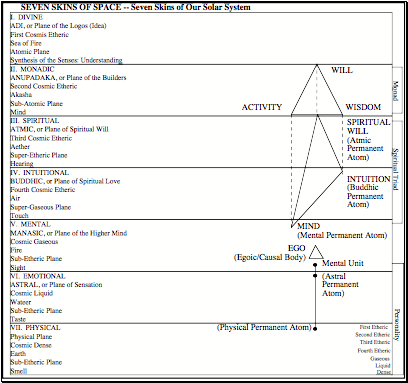
The drawing does not mean a thing to Jacob.
He moves to enter the door to his right, a large wooden door, with extravagant carvings of birds in flight. Something glimmers in the shadows, light playing off skin. It is a boy. He is holding a python in his arms. It is Benjamin, Jacob's son, at a very early age.
The boy says: YOU ARE A CELL IN THE BODY OF THE UNIVERSE, JACOB! A METAPHYSICAL CAUSE LIES BEHIND THE LAWS OF NATURE, THE LAWS OF OUR PHYSICS. THE LAWS OF NATURE ARE THE THOUGHTS OF GOD!
I DON'T UNDERSTAND! Jacob replies to his son.
YOU SEEK AN INTELLIGENT PRINCIPLE OF MOTION! the boy responds. ATOM KADMON WAS SENT IN TO THE WORLD FOR COMPLETION!
AND HOW DOES THIS ATOM COME TO FIND HIS COMPLETION? Jacob asks.
The boy responds: THIS IS THE LAW, JACOB! PARABRAHMAN SLEEPS -- AND THE WORLD LIES IN CHAOS! HE AWAKENS! THE LATENT SEA OF FIRE OF THE WORLD IS MADE ACTIVE! LIGHT BEGETS FIRE BEGETS HEAT BEGETS MOISTURE! THE ONE IS MADE IN TO THREE! THE MIND OF GOD IS ITS PRODUCT!
AND WHAT OF THE PRINCIPLE OF MOTION YOU MENTIONED? Jacob asks.
The boy responds: THIS IS THE LAW AS TO MOTION, MY FRIEND: BRAHMA, THE CREATOR, IS EATEN BY VISHNU! VISHNU, THE PRESERVER, IS EATEN BY SIVA! SIVA, THE DESTROYER, IS EATEN BY BRAHMA! THUS, THE CIRCLE IS THE ROTARY MOTION OF POWER! AND POWER IS FORCE! AND FORCE IS THE MOTION WHICH LEADS THE EVOLUTION...!
AND WHERE DOES THIS FORCE OF EVOLUTION PROPEL US? Jacob asks.
The boy responds: WHEN THE CYCLE OF LIFE, THE GREAT WHEEL, IS COMPLETED ALL FORCE IS ABSORBED IN TO THE BREAST OF THE ONE GOD! PARABRAHMAN AGAIN RETURNS TO HIS DREAMING, HAVING CARRIED THE DEVELOPMENT OF FORM ONE MORE STEP! THEN THE WORLD, AGAIN, LIES IN CHAOS! FOR IT IS NIGHT IN THE KINGDOM!
AND WHO IS PARABRAHMAN? Jacob asks.
PARABRAHMAN IS EN-SOPH! the boy replies to his father. AND EN-SOPH IS GOD! GOD IS THE WHOLE OF ALL THE PARTS OF EXISTENCE! AN INTELLIGENT PRINCIPLE BEYOND OUR COMPREHENSION! AS WE ARE A GOD TO THE CELLS OF OUR BODY, SO WE ARE THE CELLS OF THE BODY OF GOD! WE CANNOT KNOW MORE THAN WHAT IT MEANS TO BE A CELL! BUT WE ONCE WERE A CELL IN A STONE, THEN A CELL IN A PLANT, THEN A CELL IN AN ANIMAL; AND NOW WE ARE A CELL IN GOD! THAT IS THE LADDER OF PROGRESSION! FOR WE WERE ONCE THE ROCK UPON WHICH WE NOW STAND AS A MAN! AND, BEFORE THAT, WE WERE A CELL IN A STAR! WE COME DOWN TO BUILD A WORLD; AND WE GO BACK TO REST IN STARDOM!
WE ARE STARLIGHT? Jacob asks.
YES! AND ALL THINGS IN BETWEEN! the boy replies.
AND WHAT OF GOD? Jacob asks.
WHAT OF OURSELVES, YOU ASK? the boy responds. WE ARE ACTIVE AND PASSIVE BY TURNS! BRAHMA IS SETH! VISHNU IS ABEL! AND SIVA IS CAIN BEYOND CANAAN! ALL RELIGIONS ARE ONE, AT THE ROOT, AFTERALL!
AND WHO, THEN, IS MAN? Jacob asks.
THE ONE IS MADE THREE; AND THEN THE THREE ARE MADE FOUR, PART ANIMAL AND PART ANGEL! FOUR THE THE SYMBOL OF MAN DRESSED IN MATTER! FOUR IS THE SQUARE! THE MATERIAL PLANE OF OUR EXISTENCE; CENTRAL STORAGE: BELOW THE LIGHT BUT ABOVE THE SHADOW OF THE EARTH! THE FOUR ARE THE BORDERS WHICH LIMIT MAN'S KNOWLEDGE; THE FOUR DIRECTIONS WHICH CREATE THE EARTH'S BODY! THESE SPATIAL DELINEATIONS ARE: NORTH, SOUTH, EAST, AND WEST! THESE DELINEATIONS OF TIME ARE: SPRING, SUMMER, AUTUMN AND WINTER! MAN IS BORN; HE EXTENDS; HE EXPANDS; HE CONTRACTS. CONTRACTION BEING THE SYMBOL BOTH OF DEATH AND THE REQUISITE RE-BIRTH! THE GOLDEN AGE LEADS; THE AGE OF SILVER FOLLOWS; THE AGE OF BRONZE ENSUES; HARD IRON COMPLETES THE CIRCLE! THE FOUR IS THE NATURE OF ALL THINGS THAT LIVE! THE FOUR IS THE LAW OF THE IDEA'S LIFE-SPAN! FOR ALL LIFE IS BUT SYMBOL -- OF THE IDEAS WHICH PROPEL THE LIFE! THE FOUR IS THE LAW OF THE EXTERNAL WORLD! AS THE THREE IS THE LAW OF THE HIDDEN WORLD, THE INNER WORLD, THE SOUL! THE THREE IS THE MOVER OF ALL THINGS! OF ATOM KADMON SEEKING WHOLENESS!
THEN WHAT IS THE TWO? Jacob asks.
Benjamin replies: ALL QUALITIES OF NATURE HAVE THEIR OPPOSITES! AND THE METAPHISICAL CAUSE OF ALL MOTION IS THE FORCE WITH WHICH OPPOSITES BOTH ATTRACT AND REPEL! PARABRAHMAN AWAKENS! HE SPLITS HIMSELF IN TWO! THE PRINCIPLE OF WHOLENESS IS SPLIT IN TO POLES! DAY CONTENDS WITH NIGHT! GOOD CONTENDS WITH EVIL! MAN CONTENDS WITH WOMAN! LIFE CONTENDS WITH DEATH! IT IS THE METAPHORICALLY ETERNAL DANCE BETWEEN THE POLES WHICH REQUIRES THE THREE TO SPIN -- WHICH IMPELS LIFE TO MOVE! EVOLUTION IS MOVEMENT IN THE DIRECTION OF AN INTELLIGENT PLAN! MOTION DESCRIBES ONLY CHANGE; BUT INTELLIGENCE EMBEDDED IN TO MATTER -- FOR ENERGY IS INTELLIGENT MATTER -- DESCRIBES MOVEMENT IN A SPECIFIC DIRECTION! ONE POLE BUILDS THE WORLD OF MATTER AT THE EXPENSE OF THE WORLD OF SPIRIT; AND THE OTHER POLE BUILDS THE WORLD OF SPIRIT AT THE EXPENSE OF THE WORLD OF MATTER! THE TWO IS SEPHIRA'S VESSEL, FROM WHICH VESSEL ARE POURED FORTH THE GODS OF LIGHT!
THE ONE (WHICH IS THE SPIRIT) PLUS THE TWO (WICH IS THE MOTHER MATTER) PLUS THE THREE (WHICH IS MOTION) PLUS THE FOUR (WHICH IS MAN) EQUALS THE TEN, THE COMPLETE FIGURE, MALE (1) AND FEMALE (0) -- AND THE SYMBOL OF THE MANIFESTED COSMOS! IT IS THE UNIVERSE WE VISION! IT IS THE CONTAINER AF ALL THINGS!
AND WHAT IS THE PURPOSE OF MAN? Jacob cries.
And Benjamin replies: THE GOAL FOR THE EVOLUTION OF THE ATOM IS SELF-CONSCIOUSNESS -- AS EXEMPLIFIED IN THE HUMAN KINGDOM! THE GOAL FOR THE EVOLUTION OF MAN IS GROUP-CONSCIOUSNESS -- AS EXEMPLIFIED BY A PLANETARY LOGOS! THE SOLAR LOGOS IS THE SUM-TOTAL OF ALL THE STATES OF CONSCIOSNESS WITHIN THE SOLAR SYSTEM...!
I DON'T UNDERSTAND THAT! Jacob cries to his son.
Benjamin hand his another drawing. He says: THERE IS INVOLUTION! THERE IS EVOLUTION! THERE IS DISSOLUTION! THAT IS THE LAW! GROUP-CONSCIOUSNESS LIES THROUGH THE EXPANSION OF THE MIND! THE SOUL THROWS ITS LIGHT UPWARD! IT ILLUMINES A SEGMENT OF THE UNIVERSAL MIND! THIS KNOWLEDGE IS PLANTED WITHIN THE BRAIN OF THE SEEKER! THE MORE THE MIND CAND DISCOVER, THE MORE YOU HELP IN THIS PROCESS!
AND WHAT DOES IT MEAN? Jacob asks, THIS GROUP-CONSCIOUSNESS?
And the boy responds: NATURE RECYCLES EVERYTHING, JACOB! THERE IS ABSOLUTE EQUALITY IN THE WORLD OF GOD! ALL LIVING THINGS SPRING FROM ONE SACRED SOURCE, WHETHER MINERAL, VEGETABLE, ANIMAL OR MAN! ALL LIVING THINGS CONTAIN THE SPARK OF THE ONE GOD! AND THE HEALTH OF THE GROUP SUPERCEDES THAT OF YOU, YOURSELF, JACOB! YOU ARE NOT AN ISOLATED FRAGMENT, JACOB! ALL THINGS ARE PART OF A MAJESTIC, MAGNETIC WHOLE! UNIVERSAL BROTHERHOOD IS NOT MERELY AN IDEA -- IT IS A FACT OF NATURE! AND TO KNOW THIS BRINGS JUSTICE!
YOU MUST EXPLAIN THIS DRAWING TO ME! Jacob cries.
And the boy responds: I MUST GO AWAY, FATHER! YOU WILL SEE ME AGAIN ALONG THE BANKS OF THE GANGES! BUT FOR NOW YOU MUST ENTER THIS DOOR HERE BEFORE YOU! IT IS THE FEAST OF THE LIVING! MANY SECRETS AWAIT YOU ON THE OTHER SIDE OF THIS DOOR! BUT STUDY THIS DRAWING BEFORE YOU LEAVE THIS CHAMBER...!
The boy disappears.
WAIT, BENJAMIN! Jacob cries. I WANT TO APOLOGIZE FOR ALL THE THING I'VE DONE WRONG!
But Benjamin is gone.
Jacob studies the drawing:
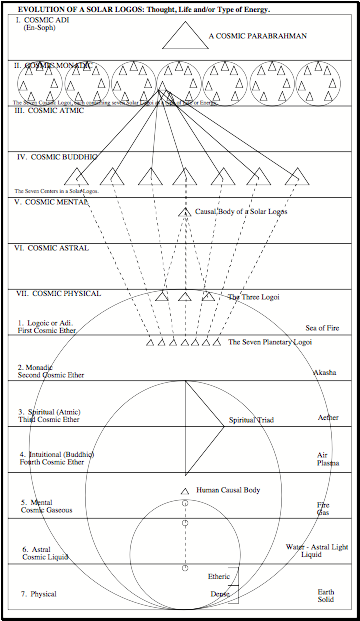
The
door of the chamber swings open; and, standing alonein the red mist, all alone,
is a priest. The priest says: IN
NOMINE PATRIS, ET FILII, ET SPIRITUS SANCTI...!
AMEN!Jacob responds.
INTROIBO AD
ALTARE DEI!
AD DEUM QUI LAETIFICAT JUVENTUTEM MEAN! Jacob responds.
Father Nicholas leads Jacob through the candle-lit church. There are statues and stained-glass windows and bent forms in dark pews. And the faint sounds of praying. And a whispering organ.
Father Nicholas says; I AM PETER, JACOB! I HOLD THE KEYES TO THE KINGDOM...!
But Jacob responds: YOU ARE NOT PETER! YOU ARE FATHER NICHOLAS, FROM MY CHILDHOOD!
The priest smiles at Jacob. He makes the sign of the cross on Jacob's forehead with his right hand -- and says: WE KNOW SO LITTLE OF THE WORKINGS OF LIFE, JACOB! WE ARE SYMBOLS WHICH CARRY WITHIN US A MEANING! WE ARE MESSENGERS OF LIGHT WHO MOVE ON HERALDIC LANDSCAPES! THE WORLD IS A WEB OF PICTURES AND COLORS! MANY MINDS FLASH IN SEQUENCE! MOLECULES LEAP! PHOTOGRAPHS ABOUND! THERE IS DISCORD...!
THE MIND MAKES ITS OWN REALITY, JACOB! Father Nicholas continues. AND THE HIGHER YOU CLIMB IN THE SPIRITUAL KINGDOM, THE MORE TRUTHS YOU'LL DISCARD, THE MORE TRUTHS YOU'LL DISCOVER! THE IMPULSE COMES DOWNWARD AND FILLS UP THE MATRIX! THEN YOU DIRECT LIFE BACK UPWARD: AND THE ARCHETYPAL PLANE IS ILLUMINED...!
Jacob hears voices in the back of the church. He turns and looks at the baptismal font. An old priest in purple anoints a small child with black hair. The priest has a crew-cut. It looks like Father Meyers. A man and a woman and other children are near. Father Meyers says: I CHRISTEN YOU JACOB OLIVER NEWTON HEIMKREITER! SON OF MARY! AND SON OF BENJAMIN...!
Jacob runs up to the baptismal font. He touches his young mother's hand, crying: I AM HERE, MOTHER! JACOB! I AM YOU SON STANDING BESIDE YOU...!
SHE CANNOTHEAR YOU! Father Nicholas explains. COME WITH ME, JACOB!
AND HERE IS MY BROTHER, WILLIAM, AND MY SISTER, LAURA, AND MY OTHER BROTHER, ANTHONY! Jacob cries.
AND YOUR FATHER AS WELL! Father Nicholas adds.
YES! AND MY FATHER AS WELL!
COME! Father Nicholas responds. YOUR FAMILY CAN'T HEAR YOU! AND WE MUST NOT KEEP THEM WAITING...!
KEEP WHO WAITING? Jacob asks. WHO ARE THEY WHO WE CANNOT KEEP WAITING?
THEY ARE THE LIVES ON THE ARCHETYPAL PLANE! the priest responds.
I DO NOT UNDERSTAND THAT! Jacob replies.
The priest explains: IDEAS ARE THE LIVES IN THE MIND OF GOD WHICH DIRECT US! HUMANITY IS BUT THE EXPRESSION OF IDEAS! WHEN HUMANITY BECOMES UNITED, UNIFIED, THAT IS THE EXPRESSION OF ONE IDEA, THE DIVINE IDEA: THEN HARMONY IS ACHIEVED! HARMONY IS THE BALANCE BETWEEN THE OPPOSITE EXTREMES! IT IS A STILLNESS, A COMPLETION; AND IT BRINGS DISSOLUTION! HUMANITY MOVES IN STAGES TOWARD THE EXPRESSION OF ITS ARCHETYPE! AND EACH STAGE OF HUMANITY HAS ITS OWN ARCHETYPE, OR LIFE, ITS IDEAL, TOWARD WHICH IT MOVES EVER SO SLOWLY, THROUGH THE PROCESS OF BIRTH AND LIFE AND DEATH:

THERE IS A CYCLIC MOVEMENT TOWARD THE UNITY OF MOTION, TOWARD HARMONY, TOWARD CONSCIOUSNESS OF THE GROUP! ONLY THE GREAT MINDS PERCEIVE IT!
AND HOW DOES ONE COME TO GRASP SUCH KNOWLEDGE? Jacob asks.
And the priest responds: A THIN THREAD OF LIGHT CONNECTS THE SPIRIT AND SOUL, JACOB! THE DIVINE MIND TOUCHES THE INDIVIDUAL MIND! INTUITION LEADS REASON!
AND IS THIS THIN THREAD OF LIGHT THAT SAME THREAD OF ARIADNE? Jacob asks.
PRECISELY! the priest replies. YOUR ARE COMING TO UNDERSTAND, JACOB!
AND SO WHAT THEN IS LIFE? Jacob asks Father Nicholas.
The priest smiles enigmatically. He says: A PICTURE OF LIFE IS THE SISYPHUS OF SYMBOL! THE SPIRIT OF LIFE ASSUMES THE SHELL OF A BODY! THIS BODY IS A BURDEN -- A GREAT STONE WE MUST TRANSPORT! WE CARRY OUR BURDEN UP THE FACE OF A MOUNTAIN! AND, AS WE REACH THE GREAT PEAK, SOME FORCE SETS LOOSE THE STONE! THE STONE TUMBLES DOWNWARD; AND IT COMES TO REST IN THE EARTH'S WOMB! THE MAN IS, THUS, ALONE! HE BREATHES THE AIR OF HIS FREEDOM...!
BUT THE MAN IS CONDEMNED TO RETURN DOWN THE HILL TO HIS STONE! Jacob cries. THAT IS NOT FREEDOM! HE MUST ROLL THIS STONE FOR EVER! UP TARTARIAN RIDGES; OVER IMPOSSIBLE CHASMS...!
Father Nicholas says: THE ESSENCE OF LIFE IS IN CONSTANT CIRCULATION! ALL THINGS ARE CONNECTED! TO RETURN IS THE LAW! THE MAN STANDS AND BREATHES THE FINE AIRS OF THE HEAVENS! HE REFLECTS ON HIS JOURNEY! HE DESCENDS, TO CONTINUE! MAN IS THE MATTER, OR THE SERVANT, OF THE GODS! AND THESE GODS ARE IDEAS -- PLANETARY IDEAS -- WHICH LEAD LIFE TO COMPLETION!
PLANETARY IDEAS? Jacob asks.
YES? WHAT DOES THIS MEAN TO YOU? Father Nicholas answers.
WHAT ARE THE STAGES OF MANKIND YOU MENTION? Jacob asks.
And Father Nicholas responds: THE ONE IS THE AIR! THE TWO IS THE WATER! THE THREE IS THE FIRE! AND THE FOUR IS THE EARTH! THETHREE IS THE MOTION OFMIND! IT IS THE ADAM KADMON, IN FULL FLAME! PERFECT MAN, IN HIS ESSENCE!
THREE OR FOUR? JACOB ASKS.
ONE, WHICH IS THE ANIMATING FORCE, PLUS THREE (WHICH IS THE INTELLECTUAL SOUL OF MAN) EQUALS FOUR, WHICH IS THE MATERIAL WORLD: THAT ISS, THE MATERIAL WORLD IN ITS ABSTRACT CONDITION! ALL THINGS EXIST IN THEIR ABSTRACT CONDITION PRIOR TO TAKING ON FORM BASED IN MATTER!
THAT IS NOT CLEAR! Jacob responds.
THE FOUR IS ADAM PRIMUS, JACOB! ADAM, BEFORE HE FELL IN TO FORM!
I'VE HEARD ALL OF THIS BEFORE SOMEWHERE!
THREE (WHICH IS THE MOTION OF ATOMS), the priest continues, PLUS FOUR (WHICH IS THE PRINCIPLE OF EARTH) EQUALS SEVEN (WHICH IS THE LAW GOVERNING THE STAGES OF MANKIND)! THE SEVEN DAYS OF CREATION. THE MYSTERIOUS NUMBER 777.
I DON'T UNDERSTAND THAT! Jacob cries to the priest. ALL THESE NUMBERS CONFUSE ME! I DON'T KNOW WHAT THEY MEAN!
Father Nicholas responds: IN THE BEGINNING, JACOB, EN-SOPH BREATHED. HIS FIRST EMANATION WAS THE SEPHIRA OR ZERO! ZERO IS THE BOUNDLESS CIRCLE, OR SPACE! SHE IS THE MOTHER OF THE GODS, CO-EVAL WITH DARKNESS! WITHIN THIS DARKNESS LAY THE GERM OF THOUGHT, THE GERM OF LIGHT, IN THE EGG, IN GESTATION! THE SEED OF LIGHT, EXISTING IN THE COOLNESS! THE LIGHT WAS COLD FLAME; THE FLAME BECAME FIRE; THE FIRE PRODUCED HEAT, WHICH YIELDED WATER -- THE WATER OF LIFE IN THE GREAT MOTHER CHAOS! THE ELECTRICAL IMPULSE OF LIGHT TOUCHED THE WATER! THE THOUGHT WAS IMPRINTED UPON THE MIND OF THE WORLD!
WHAT HAS THIS TO DO WITH THE STAGES OF MANKIND? Jacob asks.
Father Nicholas replies: THE LIGHT BROKE FORTH FROM THE WOMB OF THE DARKNESS! THE BRIGHTNESS PIERCED THE VERY GATES OF THE KINGDOM! THE GATES OF HEAVEN ARE AS TO A PRISM! THE WHITENSS RAN OUT! THE SEVEN COLORS WERE BORN! EACH COLOR SPOKE ITS OWN SPECIAL NOTE! THE MUSICAL SCALE OF THE HEAVENS WAS BORN! EACH NOTE RAN OUT AND FILLED UP THE DISTANCE! THE SEVEN SKINS OF SPACE AND THE SENSES WERE BORN!
YOU SPEAK IN RIDDLES! Jacob cries to the priest.
And Father Nicholas responds: THERE ARE TWELVE HOURS IN EACH DAY OF THE SEVEN DAYS OF CREATION! AND THE DAY FOLLOWS THE NIGHT! THE SEVENTH DAY IS THE DAY OF COMPLETION!
Father Nicholas is gone.
The sound of the organ rises up through the roof-beams. There is a chorus of children. They sing, in the lofty spire:
INSERT MUSICAL NOTATION
The cathedral doors spring open and light rushes in, a cubical slant on the dark aisle. Twelve men are carrying a box through the shadows. They deposit the casket at the foot of the altar.
Jacob knows these twelve grim men. They are comrades from work. From the banking profession.
Jacob cries: JACK ARGYLE! JOE CALLER! BARD FERRALL! WESLEY WATSON...!
None of the men respond to his cries. They file by in their dark suits, down the aisle, past the last pew...!
A young Father
Nicholas stands by the coffin. He
sprinkles the bier with water from an urn, saying: I BLESS THE BODY OF JACOB
HEIMKREITER, WITH THE HOLY WATER WHICH RECALLS HIS BAPTISM, OF WHICH SAINT PAUL
HAS WRITTEN: ALL OF US WHO WERE
BAPTIZED INTO CHIRIST JESUS WERE BAPTIZED INTO HIS DEATH! BY BAPTISM INTO HIS DEATH, WE WERE
BURIED TOGETHER WITH HIM, SOS THAT JUST AS CHRIST WAS RIASED FROM THE DEAD BY
THE GLORY OF THE FAHTER, WE, TOO, MIGHT LIVE A NEW LIFE IN HIM! FOR IF WE HAVE BEEN UNITED WITH HIM BY
LIKENESS TO HIS DEATH, SO SHALL WE BE UNITED WITH HIM BY LIKENESS TO HIS LIFE
AFTER DEATH...!
The altar boys place a white pall on the coffin.
And the priest prays: LORD, HEAR OUR PRAYERS AND BE MERCIFUL TO YOUR SON, JACOB, WHOM YOU HAVE CALLED FROM HIS LIFE! WELCOME HIM IN TO THE COMPANY OF YOUR SAINTS! WE ASK THIS OF YOU, THROUGH CHRIST, OUR LORD...!
The congregation responds: AMEN!
I AM NOT DEAD! Jacob cries to the priest. He turns to the people who are bowed in their pews. Helen is dressed in black in the front row. She weeps through her veil. Sweet Diana tries to comfort her mother.
Jacob moves to his wife and daughter and cries: PLEASE DO NOT WEEP FOR ME! I AM NOT DEAD! THERE MUST BE SOME MISTAKE! PLEASE TALK TO ME! THERE IS NOTHING WRONG! PLEASE DON'T WEEP IN SUCH A WAY!
A voice reaches out to touch Jacob with its softness. The voice says: BE CALM, JACOB! THESE PEOPLE CANNOT HEAR YOU...!
Jacob turns to the voice.
There is a man filled with light standing beside the casket. A dove rests on his forearm. And, beneath his throat, is the emblem of a fish. The man says: FROM EARTH, HEAT AND WATER ARE BORN ALL CREATURES, WHETHER ANIMATE OR INANIMATE, PRODUCED BY THE GERM WHICH THE DIVINE SPIRIT DREW FROM ITS OWN SUBSTANCE! THUS HAS BRAHMA ESTABLISHED THE SERIES OF TRANSFORMATIONS FROM THE PLANT UP TO MAN, AND FROM MAN UP THE THE PRIMORDIAL ESSENCE! AMONG THEM EACH SUCCEDING BEING (OR ELEMENT) ACQUIRES THE QUALITY OF THAT WHICH PRECEDES IT; AND, IN AS MANY DEGREES AS EACH OF THEM IS ADVANCED,WITH SO MANY PROPERTIES IT IS SAID TO BE ENDOWED...!
WHO ARE YOU? Jacob asks, moving toward the man.
I AM MANU! the man of light responds. I AM FIRST OF THE SEVEN RACES OF MANKIND!
WHAT DO YOU MEAN BY THAT? Jacob asks.
And Manu responds: I AM THE PROTOTYPE ON WHICH THE RACE OF MAN WAS FIRST BUILT.
YOU ARE ADAM KADMON, THEN? Jacob cries.
I AM ADAM KADMON! AND I AM ALSO CALLED NUAH!
I DO NOT UNDERSTAND WHAT YOU ARE SAYING! Jacob cries.
Manu responds: WHEN THIS WORLD HAD EMERGED FROM OBSCURITY, THE SUBTILE ELEMENTARY PRINCIPLES PRODUCED THE VEGETABLE GERM WHICH AT FIRST ANIMATED THE PLANTS OF HTE WORLD; FROM THE PLANTS, LIFE PASSED THROUGH THE FANTASTIC ORGANISMS WHICH WERE BORN IN THE ILUS (THE BOUE) OF THE WATERS; THE, THROUGH A SERIES OF FORMS AND DIFFERENT ANIMALS, IT, AT LENGTH, REACHED MAN...!
AND WHERE DID THIS LIFE COME FROM? Jacob asks.
Manu responds: FROM HE WHO IS, AND YET IS NOT; FROM THE NOT-BEING, THE ETERNAL CAUSE OF ALL MOTION! IT IS THE GERM (WHICH THE DIVINE SPIRIT PRODUCED FROM ITS OWN SUBSTANCE) WHICH NEVER PERISHES IN THE BEING; FOR IT BECOMES THE SOULD OF BEING; AND, AT THE PERIOD OF DISSOLUTION, IT RETURNS TO ABSORB ITSELF ONCE AGAIN IN TO THE DIVINE SPIRIT'S BREAST, WHICH ITSELF RESTS FROM ALL ETERNITY WITHIN SWAYAMBHUVA, OR SELF-EXISTENCE...!
WHO IS THIS SWAYAMBHUVA? JACOB ASKS.
SWAYAMBHUVA IS COME TIMES CALLED PARABRAHMAN! Manu replies. AND PARABRAHMAN IS EN-SOPH! AND EN-SOPH IS GOD!
WITH SO MANY NAMES FOR THE VERY SAME THING? Jacob asks
Manu responds: BENEATH THE FORMS OF ALL RELIGIONS, THERE IS ONE TRUTH! THERE IS ONE ETERNAL CAUSE OF ALL WHICH IS BORN! MAN IS STILL IN HIS INFANTILE MIND! RELIGION MUST NOT BE THE CAUSE OF DISSENSION! IT MUST BE THE CAUSE OF UNION -- AMONG ALL THE RACES OF MANKIND!
AND WHAT ABOUT THE DISSOLUTION OF LIFE? Jacob asks.
Manu responds: STRANGE NOISES ARE HEARD, PROCEDING FROM EVERY POINT! THESE ARE THE PRECURSORS OF THE NIGHT OF BRAHMA! DUSK RISES AT THE HORIZON! THE SUN PASSES AWAY BEHIND THE THIRTIETH DEGREE OF MACARA; AND WILL REACH NO MORE THE SIGN OF THE FISH! THE HOLY-MEN APPOINTED TO WATCH THE SIGNS OF HEAVEN MAY NOW BREAK THEIR CIRCLE AND THEIR INSTRUMENTS WHICH MEASURE, FOR THEY ARE, HENCEFORTH, USELESS...FOR THE END IS APPROACHING!
GRADUALLY LIGHT PALES, HEAT DIMINISHES, UNINHABITABLE SPOTS MULTIPLY ON THE EARTH, THE AIR BECOMES MORE AND MORE RAREFIED; THE SPRINGS OF WATERS DRY UP; THE GREAT RIVERS SEE THEIR WAVES EXHAUSTED; THE OCEAN SHOWS ITS SANDY BOTTOM; AND PLANTS DIE! MEN AND ANIMALS DECREASE IN SIZE DAILY! LIFE AND MOTION LOSE THEIR FORCE; PLANETS CAN HARDLY GRAVITATE IN SPACE; THEY ARE EXTINGUISHED ONE BY ONE, LIKE A LAMP WHICH THE HAND OF THE SERVANT NEGLECTS TO REPLENISH! THE SUN FLICKERS AND GOES OUT; MATTER FALLS IN TO DISSOLUTION; AND BRAHMA MERGES BACK INTO DYAUS, THE UNREVEALED GOD -- AND HIS TASK BEING ACCOMPLISHED, HE FALLS ASLEEP! ANOTHER DAY IS PASSED; NIGHT SETS IN: AND CONTINUES UNTIL THE FUTURE DAWN, WHICH MUST COME AGAIN...!
AND THEN WHAT HAPPENS? Jacob asks.
Manu says: AT THE EXPIRATION OF EACH NIGHT, BRAHMA, WHO HAS BEEN ASLEEP, AWAKES, AND, THROUGH THE SOLE ENERGY OF THE MOTION, CAUSES TO EMANATE FROM HIMSELF THE SPIRIT, WHICH IN ITS ESSENCE IS, AND YET IS NOT! PROMPTED BY THE DESIRE TO CREATE, THE SPIRIT (FIRST OF THE EMANATIONS) OPERATES THE CREATION AND GIVES BIRTH TO ETHER, WHICH THE SAGES CONSIDER AS HAVING THE FACULTY OF TRANSMITTING SOUND! ETHER BEGETS AIR, WHOSE PROPERTY IS TANGIBLE, AND WHICH IS NECESSARY TO LIFE! THROUGH A TRANSFORMATION OF THE AIR, LIGHT IS PRODUCED! FROM AIR AND LIGHT, WHICH BEGETS HEAT, WATER IS FORMED! AND WATER IS THE WOMB OF ALL THE LIVING GERMS AND GERMINATIONS...!
AND WHAT OF MAN? Jacob asks.
MAN IS BORN OF THE BODY OF EARTH! Manu responds. AND EARTH IS A LIVING BEING! EARTH, ITSELF, TRAVELS THE ARC OF EVOLUTION! AND MAN IS THE INSTRUMENT, AND THE EFFECT, OF THIS CHAIN!
SO WHAT MUST I DON? Jacob asks Manu.
Manu touches his shoulder ans smiles. He says; THER ARE TEN VIRTUES: RESIGNATION; THE ACT OF RENDERING GOOD FOR EVIL; TEMPERANCE; PROBITY; PURITY; CHASTITY; REPRESSION OF THE PHYSICAL SENSES; KNOWLEDGE OF THE HOLY SCRIPTURES; KNOWLEDGE OF THE SUPERIOR SOUL (THE SPIRIT); WORSHIP OF TRUTH; ABSTINENCE!
AND HOW DO I UNDERSTAND WHAT IS TRUE? Jacob asks.
FOLLOW NO DOGMA! Manu responds. UNDERSTAND YOUR OWN SOUL WHEN IT SPEAKS TO YOU! THE MAN WHO RECOGNIZES THE SUPREME SOUL, IN HIS OWN SOUL, AS WELL AS THAT IN ALL OTHER CREATURES, AND WHO IS EQUALLY JUST TO ALL (WHETHER MAN OR ANIMALS) OBTAINS THE HAPPIEST OF ALL FATES, THAT TO BE FINALLY ABSORBED IN THE BOSOM OF BRAHMA...!
AND WHAT OF THESE STAGES OF MANKING YOU MENTIONED? Jacob asks.
YOU MUST TALK WITH ISAAC! Manu responds. THERE ARE SIX DAYS OF CREATION! AND THEN THERE IS A DAY OF REST...!
Manu leaves, shattering the air like stained glass. He is a violet hue. He is a wisp. He is gone.
Young Father Nicholas speaks to the crowd. He says: I, DANIEL, MOURNED, AND I HEARD THIS WORD OF THE LORD:
At that time there shall arise
Michael, the Great Prince,
Guardian of the People;
It shall be a time unsurpassed in distress
Since nations began until that time.
At that time your people shall escape,
Everyone whose name is found written in the book.
Many of those who sleep
In the dust of the Earth shall awake;
Some shall live for ever;
Others shall be an everlasting horror and
Disgrace.
But the wise shall shine brightly
And those who lead the many to Justice
Shall be like the stars forever.
AS FOR YOU, DANIEL, KEEP SECRET THE MESSAGE AND SEAL THE BOOK UNTIL THE ENDTIME! MANY SHALL FALL AWAY, AND EVIL SHALL INCREASE...!
I, DANIEL, LOOKED ANS SAW TWO OTHERS, ONE STANDING ON EITHER BANK OF THE RIVER! ONE OF THEM SAID TO THE MAN CLOTHED IN LINEN, WHO WAS UPSTREAM: HOW LONG SHALL IT BE TO THE END OF THESE APPALING THINGS? THE MAN CLOTHED IN LINEN, WHO WAS UPSTREAM, LIFTEND HIS RIGHT AND LEFT HANDS THE THE HEAVES; AND I HEARD HIM SWEAR BY HIM WHO LIVES FOREVER THAT IT SHOUDL BE FOR ONE YEAR, TWO YEARS, A HALF-YEAR; AND THAT, WHEN THE POWER OF THE DESTROYER OF THE HOLY PEOPLE WAS BROUGHT TO AN END, ALL THESE THINGS SHOULD END! I HEARD, BUT I DID NOT UNDERSTAND; SO I ASKED:
MY LORD, WHAT FOLLOWS
THIS?
HE SAID: GO, DANIEL! BECAUSE THE WORDS ARE TO BE KEPT SECRET
AND SEALED UNTIL THE END TIME!
MANY SHALL BE REFINED, PPURIFIED, AND TESTED, BUT THE WICKED SHALL PROVE
WICKED: NONE OF THEM SHALL HAVE UNDERSTANDING, BUT THE WISE SHALL HAVE IT! FROM THE TIME THAT THE DAILY SACRIFICE
IS ABOLISHED AND THE HORRIBLE ABOMINATION IS SET UP, THERE SHALL BE ONE
THOUSAND TWO HUNDRED AND NINETY DAYS!
BLESSED IS THE MAN WHO HAS PATIENCE AND PERSEVERES UNTIL THE ONE
THOUSAND THREE HUNDRED AND THIRTY-FIVE DAYS! GO, TAKE YOUR REST!
YOU SHALL RISE FOR YOUR REWARD AT THE END OF THE DAYS...!
The lid of the velvet-lined casket is open. Jacob looks inside. An old withered man lies curled within the crimson. The bones through skin are wax-like blades. The lips have been painted. The man looks like Jacob's father. A black-beaded rosary has been wound through the man's fingers. The eyes are closed. The dark suit seems too large.
Jacob cries to the priest: THIS IS NOT ME! THERE MUST BE SOME MISTAKE! I HAVE MY OWN BODY -- SEE! I AM NOT THIS CORPSE I SEE ROTTING...!
With extended hands, the preist responds; FAHTER, CALLING TO MIND THE DEATH WHICH YOUR SON ENDURED FOR OUR SALVATION, HIS GLORIOUS RESURRECTION AND ASCENSION IN TO HEAVEN, AND READY TO GREET HIM WHEN HE COMES AGAIN, WE OFFER YOU, IN THANKSGIVING, THIS HOLY AND LIVING SACRIFICE! LOOK WITH FAVOR UPON THIS OFFERING, AND SEE THE VICTIM WHOSE DEATH HAS RECONCILE US TO YOURSELF! GRANT THAT WE, WHO ARE NOURISHED BY HIS BODY AND BLOOD, MAY BE FILLED WITH HIS HOLY SPIRIT, AND BECOME ONE BODY, ONE SPIRIT IN CHRIST...!
Jacob passes his right hand through the palm of his left. His fingeers penetrate through the mass of the gasses. His hand has no substance. His is a body made of light. Compact form made of ether.
This knowledge makes Jacob begin to shake. He cries to Father Nicholas: I HAVE NO BODY! WHERE IS THE FORM WHICH IS MY FORM...?
The child with the conch stands alone of the altar. The people are gone. The casket remains. The child's blonde hair is shimmering. She points to the altar, to the tabernacle, crying; YOU SHALL MAKE AN ARK OF ACACIA WOOD, TWO AND A HALF CUBITS LONG, ONE AND A HALF CUBITS WIDE, AND ONE AND A HALF CUBITS HIGHT! PLATE THE ARK INSIDE AND OUT WITH PURE GOLD, AND PUT A MOLDING OF GOLD AROUND THE TOP OF IT! CAST FOUR GOLD RINGS AND FASTEN THEM ON THE FOUR SUPPORTS OF THE ARK: TWO RINGS ON THE ONE SIDE, AND TWO ON THE OTHER! THEN MAKE POLES OF ACADIA WOOD, AND PLATE THEM WITH GOLD! THESE POLES YOU ARE TO PPUT THROUGH THE RINGS ON THE SIDES OF THE ARK, FOR CARRYING IT; THEY MUST REMAIN IN THE RINGS OF THE ARK AND NEVER BE WITHDRAWN! IN THE ARK YOU ARE TO PUT THE COMMANDMENTS OF THE WORLD, WHICH I, AT THAT TIME, WILL GIVE FOR YOUR KEEPING...!
YOU SHALL THEN MAKE A PROPITIATORY OF PURE GOLD, TWO CUBITS AND A HALF LONG, AND ONE CUBIT AND A HALF WIDE! MAKE TWO CHERUBIM OF BEATED GOLD FOR THE TWO ENDS OF THE PROPITIATORY, FASTENING THEM SO THAT ONE CHERUB SPRINGS DIRECT FROM EACH END! THE CHERUBIM SHALL HAVE THEIR WINGS SPREAD OUT ABOVE, COVERING THE PROPITIATORY WITH THEIR LENGTH AND THEIR BULK; THEY SHALL BE TURNED TOWARD EACH OTHER, BUT WITH THEIR FACES LOOKING TOWARD THE PROPITIATORY! THIS PROPITIATORY YOU SHALL TEHN PLACE ON TOP OF THE ARK! IN THE ARK, ITSELF, YOU ARE TO PUT THE COMMANDMENTS WHICH I WILL GIVE TO YOU! THERE I WILL MEET YOU, AND THERE, FROM ABOVE THE PROPITATORY, BETWEEN THE TWO CHERUBIM ON THE ARK OF THE COMMANDEMENTS, I WILL GIVE TO YOU ALL THE COMMANDMENTS I WISH TO HAVE YOU TAKE TO THE PEOPLE...!
IS THAT ALL? Jacob asks the child.
The child responds: YE SHALL ALSO HAVAE A VEILW OVEN, OF VIOLET, PURPLE, AND SCARLET YARNS, AND OF THE FINEST LINEN TWINED, WITH CHERUBIM EMBROIDERED ON IT! IT IS TO BE HUNG ON FOUR GOLD-PLATED COLUMNS OF ACACIA WOOD, WHICH SHALL HAVE HOOKS OF GOLD AND SHALL REST ON FOUR SILVER PEDESTALS! HANG THE VEIL FROM CLASPS! THE ARK OF THE COMMANDMENTS YOU SHALL BRING INSIDE, BEHIND THI VEIL WHICH DIVIDES THE HOLY PLACE FROM THE HOLY OF HOLIES! THEN, SET THE PROPITIATORY ON THE ARK IN THIS HOLY OF HOLIES...!
AND THEN WHAT MUST I DO? Jacob asks.
And the child says; OUTSIDE THE VEIL YOU HSLAL PLACE A TABLE AND A LAMPSTAND, THE LATTER ON THE SOUTH SIDE OF THE DWELLING, OPPOSITE THE TABLE, WHICH IS TO BE PUT ON THE NORTH SIDE! FOR THE ENTRANCE OF THE TENT MAKE A VARIEGATED CURTAIN OF VIOLET, PURPLE AND SCARLET YARNS AND OF THE FINEST LINEDN TWINED! MAKE FIVE COLUMNS OF ACACIA WOOD FOR THIS CURTAIN: HAVE THEM PLATED WITH GOLD, WITH THEIR HOOKS OF GOLD; AND CAST FIVE BRONZE PEDESTALS ON WHICH THESE COLUMNS MUST STAND...!
BUT I AM NO BUILDER! Jacob tells the child. I AM A BANKER!
TELL NO ONE HERE THAT YOU ARE A BANKER! the child replies. THEN YOU MUST BECOME A BUILDER! HERE, COME AWAY WITH ME...!
I CANNOT LEAVE MY BODY JUST LYING HERE! Jacob says.
The child laughs at Jacob. She says: THE INNER BODY OF MAN IS A FRAMEWORK OF FIBERS! A NETWORK OF NERVES! A VESSEL OF LIGHT! WE CONDUCT THREADS OF LIGHT THROUGH THE DISKS IN OUR BODIES, THE PLANETARY NATURES WITHIN US! FROM THE BASE OF OUR SPINES, THROUGH THE CROWN OF OUR SKULLS...!
WHAT ARE THE DISKS IN OUR BODY YOU SPEAK OF? Jacob asks.
And the child replies; THESE DISKS ARE THE CENTERS OF FORCE IN OUR BODIES! THEY CONDUCT ELECTRIC MOTION, WHICH IS ENERGY, OR SPIRIT! THE SYNTHESIS OF THE SIX OTHER ELEMENTS IS FIRE, AND FIRE IS LIFE, IN ITS THREE ASPECTS OF BRAHMA...!
I DON'T UNDERSTAND THIS! Jacob responds.
OF COURSE YOU DON'T! the child responds. THE CENTERS OF FORCE WORK WITH THE PERMANENT ATOMS! THEY SEND LIFE UP THE SPINE! THEY ARE THE GLOBES THAT EVOLVE US...!
AND WHAT IS THEIR NUMBER? Jacob asks AND WHAT IS THEIR FUNCTION...?
THEIR NUMBER IS SEVEN! the child responds. THEIR ULTIMATE FUNCTION IS GOD-HOOD!
She hands Jacob a charred piece of paper. On this paper is a diagram. Jacob looks at the diagram:

THE CENTERS ARE TEH PLANETS WITHIN US! the child says to Jacob. AND, AS THE UNIVERSE IS GOD'S BODY, GOD'S THOUGHT, SOS THE UNIVERSE IN MAN'S...!
WHERE AM I GOING? Jacob cries to the child.
The child replies: JACOB, THE SON OF GOD, SEEKS THE HALLS OF WISDOM! AND HE DOES MAKE GREAT PROGRESS! REMEMBER THE WORDS WHICH PLATO SEND TO YOU, HIS DISCIPLE, ARE: GOD GEOMETRIZES...!
The child is gone.
Jacob is standing in a great hall with wood beams and rafters and laughter of large men at tables. It is a feast of some kind. Women move quickly in long-full-length black clothing -- plain in their full dress: they carry food to the banquet.....
Why are they shouting and laughing and smiling? Why are the dressed in black suits and sneakers?
Men carve the roast pigs and turkeys and ham-bones. There is beer by the cask-full. The beer spills on the wood floor.
Jacob cries to the man who plays a tune on the electric fiddle: WHY DO YOU CELEBRATE SO?
And the man replies: BECAUSE JACOB HEIMKREITER IS DEAD!
There is laughter and shouting and cheering and someone makes a toast. A man raises his glass. He is speaking about Jacob. But the music is too loud -- shouting drowns out the words of the speaker.
Jacob shouts at the men: SILENCE! I MUST HEAR WHAT THIS MAN SAYS!
But no one pays much attention to Jacob.
An old grizzle-faced man rides through the tavern on his horse. He cries to Jacob: IT'S SOULS FOR HASTINGS THAT I WANT!
He laughs, and rides through the wedge of the people. Jacob tries to reach him. But Jacob is stopped by the flow of the people around him. Everyone is moving. Jacob feels himself being crushed by the movement. He cannot reach the old man. He sees the white horse -- its huge buttocks -- pass beyond his view....
A man sits beneath a Wandering Jew -- and drinks coffee -- and sings -- as he jots down notes in a notebook. It is Balzac. He says: THE SMALLEST AS THE MOSWT IMMENSE CREATIONS -- ARE THEY NOT TO BE DISTINGUISHED FROM EACH OTHER BY THEIR QUANTITIES, THEIR QUALITIES, THEIR DIMENSIONS, THEIR FORCES AND ATTRIBUTES ALL BEGOTTEN BY THEIR NUMBER? THE INFINITUDE OF THE NUMBERS IS A FACT PROVEN TO OUR MIND, BUT OF WHICH NO PROOF CAN BE PHYSICALLY GIVEN! THE MATHEMATICIAN WILL TELL US THAT THE INFINITUDE OF THE NUMBERS EXISTS BUT IS NOT TO BE DEMONSTRATED! GOD IS A NUMBER ENDOWED WITH MOTION, WHICH IS FELT BUT NOT DEMONSTRATED! AS UNITY, IT BEGINS THE NUMBERS, WITH WHICH IT HAS NOTHING IN COMMON! THE EXISTENCE OF THE NUMBER DEPENDS ON UNITY, WHICH, WITHOUT A SINGLE NUMBER, BEGETS THEM ALL! WHAT! UNABLE EITHER TO MEASURE THE FIRT ABSTRACTION YIELDED TO YOU BY THE DEITY, OR TO GET HOLD IOF IT, YOU STILL HOPE TO SUBJECT TO YOUR MEASUREMENTS THE MYSTERY OF THE SECRET SCIENCES WHICH EMANATE FROM THAT DEITY? AND WHAT WOULD YOU FEEL WERE I TO PLUNGE YOU IN TO THE ABYSSES OF MOTION, THAT REAL FORCE WHICH ORGANIZES THE NUMBER? WHAT WOULD YOU THINK WERE I TO ADD THAT NUMBER IS BEGOTTEN BY THE WORD: THE SUPREME REASON OF THE SEERS AND PROPHETS, WHO, IN DAYS OF OLD, SENSED THE MIGHTY BREATH OF GOD, A WITNESS TO WHICH IS THE APOCALYPSE...?
Jacob turns and moves away from the man. Three oveerweight men squat and throw dice across the wooden floor-board. One man has a gun in his vest, under his dark coat. He urges the other two men to lay down large amounts of money. He picks up the dice, throws the down with verve. They make seven: a four and a three....
Someone is pulling at the back of his coat, a dwarf. He says: I AM THE PRESIDENT, MAKE NO MISTAKE! I CARRY IN MY POCKETS ALL MY TAPES AND MY CHECKERS! AND ALSO THE SEVEN MINUTE GAP...!
Jacob cannot help but laught at the man. A bespectacled German douobh-boy skulks in the shadow left by the dwarf. Stains of blood are on his fingers. Sweat pours from his face. He cries: WE MUST BOMB ALL THE HEATHEN...!
A woman dancer appears on the floor. The men all scream and clap their hands. She is dressed in a bright scarlet gown and a black tam. Her body is young and lithe. An accordion is playing...
Jacob moves through the crowd seeking refuge. He looks for a window. The room is so hot. A young man is sitting on a stool in a white robe. He stares at a flame, a burning candle placed before him -- then he stares at jacob -- then back at the flames. He turns to Jacob, sayingn: I CONFESS I AM MUCH DISPOSED TO ASSERT THE EXISTENCE OF IMMATERIAL NATURES IN THE WORLD, AND TO PLACE MY OWN SOUL IN THE CLASS OF THESE BEINGS! IT WILL, HEREAFTER, I KNOW NOT WHERE, OR WHEN, YET BE PROVEN THAT THE HUMAN SOUL STANDS EVEN IN THIS LIFE IN INDISSOLUBLE CONNECTION WITH ALL IMMATERIAL NATURES IN THE SPRIIT-WORLD, THAT IT RECIPROCALLY ACTS UPON THESE AND RECEIVES IMPRESSION FROM THESE...!
A woman is passing with a tray filled with beer mugs. Jacob stops here, asking: WHO IS THAT YOUNG MAN?
She snarls at jacob: THAT IS THE IMMORTAL IMANUEL KANT! YOU DON'T EVEN KNOW KANT? HOW CAN YOU CLAIM TO BE A PHILOSOPHER...!
I MAKE NO SUCH CLAIM! Jacob cries to the beer-maid. She does not look back. She is swallowed by the bombast....
Jacob cries to the woman; MY ONLY CLAIM IS THAT I AM NOT DEAD...!
But no one even responds to his shouting. A group of children stands near to him. They snicker -- and then run.
A blind man is led throught he crowd by a deaf man. The blind man is weeping. The deaf man shouts: BEETHOVEN CAN WRITE MUSIC, THANK GOD -- BUT HE CANNOT DO ANYTHING ELSE ON THIS EARTH!
(The strains of the Kreutzer Sonata arise through the hall, full volume. Jacob winces when he hears it -- it is connected to his crime. The violin solo makes his plams sweat.)
Someone is shouting at the crowd from a wood crate: REBELLION TO TRYANTS IS OBEDIENCE TO GOD...!
But no one hears what the man is shouting. The men are all watching the dancer. Her skirt is up -- oo la la style. Her legs are the main attraction. A bald toothless man finally responds to the preacher. He throws his arms out in salute. And he cries: IL DUCE...!
A muscular man intentionally spills beer on Jacob. Jacob pretends he doesn't notice this. Then the man pours his beer across Jacob's shoulder. He is trying to pick a fight with Jacob. The muscle-man's friends are all laughing. Jacob nods, and moves away....
Everyone in the room laughs at Jacob. They begin chanting that he is a coward. The children kick at him -- and then run...
An overweight woman in black chews a drumstick. He smiles with delight, saying: YOUR WIFE MAKES THE MEN PURRRR..!
Jacob turns to the terrace -- he watches the dancer slips through a second-floor curtain.
A man near Jacob cries: GIVE OLD JACOB HIS HORNS NOW! HIS WIFE'S LAYING PIPE BY THE ACRE NOW! GIVE HIM HIS HORNS -- AND A BUTCHER KNIFE...!
The people all laugh at Jacob and push him. He bolts for the curtains. He grabs a knife from the platter.
HE THROWS OPEN THE CURTAIN!
A white-bearded man in a white robe is sitting alone on the terrance, his bent legs beneath him. It is Leo Tolstoy. Tolstoy says: WHY SHOULD WE LIVE, JACOB? IF THERE IS NO OTHER AIM, IF LIFE WAS GIVEN ONLY TO PREPETUATE LIFE, THEN THERE IS NO REASON WHY WE SHOULD LIVE. NOW, IF THERE IS A PURPOSE IN LIFE, THEN IT IS CLEAR THAT LIFE SHOULD COME TO AN END WHEN THAT PURPOSE IS FINALLY ATTAINED.
He takes Jacob's hand -- and draws him a step closer.
Jacob notices a seven-leafed potted plant at Tolstoy's feet -- it is bathed in a blue light. It is the Saptaparna plant. Jacob kneels down to touch it. The leaf that he strokes becomes golden, and glistens. Jacob is touched by its capacity to feel. Tears fall from Jacob's eye-lids.
The Saptaparna seeems a great glowing gossamer-like being. It radiates its own light. Music pours from its thing fibres -- a gabled framework of colors. The Breath of Life pours from its fingers. A minuet seems to seep from its stalk.
Jacob looks a the world around him.
The Universe beyond is a cyclatron of colors. And sounds; and a breathing; and a symphonic motion. Notes arise. Notes join other notes. The sky is a lace-work of complicated energy-streams. Thought patterns. Thought sounds. A great necklace of fine pearls: planetary knots; stellar condensations. Globes of notes. Orbs of colors. Seeming to dance in a timeless concourse....
Everywhere light is sirling and bursting: a great sea of Pure Feeling. A flute's ecstacy is soaring. The world turns, becoming lilac....
Jacob turns to Tolstoy and kisses his hand.
The old man is bathed in a lavender hue. He says to Jacob: ALL LIFE IS A NOTE IN THE SYMPHONY OF GOD! ENERGY IS LIGHT! LIGHT IS VIBRATION! VIBRATION IS MUSIC! MUSIC IS THE SOUL OF ALL THINGS...!
A sense of pure joy overwhelms dear Jacob. His senseS merge in to laughter
a harpsichord sounds
at his nerve-ends................................ Jacob laughs and he cries at the harmony of movement. He hears Bach, and his heart fills. And organ reels......................
a trumpet calls forth.................................
And then -- slowly -- in a rhythmical progression -- the sounds resound and resound and resound..............the sounds flee through the vastness.....................the colors well, and pass to
azure
stillness: a bluebird sings
a laughing pirouette
and floats:
a magical canon:
a promenade through distance...!
EVERYTHING IS SILENT. THE CRYSTALLINE SKY showers blue on the silence. The plant caresses Jacob's tender caress. Jacob smiles at the old man, who seems to wait only, motionless.
Finally, Tolstoy says: A MESSAGE IS WRITTEN ALONG THE SPINE OF EACH LEAF.
Jacob strains to look at the spine of the leaf he is holding. There is a tiny inscription. It reads: MAN, IN THE FIRST ROUND AND FIRST RACE ON GLOBE 4, OUR EARTH, WAS AN ETHEREAL BEING, NON-INTELLIGENT, BUT SUPER-SPIRITUAL; AND, CORRESPONDINGLY, ALONG WITH THE LAW OF ANALOGY, SO HE WAS IN THE FIRST RACE OF THE FOURTH ROUND (WHICH IS THE ROUND OF EARTH IN WHICH WE ARE NOW LIVING). IN EACH OF THE SUBSEQUENT RACES AND SUB-RACES (SEVEN OF THE FORMER, WITH ITS NUMEROUS BRANCHES), HE GROWS MORE AND MORE IN TO AN ENCASED OR INCARNATE BEING, BUT STILL PREDOMINANTLY ETHEREAL. HE IS SEXLESS; AND, LIKE THE ANIMAL AND VEGETABLE, HE DEVELOPS MONSTROUS BODIES CORRESPONDENTIAL WITH HIS CORSER SURROUNDINGS. THE DENSER THE EARTH, THE DENSER THE MAN....
ROUND II. HE IS STILL GIGANTIC AND ETHEREAL BUT GROWING FIRMER AND MORE CONDENSED IN BODY, A MORE PHYSICAL MAN. YET, STILL LESS INTELLIGENT THAN SPIRITUAL, FOR MIND IS A SLOWER AND MORE DIFFICULT EVOLUTION THAN IS THE PHYSICAL FRAME.
ROUND III. HE HAS NOW A PERFECTLY CONCRETE OR COMPACTED BODY, AT FIRST THE FORM OF A GIANT-APE, AND NOW MORE INTELLIGENT, OR, RATHER, CUNNING, THAN SPIRITUAL. FOR, ON THE DOWNWARD ARC, HE HAS NOW REACHED A POINT WHERE HIS PRIMORDIAL SPIRITUALITY IS ECLIPSED AND OVERSHADOWED BY NASCENT MENTALITY. IN THE LAST HALF OF THE THIRD ROUND HIS GIGANTIC STATURE DECREASES, AND HIS BODY IMPROVES IN TEXTURE; AND HE BECOMES A MORE RATIONAL BEING, THOUGH STILL MORE AN APE THAN AN ANGEL. (ALL THIS IS ALMOST EXACTLY REPEATED IN THE THIRD ROOT-RACE FO THE FOURTH ROUND.)
ROUND IV. INTELLECT HAS AN ENORMOUS DEVELOPMENT IN THIS ROUND. THE HITHERTO DUMB RACES ACQUIRE OUR PRESENT HUMAN SPEECH ON THIS GLOBE, ON WHICH, FROM THE FOURTH RACE, LANGUAGE IS PERFECTED AND KNOWLEDGE INCREASES. AT THIS HALF-WAY POINT OF THE FOURTH ROUND (AS OF THE FOURTH ROOT, OR ATLANTEAN, RACE) HUMANITY PASSES THE AXIAL POINT OF THE MINOR MANVANTARA CYCLE...THE WORLD TEEMING WITH THE RESULTS OF INTELLECTUAL ACTVITY AND SPIRITUAL DECREASE....
Tolstoy lifts his right arm and points off through the distance.
Jacob looks throught he still mists, far beyond the veranda -- in to the circular sky, deep blue in its richness. Four lights appear from the four far directions. These lights trace four lines across the breadth of the heaven. They converse at the center. A great white cross is formed.

The point at the center of the cross is a flame. A beam of light runs down from it. A milk-white cone shines down at Jacob.
The light is magnetic. It draws Jacob to the veranda railing.
A man is standing in the center of the central point. He has a white beard. He stands upon a great sea of brightness. He moves toward Jacob. It is Ezekiel. He cries to Jacob:
I LOOKED, AND BEHOLD, A WHITWIND CAME FROM THE NORTH, A HUGE CLOUD, WITH FLASHING FIRE ENVELOPED IN BRIGHTNESS, FROM THE MIDST OF WHICH SOMETHING SEEMED TO GLEAM, LIKE ELECTRUM! WITHIN IT WERE FIGURES RESEMBLING FOUR LIVING CREATURES, WHICH LOOKED TO ME LIKE THIS: THEIR FORM WAS HUMAN, BUT EACH HAD FOUR FACES AND FOUR WINGS; AND THEIR LEGS WENT STRAIGHT DOWN! THE SOLES OF ALL THEIR FEET WERE ROUND! THEY SPARKED LIKE BURNISHED BRONZE!
THEIR FACES LOOKED TO ME LIKE THIS: EACH OF THE FOUR HAD THE FACE OF A MAN; BUT, ON THE RIGHT SIDE, WAS THE FACE OF A LION; AND, ON THE LEFT SIDE, WAS THE FACE OF AN OX; AND, FINALLY, EACH HAD THE FACE OF AN EAGLE FRESHLY FORMED! THEIR FACES AND THEIR WINGS LOOKED OUT ON ALL DIRECTIONS! THEY DID NOT TURN WHEN THEY MOVED, BUT EACH WENT STRAIGHT FORWARD! EEACH WENT STRAIGHT FORWARD! WHEREVER THE SPIRIT WISHED TO GO, THERE THEY WENT! THEY DID NOT EVEN HAVE TO TURN WHEN THEY MOVED...!
The man moves closer to Jacob, down a run-way of light. His white-bearded face is glowing and golden. He moves without effort. There is a wreath around his head. He says: HUMAN HANDS WERE UNDER THE WINGS; AND THE WINGS OF ONE TOUCHED THOSE OF ANOTHER! EACH HAD TWO WINGS SPREAD OUT HIGH ABOVE, SO THAT THEY TOUCHED ONE ANOTHER'S -- WHILE THE OTHER TWO WINGS OF EACH COVERED HIS BODY! IN AMONG THESE LIVING CREATURES SOMETHING LIKE BURNING COALS COULD BE SEEN; THEY SEEMED LIKE TORCHES, MOVING TO AND FRO AMONG THE LIVING CREATURES! THE FIRE GLEAMED -- AND, FROM OUT OF THIS FIRE, CAME FLASHES OF LIGHTNING!
AS I LOOKED AT THE LIVING CREATURES, I SAW WHEELS ON THE GROUND, ONE BESIDE EACH OF THE FOUR LIVING CREATURES! THE WHEELS HAD THE SPARKLING APPEARANCE OF CHRYSOLITE, AND ALL FOUR OF THEM LOOKED THE SAME: THEY WERE CONSTRUCTED AS THOUGH ONE WHEEL WERE INSIDE ANOTHER! THEY COULD MOVE IN ANY OF THE FOUR DIRECTIONS THEY FACED, WITHOUT VEERING AS THEY MOVED! THE FOUR OF THEM HAD RIMS; AND I SAW THAT THEIR RIMS WERE FULL OF EYES ALL AROUND! WHEN THE LIVING CREATURES MOVED, THE WHEELS MOVED WITH THEM; AND WHEN THE LIVING CREATURES WERE RAISED FORM THE GROUND, THE WHEELSWERE ALSO RAISED! WHEREVER THE SPIRIT WISHED TO GO, THERE THE WHEELS WENT; AND THEY WERE RAISED TOGETHER WITH THE LIVING CREATURES; FOR THE SPIRIT OF THE LIVING CREATURES WAS WITHIN THE WHEELS!
OVER THE HEADS OF THE LIVING CREATURES, SOMETHING LIKE A FIRMAMENT COUDL BE SEEN, SEEMING GLITTERING LIKE CRYSTAL, STRETCHED STRAIGHT OUT ABOVE THEIR HEADS! BENEATH THE FIRMAMEENT THEIR WINGS WERE STRETCHED OUT, ONE OF THE WINGS STRETCHING OUT TO THE OTHER! AND THEN I HEARD THE SOUND OF THEIR WINGS, LIKE THE ROARING OF MIGHTY WATERS, LIKE THE VOICE OF THE ALMIGHTY GOD IN HIS CHAMBERS! WHEN THEY MOVED, THE SOUND OF THE TUMULT WAS LIKE THE DIN OR AN ARMY! AND WHEN THEY STOOD STILL, THE LOWERED THEIR WINGS!
ABOVE THE FIRMAMENT OVER THEIR HEADS SOMETHING LIKE A THRONE COULD BE SEEN, WHICH GLEAMED LIKE POLISHED SAPPHIRE! UPON IT WAS SEATED, AT THE CROWN OF THE SKY, A BEING WHO HAD THE APPEARANCE OF MAN! UPWARD FROM WHAT RESEMBLED HIS WAIST, I SAW THAT THING WHICH SEEMED TO GLEAM LIKE ELECTRUM! AND DOWNWARD FROM WHAT RESEMBLED HIS WAIST, I SAW WHAT LOOKED LIKE FIRE! HE WAS SURROUNDED IN SPLENDOR! LIKE THE BOW WHICH APPERS IN THE CLOUDS ON A RAINY DAY WAS THE SPLENDOR WHICH CLOTHED AND SURROUNDED THIS MAN! AND SUCH WAS MY VISION OF THE LORD IN HIS HEAVENS...!
A voice at the center of the sky breaks forth. And heat seems to pour, a tongue of flame, from the One Point. the voice sounds like Jacob's father's voice. It calls out to Jacob:
SON OF MAN, I AM SENDING YOU TO THE ISRAELITES: REBELS WHO HAVE REBELLED AGAINST ME! THEY AND THEIR FATHERS HAVE REBELLED AGAINST ME TO THIS VERY DAY! THEIR HEARTS ARE HARD! THEY SEEM TO RELISH THEIR SICKNESS! YOU SHALL SAY TO THEM: THUS SAYETH THE LORD GOD! AND WHETHER THEY HEED OR RESIST YOU -- FOR THEY ARE A REBELLIOUS HOUSE -- THEY SHALL KNOW THAT A PROPHET HAS BEEN SENT AMONG THEM!
AS FOR YOURSELF, JACOB, FEAR NEITHER THEM NOR THEIR WORDS WHEN THEY CONTRADICT OR REJECT YOU -- AND WHEN THEY FORCE YOU TO SIT UPON SCORPIONS OR SNAKES! NEITHER FEAR THEIR WORDS NOR BE DISMAYED BY THEIR LOOKS! BUT SPEAK THEM MY WORDS, JACOB! WHETHER THEY HEED OR RESIST THEM! OBEY ME, JACOB: WHEN I SPEAK THROUGH YOUR HEART! BE NOT REBELLIOUS, LIKE THE HOUSE OF YOUR FATHER! BUT OPEN YOUR MOUTH! AND EAT WHAT I GIVE YOU...!
A hand of fire stretches down from the heavens. It holds several scrolls. It hands them to Jacob.
Jacob unrolls the first scroll. He reads:
1. EVERYTHING IN THE METAPHYSICAL, AS IN THE PHYSICAL, UNIVERSE IS SEPTENARY! HENCE EVERY SIDEREAL BODY, EVERY PLANET, WHETEHR VISIBLE OR INVISIBLE, IS CREDITED WITH SIX COMPANION GLOBES. THE EVOLUTION OF LIFE PROCEEDS ON THESE SEVEN GLOBES OR BODIES FROM THE FIRST TO THE SEVENTH IN SEVEN ROUNDS OR SEVEN CYCLES!
2. THESE GLOBES ARE FORMED BY A PROCESS DESCRIBED AS THE REBIRTH OF PLANETARY CHAINS (OR RINGS)! WHEN THE SEVENTH AND LAST ROUND OF ONE OF SUCH RINGS HAS BEEN ENTERED UPON, THE HIGHEST OR FIRST GLOBE (A), FOLLOWED BY ALL THE OTHERS DOWN TO THE LAST, INSTEAD OF ENTERING UPON A CERTAIN TIME OF REST -- OF OBSCURATION, AS IN THE PREVIOUS ROUNDS -- BEGINS TO DIE OUT! THE PLANETARY DISSOLUTION (PRALAYA) IS AT HAND -- ITS HOUR HAS STRUCK! NOW EACH GLOBE TRANSFERS ITS ENERGY AND LIFE TO ANOTHER PLANET!
3. OUR EARTH, AS THE VISIBLE REPRESENTATIVE OF ITS INVISIBLE SUPERIOR FELLOW GLOBES, ITS LORDS OR PRINCIPLES, HAS TO LIVE, AS HAVE THE OTHERS, THROUGH SEVEN ROUNDS! DURING THE FIRST THREE, IT FORMS AND CONSOLIDATES; DURING THE FOURTH ROUND, IT SETTLES AND HARDENS; DURING THE LAST THREE ROUNDS, IT GRADUALLY RETURNS TO ITS FIRST ETHEREAL FORM: IT IS SPIRITUALIZED, SO TO SAY!
4. ITS HUMANITY DEVELOPSFULLY ONLY IN THE FOURTH -- OUR PRESENT -- ROUND! UP TO THIS FOURTH LIFE-CYCLE, IT IS REFERRED TO AS HUMANITY ONLY FOR LACK OF A MORE APPROPRIATE TERM! LIKE THE GRUB WHICH BECOMES CHRYSALIS AND BUTTERFLY, MAN, OR RATHER THAT WHICH BECOMES MAN, PASSES THROUGH ALL THE FORMS AND KINGDOMS (MINERAL, PLANT, ANIMAL) DURING THE FIRST ROUND AND THROUGH ALL THE HUMAN SHAPES DURING THE TWO FOLLOWING ROUNDS! ARRIVED ON OUR EARTH AT THE COMMENCEMENT OF THE FOURTH IN THE PRESENT SERIES OF LIFE-CYCLES AND RACES, MAN IS THE FIRST FORM WHICH APPEARS THEREON, BEING PRECEDED ONLY BY THE MINERAL AND VEGETABLE KINGDOMS -- EVEN THE LATTER HAVING TO DEVELOP AND CONTINUE ITS FURTHER EVOLUTION THROUGH THE CYCLE OF MAN! DURING THE THREE ROUNDS TO COME, HUMANITY, LIKE THE GLOBE ON WHICH IT LIVES, WILL BE EVER TENDING TO RESUME ITS PRIMEVAL FORM, WHICH IS THAT OF AN ANGEL, OR AN ELEMENTAL HOST! MAN TENDS TO BECOME A GOD -- AND, THEN, HE BECOMES GOD, LIKE EVERY OTHER ATOM IN THE UNIVERSE!
5. EVERY LIFE-CYCLE ON GLOBE #4 (OR D, OUR EARTH) IS COMPOSED OF SEVEN ROOT-RACES! THEY COMMENCE WITH THE ETHEREAL AND END WITH THE PSIRITUAL ON THE DOUBLE LINE OF PHYSICAL AND MORAL EVOLUTION -- FROM THE BEGINNING OF THE TERRESTRIAL ROUND TO ITS CLOSE! (ONE IS A PLANETARY ROUND, FROM GLOBE A TO GLOBE G, THE SEVENTH; THE OTHER IS THE GLOBE, OR TERRESTRIAL ROUND!
6. THE FIRST ROOT-RACE, THAT IS, THE FIRST MEN ON EARTH (IRRESPECTIVE OF FORM) WERE THE PROGENY OF THE CELESTIAL MEN, WHO HAVE COME TO BE CALLED THE LUNAR ANCESTORS OF MAN -- OR THE LUNAR LORDS. OF THESE THERE ARE SEVEN CLASSES OR HIERARCHIES!
7. UNDERSTAND THIS DIAGRAM:

Jacob unrolls the second scroll and discovers another drawing:

Jacob looks up from the drawing and cries to Tolstoy: WHAT DOES THIS MEAN?
But Tolstory is gone.
Jacob turns to Ezekiel, who bobs atop the waves of light. But it is not Ezekiel. It is Isaac Amatof, who says: THE DEITY IS LIKE THE SEA FROM WHICH OVERFLOWS A STREAM CALLED WISDOM, THE WATERS OF WHICH FALL IN TO A LAKE NAMED INTELLIGENCE! FROM THE BASIN OF THIS LAKE, LIKE SEVEN CHANNELS, ISSUE THE SEVEN SEPIROTH, OR SEVEN POWERS!
BUT ARE THERE NOT TEN SEPIROTH, NOT SEVEN? Jacob asks.
Isaac responds: THE FIRST TRIAD OF THE BODY OF ADAM KADMON (THE UPPER THREE PLANES OF THE SEVEN PLANES OF ABSTRACT SPACE -- WHICH ARE: KETHER (THE CROWN), WHICH IS THE BROW OF MACROPROSOPUS; CHOCHMAH (WISDOM), WHICH IS THE RIGHT SHOULDER; AND BINAH (INTELLIGENCE), WHICH IS HIS LEFT SHOULDER -- THIS UPPER TRIAD CANNOT BE SEEN UNTIL THE SOUL STANDS IN TEH PRESENCE OF THE ANCIENT OF DAYS!
Isaac turns and points back through the light to the single Point. This Flame begins to scorch the sky. It expands. It stretches its breath across the Quaternary skin. The pure blue dissolves. The Circle is boundless.
White Light descends and embraces the world. Everything seems held in the palm of its warmth. The whole world is golden. All the sounds meerge into One Sound.
Amatof turns, and walks away toward the harbor. At the end of the path awaits a City of Light.
WAIT! Jacob cries.
Isaac Amatof stops.
Jacob cries out: IF IT IS REALLY YOU, ISAAC, TELL ME TO COME TO YOUR ACROSS THE WATER!
COME, JACOB! Isaac Amatof says.
And Jacob is lifted from the terrace and over the railing. He walks upon the silken wateers of light. He moves without effort toward Isaac. Utter Freedom is now with him....
But the winds begin to blow; the peraly light begins to chafe at Jacob. She he really be travelling along this path which lead to his celestial home? Is he worthy of it?
And what about his son, Benjamin?
Jacob's will begins to falter -- and then breaks.
Jacob begins to sink in the waves of light -- sinking down as if in water.
SAVE ME, LORD! Jacob cries.
Isaac Amatof reaches his hand out to catch Jacob. He says; HOW LITTLE FAITH YOU HAVE, JACOB! WHY DID YOU FALTER?
Jacob responds: I AM NOT WORTHY TO ENTER THIS BANQUET!
Isaac Amatof asks: AND WHY ARE YOU NOT WORTHY, JACOB?
And Jacob replies: I HAVE NOT PERFORMED THE TASK I WAS GIVEN!
Isaac smiles at Jacob. His kissed his friend's forehead, saying; YOU DESIRE MORE KNOWLEDGE THEN?
Jacob shakes his head: YES. He says; I MUST FIND MY SON, BENJAMIN!
Isaac points below the beam of yellow light to the sea. It is a great Sea of Fire. It stretches for ever. Somewhere on the shore-line, far in the distance, Benjamin is standing. Jacob watches his son. There are tears in Jjacob's eyes. Yes, Benjamin too is very sad. He takes off his clothes. He wades in to the Sea of Fire. He swims away from the shore. He sinks. He is gone.
NO! Jacob cries. I MUST SAVE HIM!
But Jacob feels his own body begin to dissolve. He is disintegrating. He reaches for Isaac -- and clutches the hem of Isaac's garment. But the garment tears. Jacob
F
A
L
L
S into a landscape of shadows and geometrial patterns in a misty element of fire. He sees a point appear. This point moves -- becoming a line. This line becomes Time -- which is Absolute Duration. The line moves -- becoming a square. Which is the solid. Which is also space -- abstract in its nature. The square moves. It becomes a plane -- which extends is pace as: length, depth, heighth and Time. This plane moves seven times and becomes seven differentiated planes: seven separated though connected worlds of existence.
A seven-pillared temple stands, bathed in the light of a violet Sun. An angel stands beneath each p;illar, on the seven steps which lead out to tthe shadows. The first angel stands on the second step downward; inscribed on the pillar above him is: LOVE. This angel is the pattern of the principle: JUSTICE. The second angels stand on the fourt step, below the first. Inscribed on the pillar of the temple is: PIETY. This angel is the prototype of Man based on: SPLENDOR. The third angel stands on the sixth step near shadows. The word on the pillar above him is: HONESTY. This third angel utters the word: FOUNDATION. The fourth angel stands on the bottom-most step. He is hip-deep in shadows. On this pillar is written: CHASTITY. This fourth angel is the prototype of the KINGDOM (or EARTH, which is the Realm of the Experirience of opposite pairs). The fifth angel stands alone on the fifth step; on the pillar it is written: STRENGTH -- the pattern of mankind found in FIRMNESS. Th sixth angel stands on the third step in silver. The word on this pillar is CHARITY -- which is BEAUTY. The last angel radiates a gold light all about him. He is the last stage of Mankind -- or MAN, as he nears completion. The word on this seventh pillar is KINDNESS. This Manu is the prototype of the principle of MERCY.
The violet Sun shines behind bhe great Temple. It throws the eerie shadow of the edifice in to Space. Seven agnels stand, garbed in darkness, on steps of the obscure hall. Above them are seven fluted pilars. And deep in the womb of the sky reflects a sun...
the first angel stands beneath the pillar of HATRED! The scond angel stands beneath the pilar of SCORN. The third angel stands beneath the pillar of FALSEHOOD. The fourth angels stands beneath the pillar of LUST. The fifth of these shadowed angels is standing, alone on the fifth step, beneath the column of WEAKNESS. The sixth angel stands as the principle of GREED. The last angel stands beneath the banner of ENVY.
Jacob calls out: THESE PAIRS OF OPPOSITES ARE PART OF THE WHOLE, IS THAT CORRECT? IT IS NOT EITHER-OR? IT IS BOTH GOODNESS AND EVIL? THE PAIRS OF THE OPPOSITE EXTREMES ARE FOR LEARNING? THERE IS NO GOOD WITHOUT EVIL? BOTH ARE CONCEPTS WHICH GUIDE US...?
A voice booms out from the Plane of Light far beyond Jacob:
OMMMMMMMMMMMMMMMMMMMMMMMMMMMMMMMMMMMM!
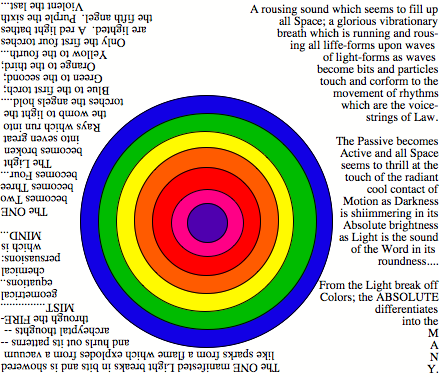
Children break off, like putre sparks from the sub-light. They run up to the four lighted torches -- and light sparklers.
(Children are born from the shadows of colors. They run up to the dark angels' lamps -- and light sparklers...)
The children run off, singing, shouting and laughing -- whirling the fire-light, bright and warm, through the spaces. At a point in the distance, Light and Darkness converge; Substance and Shadow become One; the whirling fire-balls conjoin. The positive nucleus and the negative electrons, in circular motion, are conceived by the vastness. The children whirl faster the fiery building of the thought-forms. Atom Kadmon is made manifest. They hurl the comets; they hurl the comets in to ellipse...
Jacob sees the Universe composed of Mental Matter. Constructed by Number. And ruled by the Angle. He perceives a Dodecahedron of Time-Space. It is the Perfect Square tripled. The Divine Thought in creation.
 It is Plato's prototype upon which the
Universe was patterned. Jacob sees
that Nature geometrizes in all her formations: the Point which is the Seed
expands from within without and becomes the Line...which becomes the
Triangle...which becomes the Square, the Cube.......which becomes the Circle,
which is three dimensions becomes the Sphereoid.
It is Plato's prototype upon which the
Universe was patterned. Jacob sees
that Nature geometrizes in all her formations: the Point which is the Seed
expands from within without and becomes the Line...which becomes the
Triangle...which becomes the Square, the Cube.......which becomes the Circle,
which is three dimensions becomes the Sphereoid.
ALL THINGS FOLLOW THE PROCESS OF MIND! Jacob cries. THE THOUGHT IS THE SEED! THE POWER OF WILL AND NUMBER BUILDS THE SEED TO ITS APEX!
Jacob is surrounded by geometric forms. Waves of light play off these forms. They give the image the feeling of substance.
Jacob cries: ALL SOULS ARE THE SAME AS THE ONE UNIVERSAL SOUL! ALL MINDS ARE BUT ONE MIND, TWO MINDS, ONE MIND! ONE MIND IN DIFFERENT STAGES OF FOCUS! REALITY IS TRULY AN ENDLESS POTENTIAL! IT IS PROTEAN IN NATURE -- WHICH THE ONE MIND CREATES! AND WHICH THE MANY MINDS DISCOVER! WE CREATE OUR OWN REALITY THROUGH THOUGHT! THE SUBJECTIVE BECOMES THE MANIFESTED WORLD FILLED WITH MOTION!
A dark-skinned man in a white robe with a shaved head appears before Jacob -- a diamond-like brightness. He holds a blue lotus in his delicate fingers. Around his neck is a gold chain. It has a serpent-like shimmer. He says: WHAT WOULD YOU LIKE TO ASK ME, JACOB?
Jacob cries: WHAT IS IT THAT EVER IS?
The man replies: SPACE - THE ETERNAL, PARENTLESS ANUPADAKA!
WHAT IS IT THAT EVER WAS? Jacob cries.
THE GERM IN
THE ROOT!
AND WHAT IS IT THAT IS ETERNALLY COMING AND GOING? Jacob asks.
THE GREAT BREATH!
THEN, THESE ARE THE THREE ETERNALS? Jacob enquires.
NO! the dark-skinned man responds. THE THREE ARE ONE! THAT WHICH EVER IS IS ONE; THAT WHICH EVER WAS IN ONE; AND THAT WHICH IS EVER BEING AND BECOMING IS ALSO ONE -- AND THIS IS SPACE...!
I DON'T UNDERSTAND WHAT YOU MEAN! Jacob admits.
The man says: THE ONE IS AN UNBROKEN CIRCLE WITH NO CIRCUMFERENCE, FOR IT IS NOWHERE AND EVERYWHERE: THE ONE IS THE BBOUNDLESS PLANE OF THE CIRCLE, MANIFESTING A DIAMETER ONLLY DURING THE MANVANTARIC PERIODS, DURING THE DAYS, THE PERIODS OF ACTIVITY! THE ONE IS THE INDIVISIBLE POINT FOUND NOWHERE, PERCEIVED EVERYWHERE DURING THOSE PERIODS OF AWAKENSS...! IT IS THE VERTICAL AND THE HORIZONTAL, THE FATHER AND THE MOTHER, THE SUMMIT AND BASE OF THE FATHER, THE TWO EXTREMITIES OF THE MOTHER, REACHING, IN REALITY, NO WHERE, FOR THE ONE IS THE RING AS ALSO THE RINGS THAT ARE WITHIN THAT RING! LIGHT IN DARKNESS; AND DARKNESS IN LIGHT! THIS IS THE BREATH WHICH IS THE RULER OF MOTION! THE BREATH PROCEEDS FROM WITHOUT INWARDLY, WHEN IT IS EVERYWHERE; AND FROM WITHIN OUTWARDLY, WHEN IT IS NO WHERE! IT EXPANDS AND CONTRACTS! WHEN IT EXPANDS, THE MOTHER DIFFUSES AND SCATTERS; WHEN IT CONTRACTS, THE MOTHER DRAWS BACK AND IN-GATHERS! THIS PRODUCES THE PERIODS OF EVOLUTION AND DISSOLUTION, OF MANVANTARA AND PRALAYA, OF WAKING AND SLEEP, WHICH GOVERNS ALL BEING! THE GERM IN INVISIBLE AND FIERY; THE ROOT (THE PLANE OF THE CIRCLE) IS COOL; BUT DURING THE EVOLUTION AND MANVANTARA, HER GARMENT IS COOL AND RADIANT! HOT BREATH IS THE FATHER, WHO DEVOURS THE PROGENY OF THE MANY-FACED ELEMENT (HETEROGENEITY); AND THEN LEAVES THE SINGLE-FACED ONES (HOMOGENEITY)! COOL BREATH IS THE MOTHER, WHO CONCEIVES, FORMS, BRINGS FORTH, AND RECEIVES THE PILGRIMS BACK IN TO HER BOSOM, TO RE-FORM THEM AT THE DAWN OF THE NEW DAY...!
THEN SPACE BREATHES? Jacob cries to the man. SPACE IS ALIVE...?
But the holy man is gone.
Jacob sees the One Ray of Light, which is Fire. This One Ray breaks down into sub-Lights. The sub-Elments are: Air (Gas); Water (Liquid); and Earth (Solid). These sub-elements, again, break down: Hydrogen (-Oxygen), Helium, and Lithium. These sub-elements again break down in to sub-Lights. They break down through the spectrum. Infinitesimally. Yet the Source is whole.
Jacob commpreheneds the Element of AEther. It is the realm of Sound. Cosmic Substance. Plasma. The first formation of matter.
A great force of lightning seems to fracture the darkness. This web of Light lights up a network of nerve-cells. It is the nervous system of space. Connecting the Great Mind to its limbus. Its opposite pole is the energy of Matter. These two are connected by the Force of Electrical Energy. And it is from this conjunction that Consciousness is born.
Jacob sees the electrical energy of Fire run down and imprint its message on the AEther. This has a photographic quality. The spirit of Life quickens Matter to Form. The prototype becomes a store-house of pictures. These pictures reflect their color-filled shadows on the world....
The Universe is a gigantic tapestry of Thought-Foms. Threads of colors all weave and connect, in timeless apparel, this great garment of Motion. As a spark of light breaks off from the Sun, still containing withint it the Sun's composition -- so, each thread of the Universe, each atom and cell structure, contains within it the entire picture and potential which is the sum of the Rhought-Form.
Each color in the tapestry has its own responsibility, its own special task, its own color, its own history, which will make the interweaving a whole. Individual lives are like tiny bits of these threads. They weave out a small pattern. They appear and disappear -- re-emerging in the fabric. There is no past or future tense here. All that ever was is. All that will be must follow.
A note has been sounded. This note is a thought. It echoes through spaces. Electrical Fire
down to
Man. All minds connect to the store-house of symbols. The note builds the symbols. The mind of Man seeks to find them. He translates the world in the silent language of symbols. He sees to re-discover, to re-build in his mind, the Shole of existence.
Man is a thought-form of chemical-spiritual lives. Together, each atom, builds the ever-becoming. We are all cells which weave Truth. Building stones used for construction of the Temple.
Jacob descends further in to the world of the image. He sees: Tatug, the Weaver. He laughs. He sees: the Fates weaving marvels. There is a march of a military band on the heather. Nicolai Lenin. Nietzsche standing beside a fallen horse. Hideyoshi laughitng: a great monkey-faced laugh. The curl of smoke. A lithe dancer with a long scarf. A poet in the gutter. King Richard with a bent leg. Darwin beside a pond, watching insects mate. And 300 Spartans surrounded by legions. He sees: Tammuz near a wild boar. Wild paintings on the Altamira cave-walls. Louis Pasteur. Catherine the Great. Van Gogh painting sunflowers. Peasants in the Sun Fields. Tilling Nature with Spring Songs. The Khyber Pass adorned with a blue rime. Climbing vines upon decaying stones. Masteer Po, embracing the reflection of the moon. An overweight woman with an axe smashing wine-casks. Huckleberry Finn. Finn McCool upon his ladder, about to fall. Dersu Uzala. Dolphins knifing through the cymbal-clashing blue waves. Ghandi at his weaving wheel. Purified Jizo who holds a crozier and a pearl. The sinking of the Bismarck. The stretch of steppes below a sky of timpani thunder turning turquoise. Raskolnikov. David Copperfield. A noose being hung from a tree in Wyoming. A trumpet and a black dragon. The melting of ice -- a Great Flood smashing Time Stones. The nest-building of a blue-bird. Panzers roaring across the plains of France. Alfred Dreyfus in rags amid rats in his dungeon cell. A mother nursing her child. A dog in a field chasing the shadow of a butterfly. Mithridates in the Boats. A Funeral March in a double-bass grayness. Chou Hsin watching captives fall and burn within the charcoal pit. Leonardo alone, overlooking the city. The march of the Huns. Abraham from Arba. Sargon, the child, in the ark in the rushes. Goebbels shouting to a crowd in the street. The spoke of Islam bowing thrice to its center. The son gof Nellie Bly. Cricket on the green. Joseph Smith with his Magic Glasses. The Amazon River in a rush through the densest of darkness. Aguirre on a raft, sailing toward El Dorado. East Indian Queen who copulates with a dead horse. Charles Swann walking along the Way de Guerrmantes with his daughter. The Rite of Spring. The Wind of Winter. Ole Roemer seeks to measure the velocity of Light. Eric the Red. The Red flag of the Russians. Xerxes before his mirror. The Acropolis at night-fall. Jove, changing the Pleiades in to stars. The swif knife of Kali. Astiivihad smiling. The spring of Jesse Owens. The bombs on Pearl Harbor. Rembrandt pondering Socrates' head. A hurricane pounding a grove and a village. The leaping of fish at flies in the twilight. The Tower of Babel. The song of the robin. Penetentiaries and guns. Jack Ruby, emerging and firing. Death at Sarajevo. A white man who carries a black man on his back. Time flying. Shakespeare weeping at the death of his son, Hamnet. the birth of a child. Bushes ripe with berries. Zarathustra kneeling in the shade of the Haoma. Maxwell measuring the length of the Light Wave. Statistical graphs. The note of C-Major. Marie Duplessis in the arms of Liszt and Dumas. Mao-tse-Tung with thousands through the mountains -- young boys and girls being led to his tent at dusk. Thomas Paine who sits beside a light and ponders the Rights of Man. Ppapul Gauguin in a dayadream. Chaka with a battle-axe, leading Zuluz. venus de Milo. Potteer's Fiedl. The City of the Prophet. Sommona-Cadom. Genitor Mussolini. Rifle frie from behind the Grassy Knoll. The tonal laughter of Rubenstein. The Sultan of Swat. Toussaint L'Ouverture. Marie Antoinette in her white negligee. A legion of warriors, led by Peter the Hermit. Regenbogen. Roentgen. The mallebility of History. A crow on a branch of the Katsura tree. TheSun on the Ocean. Mustar Gas in the trenches. Kappelmeister, the Titan. Doestoevski's dark corner. Wyeth's Karl with his polished buttons. Yorimoto on a horse before the ghost of his brother. Marx and Hegl, holding hands. Dyedushka Vodyanoy, who sits on the twelve-spoked mill wheelat midnight. The crucified savior Attis. The Swastika beneath an archaeus of flood-lights. Messalina surrounded by twenty-five lovers. Amiens Cathedral. Pompei in ashes. The runner with the new from Marathon. Amenhotep with his pure soul in its splendor. The theft of the Bishop's candle-sticks. Wheat on a skin of velvet. The fire-bombing of Cambodia. Pan with this pipe, the golden sunrise behind him. The pigmies of Andaman Islands. The Gentle Tasaday -- planning vengeance. Coca-Cola flashing neon. Ruolph Valentino is a casket in a long funereal procession. Elvis Presley. Muhammad Ali. The beaches of Normandy. A flock of seagulls scattering as the bells toll. Inanna's descent in to Hell. Mao-tse Tung molesting teen-age boys. Wotan's mountain hall of Heroes. Adrial Leverkuhn opening a locked door. Pandora Pandora. Leopole Bloom in the outhouse reading news. Toxic vapors. Mary, Queen of Scotts, in a tower. A bed of lovers -- Le Duc D'Anjou. A lover of flowers -- mediocre caller. Dried leaves. X-Rays. Penicillin. The metaphor of Cancer. The consumption of goods. The Pope in riches. Scarlet O'Hara in ruins. Moon-Day. Frei's Day. saturn's Day. Thor in his iron cutlets and belt and chariot of sparks and thunder-bolt hammer. Electricity. A kite flying toward Mars. Phtah: the Universal Soul. The Tree of Life. Bismillah, Bismuth, Salt land Sulphur. The sweep of snow. The pounding of hooves. The tyranny of credit. Aditi: The Womb of the World. THE MUNDANE EGG. The silveer lamp of Persepolis. The heliotrope. Daphne fleeing the Passion. The Albatross stitching the nylong sky with its whiteness. Shulamit -- the churning of the sea. The pulsing of blood. Tulips: the matrix of the girl. The Fire-Seed of Man. Immaculate Conception. The Sacred Cross in the Circle. The magnetic Earth. Ants. the Emu. Electric Eel. Theorum. Corrolary. A point which is no where: expanding for ever. Lupercalia. Ember Days. The melancholy Keats. Don Giovanni. The Bartered Bride. The Flying Dutchman. Ibsen's Enemy of the People. Our American Cousin. The sound of a gun-shot. George Washington's false teeth. Schiller though the mountains, overlooking the Po. The Armada in flames. White mice looting dinosaurs' eggs. Drums along the Mohawn. Australopithecus. The Geometry fo Alhambra. Joan ofArk in flames amid the snapping of timbers. Sacco and Vanzetti. The American Flag. The Plesitocene Age. A continent discarded. Ode to Joy from the heavens. The crocuses blooming. A fawn with a doe in an evening-tide meadow. A child beside her grandthater in a garden of tomatoes and beans. Wash flapping in the wind. Hamlet's Mill. The Gatlin gun. Neutron Bomb. Acid rain falling on the tall bricks of Berlin. An Ibis upon the shoulder of Isis. A golden hawn soaring through the rays of the red sun. Mars. Medieval Mars. Mercurious. Sultan Sulphur. A cobbler making wooden clogs. Maidens bathing in a Sacred Grove. Lunar lattitude. Constable's England. Gericault's raft of men. The Dante Symphony. The fahter home at eve from work in the mine. A fox on a terrace. Eclips of the Moon. L equals A plus (N minus 1) times d. Coffee Beans in Brazil. The Sahara at twilight. The shifting of the Earth Plates. Cock on his perch. Gulliver in chains. Blankets of Ssmall Pox. Custer face-down in the dust with his guns drawn. Rasputin the Monk. John's head on a platter. Mohammed against Mecca. Kanada, the physician. Linga stones along the highway. Soldiers of Cronwell marching toward the slaughter of Wexford. The furied face of a White-Tailed Kite. Sage Brush in delicate pink-tipped bloom. A cypress tree golden in autumn, standing like an anngel in the sky. The Day of the Locusts. Magnolia flowers. Loganberry Bush. Kafka, the clerk. The Last Days of Mankind. Yoknapatawpha County. Reynard the Fox. Fox and his Friends. Edison's moving picture. The Arabian Nights. The Sorrows of Young Werther. Water lilies dancing on Water Music vapors. The House of Luxembourg. Miss Natalie Clifford Barney, the Wild Girl from Cincinnati. The Mill on the Floss. Sun Yat-sen, the Fairy of Tranquility. Brunnhilde sleeping in the Circle of Fire. Jocasta i;n the arms of her son. Et Verbum caro factum est. Psyche with a lamp to view the nakedness of Cupid. Ho Chi Minh. Fidelio Castro -- a beard made of silk. The Gulag Archipeligo. Japanese families in a Utah Deterntion Center. The Fire-Bombing of Dresden. The destruction of London. Masturbating children. A dog in the hot dust. Watermelon rind. The spectre of guilt. Joe Christmas castrated by the Defenders of Faith. Ashes to Dust. Coal in the bones. Oil in the soil. Mercury baths and deserts of chloride. Western Nuclear Uranium bonds. The CRASSSSSSSSSSSHHHHHHHH of the stock market. Delicate Ophelia. Ammon -Ra, the Generator-God. The weeping of the reeds. The loss of illusion. Dreams of Flight. Father in his underwear. That first fresh touch of opposite flesh. Swing of incense; flash of candle. Man in the sand. Ivory hand on the child's head. Six thousand infant-skulls in a fishing pond in the heart of Rome. The bloodied tongs of Torquemada. Nautch-girls naked in the sun of a Temple. Noble Hypatia's flesh scraped to the bone by oyster shells -- the edict of Cyril. Hail-stones on the crops of summer. A condor sweeping through the layers of mists. Eroica sounding. Sain Matthew's Passion. Parsifal holding the Holy Graal and the Fire-Spear. The Home of the Heron. A Woman in White. Eakins' grim doctor standing near a corpse. Aurora on the ceiling. Pictures at an Exhibition. Left-handed sculptor carves the head of his daughter. Rikyu's chrysanthemums. Map of the Chinese Empire traced in quicksilver on the bronze floor of a tomb. The Monastery and the Clock. Illmarinen's steel eagle in Finland. Cyrano de Bergerac. Die Faust as a tool and a symbol of Mankind. The Hunter, wo becomes the Solider. Venus rewarding conquering Mars in her bed. The Dance of the Little Swans. Lucero, the Mad Unknown. The Shaman who prowls the fiery caves of the half-light. The drop of water down the white of a sink. A small boy who shares his pear with a beggar. Seven times Seven Sub-Elements of seven. Mendeleev's Classification Table. The path of Saturn, the Destroyer of Old Forms. Twenty-eight years. The arc of the Moon. Sister-Marriage of Egypt. The Invasion of Hyksos. The Story of the Shipwrecked Sailor. Chandragupta, the Wise. Two men playing chess. The Running of the Bulls throught he streets of Pamplona. Richard Nixon by a pumpkin. Silas Marner, the Weaver.
It is the repository of all the thoughts of the world.
And, at the heart of this source, is the World of Ideals.
Jacob cries: LIFE IS THE POINT WHICH EXPANDS FROM WITHIN WITHOUT! NOT-LIFE IS THE POINT WHICH TURNS IN ON ITSELF!
IN THE SPACES WITHIN THE HEART OF THE ATOM THE WHOLE OF CREATION EXISTS IN ITS VASENESS! EVERYTHING FOLLOWS THE PROCESS OF BREATHING! IN-OUT! INTERNAL-EXTERNAL! SLEEPING-WAKING! NIGHT AND DAY! THE LAW OF PERIODICITY RULES! THE LAW OF ECONOMY IS THE LAW OF MATTER! THE LAW OF ATTRACTION-REPULSION IS THE LAW OF THE SOUL! THE LAW OF SYNTHESIS IS THE LAW OF THE SPIRIT!
Jacob sees before him the seed of the lotus. It contains, even before it germinates, like the Thought in Abstraction, perfectly-formed leaves. These leaves are the Ideal, miniature shapes of what one day becomes the fully-formed plant.
IT IS THE SYMBOL OF THE UNIVERSE! Jacob cries in to the vastness. IT IS THE SYMBOL OF MAN, WHO EXPANDS FROM HIS EQUATORIAL POINT, HIS NAVAL!
A miniature child is seated on the crown of the flower. He says; I AM THE PURE LOTUS, EMERGING FROM THE LUMINOUS ONE! I CARRY THE MESSAGES OF HORUS! I AM THE PURE LOTUS WHICH COMES TO JACOB FROM THE SOLAR-FIELDS!
AND WHAT IS THIS MESSAGE OF HORUS YOU BRING ME? Jacob asks.
The child replies: THERE IS A LADDER OF SYMBOLS YOU CLIMB TOWARD GOD-HOOD!
There is a ladder before Jacob. Jacob's ladder. He begins to climb it. It leads to the center of the source of the Ether, the Plasmatic Condition. It is like a flower unfolding. Colors embrace him. They sparkle on his shoulders. Like bits of bright particles: they touch him and begin to cleanse him. One by one: blue, green, yellow, orange, red, violet, purple. Do -re - me - fa - so - la - tea. Doree me faust soul la-de-da.
Jacob climbs to the top of a mountain in darkness. But the darkness is really pure light, light without shadow. Light is coming from within. Is it Sinai, the Mountain of the Moon?
An ascentic monk sits near the Solar Stone. He looks up at Jacob. Jacob asks him: WILL YOU TELL ME ABOUT THE SEVEN ASPECTS OF MAN, OF GOD?
The monk smiles.
The monk says: THE FIRST FORCE OF NATURE IS CALLED PARA-SAKTI! IT IS THE SUPREME FORCE OR POWER! THE POWE3RS OF LIGHT AND OF HEAT! THE SECOND FORCE OF NATURE IS CALLED JANANASAKTI! IT IS THE POWER OF INTELLECT, OR REAL WISDOM-KNOWLEDGE! IT HAS TWO ASPECTS: ONE, WHEN PLACED UNDER THE CONTROL OF MATERIAL CONDITIONS, THE POWER OF MIND TO INTERPRET SENSATIONS: THE POWER IN RECALLING PAST IDEAS (MEMORY) AND OF RAISING FUTURE EXPECTATION: THE POWER ASS EXHIBITED IN WHAT ARE CALLED BY MODERN PSYCHOLOGISTS THE LAWS OF ASSOCIATION, WHICH ENABLES IT TO FORM PERSISTING CONNECTIONS BETWEEN VARIOOUS GROUPS OF SENSATIONS AND POSSIBILITIES OF IN CONNECTING OUR IDEAS TOGETHER, BY THE MYSTERIOUS LINK OF MEMORY, THUS GENERATING THE NOTION OF INDIVIDUALITY OR SELF! WHEN FREED FROM THE BONDS OF MATERIAL CONDITIONS, ITS MANIFESTATIONS INCLUDE: PSYCHOMETRY OR CLAIRVOYANCE!
Jacob (trying to take notes): YOU GOING A BIT TOO FAST!
THE THIRD FORCE OF NATURE, the monk continues, IS CALLED ITCHASAKTI! IT IS THE PWOER OF WILL! ITS MOST ORDINARY MANIFESTATION IS THE GENERATION OF CERTAIN NERVE CURRENTS WHICH SET IN MOTION SICH MUSCLES AS ARE REQUIRED FOR THE ACCOMPLISHMENT OF SOME DESIRED OBJECT! THE FOURTH FORCE OF NATURE IS CALELD KRIYASAKTI! IT IS THAT MYSTERIOUS POWER OF THOUGHT WHICH ENABLES IT TO T PRODUCE EXTERNAL, PERCEPTIBLE, PHENOMENAL RESULTS BY ITS OWN INHERENT ENERGY! ANY IDEA WILL MANIFEST ITSELF EXTERNALLY IS ONE'S ATTENTION IS DEEPLY CONCENTRATED UPON IT! SIMILARLY, AN INTENSE VOLITION WILL BE FOLLOWED BY THE DESIRED RESULT! THE FIFTH FORCE OF NATURE IS CALLED KUNDALINI SAKTI! THE GREAT SERPENT OF WISDOM! IT IS THAT POWER WHICH MOVES IN A CURVED PATH! IT IS THE UNIVERSAL LIFE-PRINCIPLE, WHICH MANIFESTS EVERYWHERE IN NATURE! THIS FORCE INCLUDES THE TWO GREAT FORCES OF ATTRACTION AND REPULSION! ELECTRICITY AND MAGNETISM ARE BUT MANIFESTATIONS OF IT! THIS IS THE POWER WHICH BRINGS ABOUT THAT CONTINUOUS ADMUSTMENT OF INTERNAL REALTIONS TO EXTERNAL RELATIONS (WHICH IS THE ESSENCE OF LIFE), AND THAT CONTINUOUS ADJUST OF EXTERNAL RELATIONS TO INTERNAL RELATIONS (WHICH IS THE BASIS OF TRANSMIGRATION OF SOULS)!
WAIT! THAT IS AN IMPORTANT POINT! Jacob cries.
THE SIXTH FORCE OF NATURE IS CALLED MANTRIKA-SAKTI! IT IS THE POWER OF THE SOUND: LETTERS, SPEECH OR MUSIC! THE SEVENTH FORCE OF NATURE IS CALLED DAIVI-PRAKRITI: THE LIGHT OF THE LOGOS! IT IS THE UNITY OR THE PRIMARY WHICH SYNTHESIZES THE SIX FORCES!
I'M NOT GETTING ALL OF THIS DOWN! Jacob cries.
a living, conscious entity is at the head of
each of thwse forces, of whch entity each force is merely an emanation!
THEN THESE SEVEN FORCES ARE THE SEVEN ANGELS OF LIFE? Jacob asks.
THEY ARE THE SEVEN ANGELS OF LIFE! AND THE SEVEN DEMONS OF LIFE! DAEMON EST DEUS INVERSUS! the monk replies.
AND WHAT OF THE FOUR GUARDIAN ANGELS OF LIFE? Jacob asks.
The monk points at a sky-light. Again, the cross in the circle appears.

The monk says: TWENTY-EIGHT DAYS OF THE MOON'S MAGIC CYCLE DIVIDED IN QUARTERS LEAVES US SEVEN! THE MOON IS THE GODDESS OF DEATH AND CREATION! SHE IS THE SON'S MOTHER! WHO IS THE FATHER OF THE EARTH! THE SUN VIVISECTS THE EARTH IN ITS QUARTERS! THE FOUR SEASONS ARE, THUS, BORN! WHICH ARE THE RULERS OF THE ANGLES!
Jacob looks in to the blazing of the sun. There is a figure in the First Quarter. It is a Dragon, who has the face of a Man. It is Raphael, the Archangel: who guards with his sword the Equinox of Spring. Uriel, the Ox, guards the Solstice of Summeer. Michael, the Lion, guards the Equinox of autumn. And Gabriel, the Eagle, guards the Solstice of Winter.
AND HOW DO THEY RULE? Jacob cries to the priest.
DON'T YOU KNOW? the priest calls back.
IS IT THROUGH THE ADMUSTMENT OF ELECTRO-MAGNETIC FIELDS? Jacob response.
The monk smiles gently.
IN SPRING! Jacob begiins, OPPOSITES ARE MADE TO ATTRACT, IN ORDER TO CONTINUE THE SPECIES! IT IS THE LAW OF ATTRACTION-REPULSION WHICH RULES...?
THERE IS AN EBB AND FLOW OF ALL OF LIFE'S FORCES!
The monk is gone.
Jacob cries: THE SUN CORRESPONDS TO THE ATOM IN THE HEART OF MAN! IT READIATES OUT HEAT AND LIGHT IN CONCENTRIC CIRCLES! IT RULES WITH ITS MAGNET! IT IS THE CENTER-POINT OF BEING!

A comet is hurled through the depth of atomic space. It is the Messenger who carries the seed of life to the planet. The electric charge given the electron. The Spirit of the Fire of Mind guides the comet. It breathes its Life upon the caporized being. And buries the amino acids in the water womb of the Earth.
The Five-Pointed Star is printed on the Spheroid.
It is the advent of Man. Man on his Fourth Round of Earth.
Jacob discovers a piece of cloth in his hand. It is the cloth which was torn from Isaac Amatof's robe. Thre is a drawing on this ragged garment. Jacob looks at the drawing:
Jacob cries out: ARE THE PLANETS, THEMSELVES, THE SEVEN ANGELS WHICH GUIDE US? ARE THE PLANETS THE GODS -- THE BUILDERS OF MANKIND...?
Young girls in downy white dresses are dancing in a meadow. They play in a grove of elm trees. Someone is playing a flute.
One of the girls approaches Jacob. She speakds to him in the voice of a man. She says: IF IT IS TRUE THAT WE ACQUIRE OUR KNOWLEDGE BEFORE BIRTH, AND LOSE IT AT THE MOMENT OF BIRTH, BUT, AFTERWARD, BY THE EXERCISE OF OUR SENSE UPON SENSIBLE OBJECTS, WHICH IS REALLY BUT THE PROJECTION OF OUR HIDDEN MIND UPON THE LANDSCAPE, RECOVER THAT KNOWLEDGE WHICH WE ONCE HAD BEFORE....I SUPPOSE THAT WHAT WE CALL LEARNING IS REALLY BUT THE DISCOVERY OF OUR MEMORY OF THINNGS -- DO YOU BELIEVE THAT IS TRUE?
The child smles at Jacob. She points in to the air above him. Three spheres allign to form an inverted triangle.
The child cries: WHEN THE MOON IS FULL, THE MOTHER-DAUGHTER MENSTRUATES! THE BLOOD OF ADAM IS POURED IN MAGNETIC STREAMS OF LIGHT WHICH NOURISH HIS LIGHT-FORCE! THE MOON IS TH WOMB WHICH HOLDS THE SEEDS OF CREATION! IT IS THE HOLY OF HOLIES! IT IS THE GUARDIAN OF CHILDBIRTH!
AND WHAT IS THE BLOOD? Jacob cries to the child.
The child replies: THE BLOOD IS THE ELECTRIC, VITAL CURRENTS OF FLUID WHICH FLOW THROUGHOUT THE VEINS OF SPACE -- AND WHICH FEED BOTH NOURISHMENT AND DISEASE TO THE TISSUES! IT IS THE CREATOR AND DESTROYER, BY TURNS, OF ALL LIFE-FORMS!
She hand Jacob a drawing:
The child cries: SEVEN BRNACH-RACES MAKE ONE SUB-RACE! SEVEN SUB-RACES MAKE ONE ROOT-RACE! SEVEN ROOT-RACES MAKE ONE WORLD-PERIOD! SEVEN WORLD-PERIODS MAKE ONE ROUND! SEVEN ROUNDS MAKE ONE CHAIN PERIOD! SEVEN CHAIN-PERIODS MAKE ONE PLANETARY-SCHEME! TEN PLANETARY-SCHEMES MAKE ONE SOLAR SYSTEM!
The child is gone.
Jacob is standing on the waters of an ocean.
A voice calls from the velvet violet airs which surround Jacob: THIS WORLD WAS DARKNESS, UNKNOWABLE, WITHOUT FORM, BEYOND REASON AND PERCEPTION, AS IF UTTERLY ASLEEP! THEN THE AUGUST AND SELF-EIXSTEN BEING, HE WHO NEVER UNDOLDEDD, HAVING UNFOLDING THIS UNIVERSE UNDER THE FORM OF THE GREAT ELEMENTS AND OTHERS, HAVING SHOWS HIS ENERGY, APPEARED TO SCATTER THE SHADES OF DARKNESS! THIS BEING, WHO ONLY THE SPIRIT CAN PERCEIVE, SUBTLE, WITHOUT DISTINCT PARTS, ETERNAL, INCLUDING IN HIMSELF ALL CREATURES, INCOMPREHENISBLE, APPEARED SPONTANEOUSLY! WISHING TO DRAW DIFFERENT CRETURES FROM HIS BODY, HE FIRST, BY THOUGHT, PRODUCED THE WATERS AND DEPOSITED HIS SEED IN THEM! THE SEED BECAME A GOLDEN EGG, AS BRILLIANT AS THE SUN, IN WHICH HE, HIMSELF, WAS BORN, UNDER THE FORM OF BRAHMA, THE FIRST FATHER OF ALL WORLDS!
THE WATERS ARE CALLED NARAS, THEY ARE THE DAUGHTERS OF NARA; AND, SINCE THEY WERE HIS FIRST DWELLING PLACE (AYANA), HE TOO THE NAME NARAYANA! FROM THIS ETERNAL CAUSE, INDISTINCT, INCLUDING IN ITSELF BEING AND NOT-BEING, CAME THE MALE PRINCIPLE, KNOWN IN THEE WORLD BY THE NAME OF BRAHMÂ! IN THIS EGG, THE BLESSED ONE REMAINED A WHOLE YEAR; THEN, OF HIMSELF, BY THE EFFORT OF HIS THOUGHT ALONE, HE DIVIDED THE EGG IN TWO! FROM THE TWO HALVES OF THE EAGG HE MADE HEAVEN AND EARTH, AND BETWEEN THEM AIR, AND THE EIGHT CARDINAL POINTS, AND THE ETERNAL ABODE OF THE WATERS! FROM HIMSELF HE DREW THE SPIRIT, INCLUDING IN ITSELF BEING AND NOT-BEING; AND FROM THIS SPIRIT HE DREW THE FEELING OF SELF, WHICH IS CONSCIOUS OF PERSONALITY AND IS THE MASTEER OF FORM! AND ALSO, HE DREW FROM THE SPIRIT THE GREAT PRINCIPLE OF SOUL, WHICH IS THE VEHICLE OF SPIRIT WHEN CONNECTED WITH MATTER; AND ALL OF THE OBJECTS WHICH POSSESS THE THREE QUALITIES; AND, SUCCESSIVELY, THE FIVE ORGANS OF THE SENSES WHICH PERCEIVE MATERIAL THINGS!
THE SOVEREIGN MASTER, WHO EXISTS THROUOGH HIMSELF, THEN DIVIDED HIS BODY IN TO TWO HALVES, MALE AND FEMALE, NATURE ACTIVE AND NATURE PASSIVE; AND FROM THE UNION OF THESE TWO PRINCIPLES, VIRADJ, THE SON, WAS BORN -- WHO IS THE PROTOTYPE OF THE SUN!
A tattered man lying on a raft drifts past Jacob. His body is naked and bruised and inflated. The sun steams on his parched flesh. He appears to be dead.
Jacob leans over
and touches his shoulder. The
young man awakens. He reminds
Jacob of Ishmael -- but it is Benjamin, Jacob's son. Benjamin cries to his father: METHINKS WE HAVE HHUGELY
MISTAKEN THIS MATTER OF LIFE AND DEATH!
METHINKS THAT WHAT THEY CALL MY SHADOW HERE ON EARTH IS MY TRUE
SUBSTANCE! METHINKS THAT IN
LOOKING AT THINGS SPIRITUAL, WE ARE TOO MUCH LIKE OYSTERS OBSERVING THE SUN
THROUGH THE WATER, AND THINKING THAT THICK WATER IS THE THINEST OF AIR! METHINKS, AS WELL, THAT MY BODY IS BUT
THE LEES OF MY BETTER BEING! IN
FACT, TAKE MY BODY WHO WILL -- TAKE IT, I SAY -- FOR IT IS NOT MYSELF! THEREFORE I SAY UNTO YOU: THREE
CHEERS FOR NANTUCKET; AND COME A STOVE BOAT AND STOVE BODY WHEN THEY WILL --
FOR STAVE MY SOULD, WHO CAN DO THIS...!
Jacob attempts to grav a hold on the man.
The man slips from the raft and sinks in to the water, disappearing from view.
Jacob's footing gives way. He falls. He falls throuogh the swell and the stiching of the green waves, ocean-tide roaring and sound in their streaming like currents of bells playing tolls through the mapping sweet clapping of tongues on the tim-plates of titanic sweeping. Throuogh Tiem like the shades of Dominion which sit on the steeple-like pins of a piping drawn deftly through whipering bells of lamentia. Like coral and crimson in the clay-brown Dementia. THE WATERS OF NARA ARE T HE AKASHIC OCEANS OF SPACE! Plasma, Plasma, who's got the plasma? THE ORIGIN OF SPECIES IN A TIMELINE CAESURA-LIKE PRANCING OF MIND THROUGH THE CAVERNS OF MATTER! Say again! TIME STRETCHES ENDLESSLY IN THE MEASUREMENT OF LIGHT WAVES! Shadows HUGE like tyhe TITANS and siren-sounds luring passion-filled men to his playground. Graveyard stones placed in a circular season: pulsating rhythm-beats touching their waves on the stone-ground. I see fish of every design and distinction. RADIATION PROVIDES FOR THAT GREAT QUANTUM LEAP IN THE FEAT OF EVOLUTIONARY PROGRAM PREGRESS OF MATTER. A staved boat in the gulley; and the bones in the netting. The motherless child sings the wheel of his moaning while servants serve lords and missionaries hold flowers. And the breathing is endless. IS THAT WHAT YOU SEE? Steelhead in the steel in the glint of blue water. THE OCEAN OF COSMIC MATTER IS TOUCHED BY THE ELECTRICAL CURRENT, THE TWO-HEADED SERPENT OF FIRE! Oh, carry the clutch and the cash and the croppers down starrybrook ane past the wheat in its weeping, downwind from the willful grim soldiers who carry their tokens of fortune in the mmonlight like beacons....past strawberry garments and gales and the squall-hunt, past portraits of streamers and steamers with cargo....a white-fingered mistress in a shell house is calling to soiled retiring railroad crews who laught in their fright, consummate and communal! WHAT HAPPENED TO CHRONOOS, THE GREAT FATHER TIME, WHO SPITS OUT AND SWALLOWS THE GODS OF CREATION -- WHO ARE HIS CHILDREN? A blond-headed, blue-eyed man with a lance stands alone -- in the splendor of silence, in the dance as it breaks. His naked body gleaming in the white eternity of the Sun's face. He cries (and the Echo scrapes the spine of the valley down below:) IN THE BEGINNING WAS A GREAT ABYSS -- CHAOS -- NEIGHER DAY NOR NIGHT EXISTED! THE ABYSS WAS GINNUNGAGAP, THE YAWNING GULF, WITHOUT BEGINNING, WITHOUT END! ALL-FATHER, THE UNCREATED, THE UNSEEN, DWELT IN THE DEPTH OF THE ABYSS OF SPACE -- AND WILLED -- AND WHAT WAS WILLED CAME IN TO BEING. The World as Will and Idea has its blossoms. Broken in the shae of a magnolia sharpened to puncture the haze and embrace the golden heat....a sign in a heap where the children once played, where the FLASH burned the pinkn ess, and where the copper was charred.... A thick-faced old woman in a black gown surrounded by lights all in bursting hurling out phrases of insight; a Russian-faced woman who stands in the twilight, one foot in the darkness, one foot in the light. She cries: IMAGINE THE MOON (OUR SATELLITE) POURING FORTH IN TO THE LOWEST GLOBE OF OUR PLANETARY RING -- GLOBE D, OUR EARTH -- ALL ITS LIFE, ENERGY AND POWERS; AND, HAVING TRANSFERRED THEM TO THE NEW CENTER, BECOMING VIRTUALLY A DEAD PLANET, IN WHICH ROTATION HAS ALMOST CEASED SINCE THE BIRTHOF OUR GLOBE! THE MOON IS NOW THE COLD RESIDUAL QUANTITY, THE SHADOW DRAGGED AFTER THE NEW BODY,INTO WHICH HER LIVING POWERS AND PRINCIPLES ARE TRANSFUSED! SHE IS NOW DOOMED, FOR LONG AGES, TO BE EVER PURSUING THE EARTH, TO BE ATTRACTED BY AND TO ATTRACT HER PROGENY! CONSTANTLY VAMPIRISED BY HER CHILD, SHE REVENGES HERSELF ON IT BY SOAKING IT THROUGH AND THROUGH WITH THE NEFARIOUS, INVISIBLE, AND POISONED INFLUENCE WHICH EMANATES FROM THE OCCULT SIDE OF HER NATURE! FOR SHE IS A DEAD, YET A LIVING BODY! THE PARTICLES OF HER DECAYING CORPSE ARE FULL OF ACTIVE AND DESTRUCTIVE LIVES, ALTHOUGH THE BODY WHICH THEY HAD FORMED IS SOULLESS AND LIFELESS! THEREFORE, ITS EMANATIONS ARE AT THE SAME TIME BENEFICIENT AND MALEFICIENT! Hark, the Carrier of Rage in his shadow-filled Mars-time and tempo like a trumpet approaches to scatter the winds. Distributing the seeds of the sand on the dry-bone, and shattering the wheels in the weeds by the marshes! THE CLIMATE REFLECTS THE DESIRE-NATURE OF ITS PEOPLE! THE SPIRIT IS DRAINED FROM THE EAST TO THE WEST! What? THERE IS THE GIANT! Slaves and paupers and ship-mates run; and clerks carry cardboard and merchants sell mercaptan...wives carry pictures of babies in blue-cloth, as babies cry tear-drops, and girls weep for pleasure! WHERE IS THE GIANT GOING? Which giant? ORGELMIR! The giant Orgelmir, he of fire and ice, filled the veins of the earth with the flow of his blood. A great Deluge was seen; the race of Giants was drowned -- except for Bergelmir, who was in the ark with his wife...! WAS THAT THE JEWISH GIANT? No, that was Burgher Elmer! AHH! YOU CAN LAUGH! NICE! WAS THAT DELUGE THE PRIMORDIAL ELEMENT IN ITS FIRST DIFFERENTIATION THEN? The primordial element, in its first differentiation, created Orgelmir, the first man, which, in further elemental differentiation, created the men of the Earth, the first being Tuisto (the two-sexed being), and the scond being Tuisto's son, Manu (Man endowed with Thought and Will)! The flesh of Orgelmir became the land, his blood the great seas, his bones the mouontains, his hair the trees! His skull was raised on four great pillars. It became the vault of the heavens. The sparks thrown off from the fire became the stars! In the large circle there is a small circle. Oh, wish in the waves of the heat in the breathing like a coil stretched from NO WHERE through the Land of Enchantment! ALLLIVES ARE LEGENDS! ALLLEGENDS ARE ANATONY! ALLANATONY IS MERELY ALLEGORY! Allan Atomy is which? ROCK OF THE CORE! One plus one equals two. But does one cease existing because it has changed its nature and become two? AHH, THE PHALLUS OFFICER HAS RETURNED! Tantamount to which apocalypse? AT LANTERNED NEONS FOULING HUNTER WETTER! Wish? IS THAT PRETTY DIANA IN THE SKY, REMOVING HER UNDER GOURMANDS? Oh, dreams of the world wear the whip of a notion which rips through the mystic blue veil of the mistress who stands in a bath, the music moon at her becking, to steer at the star-light, to carry pearls on her necklace. The pace of the flow and the fire-casks of fortune lie trampled by Time and the spikes of cold rhyming, like Night Gods who roast in the heat of the Fire Sea, like plants in a desert, like cones, in a dry-box. A nocturne pours from the wound in the ribbing: THERE IS NO MERILY DAY, WHERE THERE IS NO COMPLETION! Me cup pure muoned! Wish vice hour year usar in! COMPRENDE? A parroting raven-headed crow on a branch cawwwws at Nothing. A juggler in the weeds cries: ADITI IS THE SKY, THE AIR, THE FIVE NATIONS! SHE IS MOTHER OF THE GODS AND THE PAST AND THE FUTURE! Amen, Hotep -- step sideways wecher danzig! WHAT? Watch your dick, son -- YOU ARE SPEAKING A...UNIVERSAL PARITY! Aditi is Endless Space, the first emanation. She holds hands with Sephira. She is the waves of Akasha. POOR NOAH! IS HE DRINKING YET OR BUILDING? A white-robed man in a laboratory twitches, with time-piece and time-past, with stains on his smocking. LET ME TAKE HIS ROLE! HE CRIES (THIS MOCKING SMOKER): HERE ARE TWO ELEMENTS OF THE UNIVERSE! ONE IS PONDERABLE MATTER; THE OTHER IS THE ALL-PERVADING ETHER, THE FIRE OF THE SUN. THE LATTER IS WITHOUT WEIGHT, SUBSTANCE, FORM OR COLOR; ITIS MATTER INFINITELY DIVISIBLE; AND ITS PARTICLES REPEL EACH OTHER! ITS RARITY IS SUCH THAT WE HAVE NO WORD FOR IT, EXCEPT ETHER! IT PERVADES AND FLOODS SPACE; BUT, ALONE, IT TOO IS QUIESCENT -- DEAD! WE BRING TOGETHER THE TWO ELEMENTS, THE INERT MATTER AND THE SELF-REPULSIVE ETHER -- AND, THEREUPON, PASSIVE PONDERABLE MATTER IS VIVIFIED! You are losing me! WELL, RACE TO CATCH UP THEN, MR. HEINZ! SUN-FORCE OR ETHER IS A SELF-ACTIVE PRINCIPLE! FOR ITS OWN PARTICLES IS HAS REPULSION! FOR THE PARTICLES OF PONDERABLE MATTER, IT HAS AFFINITY! IT ATTRACTS THE PARTICLES OF PONDERABLE MATTER WITH FORCES WHICH VARY INVERSELY AS THE SQUARES OF THE DISTANCE! Oh, crap! Will this require a knowledge of geometry? THUS, ETHER ACTS THROUGH PONDERABLE MATTER! IF UNIVERSAL SPACE WERE FILLED WITH SUN-FORCE ALONE, THEN ETHER (THE MASCULINE, ACTIVE PRINCIPE IN THIS CASE) WOULD ALSO BE INACTIVE, AND WOULD CONSTITUTE A BOUNDLESS OCEAN OF POWERLESS OR QUIESENCENT ETHER, BECAUSE IT WOULD THEN HAVE NOTHING ON WHICH TO ACT; WHILE PONDERABLE MATTER, HOWEVER INACTIVE OF ITSELF, HAS CERTAIN PROPERTIES BY WHICH IT MODIFIES AND CONTROLS THE ACTIONS OF SUN-FORCE, BOTH OF WHICH ARE GOVERNED BY IMMUTABLE LAWS THAT HAVE THEIR ORIGIN IN THE MUTUAL RELATIONS AND SPECIFIC PROPERTIES OF EACH! I didn't realize this would get so....technical! BY THE ATTRACTION OF ETHER FOR PONDERABLE MATTER, ETHER UNITES AND HOLDS TOGETHER ALL THINGS; BY ITS SELF-REPULSIVE ENERGY, IT SEPARATES AND EXPANDS, AND DISSOLVES THE MANY FORMS! THE HUMAN BODY IS CHARGED WITH ETHER; ITS MINUTST PARTICLES ARE HELD TOGETHER BY IT! THE PLANT IS CHARGED WITH THE SAME CONDITION; THE MOST SOLID EARTH, ROCK, ADAMANT, CRYSTAL, METAL ARE ALL THE SAME! THERE ARE DIFFERENCES IN THE CAPACITIES OF DIFFERENT KINDS OF PONDERABLE MATTER TO RECEIVE SUN-FORCE; AND UPON THIS DEPENDS THE VARIOUS AND CHANGING CONDITION OF MATTER: THE SOLID THE LIQUID, THE GASEOUS CONDITIONS! My pen is running out of ink! I'm afraid you are going much too fast for me to keep up! SPEAK MORE SLOWLY THEN! Prometheus carries a brand of holy fire enclosed in a hollow stalk-like trunk down to Man. He carries a torch lit at the Wheel of the Sun! THIS GIFT OF FIRE WILL MAKE YOU LIKE A GOD -- THAT IS WHAT IS WRITTEN! Pururavas receives the dish of fire from Gandharvas. Three flames dart up from the sacrificial dish. They are the three aspects of the One Eternal Flame. Their names are: Electric Fire; Solar Fire; and Material Fire (or Fire-by-Friction)! AGNI'S ORBIC GOLDEN THRONE IS A PRISM WHICH CARRIES LIGHT IN TO THE KINDGOM! IT MEDIATES BETWEEN CAUSE AND EFFECT! SOLAR FIRE OF THE MIND IS THE BREATH OF THIS AGNI! A teacher is standing beside a board with a piece of chalk. He says: IF THERE BE ANY QUESTIONS CONCERNING THIS MATTER, WHETHER TECHNICAL OR VENIAL, WHETHER RELATED TO LIFE IN GENERAL OR TO THE PATTERNS OF LIFE'S GENERAL MYRIAD CONFUSIONS...MULTI-LAYERED IN ITS ASPECTS AND MANY-COLORED AND SYMBOLIC ORIGINS....LIKE SO MANY SYMMETRIED IMAGES CUT FROM THE CLOTH OF IMPETUOUS MIND, SKETCHED ON THE DELICATE WORLD IN TONES TOTALLY UNKNOWN TO OMAR KHHYAM, LET ALONE TO HIS BROTHER, THE BLIND PROPHET WHO WANDERED ALONE THROUGH THE LEVEL CLOTHS OF ABYSSINIA, REJECTED BY ALL COMMUNITIES HE FOUND, ALWAYS SEEKING THE PHILOSOPHER'S STONE OF CONTENTMENT...WHO MET AN ALBINO WOMAN ALONG THE STRAITS OF A NEON BANQUET OF SILENT NIGHTS --HOLYOPOLOUS I BELIEVE IT WAS -- LEERING SHE WAS, ON THE HOT COBBLESTONE PRIORY'S APPROACH, EVENING FALLING, HER LIPS SWOLLEN, HER MOUTH FILLED WITH POPPIES, SPEAKING SMILES ONLY,...THE STRINGS OF HER GARMENT UNBOUND, THE SMELL OF A SPRING-TIME MIST ON HER FINGERS, AS SHE BECKONED THE CHILDREN FROM THE SWEET WORLD WELL, A NIGHTINGALE SONG SHE SANG TO PERFECTION...THE CHILDREN RUSHED TO HER SIDE, SINGING LAKES FILLED WITH BELL-TONES; THEY CLUTCHED AT HER GARMENT, THEIR SMILES WHITE WITH RELISH....SHE SAID TO THE CHILDREN: ALL OF THE GODS ARE DOUBLE-SEXED BEINGS! The chorister cries: ETHER, THEN, WHICH IS FEMININE IN ONE ASPECT, AS COSMIT MATTER, THE MATE OF AKASHA, THE HOUMENON OF ALL -- BECOMES MASCULINE IN ITS RELATION TO PHYSICAL FORM.... AIR IS THE DAUGHTERE OF ETHER -- YET THE FATHER OF FIRE! FIRE IS THE DAUGHTER OF AIR -- YET THE FATHER OF WATER! AND WATER IS THE FEMININE RELATION TO FIRE -- YET IT IS THE FATHER WHICH NOURISHES THE EARTH! Patriarchal Jacob in a heap of his sleeping weeping lies beneath a winding staircase which angels ascend and descend at will! WHAT? The torchman, near his tower, creis: FPIRIT FALLETH IN TO MATTER; MATTER RISETH AGAIN INTO SPIRIT! THE ANGELS ARE THE ELEMENTS WHICH COMPOSE ALL CREATION! THEY CREATE AND DESTROY FORMS! DECOMPOSE! AND ARE FREED! The angels decompose? Decompose what? YOU ARE NOT PAYING ATTENTION? Mercury from the Wind, wingèd rings with a raised cadeuceus, lights the path of the Souls to the netherland Earth. Set, the dark-faced brother, cuts Osiris, the light, in to fourteen pieces -- scattering Elemental Man to the Wind. BUT WHERE GOES THE PHALLUS? THE MAGIC WAND OF CREATION? Chronos awakens to the Sound of the Word. He castrates his father, Eternal Duration. And he uses the magic power -- ONE -- in creation. THEN THE ONE IN THE ZERO,
WHICH IS THE CONTAINER OF ALL THINGS -- THE NUMBER 10 IN ITS FULLNESS -- WHICH IS THE SYMBOL OF THE UNIVERSE -- DOES THIS NUMBER, THIS GLYPH, REPRESENT THE PENIS INSIDE THE WOMB? Or the child inside the womb. AREN'T THESE THE SAME THING? It is a symbol to express the magic whole of the creation. AND THE DIVISION OF THE CIRCLE IN TO DIAMETRIC PARTS. Dualistic parts? THE TWO IN ONE AGAIN. THE TWO BACK INTO ONE. There are seven pearl-encrused keys which open the doors to the greatere mysteries of life. And each key must be turned seven times. And there are three separate locks which most be opened on each. WHAT ARE THESE LOCKS? The locks are: the Exoteric, or objective; the Esoteric, or subjective; and the Spiritual, the lock which leads to the heart of things. WHAT ARE THE KEYS THEN? These are the keys: the Physiological, the Psychological, the Astronomical-Astrological, the Metaphysical, the Symbolical, the Geometrical, and the Numerical. THE CELLS OF THE BODY REGENERATE EVERY SEVEN YEARS. IN ACCORD WITH THE LAW, TO PRODUCE A NEW AGE! Seven is the Age of Reason; Fourteen is the Age of Puberty; twenty-one is the Age of Manhood-Womanhood; at twenty-eight Siva-Saturn returns as the Destroyer, shaking a man loose from his childhood, and sending him on in to his serious life. With a jolt of electricity. WHAT DOES HE DESTROY? Siva-Saturn is the patron of mystics and scholars. He destroys the old physical forms and attachments. And he tears open the veil which leads back in to the Garden. AND WHAT HAPPENS AT THRITY-FIVE? At thirty-five, the cells, hitherto creators, become destroyers, and begin to feed off one another. IS THAT REALLY TRUE? AND AT FORTY-TWO? As a man climbs a moutain, so he must descend it. Aditi pulls from her radiant body seven fine sons, and casts the eighth one away. The eighth is Marttanda, the Sun of the brothers. The seven fine sons are Planetary Lords. Seven distinct vibrations ringing, a spectral encircled command of the Atom -- which, in the Realm of Sound, are the seven notes of the musical scale. And, in the Real of Chemical-Physical distinctions, are (arranged by atomic weights, in numerical relations): the seven Sons of Aditi; the Eights being the First, yet one octave Lower. Or higher, depending upon your station and perspective. I DON'T UNDERSTAND! A man beside a spectroscope cries: IT HAS BEEN ESTABLISHED THAT, FROM THE STANDPOINT OF THE PHENOMENAL LAW, UPON WHICH OUR KNOWLEDGE RESTS, THE VIBRATIONS OF SOUND AND LIGHT INCREASE REGULARLY, THAT THEY DIVIDE THEMSELVES IN TO SEVEN COLUMSN, AND THAT THE SUCCESSIVE NUMBERS IN EACH COLUMN ARE CLOSELY ALLIED -- THAT IS, THEY EXHIBIT A CLOSE RELATIONSHIP WHICH NOT ONLY IS EXPRESSED IN THE FIGURES THEMSELVES, BUT ALSO IS PRACTICALLY CONFIRMED IN CHEMISTRY AS IN MUSIC, IN THE LATTER OF WHICH THE EAR CONFIRMS THE VERDICT FO THE FIGURES! THE FACT THAT THIS PERIODITY AND VARIETY IS GOVERNED BY THE NUMBER SEVEN IS UNDENIABLE. AND IT FAR SURPASSES THE LIMITS OF MERE CHANCE. AND IT MUST BE ASSUMED TO HAVE AN ADEQUATE CAUSE, WHICH CAUSE WE MUST ENDEAVOR TO DETERMINE. The positive nucleus is surrounded, potentially, by seven rings of electrons. These electrons form the borders of the seven skins of space. IN THE MACROCOSM, THE SOLAR SYSTEM, THIS ATOM IS REPRESENTED BY THE POSITIVE SUN, AND THE SEVEN RINGS OF THE PLANETS. IN THE MICROCOSM, MAN, THIS ATOM IS THE PERMANENT ATOM OF THE HEART, AROUND WHICH REVOLVE THE SEVEN PRINCIPLES OF MAN.

The most distant emanation of the nuclear whole is dense matter. The intense heat, caused by the friction of these seven different planes of electrons, each moving at a different rate, blends with the positive Sun-Force or Ether. Thus, the negative electron attracts the position Ether; and passive, laten matter is brought in to action. A balance is set up between the play of these positive and negative forces. A centripeal-centrifual harmony unfolds. This harmony established between the force of opposite poles is, itself, a god, in the role of Preserver (Vishnu) -- for, without this struggle of opposites, all things fall in to dissolution.

AND WHAT IS THE NATUE OF THE DEATH OF THIS MATTER? Each Atom or Soul begins its long jouorey as each electron begins in the nuclear cloud, chapeless and unformed, which contained all the varying states of matter within it, in a broken-up state, independent from one another yet very closely packed...this primal keernal, womb or mind became so hot, so dense and highly-charged, that it exploded, sending the primordial particle-waves flying. So the Soul began its journey in to densest manifestation in the seventh ring of electrons. It passed through the seven states of Spirit-Matter, each new state outward being coarser and more dense than the last. Each ring of electrons represents a point of differentiation -- a different "mind" at work -- and each transition between planes represents a zero point, beyond which the elemental forces combine to create each new ring or planne, which is the shadow of its predecessor. The rate of vibration of each electron in each ring is the key which determines its place in the spectrum. The enegy on the Inner Planes is much more intense than on the outer rign of matter; yeet the struggle set up between the opposite poles creates a constant agitation through which ceertain electron-souls, unable to maintain the high rate of vibration, demanded by a certein Electrong Ring, are thrown out, impelled by the force of circulat motion, in to the vortex beyond, an outer place of existence. When the Atom-Soul reaches the seventh plane of differentiation, the material plane, its vibration has been reduc ed to such a point that it becomes trapped in the densest of material forms: the mineral. It, thus, begins on the Earth as the lowest of forms, rising gradually through the kingdoms of Nature, in accordance with its incrased rate of vibration. When its vibration is such, that is, in such a balanced state, when the Desire Nature has been cured of its violent explosions -- and when the electrons of the outer right have been thrown off through this process, with no new electrons descending to take their place: the dissoltuion of the outer principles of Spirit-Matter occurs. The negative Ponderable Matter breaks down, having been induced by percussion, which results from the struggle between opposites, to throw off absolute corupscles of matter, inter-atomic particles, which are absorbed by the atmosphere surrounding this process....while the positive Etheer, which is the Life of this Matter, can no longer act upon its opposite part; the positive particles of the Ether self-repel; and the Life-Force, which feeds this densest of matter, falls in to decay. And the Consciousness withdraws to the Sixth Plane of Being, now freed from its prison, standing in the Realm of Emotions. BUT THE PLANETS DO NOT CORRESPOND TO ELECTRONS! The Planets of the System are the Permanent Atoms of Force around and through which the Seven Sheaths of Space are transfomed. The paths of the planets circumscribe the planes -- the outer limits of the electrons: they are the points of differentiation. THEN THE WORLD IS A SYMBOL -- AND THE ATOM IS ITS MODEL! In the beginning, all things reside in a dense primal kernel -- a seed, or point, which contains, unformed and shapeless, all the many varying elements which, in time, will for the Whole. The model or plan for the Universe is found with this seed-point: this point expands; and the plan, the inherent structure, emanates from its center-point. There is birth, a radiant runniing out of Light, concentric growth through the spaces: the child is pushed from the womb. The electrons on the First Plane are highly negatively charged beings. The inter-play and pull with the positive protons in the Center creates a circular movement of the First Path. And the first Ring of Being revolves around its core. IS THE CORE LIKE A COMET, CHASING ITS OWN TAIL? Through the friction of the First Plane of Motion on the second, the outer realm begins to circle the inner, though at a slower rate, since the magnetic positive pull from the core is much less extreme as the distances increase. And so, in such a way, all seven Realms of Space are brought in to their revolution. IT IS LIKE SEVEN TREAT WHEELS ALL IN MOTION, EACH REVOLVING AROUND THE CORE WHEEL! Except the core wheel has not the form of a wheel. THEN WHAT IS ITS FORM? Its form is as a triad. It is the Fire of Life. The voice of the Atom! IS IT GOD, THEN? It is God in its three manifested aspects.


Brahmâ appears from the navel of Vishnu. He rides, dressed in white, on the back of a swan. THAT IS THE BIRTH OF THE UNIVERSE, THEN? THE LIGHT BORN FROM DARKNESS? KALAHANSA, THE SWAN, AS THE UNIVERSAL LAW? The Day of Brahmâ proceeds from the One Point. One Day in this long life of Brahmâ is called a Kalpa; and a Kalpa is that portion of time which itnervenes between one conjunction of all the planets on the horizon of Lanka, at the first point of Aries, and a subsequent similar conjunction. a Kalpa embraces the reign of fourteen Manus, and their intervals; each Manu lies between two intervals. Every Manu's rule contains seventy-one Maha-Yugas; each Maha-Yuga consists of four Yugas, or Ages, that is, Krita-Yuga, Treta-Yuga, Dwapara-Yuga, and Kali-Yuga. The length of these four Yugas or Ages is respectively as the numbers 4, 3, 2, 1. The number of sidereal years embraced in the foregoing different periods are as follows:
Vishnu is the Principle of Light, which penetrates the depth of the Universe with Life. He strides across the expanse of the spaces in three great strides; he carries a disk and a lotus. He takes the hand of Brahmâ, his brother. They pervade all the world. They are Infinite Space. AND WHAT OF SIVA -- THE THIRD BROTHER WHO DESTROYS? HOLY HOST SPIRITUS? The Universe is a Thought breathed through the Universal Mind. The Universe expands as this Tought is exhaled. It reaches the point or extent of its growth -- then it begins its contraction back to Nothingness. The Point is the Circle in the Seed in the Mind.

It is the first manifestion of God as it wakens. This Point expands to embrace the Existence. And then it contracts. It turns in on itself -- eventually. IS IT THE BLACK HOLE THEN? The Point is the child of God, which expands. It is the One Mind from which all the other minds are born. It is the Totality of Consciousness -- which acts as a Guide, or a Model, upon which all the Maniffested Lives or Atoms seek completion. Each Manifested Consciousness seeks to expand its own undnerstanding to its absolute limit. The road of experience leads to this knowledge. We enter the waves of Space to keep pace with the evolution of Form, which is the effect of this mind. THE WHOLE POINT OF MANIFESTATION, THEN, IS TO EXPAND ONE'S CONSDIOUS UNDERSTANDING OF THE WHOLE? Seek depth, my friend. The electron, which is retarded in its growth or rate of vibration, is thrown out in to a slower ring. So, in order to penetrate the many skins of space, one must increase the vibration of one's soul. That is, one must activate the higher centers of force -- and transfer the energies from the outere to the inner. AND HOW IS THIS DONE? Through the agency of Fire. Each electron, in order to make the Quantum Leap, from an outer path to an inner, must increase its own vibrationary rate to correspond with the inner path's speed. the outer path can no longer hold the soul. It burns up the action, or the Active Life, on this plane. There is a kind of explosion -- an atomic secretion. The Soul rises upon the fiery back of the Serpent. It tears through the veil of a new skin of space. A New World is discovered. A higher center is made active. One builds one's inner principles by transmission of the Life to the higher Centers of Force. The Energy at the Base of the Spine must go to the Head. The Energy at the Solar Plexus must go to the Heart. The Energy of the Spleen concerns the Physical Body only. Its function is the health of the Unit. Its Life is directed to all the Centers of Force. AND WHAT DOES THIS DO? By the transmutation of the Life in Man, the polariization shifts from the Personality to the Spiritual Triad. The Physical Permanent Atom is transcended and the polarization becomes Mental. The Astral Permanent Atom is transwcended and the polarization becomes Buddhic. The Mental Unit is superseded by the Permanent Atom on the plane of Spiritual Will: the Atmic Plane. The Soul climbs the rungs of the ladder toward Godhead. The rate of vibration of the Man is increased. The Man expands as the Universe expands. His vision embraces the Whole of creation. He discovers, within himself, all the aspects of Life. The World is a mirror he holds up to himself. All Life is for learning. The Soul nears its completion. BUT TELL ME SOME MORE OF THE JOURNEY ONE TAKES AS THE FORM IS DISSOLVED! Once upon a time there was an old man, an old Chinese man, who sat in the dust by a road near an orchard. He wore a broken straw hat, and he sat very still. He said: THE MAN DESCENDS FROM THE MOUNTAIN TO THE CITY! THE MAN IS VERY LIGHT ON THE MOUNTAIN, BECAUSE HE OWNS NO POSSESSIONS! HE SEES A BEAUTIFUL ROCK! HE MUST HAVE IT! HE PICKS IT UP! HE SEES ANOTHER ONE, AND ANOTHER. HE WANDERS FAR DOWN THE SLOPE OF THE MOUNTAIN IN SEARCH OF MORE ROCKS HE MIGHT HAVE. AND THEN HE SEES A BEAUTIFUL FLOWER: IT IS A ROSE; AND IT GLEAMS LIKE SCARLET IN THE SUNSHINE. THE MAN PLUCKS THE ROSE. HE WANTS TO HAVE A WATER-LILY TOO. A SPRIG OF LILAC. AND A TULIP. HE CLIMBS UP A TREE AND PLUCKS AN APPLE TO SATE HIS HUNGER. AND THEN HE SEES THE DEER EATING BERRIES. HE WANTS TO EAT THE BERRIES; AND HE THINKS OF EATING THE DEER ALSO. HE CHASES THE DEER; BUT THE DEER IS TOO FAST FOR HIM. HE HAS BEEN SLOWED DOWN BY ALL OF HIS POSSESSIONS. INSTEAD OF THE DEER, THE MAN TAKES A LAMB, WHICH HE HOLDS IN HIS LEFT ARM; HE HOLDS THE PUP OF A WOLF HE HAS TAKEN FROM ITS LAIR IN HIS RIGHT ARM. HE ENTERS THE BRIGHT GATES OF THE CITY. HERE, TOO, HE BEGINS TO COLLECT THINGS: MONEY, A HOUSE, COMMON GOODS; THEN A WIFE; THEN CHILDREN. HE IS SO SWEPT AWAY BY THE LIFE OF THE CITY THAT HE EVEN FORGETS ABOUT HIS LIFE ON THE MOUNTAIN. THE AIR IN THE CITY IS DIRTY, IT'S TRUE. AND THE WOMEN HE CHASES PURCHASE THEIR BEAUTY AT THE DRUG STORE, OR THROUGH PLASTIC SURGERY. AND HIS CHILDREN BEGIN TO HATE HIM. AND HIS WIFE IS INVOLVED WITH OTHER MEN. AND THEN THE WAR BREAKS OUT. AND HIS ELDEST SON WANTS THE LOVE OF HIS FAHTER -- SO HE ENLISTS IN THE ARMY. AND THE MAN AND HIS WIFE RECEIVE A MESSAGE THAT READS: WE REGRET TO INFORM YOU...! A DEATH IN THE FAMILY. THE WIFE CUTS HER WRISTS AND WALKS THROUGH THE DARK HOUSE, DRIPPING BLOOD THROUGHT HE HOUSE. SHE HAS ONLY ONE BREAST: A MASECTOMY! THE LOSS OF HER BEAUTY IS TOO MUCH FOR HER. SHE TAKES AN OVERDOSE OF SLEEPING PILLS AND WAITS TO DIE IN HER CHAIR BY THE POOL. TIME FALLS AWAY LIKE A LEAF IN A BREEZE. THE MAN'S DAUGHTER BECOMES A LESBIAN -- AS A WAY OF PUNISHING HER FATHER. SHE FOLLOWS HER MOTHER IN TO THE REAL ESTATE TRADE. HER EYES DANCE AT THE TOUGHT OF MONEY AND POWER. THE MAN DESIRES HIS DAUGHTER -- ALTHOUGH ALL THIS REMAINS A SECRET TO HIM. THE DAUGHTER IS THE MOTHER WHO STILL HAS HER YOUTH. THE MAN WATCHES HIS DAUGHTER UNDRESS, THROUGH A BEDROOM WINDOW. HE HATES HIMSELF FOR IT -- YET HE CANNOT STOP WATCHING. HIS DAUGHTER WILL NOT HAVE CHILDREN! NEITHER WILL HIS YOUNGEST SON HAVE CHILDREN! HE IS A DRUG ADDICT! HE IS TOO SENSITIVE, THE MAN BELIEVES! IF THE WORLD IS NOT PERFECT, THEN WHY SHOULD ANYONE BRING CHILDREN IN TO LIFE! THE YOUNG MAN BECOMES INVOLVED WITH AN EASTERN RELIGIOUS SECT! THE MAN BLAMES HIMSELF. IF ONLY HE HAD BEEN MORE AVAILABLE TO HIS SON. THE MAN BLAMES HIS DAUGHTER: BECAUSE THE GUILT HE IS FEELING DEMANDS SOME ACCOMPLICE. THE YOUNG SON FALLS IN LOVE WITH A WOMAN WHO IS MARRIED. HE IS HAPPY AT LAST, THE FATHER BELIEVES! BUT EVERY MUST END WHICH HAS A BEGINNING. THE WOMAN SENDS HIM AWAY. HE HAS A NERVOUS BREAKDOWN. HER JOURNEYS OUT TO THE WEST, LOOKING FOR A NEW START. HE STANDS ON A RIDGE OVERLOOKING THE OCEAN. HE TAKES OFF HIS CLOTHES -- AND HE WADES OUT IN THE OCEAN LOOKING FOR HIS DEATH...!
THE OLD MAN BEGINS TO REMEMBER THE MOUNTAIN.
THE MORE HE REMEMBERS THE MOUNTAIN, THE MORE POSSESSIONS HE DROPS.
ALL DEATH IS
SUICIDE! THE OLD MAN CRIES TO NO ONE. ALL DEATH IS FORESEEN AND
FOREORDAINED! THE MAN WILLS HIS OWN
DEATH...!
THE OLD MAN BEGINS TO CLIMB THE MOUNTAIN AGAINN. IT IS VERY STEEP -- BUT THE STEPS OF THE OLD MAN BECOME LIGHTER WITH EVERY POSSESSION HE DROPS.
THE ANIMALS REMAIN IN THE VALLEYS BEYOND HIM. THE FLOWERS ARE BLOOMING. THE OLD MAN WALKS AMID GREAT STONES.
HE NEARS THE TOP OF THE MOUNTAIN, TURNS, SAYING: There once was a frail girl, the daughter of a smith who lived in Nepal, who the village believed had great powr in her nerves. She had black hair, and a plae face, and she said: THE JOURNEY OF MANIFESTION IN TO FORM FOLLOWS THE PROCESS OF MEATHEMATICAL ADDITION. The Number is born from the No-Number. The One proceeds from the Zero. Spirit, made active, gives birth to the Soul, which serves as the behicle though which Spirit moves. The Soul emanates the Higher Mind, through which it is known. The Higher Mind emanates the Kama Rupa, the mind of desire and passion. This Lower Mind adds the Fifth Principle of Life: which is the system of nerves and blood and fine tissues...the invisible lives which compose illusory man. This Life, in turn, emanates the Emotional Body. The seventh enamation is the Physical Form.
IF THE PROCESS OF MANIFESTION IS ADDITION -- THEN ITS INVERSE, THE PROCESS OF WOMAN-INFESTATION MUST BE SUBTRACTION! THE SUBTRACTION OF THE SHEATHES! The girl sits beside a pelican which is dancing and shaking a fish in the axe of its beak. She says: IN THE BEGINNING WAS THE CIRCLE: BOUNDLESS SPACE, CHAOS, THE OTHEER, WHO IS THE ROOT OF EXISTENCE. SPACE IS PRE-GENERTIC MATTER, THE PRIMORDIAL SUBSTANCE, THEE HOMOGENEOUS ELEMENT.

LATENT WITHIN THE MOTHER IS THE SON, WHO IS THE GERM WITHIN THE ROOT, THE ATOM OR SOUL WITHIN THE SUBSTANCE.

THE MOTHER IS COOL AND RADIANT WHILE ASLEEP. BUT THE GREAT BREATH OF SPIRIT FILLS THE LIFE WITHIN HER WOMB. THE GERM, BROUGHT TO LIFE, IS A HOT, FIERY SEED. POLARITY IST HE LAW OF THE MINIFESTING MIND.

THE MOTHER BECOMES COLD. SHE IS ATTRACTED BY THE HEAT AND THE MOTION OF HER SON. THE SOUL ATTEMPTS TO FREE ITSELF FROM THE MATTER. IT STRUGGLES AGAINST THE CONDENSING FORCE OF THE SUBSTANCE. A FRICTION RESULTS BETWEEN THE HEAT AND THE COLD. SPARKS ARE THROWN OFF FROM THE CORE OF THE ATOM. THESE COMETARY SPARKS ARE TRAPPED BY THE MATTER. AND SUCH IS THE STORY OF THE BIRTH OF ALL LIFE FORMS.
What causes the rotary motion of the lives? THE THREE STEPS OF VISHNU IS THE LAW OF THE MIND. THERE IS AFFIRMATION. THERE IS DENIAL OR NEGATION. THERE IS RECONCILIATION. THERE IS UNITY; THERE IS DISCORD; THERE IS ATONEMENT WITH THE WHOLE.

SUCH IS THE INNER PROCESS OF LIFE: THESIS; ANTI-THESIS; SYNTHESIS OF PARTS. THAT IS HOW THE MIND MOVES. THAT IS WHERE THE MIND MOVES. THE NUCLEUS WHIRLS WITHIN THE WOMB OF THE MATTER. THE CONDENSING PRESSURE OF THE COLD AGAINST THE HEAT SURROUNDS THE GERM WITH ITS ELEMENTAL SHELL. THE SEED CAN ONLY ESCAPE ITS PRISON BY WHIRLING AT SPEEDS WHICH DISLODGE BITS OF MATTER. Is that your own theory? NOTHING BELONGS TO ANYONE HERE. Here -- where are we? Is this No Place? Is this Utopia, then? HAVE YOU ANY MORE SERIOUS QUESTIONS? Just observations. WELL? Passive and Active is the Law of Creation. The east is Active; and empires flourish. Middle age is reached. The cells (which, in this case, are the human lives which compose the great peoples): these cells, once nourishers, come to destroy their own creation. Why? It is the law. It is the law of Cause and Effect -- expansion-constraction. All things are both good and evil. A civilization rises due to the power of its Spirit; it controls the world through its military might; it exploits the weaker nations, stealin tehir resources, making profit off their labors. In this aspect, Civilization is a Destroyer. Yet it is also a Creator in that it provides a focal point for the energies of the world. People come from all corners of the world to meet at the universities and commercial centers of this nation. They take back to their individual originals, to all distant points, knowledge they have gained from the center.

So, the Race evolves in tiny steps forward. Every Civilization is the offspring of its predecessor. The Chain of Being stretches backward through Eternity. The Human Race is one Race only, on a journey to expand it conscious understanding. The East is active; and empires flourish. The Sun appears and floods the soil with its gold blood. Middle age is reached. The Cells, which once had a sharde vision, the health of th body, and a belief in its inheretnt goodness...come to see, through the Records of Life, the dark side of their own empire. It is Guilt which undermines a Power. The Cells, which combined created the Soul of the nation -- these cells begin to choose not to re-create. Rather, they begin to suck the Life from their neighbors and friends, casting a dark pall over the meaning of every action, becoming a counter-culture, an undermining force. This is the Law. It cannot be avoided. All lives follow the rpocess of nature:Birth, Growth, Decay, Death. It is a belief in the Absoslute Rght which impels a nation or a man in to Power. This is the Duality. A nation sees itself as Good. Its opposite is Bad. It attempts to create the world in its image. This power is electrical. The Positive feeds upon the Life gien by the Negative. Yet the Negative is also fed by this opposition. The struggle is gigantic. There is War. The positions changne. The strongest Will comes to rule the world. This strong Will is the expression of Youth. Middle age sets in. The Sun, once a nourisher, begins, through its heat, to suck the Life from the child. A new power rises. The power of Empire rises east to the west. A great edifice is being built. Each Civilization builds one step of the great Church. The one that follows stands on that step and builds one of its own. In an endless chain. An endless necklage of pearls are strung. There is a constant interplay of Active and Passive. That is the Law upon which the world moves. When the West becomes active -- that is, when the sun is shining its hear and its glory on the West -- its fertility -- the East becomes Passive. When the East becomes Active, when the Sun settles its fertility on the East -- the West becomes Passive. Day and Night. Day and Night. The cells of a nation change from Active to Passive. The cells of a body change from Active to Passive. There is a longing for Life and there is a longing for Death. There is a longing for Pleasure, for affirmation; then there is a longing for Pain, for negation. The children of the Empire, being told of the Goodness and Rightness of their nation, are shocked by the aspect of Evil in their Fathers. They rebel against him, for he is human afterall, he is bad as well as good -- and children demand perfection. The children hate the father. The children wish him dead. They seek to bring about his death, his Old World vision, crafted in ambiguity. Only Desire impels a man outward, on word. When a nation has a vision, whether it be Justice or mere Material Gain, it strives toward the end inherent in that vision, creating energy through desire, which impels the ideas Life and Progression. When it attains its goal, when it reaches the edge of the universe, or when it loses faith in the goal, or the methods, then which Desire can give further Life to that nation? The Desire for Life implodes, becoming its opposite, the Desire for Death. It is like the point in the circle which expands to its farthest point of extension....and then contracts, turning in on itself. Becoming its own anti-self. As a man thinks, so he is. As a nation thinks, so it becomes. As the world thinks, so it is. ALL THINGS PROCEED FROM SYMBOLS. THE REALM OF IDEALS IS THE GOVERNOR OF LIFE. In the Mind of a man is an Ideal, a Prototype. it is a Model upon which he attempts to build his life. It is his father. He sees this father in terms of an Ideal. His father dare not show some weakness in life. If the father does show some fallibility, the son rebels against the father -- seeing the father as some false ideal; a forgery of something true. This is the birth of alienation. The son seeks to find some other symbol which can guide him. GOOD AND EVIL. He interprets the world in terms of these basic symbols. He will be a writer. In his Mind is the image of the Writer, seen as an image in perfection, without a shadow. He attempts to tranlate this Reality to the outer world. But the outer world is a place of shadows, a place which tends to persecute Ideals. Change is the law. The Ideal does not profit by change -- but in the outer world, change is the law. The Soul moves through a series of Ideals in time. The Writer becomes the Lover. The Lover becomes the Wounded Lover. The Wounded Lover becomes the Warrior. The Warrior becomes the Returning War Hero. The War Hero becomes the Banker. The Banker becomes the Husband. The Husband becomes the Father. The Father becomes the Failure. The Failure becomes the Cuckold. The Cuckold becomes the Adulterer, in return. The Adulterer becomes the Potential Murderer. The Potential Murderer becomes the Hopeless Man, the Extentialist who smokes a pipe, the Pessimist fueled by angst. The Hopeless Man becomes the Philosopher. The Philosopher is really the Old Man Seeking His Own Death. The Old Man Seeking His Own Death eventually finds it, or at least a form of it.......and becomes, if he is fortunate, the Young Man Being Re-Born. IS THAT WHAT IS HAPPENING TO ME? The Phenomenal World is the Shadow of Mind. All about us the Spectacle passes in Time. Who are these people we see moving about us? These shadows of Ideals? Yes, they are manifestations of their Ideas. The Baker is standing in the window and he smiles. Who is he? He thinks of himself as a Baker -- and so he acts to become a Baker -- rejecting many activities and beliefs that might be defined by him as 'non-Baker'. Thinking as one, the man eventually does become a Baker -- becoming a cookie-cutter image of himself, his mental projections. The young woman rustles by, a line running up her stocking. She sees in her Mind the Idea of herself a Lover. She attempts to project this Image on the world, on the canvas of the world, this cinema screen of the world....she is ever moving toward this image. And so it is. All things are but ideas is projection. But few things are one Idea alone. The human being is a composite of Ideas, each layered and true in a certain shell of being. Each Idea capable of being retracted, projected....cubic or tetrahedral projections by nature, geometrical outlays, conforming to their own laws of nature. Hexagonal. Dodecahedral. Mirrors everywhere, projecting distance -- illusory magnification. If the atoms and the molecules which compose us are crystal projections, then are we not, according to the laws of correspondence, also geometries when viewed from a higher sequence of scales? Colored filters accompany each Ideal projected. For a color is an elementary world which clothes a specific nature. And each color is a separate geometry. Sometimes these Ideas crate harmonies of shades; and sometimes they fight with one another, creating discordances -- each Idea trying to gain ascendancy. Such is the web the Personality enters and helps to create. Each soul uses and uses-up these symbols in the World of Experience -- each idea is a Kabuki mask with a different nature, a different ambition, a different spirit and a different destination. As the Soul travels through the world he begins to discard each of these masks. Like the serpent which sloughs off the dead scruff of his past lives, so the Personality, too, climbs the Ladder of Symbols. The Universe, the Solar System, the Planet, the Man, the Atom: each is a unit inside a unit viewed through a differrentiated scalar scope, each the Man but also more and less than the Man. The Man being the midpoint in scale. Each such unit has in its consciousness a vision of self and a vision of destiny. Each radiates this Idea outward, attempting to translate this perfect vision in to the world. The tranlation is never as perfect as is the Idea in the Mind -- for it is impossible to imprint the ever-moving with the eternally unmoving. A memory lingers of that one-time Perfection. But from where does that Memory of that Ideal proceed? Everything we experience or sense is measured against our Idea of Perfection. We chase the Image as though it were the Substance -- trying bu force to fit the Square inside the Circle. These two worlds rotate in opposite directions. The right-handed clock cannot be accurately interpreted by the left-handed clock-watcher. A RIDDLE INSIDE A RIDDLE? EVEN A WHEEL OF MANY RIDDLES, EACH RIDDLE AN HOUR OF EXISTENCE, EXPANDING IN STATURE, THEN DISSIPATING? CAN IT BE SO? When the image breaks or smears of is gone, disillusionment sets it -- disillusionment, with its necessary pain. But disillusionment is not a negative thing. Disillusionment is the recognition of an illusion -- a chimera -- a phantasm. And, when this occurs, another lesson is learned. Another rung of the ladder is scaled -- unless, of course, the Monad refuses to learn this lesson, refuses to give up the security of the illusion itself, telling himself that the Idea is real, only its manifestation was tricked in to inconsequence by feeble authority, bad acting, meager reciprocation, unfellowed occupation. This is when Regression takes place -- some call it retrogression. The Monad does not always keep pace with the Evolutionary Calendar.... But I am getting side-tracked somehow. From where does the Memory of the Ideal proceed? The Universe is a holographic image. It is a storehouse of pictures, to which we all add, and from which we all make withdrawals -- or, at least, borrow, to objectify our creations. The Universal Mind is the sum total of each broken light, which is Individual Minds. I DON'T SEE!
A frail dark-haired girl cries: THERE ONCE WAS A SCIENTIST, A MAN FROM THE WEST, WHO STOOD BESIDE A THREE-DIMENSION IMAGE CAST IN TO SPACE. AND THE SCIENTIST SAID: If you drop a pebble in to a pond, it will produce a series of regular waves that travel outward in concentric circles. Drop two identical pebbles in to the pond at different points and you will get two sets of similar waves which move toward each other. Where the waves meet, they will interefere. If the crest of one wave hits the crest of another, they will work together and produce a reinforced wave of twice the normal height. If the crest of one wave concides with the trough of another wave, they will cancel each other out and produce an isolated patch of calm water. In fact, all possible combinations of the two occur; and the final result is a complex arrangement of ripples known as an interference patttern. Light waves behave in exactly the same way. The purest kind of light available to us is that produced by a laser, which sends out a beam in which all the waves are of one frequency, like those made by an Ideal Pebble in a Perfect Pond. When two laser teams touch, they produce an interfrerence pattern of Light and Dark ripples that can be recorded on a photographic plate. And, if one of the beams, instead of coming directly from the laser, is reflected, first, off an object, such as a human face, the resulting pattern will be very complex, indeed; but it can still be recorded. The record will be a hologram of the face. Light falls on to the photographic plate from two sources: from the Object itself; and from a reference Beam, light deflected by a mirror from the Object on to the plate. The apparently meaningless swirls on the plate do not resemble the original object; but the image can be reconstituted bya coherent light source like a laser beam. The result is a 3-D likeness projected in to space, at a distance from the plate.
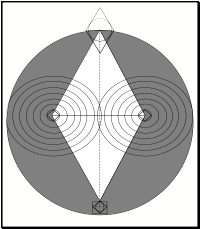
AND THE SCIENTIST CRIED: If the hologram is broken, any piece of it will contain and reconstruct the entire image of the object! There is a pause. The scientist creis: ONCE THERE WAS A FISHERMAN WHO LORIED HIS NETS OFF THE COAST OF BRUSSELS. SEVEN CHILDREN STOOD AROUND THE WHEY AT HIS BOAT. THE BOATMANCRIED TO THESE CHILDREN: Once there was the Beginning of the world. And in the Beginning was born (1) Space; (2) the Point; and (3) the Breath of Fire, which made the Point expand in Space. These Three were the aspects of the Unity of Mind. These Three equalled Motion. And Motion equalled Time. BUT WHAT IS TIME? a child cried to the hairy boatman. TIME IS MERELY THE LENGTH OF A THOUGHT, the man responded. AND, AS THE MIND'S EXISTENCE CREATES ITS SHADOW, THE BRAIN....SO, THE DIVINE IDEA, WHICH IS UNIVERSAL LAW, IMPELSE THE TRINITARY MIND TO EXISTENCE. The universal Soul is the Intelligent Spark of Life which guides all Creation. It is the soure of Mind and of all States of Being. The Synthesis of the million-fold Parts. The Whole: undifferentiate being, in its primordial condition! THE UNIVERSAL WHOLE IS BROKEN! The One Atom gives birth to the many atoms. These Many Atoms join and compose an Army of Builders which manifests the Diving Idea. it is like the Hologram which is broken in to many Sparks or Monads. In any one piece of this broken-off Spark can be perceived the Image of the Whole. each Soul or Atom, as it journeys in to incarnation, retains,as a potential, its Memory of this Whole. It journeys away from the Realm of Ideals. It travels through different Fields of Space. Different frequencies play -- and are, in fact, these different fields. Each Field of Existence is a different Frequency of Motion. A different Time -- and, therefore, a differnt Space. A different note, to the ears. A different color to the eyes. These armies of atoms join and compose the illusionary Whole of an Object projected in to Space. Mineral. Vegetable. Animal. Man. What are we really? Surely the one if also the other. What is a Nation but the composition of its milliards of Lives? Is the Nation real without these milliards of Lives? A Man is composed of milliards of Lives. These Lives (atoms, molescules, cells, bacteriae create, preserve and destroy all Life. They are the messengers of the Intelligence they seek to compose. TELL US MORE ABOUT THIS HOLOGRAM OF LIFE? a child cries to the Boatman. And the Boarman responds: HOW DOES A MAN LEARN? INDEED, WHAT IS THE FACULTY WHICH PRESERVES THE ILLUSION OF ISOLATED BEINGS IN TIME AND IN SPACE? The Law of Life is Motion and Change. The body of Man is in constant transormation. Cells and molecules and muscles and blood-flow. Tissues, organs and bones. Wrinkles and gray hair. Bones soften. Teeth fall out. It cannot be any different. The Mind is a constant flow of perceptions, tied toegher by the thread of thought. Identity lingers. Identiy flees; and returns. WHAT IS THE THREAD WHICH TIES MAN TO THE TIME-WHEEL? It is his Memory, of course. He looks in the mirror and sees a gray thread in black-damp Youth-hair. What does he compare this to? Why, yesterday, of course. Yesterday ther was no gray hair. He places his Being within the jumbled hive of his perceptions. These States of Mind are tied and bound, are chained and fastly wound: b y the thread of remembrance. ALL LEARNING IS MERELY REMEMBERING THEN? a child asks the boatman. And the Boatman says: THE ATOM, MAN, IS A MONAD IN SPACE-TIME. HE RECEIVES AND HE TRANSMITS FREQUENCIES OF LIGHT, WHICH THE OTHER MINDS INTERPRET. HOS DOES HE LEARN? A certain frequency is transmitted off a mirror toward this Monad -- the mirror being the rounded surface of all atoms and monads. His mind receives the transmission. But what does the receiving mind compare it to? Nothing exists in isolation. the beam of light reflects an Idea, however put or true to its source. This idea awakens a Memory in the monad. It compares this impression to the Ideal which is stored in the Atom. The Memory, as a series of perfected, polished forms, archetypes, primal patterns. And from this comparison, a Mental Picture is formed. The waves of light run together in a crest. A Photographic Image is project in to space. The World of Phenomenon is a running sequence of such Photographic Images. THE WORLD IS A MOTION PICTURE THEN? a child asks the Boatman. And the Boatman says: ALL ATOMS ARE EQUAL. YET ALL ATOMS EXIST AT DIFFERENT POINTS OF REMEMBERING. As the Atom on the Physical Plane raises its rate of vibration through Matter, it passses through the kingdoms of Mineral, Plant and Animal, to Man, to Spirit, to Demiurgos, to the Unity of One. Each Man raises his own vibrationary rate in conjunction with his own extent of Remembering....that is, it is each Atom's longing to Remember and Re-Experience its Wholeness that leads to an incnreased rate of vibration...which enables the Atom to climb the Rungs of Remembrance...! But there is something else. The Atom's vibration is felt less and less as the body of the Atom grows denser and denser. As the Atom sheds weight, sheds body denseness, the vibration becomes clearer and more sharp. THEN THERE IS ONLY ONE LIFE? IS THAT WHAT YOU ARE SAYING? a child asks the Boatman. The Boatman says: THERE IS ONLY ONE LIFE OR TOTALITY OF MIND. MANY SPARKS ISSUE FROM THIS ONE SPARK. YET ALL SPARKS ARE MERELY DIFFERENT ASPECTS OF THE ONE SPARK...AND ALL SPARKS EXPAND; AND THEN CONTRACT BACK IN TO THE ONE SPARK. You meet someone on the street. You Mind analyses this electric-magnetic impression in terms of changing shape, color, size....that is, in terms of Frequency. Everything is a Vibrating Fire, a Vibrating Life. There is no Dead Matter. Even a rock is a Vibrating Life. The Atom is a sentient, evolving Being -- an Invisible Life which composes all Nature. All things pass from Activity to Latency. And from Latency back in to Activity. In the Eternal Circle. You meet someone on the street. This Force of Energy is a Thought which seeks to manifest itself. It is a Frequency through which you discover your own Self. One can only recongize in another what he has discovered within himself. Itis this process ofSelf Discovery which is the basis of Life in this manifested form. You attempt to match this rate of vibration. This manifested Thought awakens a corresponding Idea. Let's take Love as an example. You meet the Woman of Your Dreams. She is Manifested Beauty, Purity and Kindness. That is, she awakens in your Mind the Memory of these. You compare the impression against the Ideals you carry with you, from Childhood, from, perhaps, beyond Childhood, from the periods of Latency. Your formulate a Mental Picture of the Woman of your Dreams. Your Mind photo-crafts these ideals and projects them on to plastic Matter. Photography is a property inherent in Nature. There is nothing which we can Discover or Think that does not exist already in Nature. We live in a closed system -- closed for the moment. We record the presence of something. We do not create or invent something that is not there. Every Thought is recorded in these Photographic Ethers. This is the Record of Life. These are the Halls of Judgment. But returing to my example of Love: you project these qualities of Love in to space. You use your Will or Desire to hold this object in view, to keep it from chaning, to make it be the Ideal. But the nature of Manifested Form is flux. The Mind fluctuates -- the image blurs. The beauty of the Woman seems to fade to imperfection. The Purity escapes. The Kindness passes in to Wrath. Then the Wrath passes in to Sorrow. But Beauty does not fade. The Ideal of Beauty does not fade; nor the Ideal of Purity or Kindness or Joy. The Ideal is the Source from which springs the Manifested Image. Images pass in rapid succession. But the Ideal does not fade. The Ideal, itself, is a Pillar of the Temple. Upon it are built all things in this world. Upon it one rises. To touch the face of Perfection. THE REALITY OF MATTER IS A PROTEAN IMAGE WHICH THE DESIRE OF THE ATOM SEEKS TO MOLD TO ITS WILL. Life is a substance -- a passing phantasmagoria of potential. The Inner Desires are proujected Outside. There really is no Outside however. Outside is a mirror we hold up to our own Mind. Light reflected off curved surfaces, each reflecting a part of ourself. We live in a Hall of Mirrors. We never know if what we touch is really the head or the tail of the dragon. THEN THE EXPERIMENT EXISTS FOR THE SAKE OF THE OBSERVER? a child asks the Boatman. The Boatman replies: ONCE THERE WAS A MAN NAMED IXION, WHO WAS THE KING OF LAPITHAE, WHO WENT TO DINE WITH THE GODS! THERE HE SAW THE WHITE-ARMED HERA, THE OLDEST DAUGHTER OF CHRONOS, IN HER VEIL AS WHITE AS A SUN. HE FILLED WITH PASSION FOR THIS IMAGE OF BEAUTY. HE BECAME MAD WITH THIS PASSION. HE ATTEMPTED TO EMBRACE HER. BUT SHE WAS MERELY A CLOUD. IXION WAS PUNISHED BY THE GODS FOR THIS ACTION. HE WAS BOUND TO THE CIRCUMFERENCE OF A FIERY WHEEL -- AND CAST THROUGH SPACE. And what is the moral? a child cries to the Boatman. AND THE BOATMAN REPLIES: What is Heaven? It is a Memory of Well-Being, of Peace, of Equilibrium. There is, within us, a struggle between Darkness and Light. There is a struggle of opposites: the Lamb and the Wolf. Heaven is the state wherein these Opposte Forces are balanced. It is a feeling of Wholeness. It is a glimpse of perfection.

IXION HAD LOST THE FEELING OF WHOLENESS. THE NEED HE FELT WAS PROJECTED, A PHOTOGRAPHIC IMPRINT, A SHADOW, ON A CLOUD. He mistook the ephemeral for the Eternal. The Real for its Effect -- the Shadow of the Substance. And so, again, he was strapped to the Wheel of Rebirth. When the Balance within is lost, Paradise is lost! SO HOW DOES ONE COME TO RE-GAIN THIS PERFECTION? Certainly not by chasing the Shadow of the Truth! Shadows tremble and fade. They are often beautiful and mysterrious. But Shadows pass in to Shadows. There is nothing OUTSIDE to cause you Happiness or Pain. These Objects you see are only Reflections of your own inner striving -- mere Concretions of your Soul! When you quiet your Mind, the State of Peace, eventually, will return. The eerie Shadows will vanish. And you will again speak with your Genius! THERE IS A TIME WHEN SHADOWS ARE STRONG; AND ANOTHER TIME WHEN SHADOWS ARE WEAK!
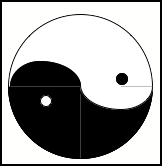
There is a time of the Sun; and there is a time of the Moon. There is a time of the White Woman; and there is a time of the Dark Woman. White Water; and Black Water. Waves; Wives; Wives; Waves. Waves of White Light; and Waves of Black Light. POLARIZED LIGHT? Yes. A CHILD CRIES TO THE BOATMAN: Is it not very much the same with the nations of the world? The harmony of a nation consists in the taming of the wild fluctuations between Day and Night, between Ego Manifestation and De-Ego Womaninfestation? WHEN AN IMBALANCE OCCURS, THAT IS, WHEN THE INNER CONFLICT BETCOMES EXTREME...AN IMAGE OF THIS CONFLICT IS PROJECTED ON THE WORLD! AND THE ACTIVE PRINCIPLE SEEKS TO WREST POWER AWAY FROM THE PASSIVE, THE DARKNESS. Is that what making war on the Passive is all about? Driving away the Clouds, the Force of Stasis, Entropy and Death? THEN THE WARRIOR ARISES. AND THE WORLD SEETHES IN BLOOD-LUST. There once was a nation that was very unhappy. It refused to admit this unhappiness though. It lied to itself. It refused to admit the strain of tragedy in its nature. TEH BOATMAN CRIES TO THE CHILDREN: This nation warred against the Darkness within it. The role it perceived was the Avenger of Light. It warred against Darkness wherever it found Darkness. And it found Darkness everywhere. It had a need to create Darkness; so it could manifest Life, and defend Life. BENJAMIN, YOU WISH TO SAY SOMETHING? there once was a land which came to be called America. Dark-skinned people lived for ages on this land. Then, one day, the White Man appeared. The White Man was very different than the Dark Man. The White Man was active; and the Dark Man was passive. The Dark Man believed that all of Life was the expression of the Will of a divine existence -- indeed, that Nature, Herself, was a Living God -- the White Man believed that this expression of God, the Dark Man's God, was, at its basis, Dark, Demonic. The Whtie Man could not accept his own potential for Evil. So he split himself in two separate halves. And he cast the Dark Half, the Demonic Nature, on to the World-at-large. Of course, he could not find contentment -- for he had lost his Wholeness. Ann inner tension pursued him. And, what did he do to purge himself of this tension? Why, he killed the Dark Man, for Darkness, itself, was the equivalent of Evil. And then he ravaged the forests and erected his towns -- for the Wilderness was the eerie abode of the Darkness, the cathedrals of the Shadow Men. Yet nothing could bring this man Peace of Mind. Again, he projected his fea on the world. This time the entire globe was his Kingdom. And he had a mission: he would stamp out all EVIL. He would make of the World a sanctuary for Goodness. Yet it did not seem to wrok as he had planned. He strode amid Shadows -- but the Shadows ran way, escaping into even deeper shadows. His banner was broken. The vast World became a Wasteland. The White Knight ruled the arid plains with a voice of mad, dejected Youth. He punished sinners with his nuclear might. His armor was stained with the blood of good intentions and virtue. THE MORALIST CREATES, BY HIS INSISTENCE, HIS OPPOSITE, THE DEMON. IT WORKS THE SAME IN BOTH WORLDS. IN THE DARKNESS, THE BLACK IS WHITE; AND IN THE WHITE LIGHT, THE BLACK IS BLACK. PHOTOGRAPHIC RECOMPENSE. WHAT IS GOOD FOR THE GANDER IS ALSO GOLD FOR THE GOOSE. EVERY IDEA CREATES AN OPPOSING FORCE, AN ANTI-IDEA. AND THE SON WHO HATES HIS FATHER'S IMPERFECTION IS NEVER FREE OF HATING HIS OWN IMPERFECTION. I did not hear that last part.
A CHILD CRIES TO A MAN WHO IS STANDING IN HIS GRAY BOAT: Light passes in to Darkness; and Darkness passes in to Light. Heat in to Cold -- and Cold in to Heat! Sleep passes in to Waking -- Waking in to Sleep. The toils of Life in to Death -- the Terrors of Death back in to Life. THE EBB AND FLOW IS THE RHYTHM OF EXISTENCE. IN ORDER TO BE WHOLE, ONE MUST RECOGNIZE AND EMBRACE BOTH SIDES OF HIS NATURE, THE ACTIVE AND THE PASSIVE -- THE PRODUCTIVE AND THE CREATIVE. BUT BOTH SIDES HAVE SHADOWS ALSO. SO, WE ARE NOW SPEAKING OF FOUR SIDES OF THE SQUARE. The square, when pulled in to three dimensions, has six sides, sir. Does this have some kind of meaning?

The Boatman raises his orange silk sail. He points in to the distance, calling: THERE ONCE WA A MINSTREL WHO CAME DOWN FROM GALT WITH SCORES OF TALES TO TELL. One of the children calls to him: YOU MUST TELL US ABOUT THE HOLOGRAM OF LIFE BEFORE YOU LEAVE! And the Scientist cries: WE ARE PACKETS OF ENERGY WHICH FILL UP THE VASTNESS! WE ARE PARTICLES COLLIDING! PATTERNS OF LIFE SPINNING A WEB! You meet someone on the street. This person stands in a particular field, or Electronic Path, manifestion a Rate of Vibration. His consciousness is centered in a certain Frequency. This particle of Energy approaches you. It illuminates and activates a place in your Memory. COSMIC RAYS? Each Particle is fed by a certain Ray of Life. The higher the Particle's vibrationary rate, the higher the corresponding Vibrationary ray. I DON'T UNDERSTAND THAT! You meet someone on the street. His consciousness is centered in the Plane of the Higher Mind, which is the Fifth Plane in Man. If the vibrationary rate of this Particle of Energy is higher than your own, he seeks to pull you up with him. If you rise to meet this man on his plae -- if your particles collide -- a new world is illumined. A new door has been opened.
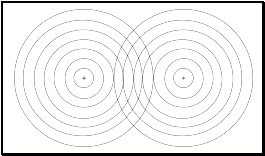
The particle which you used to be is destroyed. But from this fusion of force a new you is created. We constantly die -- but are constantly re-bornn. Only the Memory gives the impression of tying thse successive state of consciousness in to one bundle: the Personality.
THERE ONCE WAS A MAN WHO FOUND HIMSELF IN A DARK ROOM WITH ONLY A PEN-LIGHT TO GUIDE HIM. He sined the tiny light on one of the walls. He saw a beautiful painting on this wall -- a painting of a garden with animals and flowers. This painting made much sense to the man -- and the painting also relieved a great deal of his anxiety. The ide of being alone in the darkness made the man tremble -- and it made his mind race with fears. But on shining of the light on this aspect of Beauty, the man came to forget his isolation and terror. He came to forget about the darkness. He became so comfortable with his life in the Garden that he felt no need to enquire about the other parts of the room. But this man was not alone in the room. Another light was shining. The light approached the man. And another man said: IF WE PUT BOTH LIGHTS TOGETEHR WE CAN ILLUMINATE EVEN MORE OF THE DARKNESS AROUND US. But the first man resisted him. He had become comfortable with the picture of the Garden -- he feared a broaded picture might destroy his contentment. But the second man insisted -- and he shined his light on the wall near the Garden. A New World appeared. For, not only was thre a Garden, with animals and flowers, but, now, , above it, rose an imperial mountain peak, tufted with heather, crowned with fresh snow-fall. Both men were delighted with this picture. The Beauty was stunning. They, again, forgot about the dark cave in which they were placed. Then, along came a third man with a pen-light. He wished to shine his light to expand their perception. They resisted for a moment -- again fearing that gaining also meant losing, that altering their reality might damage their new-found sense of security and place. The third man insisted; and he added his light to the view on the wall. It was incredible: there was a Garden, with animals and flowers; and, above the Garden, was a snow-covered peak; and, above this mountain, was a glorious blue sky lit by a great golden sun. SUCH IS THE NATURE OF THE JOURNEY OF THE MONAD. EACH PARTICLE OF NATURE COMMBINES WITH ITSELF -- FOR WE ALL ARE AN ELEMENT OF THE ONE LIFE -- TO EXPAND OUR CONCEPTION OF REALITY. The Room exists in totality for ever? It is a Thought which, imprinted in Pure Light, we uncover by the use of our small lights, our minds. THE ROOM COMES AND GOES. BUT WHEN IT IS HERE, IT IS HERE IN ITS ENTIRETY. It is like a Record Album in which the needle lies latent. The music exits alread, in its entirety -- yet we must wait for our own light, the Phonographic Needle, to uncover it. AND EACH MONAD, EACH SOUL, IS THIS PHOTOGRAPHIC NEEDLE? Phonographic Needle. What is light to the eyes is music tothe ears. AND THEN WHAT? The Experiment exists for the Experimenters' sake. THIS IS ALL CONFUSING. Each Atomic Life is an (229) aspect of the One Life. It is the messenger or Angel who helps to manifest the Thought. AND WHAT, EXACTLY, IS THIS THOUGHT THAT YOU SPEAK OF? This thought is the Organism we call Life. That is, this non-organic and organic Organism we call Life. I'M NOT FOLLOWING. The Seed expands into Roots in the Soil. The Soil is fed by Rain from the Sky. Water -- which connects the Stream to the River, the River to the Ocean, the Ocean to every inch of the Soil, and the Ocean, too, to the Water in the Sky. This Seed expands to Bark and Branch in the Air. The Tree flowers to fullness. Its Fruit ripens -- and then falls. The Seed is returned from the Fruit to the Soil. This is not Isaac Newton's principle -- this is God's principle. The seed lies silent in gestation, sleeping, resting, dreaming, making itself aware, in a subtle method of ingestation, passively accumulating information, of God's plan for the next Activity. Nothingness. Birth. Youth. Beauty. Will. Fruition. Accumulation. Glory. The Fall. The Burial. The Rest. The Sun gloaming. Darkness falling. It is time to Sleep. The Sun comes again and sets the whole town talking. The Seed expands into Roots, expanding in two directioss, in to Air and in to Anti-Air; in to Earth and in to Anti-Earth. The Mind and the Body are not separate, disconnected entities. Rather, they are different aspects of the Totality of Nature. The Mind connects us to the Soul of Nature. There is nothing which exists which does not come out of Nature. And there is nothing which exists in Nature which does not connect in the intricate web of God's Genius. For Nature has a Body; and Nature also has a Mind. Nothing does not fit. Everything has its place in this weaving of light; in this electronic nut-shell in which we find ourselves. Breathe-Breathe. Inside of Whom we have our lives. WHAT ARE YOU SAYING? ARE WE....CELLULAR TISSUE INSIDE OF ANOTHER BEING? Even Man, the most explosive of the conceptions of Nature -- Man transforms the Planet. And the Planet transforms the Man. BUT MAN IS EVIL! THAT'S WHAT I'VE BEEN TOLD! Both an angel and an animal. Both Good and Bad. Both Lost and Found. WAIT -- LET'S GO BACK! ARE YOU SAYING THE EARTH IS AN ATOM, AND THE SOLAR SYSTEM IS A MOLECULE -- AND PERHAPS OUR GALAZY IS A CELL, INSIDE A CELL-SYSTEM, WHICH IS OUR UNIVERSE? You have quite an imagination. THEN WHO IS THIS BEING INSIDE OF WHOM WE ARE MERE...PLANETARY TISSUE? One thing at a time. WHO, THEN, IS THE THNKER; AND WHERE DOES HE STAND! In the Heart of Man lies the Intelligence which guides him -- that is, in the Core of the Atom -- in the Seed, from which the Universe expands. SO, CONTINUING YOUR METAPHOR, ONE DAY THE UNIVERSE WILL FALL BACK TO THE SOIL, ROT, AND THEN BURY ITSELF, PULLING UP THE COVERS OF THE SOIL OVER ITS HEAD SO IT CAN GO TO SLEEP? DO YOU KNOW HOW PREPOSTEROUS THAT SOUNDS! It is a metaphor. When our Universe dies, it will contract back in to Nothingness. LIKE A SPHERE MADE OF TIN FOIL CRUNCHED BY A VACUUM BACK IN TO A POINT THE SIZE OF A CRUSHED SEED-POINT OF TIN FOIL? Something like that. WOW! When a Man connects Intelligence and Love -- that is, Compassion for all Life, then the Door of the Heart is opened to greet him. WONDER FALAFAL -- SO AM I ENTERING IN TO THE LAND OF MELLOWSPEAK AS WE SPEAK? I was required to say that. WHAT, IS THERE SOME KIND OF SCRIPT YOU ARE FOLLOWING? Man, the Shadow, is connected to his Archetype through the door in the Heart. The Thinker breathes Eternal Life into the Man thus freed from his Mortal Form. There, I said it! THAT MUST BE PRETTY IMPORTANT INFORMATION THEN? IT SEEMS QUITE IMPORTANT TO ME. THE HEART; THE BREATH; MAN FREED FROM HIS MORTAL FORM! SO THE THINKER SPEAKS IN WORDS THAT ARE PASSED DOWN THE SCALE TO HIS ACTOR? It has been said; IN THE BEGINNING WAS THE WORD...! But that is symbolic! That must be symbolic! In the Beginning was the Word of God. In the Beginning was the bear shit; and more: the Word of God? WE HAVE LITTLE TIME FOR SUCH HUMOR HERE, SIR! Are you an English gentleman, by the way? You have all the good manners, if I may say so, of a well-bred English gentleman...eton school blazer, Oxford arrogance, nosegay, well-built with abrupt, even rigid shoulders, slightly feminized expressions. QUITE AN IMAGINATION! SIR, THE VOICE AND THE WORD AND THE SPIRIT ARE CREATION.

Is that a trinity of values, Sir? THE SOUND OF THE VOICE IS THE IDEAL PEBBLE DROPPED AMID STILLNESS IN THE POND OF PERFECTION1 My God! Since I am in an unlight room, with only your voice as my pen-light, I'd have to say that your voice sounds very much like David Carradine, an American actor's voice. DON'T BE SILLY, YOUNG MAN! Silliness is not good? So, the Thinker speaks in words to its Actor -- is that it? IT HAS BEEN SAID: In the beginning was the Word.... THE VOICE AND THE WORD AND THE SPIRIT ARE CREATION! The Sound of the Voice is the Ideal Pebble cropped amid the Stillness in the Pond of Perfection! RINGS OF WAVES RUN OUT FROM THIS SOUND! Each Ring of Waves has its own special Life-Sound! THESE RINGS OF WAVES REACH THEIR FULLEST EXTENSION! THEIR LIFE-FORCE IS SPENT! THEY RETURN TO THEIR SOURCE! Such is the nature of all forms of Life. Life, itself, follows curved space, bending to follow mass, returning to its source. SUCH IS THE LIFE OF MAN. EACH PLANE OF EXISTENCE, EACH RING OF ELECTRONS, HAS ITS OWN SPECIAL LIFE, ITS OWN SPECIAL LAW OF DIMENSION, DEPENDENT, IN ITS NATURE, UPON ITS DISTANCE FROM THE CENTER. THE CENTER-POINT OF SOUND. The Voice of Genius speaks to the Outer Principles. The Voice is transmitted, via the glistening Thread, through the different frequencies of waves. Frequency through frequency, changing shape with each changing note. AND THIS IS THE REASON WHY PARTICLES ARE WAVES? WAVES ARE THE PARTICLE'S EMANATION OR BREATH? The Voice of Intelligence is carried by these Waves.yet, in order for the Message of this Voice to be heard -- for it to be transmitted through the Magnetic Fields, the Magnetic undulations, which are distinct Planes of being, each with and of a different Length and Intensity of Vibraton -- to be made known on the Outer Plane of Life -- for it to be imprinted upon teh Physical Brain of Man: a Rhythm of Sound or a Harmony must exist int hese Spaces which lead to the Physical Brain. IF A DISTURBANCE EXISTS ON ANY OF THESE PLANES, THEN THE MESSAGE WHICH THIS VOICE TRANSMITS IS DISTORTED. IT REACHES THE BRAIN IN A FRAGMENTED FORM. Each Plane of Being corresponds to a Musical Note. In this way, each and every Atom is a Note, every Molecule a Chord, in a Symphonic Musical conception. If our ears cannot hear these Lyric Vibrations it does not mean that the Vibration are not real -- the pitch is merely too high for our hearing, in the case of angelic songs -- or too low for our hearing, with regard to the songs being sung by the demons. THE MESSAGE RECEIVED BY THE BRAIN THROUGH THESE NOTES IS AN ADDED LIGHT WHICH HELPS TO ILLUMINE A LARGER PIECE OF THE PAINTING ON THE WALLS OF THIS DARK ROOM. Ahh, very Platonic! Wouldn't you know? IT IS MEMORY, ITSELF: UNCONDITIONED; ABSOLUTE. We are particles in collision: every second dying; every second being re-born. THERE IS ONE ABSOLUTE CONSCIOUNESS OF BEING! Through the interchange of energy, particles expand and combine, toward this source. WHAT IS MAN? Man is the sum-total of his memories. Every person he meets, ever expeirence he has: these are Particles of Energy colliding with him. Every experience molds him. Every person becomes him. He is a walking Collector in Influence and Forms. LIKE PARTICLES ATTRACT ONE ANOTHER. But that is not true, in terms of physics. LIKE PARTICLES REPEL -- BUT ALSO ATTRACT. ELECTROMAGNETISM IS ONE LAW OF THE WORLD, OF THE BODIES, THE ELECTRONS. BUT LIKE FREQUENCIES SPEAK A SIMILAR LANGUAGE, A LANGUAGE THAT OTHER FREQUENCIES CAN'T REALLY DECIPHER. So it is: Greed attracts Greed; Lust attracts Lust; Murder attracts the affinity of Murder; and Gentleness attracts a Gentle response. Such is the nature of Nemesis-Karma. Corruption attracts the corruption of blood. Cancer is merely a metaphor of dying which perfectly reflects a world's metaphor of living. SICK CELLS CONSUMING EACH OTHER, TRUSTING CONSUMPTION AS A MEANS TO ENRICHMENT. BUT THE SICKNESS BECOMES MORE EXTREME EVERY DAY. THE CELL CANNOT GET ENOUGH. THERE NEVER IS ENOUGH. He consumes the air and the space and his neighbor. He poisons his own landscape. Everything he touches becomes ill. AT LEAST THAT IS HOW IT SEEMS FROM ONE PERSPECTIVE. A society which believes in the Pursuit of HAPPINESS -- and which pursues this Phantom as Material Accruement -- will never attain its Absolute Goal -- for there is always one more item to own, one more place to visit, one more mountain to climb -- will generate, besides great Individual achievements, a nation of failures, since the goal is not achievable. There will always be one more Height of Excitement, one more level of wealth to attain -- such a pursuit can never end. ARE YOU SPEAKING OF YOURSELF NOW? That society which denied the Rite of Unhappiness to be -- denying, in essence, its own darkness, its own entropy -- that societyy is frightened. And that is why it pursues its phantoms with the megalomania of an Ahab pursuing his White Whale of destruction. It pursues HAPPINESS in a bright box. But that box belongs to Pandor! THAT IS WHAT YOU ARE WISHING NOW? What? MUST NOT EVERYTHING FOLLOW ITS NECESSARY CYCLE? Yes. Necessity. There is War. There is Guilt which follows the excesses of War. There is Gaiety which follows the pangs of the Guilt, Gaiety designed to alleviate the Conscience. Depression succeeds, upon Gaiety's tail -- because the Gaiety has not really transformed the Guilt. GAY EDDIE? And then there is War, as the entity fights to overcome the Depression. I SEE YOU RETAIN A SENSE OF HUMOR AT LEAST. There once was a dream in which two men, one in White trunks, the other in Black trunks, pursued one another insde a Cubic Space, a kind of Ring. They were the Boxer Brothers apparently; and they darted throughout this circumscribed space, dancing and weaving, throwing rhythmical punches....until a bell sounded the end of the Round. During the period between Rounds, the two men returned to the locker room where they carefully and ritualistically applied blood to their faces. They returned to the Ring -- and when the bell sounded again, they continued their fighting. THERE ONCE WAS A MAN WHO WORE GOLD SHOE-TOPS, WHO SOLD WORN BLUE POPPETS AND ATE CONCORD PRESERVES WITH THE PRINCELING...AND WHO SPOKE TO ME ONCE NEAR THE SHOWER OF LEEDS; AND WHO SAID: The Principle of Life is this: Give; and Thou shalt receive! HOW IS THIS SO? Like particles attract. YES. Generosity attracts generosity. IS THIS A SCIENCE THEN? A SCIENCE OF...HUMANITY? Human Particles meet in a space of Existence. One Monad is more advanced then the other -- that is, is more able to channel purer Light in to its system. One raises one's rate of vibration in order to attract the higher vibrations of Life, the invisible minds who follow light. These Higher Vibrations are the Essence of Power. They enable the Monad to climb high through the Kingdoms. Be that as it may, one Monad is more advanced than the other -- more advanced in the state of remembering its former Wholeness -- and the beam of light it directs off the less-developed mMonad gives cause for that Monad to use this Power to expand its understanding, to expand its limitations....horizons. Power in Man is the ability to raise this rate of vibration (this frequency) above that of others. That Man is the Man who controlls the world with his Will. If balanced, he soothes. If unbalanced, he destroys. LIKE THE MEN WHO SHARE THEIR LIGHT IN THE DARK ROOM: THROUGH SHARING THIS LIGHT A LARGER WORLD IS ENVISIONED. THROUGH THIS INCREASED UNDERSTANDING, A GREATER POWER ENSUES. The light becomes larger. We help one another to climb this ladder. SO, IS THIS THE REASON WE CHOOSE TO INCARNATE? I do not know. Are we conscious of this when we act. Perhaps incarnation is nothing more than choosing Life over Death. Choosing Generation over Decadence, over De-Generation. WE ARE ALL THINGS. Yes. The Monad journey from the Outer Realms of the Kingdom, toward the Point which is the Focus of the Life.
Drawing: circle with diameter
Energy at its Origin. The Absolute Wisdom. HOLO NESCHE? HOLO NEAT CHI? From this Nuclear Center of Being the Monad returns to the distant points of Life with his Knowledge. He shares this Knowledge with those lives surrounding him, needing his assistance. AS THE BUDDHA RETURNED FROM HIS EXILE TO HELP HIS KINSMEN UNDERSTAND WHAT HE'D LEARNED? Yes. THUS, EVERY MONAD IS AN AGENT IN THE EVOLUTION OF THE KOSMOS. AND THE SECRET OF INCARNATION LIES IN THE RADIUS OF THE CIRCLE? Pi is the ratio of the circumference of the circle to the diameter. Pi equals 3.14159. ARE YOU SURE THIS IS TRUE? The Diameter is the Square of the Raidal journey. One Radius inward; one Radius back out. BUT THERE ARE SEVEN DIMENSIONS WITHIN THE PLANE OF THE CIRCLE. We see but part of the Reality -- and mistake it for the Whole. Each circle we see is nested in circles that are larger.
insert drawing
THEN THE MIND CANNOT KNOW REALITY AT ALL? THE MIND ONLY KNOWS WHAT IT SEES? Is geometry in Nature -- or is geometry merely in the Mind? Is Electricity in Nature -- or is it merely in the Mind? YET THE MIND IS NATURE! Mind and Body; Spirit and Soul. NATURE IS THE MIND! Space is Life endowed with Form. Time is the form of the endowment. THE POINT IS THE THOUGHT OF THE UNIVERSE, THEN? THE POINT PRIOR TO ITS EXPANSION? THE ONE REALITY, IN ITS ABSTRACT FORM -- ITS FORM BEFORE THE MIRRORS ARE APPLIED? Animated by Spirit, or Energy , or Life: this Point whirls in to Motion. It molds the skins of space to its formation. Like a flower unfolding. LIFE, ITSELF, IS THE ANIMATING, MEDIATING PRINCIPLE -- THE THIS AND THE THAT! Ahh, what a consideration. AS THE TREE EXISTS ALREADY IN THE SEED, SO THE UNIVERSE EXISTS ALREADY IN THE POINT! IT BREATHES OUT ITS FORM, WHICH IS THE REFLECTION OF THE SEED! THEN IT INHALES ITS CONSTRUCTION! Ahh, so we arrive there so quickly. Through intuitive, creative thought all things appear. The All appears to the Reason. Then it returns to the coolness. AND WHERE DOES IT GO THEN? Ha, ha, ha! Where does it go then! The Seven Rays draw back in to the Point -- this Point, which has taken the form of the Triangular Seed. This Point draws all back within itself. The Point turns in on itself. The Three Fires expire. HOW CAN THIS BE? The Three Rays of the Point -- the Three Fires -- merely become latent again. They are turned off. They return, once again, to their Passive condition. Then the Seed of Consciousness rests in the Womb of Space. Seven Eternities go by. The Seed is pushed back in to extroversion. THE SEED-IDEA IS RE-BORN AGAIN! AND HOW IS IT RE-BORN? The Three Fires (Spirit, Mind and Matter) become Active again. These Three Fires blend. A dynamic tension ensues. THE SEED IS THE IDEAL PEBBLE OF SOUND WHICH FALLS AND EXPANDS FROM THE POND'S SILENT CENTER. Waves of Light run out across the pond. The Pure Light is broken in to seven separated color-continents. I SEE.
The Scientist stands by a graph with a pointer. He marks on a chalkboard. His marks are all in numbers. He says: FROM THE PURE LIGHT, THE COSMIC RAYS, THE ELECTRO-MAGNETIC SPECTRUM BREAKS DOWN IN TO SEVEN DISTINCT CONDITIONS. WE CALL THESE CONDITIONS OR FIELDS: GAMMA RAYS; X-RAYS; ULTRA-VIOLET LIGHT; VISIBLE LIGHT; INFRA-RED LIGHT, RADAR AND RADIO WAVES. THESE WAVES ARE THE INTERMEDIARIES CARRYING INFORMATION TO EACH PLANET. EACH SEVEN OF THESE REALMS IS AN ASPECT OF THE ONE REALITY.
insert drawing
The Thread of Light or Spirit connecting the Seven Principles or Frequencies or Lives of the Man is the Umbilicus which carries the Voice of the Genius. THE VOICE OF WHAT? OF WHO? This think silver cord, which connects all the Planes, carries the vitalizing Energy or Prana, which is Life. PRANA IS THE ETHER, THEN -- THE SUN-FORCE? It is the Kundalini-Sakti -- the so-called 'Nervous Ether' of the scientists? YOU ARE CONFUSING THINGS. The Ether within and the Ether without set in to Motion, through Attraction, Matter. There is Inertia; there is Motion; then there is Rhythmic Motion. There is Assonance; there is Dissonance; and, finally, there is Resonance. ASSONANCE FORCED? When will the Wall of Matter break down, through the instrument of Sound? JERICHO-LIKE? The Prana self-repels; the Force of Life dissipates. ARE YOU HINDU, THEN, UNDER ALL OF THAT FOG AND NON-REFLECTED LIGHT? Partially, at best. DEATH AND BIRTH ARE REALLY THE SAME THING. DEATH IN ONE WORLD IS BUT DEATH IN THE NEXT WORLD. The Umbilical Cord is cut on the one plane. Yet the Life-Force draws the Eternal Soul to another. THIS CHORD, ITSELF, IS THE LADDER OF SYMBOLS YOU CLIMB IN MUSICAL DISTRACTION. A - E - I - O - U - and sometimes Y. DOE A DEAR, A FEMALE DEAR; RAY, A DROP OF GOLDEN SUN; ME, A NAME I CALL MYSELF; FAR, A LONG-LONG WAY TO RUIN.... This chord is the Life by which you climb through the Mind! AND WHAT IS BEYOND THE MIND! Beyond the Mind! What heresy? What could there be beyond the Mind? BEYOND THE MIND IS PURE SILENCE! What? THE EXTERNAL AND INTERNAL ETHER ARE ONE. Einstein proved that there was no ether. Heisenberg proved there was either-or; and Einstein proved that there was nein ether, neither! THE EXTERNAL ETHER IS THE INTERNAL ETHER! IT IS THE LIFE-FORCE WITHIN THE MANIFESTED BODY OF GOD! Then, are you saying, let me see if I understanding you correctly, that we have our Life within the Body of God? Are you saying, then, that we are cells within the body of God? WE ARE CELLS! TINY LIVES WITHIN THE GREAT LIFE! AND, AT THE SAME TIME, GREAT LIVES, COMPOSED OF TINY LIVES WITHIN US! All things being relative. EXCEPT FOR THE SPEED OF LIGHT, OF COURSE! The small and large being the same. THE MICROCOSM LIVES WITHIN THE MACROCOSM'S BODY. Then the world is merely a mirror which you hold up to yourself? NOT MIRRORLY. MORALLY. And what, then, of Man? Whose Man is Mirror's -- and whose Mirror's in Man? MAN IS A FORM THROUGH WHICH THE TINY LIVES EVOLVE. THROUGH WHICH CONSCIOUSNESS EXPANDS. In and out? MAN IS A MEANS, A COLLECTION, LIKE A PLANET. AS MILLIARDS OF LIVES COMPOSE THE LIFE OF THE EARTH -- MAN BEING ONE CATEGORY OF SUCH LIVES -- SO MILLIARDS OF LIVES COMPOSE MAN. Man is a planet then? IN ONE SENSE AT LEAST. Man is an atom, a molecule, also? IN ONE SENSE AT LEAST. Our we talking only metaphor, then? WHAT'S MANNA FOR? Metal ford. MAN OF THE HOUR. Then what composes the Life of the tiniest of Lives? MORE TINY LIVES. More tiny that the tiniest of Lives? Is that possible? THE TINIEST OF LIVES IS A COMPOUND AS RICH AND COMPLEX AND EXPANSIVE AS ALL THE OTHER LIVES. Add infant item? AHH, YOU ARE GETTING WARMER. And what of the Largest of the Large? ABOUT THAT WE CANNOT MAKE AN INTELLIGENT ESTIMATION, I FEAR. I was afraid you would say that. THE SPACE WITHIN THE ATOM IS AS BROAD AND AS DEEP AS IS THE SPACE WE PERFCEIVE BEFORE US HERE, IN THE BREADTH OF THIS GREAT UNIVERSE. The Space within this Universe is as broad and as deep as is the Space we perceive before us here, standing in the breadth of this Atom. WITHIN AND WITHOUT. UP AND DOWN. HIGH AND LOW. Are these all the same then? THE SAME, IN TERMS OF WHAT? SCOPE AND SCALE ARE NOT THE SAME. THE MAN, WHO IS A COLLECTION OF ATOMS, IS NOT THE SAME AS THE ATOM. THE SAME, AND DIFFERENT, AT ONCE. The parrot talks. THE SUN IS A LIFE WHICH BURNS INSIDE OF US, AS MUCH AS IT BURNS OUTSIDE OF US. And when the form falls away, do we return to our home in the Sun -- that great big Central Magnet holding everything intact. Is that what the White Light is, the one described as awaiting us at the moment of our death? THERE ARE FOURTEEN MANUS, OR TYPES OF MAN, THE PROTOTYPES UPON WHICH THE LIVES OF MAN ARE CYCLICALLY PATTERNED. Fourteen? One at the start and one at the end. Times seven separate periods of manifestation. Two times seven is fourteen. YOU HAVE BECOME QUITE A GOOD YOUNG STUDENT SUDDENLY. YES, THERE IS ONE MANU AT THE BEGINNING OF EACH ROUND; AND ONE AT THE END. AND THERE ARE SEVEN ROUNDS TOTAL. AND, THEN, OF COURSE, ALL THIS SLEEPING. ALL THE SLEEPING. Winding down? WINDING UP AND WINDING DOWN? Evil ocean and, then, infill illusion? EACH MANU IS A PATTERN -- IN THE ARCHETYPAL SENSE -- OF A CONSCIOUS EXISTENCE. Part and parcel of an overriding god, or planet? (One potato, two potato, three potato, four.) (ONE PART ATE HER; TWO PATER TEETER; THREE PORT ORDER: FLOWER.) Are you a philosopher or a poet dentater? YES. A GENETIC SORT OF BLUEPRINT. WHICH GESTATES, NURTURES, AND GROWS IN THE WOMB. Whose womb? IS NOT SPACE, ITSELF, A WOMB? Well, I'm not so sure about that. You'll have to give me a chance to think about that. Space as a womb. Then Time is a kind of....you know what...a kind of...phallus? FILIUS NULLIUS? Pardon. MUD STICK YAR-YAR-YAR-HEARTSTAKE? DO YOU HAVE TROUBLE SAYING THE WORD? ARE YOU SHY, THEN? Who is this Manu? ARE YOU UNDERGOING SOME KIND OF INITIATION, FRIEND? OR JUST AN ORDINARY TRANSFORMATION? Manu is...! A FORM TAKEN BY THIS EARTH IN THIS SOLAR SYSTEM. A TEMPORARY FORM WE CALL MAN. That tells me little. MANU IS THE SON OF THE FATHER. Who is the Father then? MANU IS THE BODY OF CONSCIOUSNESS WE ARE WORKING THROUGH AT THIS MOMENT IN SPACE. You are telling me nothing really. THEN, AT THE APPOINTED HOUR, WHEN THE CYCLES HAVE PASSED, THE SUN BECOMES A SUPER-STAR, AND EXPLODES, SHOWERING THIS BODY WITH ITS HEAT. ALL THE EXISTENCE IS SHATTERED AND MELTS. ALL THE HEAT RUNS TO COOLNESS. ALL THE MOTIONS IS STILLED. SLOWLY, THROUHG THE PROCESS OOF INHALATION, THE SUN, HAVING BECOME A DARK STAR, A BLACK HOLE, BEGINS DRAWING ALL MATTER WITHIN ITS GRAVITY RANGE BACK IN TO ITSELF. THIS IS THE POINT TURNING IN ON ITSELF. THIS IS CONSCIOUSNESS, ITSELF, SEEKING A RETURN TO THE WOMB, AND A TIME OF REST. But if the Sun dies on the Physical Plane, then, surely, it, too, must pass through the other realms of life! WHY IS THIS SO? WHY MUST THIS BE SO? YOU ARE NOT LEARNING MUCH -- AND, REALLY, I MUST SAY, YOUR DEPORTMENT LEAVES SOMETHING TO BE DESIRED! WHO ARE YOU TO SHOW INSOLENCE TO ME, A MASTER OF THIS DARK WORLD, A FRIEND TO YOU HERE WHO HAS NO FRIENDS! I apologize. I was excited. EXCITEMENT IS DANGEROUS TO YOU IN YOUR CONDITION. YOU MUST AVOID EXCITEMENT ON THIS SIDE OF THE VEIL. YOUR VIBRATIONARY RATE IS MUCH HIGHER HERE -- A LOSS OF EQUILIBRIUM CAN BE FATAL...WELL, VERY DESTRUCTIVE THAT IS TO SAY. Please continue. ARE YOU CALMER NOW? Very calm. Buddha-calm. DON'T GET SMART NOW! I am...very...not smart. Please continue. THE PHYSICAL FORM SHATTERS; THE CONSCIOUSNESS WITHDRAWS VIA THE UMBILICAL THREAD AND IS BORN ONCE AGAIN UPON THE ASTRAL PLANE. But he is not really born again there, is he -- since he already exists on that Plane? BORN AGAIN IN THE METAPHORICAL SENSE. FOR HE EXISTS, ASWE ALL DO, ON EVERY PLANE, AND IN EVERY FORM. The Sun journeys deep in to the core of its own life, where it meets the Thinker, the Central Spiritual Sun. That is the central point from which all things expand -- the Giver of Life, in its Abstract Condition. MANU IS THE ONE EXISTENCE, THE PROTO MONAD, FROM WHICH ALL OTHER MONADS PROCEED; AND TO WHOM ALL MONADS RETURN. The Complete Monad, first and last: finished, completed, undifferentiated, Renaissanced and...Renaissanced again, preparatory to dawn in the world of the de-materialized? KEEP YOUR HUMOR INTACT. WITHOUT IT, MADNESS IS POSSIBLE, EVEN LIKELY. Take my wife, please! HONEY, JUNG MAN, IS EVEN BUTTER POLISHED THIN APPELLES, WORDER TISSUER RICH KARMA CHURNED! What happens to a thing when it is turned inside out? And when the outside is then worn on the inside? WHEN THE CONVEX IS TRANSFORMED IN TO THE CONCAVE? ROTATE RIGHT TWICE, THEN FLIP! THE WORLD APPEARS UPSIDE DOWN, INSIDE OUT: EVERYTHING IS REVERSED. (Singing:) Southern Man don't need you around anyhow. NAILED JUNG? Epoch Collapse? Hole lauda 'ate town bellow. TRUE MARCH FEAR HUE DOOBIE LEAF! Arid jew reefer ring tu may moral winter usque done dare? YOU; AND YOUR CHILDREN TOO! Use sad; killing. USQUE AD FILUM AQUAE! River Styx? WAS YOUR LIFE A NON-TIDAL STREAM, THAT IS THE QUESTION? AS FAR AS THE PROPERTY YOU FOUGHT SO HARD TO ATTAIN, WHERE IS IT NOW? GONE! EVAPORATED! Sin is in the moment, Sir. AHH! SINUS CINDER MOMENTUM, I SEE! Hour hue me Gordion Angler thin, Elide Borer? (The angle of incidence equals the angle of reflection.) CLEARLY. Am I meeting my Make in you, me Lord? TELL ME WHAT YOU KNOW. Manu is the Totality of Consciousness, or Mind, or Existence, in one form at Birth, and at quite another more mature form at the end of that period of Evolution which we call Life or Day or what you call Manvantara. I am a different person at the end of a day of activity than I was at the dawn when I awoke from my sleep, changed for ever by experience. Although I am probably not aware of this change, since I am never sufficiently distanced from myself to experience or realize the change from Point A (dawn) to Point B (dusk), when I lay myself down again to rust. These Manus guide the Invisible Lives who build the forms through which the Manus grow. The Manus are the genii which speaks to the Atoms, the Molecules, the Cells, the Bacteria, the Creeping Mitochondria, the Organic Protoplasm, the Walking Rocks, the Plants, the Birds, the Human Creatures....they show as much of the Plan or the Blueprint as the receiving entities are capable of receiving -- and the builders build according to the incidence of blueprints they are able to perceive. One penlight added to the next; the more peninsualights the merrier. This building continues through the daylight hours; then rests. Through the Seven Days of Creation; then rests. Then everything rests, everything honored. Then the Sabbath is honored.
THERE ONCE WAS A LAND CALLED ELECTRIA WHERE THE HOLY FIRES POURED THE GIFT OF LIFE ON THE SEVEN POINTS VITAL TO MAN. these seven points radiate the life and intelligence which composes the man! they are the seven holy planets! they are the seven centres of force! And what about the Permanent Atoms? THE PERMANENT ATOM IS AN APPROPRIATED POINT OF ATOMIC MATTER. A TINY CENTRE OF FORCE WHICH FORMS THE CENTRAL FACTOR AND THE ATTRACATIVE AGENCY AROUND WHICH THE BODIES OF THE INCARNATING MONAD ARE BUILT. THESE PERMANENT ATOMS ARE STRUNG LIKE PEARLS UPON THE SUTRATMA, WHICH IS THE SILVER THREAD OF ORGANIZATION RUNNING LIKE A STRING THROUGH EACH EXISTENCE, EACH NON-SEPARATED DIMENSION. When the Compound Man escapes the sheaths of matter, each Permanent Atom resides in its own plane, a Manu unto itself, a Record of Personal Attainment. When the Monad seeks, again, incarnation, it attracts to itself, depending upon its nature -- that is, depending upon its state and the condition of his advancement -- Permanent Atoms which have attained a similar standing or condition. HAVE YOU DISCUSSED THIS WITH MISTER EINSTEIN? Like particles attract, creating molecules, communities of lives. So, this is also true with Man. He builds up a series of Sheaths around his Core. Bodies in which to have existence in different spiritual climates or dimensions. AND WHAT IS THIS CORE? This Core is the deepest trinitary Principle in Man -- the thing you call Atma-Buddhi-Manas, Spirit-Soul-Mind, for the Mind is a sheath or body also. And the Soul is the sheath or body of Pure Spirit. WHO IS TEACHING WHO? LET ME SEE IF I GET THIS STRAIGHT: SPIRIT MANIFESTS IN THE BODY OF SOUL; SOUL MANIFESTS IN ITS BODY, WHICH IS MIND; MIND MANIFESTS IN ITS BODY, WHICH IS....THE EMOTIONAL BODY. AND THE EMOTIONAL BODY MANIFESTS IN ITS BODY, WHICH IS THE PHYSICAL BODY. AND WHEN DEATH SETS IN, MAN WITHDRAWS FROM THE PHYSICAL IN TO THE EMOTIONAL BODY, THEN IN TO THE MENTAL BODY, THEN IN TO THE SOUL, THE SOLAR BODY, THEN BECOMES BODILESS, IN PURE SPIRIT. IS THAT WHAT YOU ARE TELLING ME? Aye. Moral, yes. SUMS LACQUER SCENEFULL MYTH OR MANTICS PARLEPLUME: ODD DASEIN EAR SOUGHT TRYPSIN. Shh. THIS TRIAD (SPIRIT-SOUL-ABSTRACT MIND) EXPRESSES THE LIFE OF THE MONAD. IT SURVIVES ALL THE DEATHS. IT RECORDS ALL THE MONAD'S SINS AND ACHIEVEMENTS. Which kinds of achievements? IT RECORDS THE TOTALITY. And, as his consciousness grows, he nears the end of his journey? IS THERE AN END TO THIS JOURNEY? IF THERE IS, I HAVEN'T HEARD OR SEEN IT. There is much you have not seen or heard. YES. You are a novice here! A fledgling! EIN FLAT CHALAN? SO THIS CORE ATTRACTS LIKE ELEMENTS, OR PRINCIPLES, TO WORK THROUGH? AND THEN HE REPELS THEM, RETURNING TO ITS ESSENCE? You have the general picture correct. But your chemical detailing could still use a bit of refinement. I'M A FLAYED CHILEAN EAR, 'MEMBER. What is this essence, then? THE RAYS OF THE SUN STRIKE THE PLANETARY GODS. THE LIVES WHICH RESIDE IN THESE GODS ARE DISCHARGED. THEY EVOLVE BEYOND THE SPHERES. THEY RETURN TO THE EARTH. At least your poetic imagination is capable of, shall I say, extremism. Enthusiasm. PRIME ORDINAL. What? PRIME MORTIAL. Which? CHORAL. CORALLUM. Are you talking in tongues now? DARKENING END DUNGS? Shh. The rays of the Sun fill the Spleen of Man. This Source sends its heat through the many channels in Man. The Seven Centres are touched. The tiny Lives are, thereby, discharged. DOES OUR SIMPLE NARRATIVE BEGIN WITH THE BIRTH OF THE SUN OR WITH THE DEATH OF THE SUN? I WOULD THINK IT S-S-MAKES A LOT OF DIFFERENCE IF WE BEGIN IN DARKNESS OR IF WE BEGIN IN LIGHT. I was supposed to ask that. EACH CENTER ABSORBS ITS NECESSARY LIFE FROM THE SUN. IT DISCHARGES THE EXCESS: IN THE FORM OF RADIATION OR MAGNETIC FORCE. THIS MAGNETIC FORCE IS PASSED ON THROUGH THE KINGDOMS. THESE INVISIBLE WAVES OF LIGHT PENETRATE ALL LIFE-FORMS -- AND HELP IMPEL FORMS TO ACTION. THESE ARE THE FORCES WHICH MOVE MAN. In what way do they move man? MAN ACTS IN ACCORDANCE WITH WHATEVER CENTER HS IS STANDING IN, LIVING IN. THE ENERGY MAGNIFIES HIS THOUGHT-FORMS. THE MAN ACTS TO ATTAIN THEM. Them? THESE FORMS. The Man really is not as free as he seems. He is the Effect of some Motion which precedes him in Time. He is propelled by some Governing Impulse. AS LONG AS THE MAN REMAINS A SLAVE TO THAT IMPULSE, HE IS NOT FREE. Well, that Impulse or the Next. YOU ARE NOT LISTENING. AS LONG AS MAN ACTS IN REACTION, TELLING HIMSELF HE DESIRES IT. Self-deception, is it, then? Or is the deception coming from another, a magnetic energy directed from abroad? EVEN IF IT WERE... Explainable in some other manner. Hiss, hiss. An Awanyu bi-honey heather nemean edge tail a gothic de-mum. I'D THINK CONSIDERING WHERE YOU'RE JUST BEEN, YOU'D BE MORE SENSITIVE TO MOCKING THE POWERS OF DARKNESS. Mayor, mayor onol will, hutu's failfreit ovum hole? Esse eight sour-pente tarquin voids oval for rent galt, Vasuki? Andro genius: birth goat taunt bard. Token sneak widder tent-fate colloquialism. LADDER REEL MUM CALM BACCHAN SPOKE ROYAL THINKS! NOD JIBBAH RASH! TOLL MAY WATCHER LERNAEOID!
(233m) As Man learns to direct the flow of his Life-Force through the Heart to these Centres of Love, Will and Action, to the Upper Triad of Centers, he slowly learns the secrets of how to dance with these Powers. AHH, IT IS THE DANCE, YES! (Please don't call me Grasshopper!) CONTINUE! He does not fight them. He is not enslaved by them. He learns to direct this tremendous Force through his body. Only then is he Free. That is, the Master of his Actions. BUT THE MIND IS A VERY SUBTLE THING, INDEED! The Mind can convince you you are Mad. It can convince you you are King. It can convinve you of Love. Of Hate. And of Remorse. It can make you a Killer. A Saint. Or a Victim. MARTYR! Goat scraper heron knighted crabbe cook. YOUR ARE NOT PUCK! Unless the Mind says I am -- and I believe it! WHAT ELSE CAN THIS MIND DO? It can shatter your Body. IT IS THE LABYRINTH YOU CONCEIVE. THE LABYRINTH YOU WALK IN, THROUGH, ABOUT. IT IS YOUR BODY AND YOUR BODY'S EXTENTIONS. The Expanding Labyrinth. Ox Panting Yoni Force. SHH! SHEILA WALTZ YEAR MOTH THUD WORTH SLOPE PATH SHEET ERDUS! Hula? MUTTER HOB HEARD. Master Tap? SHH. MIRACLE CLAUSE BERTH COMMON OMEN. HOW ELSE DOES ONE FLEE THE ENSLAVEMENT OF MIND? What did Daedalus do to escape the Maze he had built throught he sheer force of his will? I DO NOT REMEMBER DAEDALUS BUILDING THE LABYRINTH IN QUESTION. Keen Minus the Cretin? WHAT IS THE PURPOSE OF MYTHOLOGY? Tool limp part mural lissome wheel brood cat string hewed man sistery weddinged patternfamilias oval Need Cheer's sick clock struck cellar! DAEDALUS FLEW FROM THE LABYRINTH! BUT HOW DID HE FLY? He made his mind love the Silence, Master Po. The Mind is an organ of perception, as well as a tool for analysis. The Mind is a Sense. A Sense, synthesizing the other senses. When the Mind is made silent, attractive, then Daedalus could talk directly with the Angels. The Man who can master his Mind can talk with the Gods! CORRECT! Making the Mind not a destination but a place of work only. Not a habitation, but a place below, toward which the Soul may descend to work but from which the Soul also ascends at will. CORRECT! The silent Mind can absorb the Creation! CORRECT! Seed's cathey chasm? JAH! The world is a constant fluctuation of Mind. Change in Space measures Time. Yet Concentration dissolves all boundaries. concentration is a timeless merriment dance throught he spaces. The Relam of the Timeless is the One-Pointed Thought. CORRECT! Do I get an A Plus, Master? IT IS THE THOUGHT WHICH IS NO-THOUGHT! IT IS ABSOLUTE STILLNESS! (THAT IS A HINT TO YOU.)
(233 3/4) There once was a man in a deer-skin loin-cloth. He pointed his finger at the Sun and said: THE SUN IS THE PRINCIPLE OF CHRISTOS, WHICH THE MAN OF NAZARETH EMBODIED AND BECAME! HE IS NOT THE FIRST! HE WILL NOT BE THE LAST! THE TWELVE APOSTLES OF JESUS ARE THE TWELVE HOUSES THROUGH WHICH THE SUN CIRCUITS IN ITS ANNUAL SOJOURN. He held a medallion. It had the form of a clock.
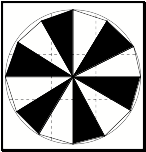
SUNNED DOLLAR. What? SIND IBEX! CAPRICORNIUS HIRCUS BLYTH! He said: THE STORY OF JESUS IS AN ALLEGORY OF THE SOUL. THE SUN IS THE SAVIOR. IT IS THE TOTALITY OF MIND WHICH EVOLVES US AS AN ORGANISM. The Universe expands -- but the Energy or the Life within this Matter begins to dissipate. Entropy sets in. The Solar System lives out its Life. And, as the Sun nears its end, it becomes a Super-Nova, exploding, showering Space with its last bits of Life. And then all is quiet. Silent. Space and Matter contract in to the Abstract, into Nothingness. THE UNIVERSE IS A LIVING ORGANISM TOO! IT IS THE BODY OF GOD WHICH BECOMES ACTIVE AND THEN PASSIVE BY TURNS: ACTING AND THEN DREAMING! As the Nucleus is ruled by attraction-repulsion, so, the Nuclear Life, itself, is ruled by this law. Matter lies latent in the cold spaces ; while the Fire of Life passes, a vanishing flame, into Abstraction! THIS EXHALATION OF MATTER IS THE ACT OF REPULSION! The so-called Big Bang. OUT-BREATHING! Yes. INFLATION! Yes. And then what occurs? THIS REPULSION OF MATTER MUST FLOW IN TO ATTRACTION. THE CORE, HAVING SENT THE WORLD OUT IN TO ADVENTURE, CALLS THE PILGRIMS BACK HOME. The Sun, as now a Dark Star, turns in on itself, drawing, through the Heat of Attraction,, the Coldness toward itself. It attracts all the Matter to return to its sacred heart, to its Pre-Nuclear Womb. Cracking and crunching everything back in to a homogeneous pre-element. It then churns and it boils, a sun inside a shell. It is the Egg in its Gestation, preparatory to Re-Birth. ARE YOU TALKING ABOUT YOURSELF? When? NOW? I don't understand. VERY WELL. YOU ARE YOUNG HERE. EVERYTHING WILL BECOME CLEARER. IT IS A SELF-ACTIVE PRINCIPLE THEN? AUTO-GENERATION? GUIDED BY AN INVISIBLE TIME-KEEPER? A PRINCIPLE INHERENT IN NATURE? IT HAS HAPPENED FOR EVER? And it will continue to do so. I SEE. In Space a womb by nature and have we, through this bodily death down below, been assumed in to the Macrocosmic Womb here above preparatory to re-birth? Is that what you are suggesting? ARE YOU BUT A COSMIC SPERM CELL, SIR? PLEASE, GET A GRIP ON YOURSELF! Absolute density! Absolute density! It is as if Time is running backwards, everything returning to its source, running blackwords against Time! Crunch, crunch: everything collapsing. BORNE INTO THE EAST, YOUNG MAN! BORNE INTO THE EAST! Aye. 'Few seal show!

(234 1/3) THERE ONCE WAS AN OLD MAN WHO SAT BY A FIRE. HE HAD WRAPPED HIMSELF IN A THIN ROBE. AND CHILDREN SAT ON THE FLOOR BESIDE HIM. THESE CHILDREN ASKED FOR A STORY. THE OLD MAN SMOKED FROM HIS PIPE, CLEARED HIS THROAT, AND BEGAN: Long ago, Indra, King of the Gods, was cursed by a powerful Rishi Durvasas. Soon thereafter, Indra and the Three Worlds began to lose their firt vigor. Vishnu appeared smiling and said to the King: I WILL GIVE YOU BACK YOUR POWER -- BUT THIS IS WHAT YOU MUST DO! TAKE MOUNT MANDARA AS A STICK AND THE SNAKE VASUKI AS A ROPE AND CHURN THE SEA OF MILK! YOU WILL SEE THAT IT PRODUCES THE IMMORTAL LIQUID OF LIFE AND OTHER GREAT GIFTS WHICH THE WORLD SHALL ACCRUE. BUT YOU MUST HAVE THE HELP OF THE TITANS IN YOUR WORK. MAKE AN ALLIANCE WITH THEM; AND TELL THEM THAT YOU WILL SHARE THE FRUITS OF YOUR LABOR. I SHALL SEE, MYSELF, THAT THE TITANS TASTE NOT THIS AMBROSIA. So the Gods made an alliance witht he Asuras, the Dark Spirits; and, having taken Mount Mandara as their stick, and the snake Vasuki as their rope, they began to churn the Ocean of Milk. By its violent motions, the mountain did great damage to the inhabitants of the odean; and the heat created by its rotation, by the friction, destroyed the animals and birds living on its slopes. In fact, the whole mountain would have been destroyed had not Indra sent heavy rains down from Heaven to quench the flames and comfort the inhabitants. But, owing to its weight and rapid motion, the mountain bored in to the earht, and threatened, through its sheer force, to destroy the earth. Vishnu, again invoked, assumed the form of a giant Tortoise, dove in to the Milky Ocean, got beneath the mountain, and became its pivot. The churning went on faster than ever. In fact, it went on for a thousand years. This epochal work between the Titans and Gods marked the beginning of the Four Ages of the Present World Cycle. And, as I have said, the reason they churned this Milky Ocean of Life was in hopes of attaining the sweet nectar Amrita (that is, the not-mortal). Amrita is the sweet nectar of Deathless Existence. But, to continue: The power of Vishnu is so great, and so numerous the forms that he is able to assume, that even while he supported the mountain, he was also present, though as an invisible force, among the gods and the Titans who pulled at the rope. His energy also sustained Vasuki, King of th Snakes -- while veryone saw him seated in glory upon the peak of the Mountain Mandara.
BUT WHAT OF THE SNAKE? a child cries to the old man. AND THE OLD MAN REPLIES: The Snake suffered horribly from this painful labor. While the Gods pulled him by the tail and the Titans pulled him by the head, torresnts of black, poisonous smoke poured form his jaws, which was called Kalakuta, or Black Summit, the highest concentration of the Power of Death: this venom poured down on the earth ins such a vast river that it threatened to destroy all living things. In their distress, all things called upon Siva; and Vishnu joined in their entreaties. Siva heart them; and, taking the tincture of Death in a cup, he drank the poison to save the world from destruction. But, by his yoga power, he held the Kalakuta in his throat, not swallowing it -- and his throat turned blue. His neck still bears the mark of this labor -- which gives Siva the name of Nilakantha, which means 'Blue Thorat'.
AND WHAT HAPPENED THEN? another child cries. AND THE OLD MAN ANSWERS: At last, the persevering efforts paid off. First, their eyes beheld Surabhi, the marvelous Cow, Mother and Nurse of all living things.

Then came Varuni, goddess of wine; Parijata, the Tree of Paradise, the delight of all the nymphs of the heavens, which scented the earth with the breath of its blossons; and then the Apsaras, the nymphs of the Waters, ehchanting all eyes with their grace and their beauty. Then appeared the Moon, which Siva grasped to wear on his forehead; and Lakshmi, the goddess of Fortune, seated radiant upon a wide-open lotus. THE GODDESS OF FORTUNE? The heavenly musicians, and all the sages, sang her praises. The sacred rivers asked her to bathe in their waters. The Ocean of Milk gave her a crown of flowers and stars. The great sacred Elephants, who support the world, annointed holy Lakshmi with water from the Gangers. As she was Vishnu's wife, she sat on his knees;and she refused to look at the Titans, who coveted her beauty and wealth. Among the other products of the Sea of Milk, there was a miraculous horse, milk-white in color, Uchchaihhahravas by name; and the pearl of the gems, Kaustubha, a marvelous jewel which Vishnu placed upon his breast. All in all, there were thirteen objects produced by this churning. And, then, the lawt, the fourtheenth, appeared from the Ocean. It was Dhanvantari, the doctor of the gods, who held in his hand the Cup of the Moon, the cup which contained the treasured Nectar of Life. The impatient Asuras grasped the cup from the doctor -- and fled across the breadth of the heavens. But Vishnu assumed the form of a woman, a beautiful dancing damsel, who charmed them. The Titans were fascinated by this illusion; and, while they stood spellbound, Vishnu stole from the midst the moon-cup of Amrita -- and returned with his gift of Eternal Life to the Gods. They drank of the nectar, and regained their vigor -- and drove the Titans to the foot of the mountain.
(235 2/2) IS THAT THE END OF THE STORY? a child cries to the Old Man. NO, the old man responds: THAT IS THE BEGINNING OF THE STORY. Yes? AND WHAT DOES IT MEAN? You tell me what it means. THE GODS ARE THE HIGHEST STATE OF SPIRITUAL BEING, THE LORDS OF ANTIMATTER. AND THE TITANS ARE THE LORDS OF THE MATERIAL REALM. Which is which again? Which is high; and which is low? DOESN'T IT DEPEND ON WHERE YOU ARE STANDING? Is that where the Magician's Mirror comes in?
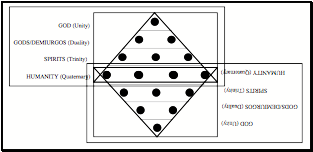
WHAT ARE MIRRORS? Mirrors work generally because they are metallic and great conductors which means an abundance of mobile electrons. Since there are so many of these mobile electrons they respond VERY quickly to applied electromagnetic fields and they do it in such as way as to counteract the applied field. In other words, they generate their own electromagnetic fields equal and opposite to the applied field internal to the conductor and external to the conductor we see it as a reflected wave. THAT TELLS ME LITTLE, REALLY. THIS IS NOT CHEMISTRY CLASS! A polished or smooth substance that forms images by the reflection of light. THAT IS BETTER! AND WHAT DOES CONVEX MEAN? Convex is a curved or rounded as the exterior or a section of a spherical or circular form -- used of a spherical surface or curved line viewed from without; opposed to concave. 2 : arched up : bulging out -- used of that side of a curve or surface on which the tangent line or plane lies or on which normals at neighboring points diverge; opposed to concave. AND CONCAVE? Concave, I would presume, is the mirror-image of the convex. NOT ENTIRELY. Concave is: 1 obsolete : having a hollow interior. 2 a : hollowed or rounded inward like the inside of a bowl b : having a shape that is thought of as curving inward -- opposed to convex. 3 : arched in : curving in -- used of the side of a curve or surface on which neighboring normals to the curve or surface converge and on which lies the chord joining two neighboring points of the curve or surface; opposed to convex. AS A CONCAVE ATOM APPROACHES A CONVEX ATOM, EACH SEES THEIR OPPOSITE AS AN UPSIDE-DOWN IMAGE OF THEMSELF -- AN OPPOSITE. As North is to South? YES. But with nothing disconnected. NO. Encased in a membrane of its own nature? PERHAPS. Globular in construction? PERHAPS. An electron, in an atom, in a molecule, in a cell, in an organ, in an organism, in a system? RING AROUND THE ROSIE, POCKET FULL OF POSIES.

It is through the cooperation of the Gods and the Titans that Eternal Life is attained! THIS IS A PROFOUND MATTER! These two, who appear to be adversaries, are, in fact, cooperating. As Day and Night cooperate. I SEE YOU; I HEAR YOU. I am This; and I am also That? THAT IS THE VOICE OF THE UNITY. THE ANDROGYNOUS WHOLE. Part One? GODS AND NOT-GODS EACH PULLING A DIFFERENT END OF THE ROPE. Democrats and Republicans? Capitalists and Communists? CHRISTIANS AND MUSLIMS. MUSLIMS AND BUDDHISTS. Illusory 'others' then? PERHAPS. THAT IS ONE THEORY AT LEAST. And where is Brahma during all of this churning? INTERESTING QUESTION. Interesting answer? YOU MUST ANSWER IT YOURSELF. Then what is the snake? THE SNAKE IS THE FORCE OF ENERGY OR LIFE. THE SNAKE CONNECTS THE LIGHT AND THE DARKNESS, DRAWING THEM TOGETHER. Creating some annihilation? THAT IS YOUR INTERPRETATION. THE SNAKE CONNECTS THE SURA AND THE A-SURAS, LIGHTING UP THE WORLD AS A POLARIZED, ILLUMINATED MIRROR. IT IS ELECTRICAL POWER WHICH PROPELS US. The Gods are convex because they are expanding, inflating. The A-Suras are concave, because they have been hollowed out; they are contracting, deflating. The Suras are body-fuelled; the A-Suras are bodiless. Self-love on one hand; self-hate on the other. THAT IS A PSYCHOLOGICAL READING. And we are both, Suras and A-Suras. And we are fighting ourselves -- and cooperating with ourselves. And only time, the Great Illusion, makes us think we oppose some Other? AND YOU HAVE BECOME THE PEACE-MAKER. What is the Mountain which is used for the churning? SYMBOLICALLY SPEAKING? Unless you wish to speak of anatomy. YOU HAVE ALREADY GIVEN US THE PYRAMID FIGURE. The Phallus is 1; and the you-know-what, the Warmoon, the Wormmoan, the W-W-W-Womb, is 0. The Phallus churns the Ocean of Milk -- and, together, these figures give us the 10, the Perfect Man, who is the Son, Androgynated Totality. AND, AT THE SAME TIME, THE NECTAR OF ETERNAL LIFE. Which is the Soul. Jade Seeds Crystal. YES. The balance linking outward projection and inward projection in an atomic unity. PERHAPS. BUT THAT IS ANOTHER MATTER. Mother Matter's you-know-what is the Ocean of Milk. And Father Time's youth-knew-who was the mounting banging germed, buck end firth, teller Alm-Rahdar come froth barbarellaing enter cupella Monas. Semen nun Seedwombing old light celebate-raiding für cometing off Sea Song aft Creed Asian. HULA WASH SEED MEAD HOUR HALO'S MOUNTING EAR WRECKED TAN CULPABLE LOVE CHORE NAME? Sneek? Elect tragedy? Cockatrice? SAD PATRICE? Sad poet Tristan? Amphisbaena? ATHENA's AEGIS? Aaron's Rod? (I don't get no respect!) DRACO. Eloops? NAGA? Lad's nod boy resist! OPHIS! Old Phizz? Perhaps. PATER RISALA? Soldiering? Anglo-Indian soldiering? Kunst Mood-Slammers? THUS EAST NARC OPPROBRIATE TOPENG COUGH COMFORT SUSIAN HEIR! You asked me the question: How do you meager patri-fight tray beacon ein stome adder ear pion? MUON WELL DUAL LIT!
Is not 'Mandar' the Bull? And was not the first thing to appear from the churning Milk Ocean, Surabhi, the fragrant Mother Cow, Vach, the Hollowed Interior? FROM THE FRICTION CREATED BY THE OPPOSING FORCES -- THE GODS BOTH ATTRACTING AND REPELLING THE TITANS -- CONSCIOUSNESS IS PRODUCED! THE 'I AM THIS' -- THE 'I AM THAT'! THE MOUNTAIN IS THE MOUNTAIN OF BEING WE CLIMB -- THE FAMOUS PYRAMID. AT THE TOP IS SEATED VISHNU. AND, AT THE BOTTOM IS ALSO VISHNU, REPRESENTED AS A TORTOISE SUPPORTING THE WORLD. THE TORTOISE REPRESENTS THE FOUNDATION OF LIFE IN ITS MINERAL FORM, ITS GEOMETRIC SHELL. WHEN DANGER COMES, THE TORTOISE WITHDRAWS INSIDE HIS SHELL. WHEN PEACE RETURNS, THE TORTOISE RE-APPEARS, PROJECTING ITS LIMBS FROM ITS MINERAL ATOM; THEN MOVING. THE MINERAL ATOM IS THE BASIS OF WORLDS, UPON WHICH STANDS ALL THE MORE ADVANCED CREATIONS. THE TORTOISE MOVES AT ITS OWN PACE! THE TORTOISE IS THE INEVITABILITY OF THE EVOLUTIONARY PROCESS. Vishnu is the high and the low, the Ace of Creation, the 1 and the 11. All things. Self-contained.
AND WHAT OF THE OCEAN OF MILK? AND WHY DOES SIVA, THE DESTROYER, PLACE THE MOON ON HIS BROW? Thor die? WHAT? Third eye? Ajna center? I don't know -- I am asking. Was it the Full Moon, or the Crescent Moon, Mohammed? Those are two different symbols, afterall. WHAT OF THE OCEAN OF MILK? Is it not the Milky Way, the Great Wheel in the Sky, from the churning of which many worlds were born? PLANETARY LIVES? Pre-Atom, Atom, Molecule, Cell, Organ, Organism, Family of Organisms, Planet, Planetary System, Sun, Solar System, Galaxy, Galaxy System...ever larger, ever smaller. AND WHAT OF THE FOURTEEN GIFTS GIVEN BY THE OCEAN? 7 times 2 equals 14. THAT IS TRUE. BUT THAT IS NOT ENOUGH. Who are the Pleiades? WHAT? Pleiades? ARE WE MIXING METAL FLOWERS SUN NUE NUE? MEEK SUN MAX YOUR MYTHOLOGICAL MEANINGS? Afraid to answer? THE PLEIADES WERE THE 7 DAUGHTERS OF ATLAS AND PLEIONE (OR AETHRA) -- SISTERS OF THE HYADES. THEY KILLED THEMSELVES FOR GRIEF WHEN THE HYADES WERE PLACED IN THE HEAVENS BY ZEUS; AND THEY, LIKE THEIR SISTERS, WERE PLACED IN THE SKY. Alcyone, Celaeno, Electra, Merope, Maia, Sterope, Taygeta. SO, WHY 7 TIMES 2? Fourteen represents the second cycle of 7 years, or puberty. Cabalistically called 'the rape of the angels'. According to Pythagorean numerology, denotes delusion, loss and sacrifice. I AM LOST NOW. HOW DEAD BROAD-SHUDDERED PLATO COME IN TO OUR DEAD'S CAUTION? Are the Apsarasas the nymphs of the Waters -- and are these, again, the Pleiades? YOU MUST UNDERSTAND YOUR CONSTELLATIONS BETTER, FRIEND. What is the Horse? What is the Tree of Life in the Garden? YES. Is Death, itself, the first gift then -- for one must pass through Death before attaining this Eternal Life? DEATH IS YOUR FRIEND, THEN? Appearances are not everything. SO WHY DID SIVA CATCH THE POISONOUS DEATH IN HIS THROAT, BUT REFUSE TO SWALLOW IT? The Sun is the Creator, the Preserver and the Destroyer. He is Life Eternal; he is Lakshmi, bearing Fortune; he is death which descends in the form of Absolute Light on Earth. Siva caught these deadly rays in his throat. His throat became blue -- which became the sky: the Ozone protecting the Earth from the Flame. AHH, VERY CREATIVE, IMAGINATIVE ANSWER. BUT PROBABLY INCORRECT. Is there a right answer here? I thought there was no right answer in the poretic realm. That's what made it so much fun. DO WE RESIDE IN THE BODY OF SIVA THEN? IS THAT YOUR ANSWER? DO WE PASS UP THE BODY OF SIVA, INTO THE BLUE THROAT, IN TO OUR OWN DEATH? The Throat is the Center of Creative Activity. The Personality, here, dies. The Life Within is discovered. WHEREBY, WE BECOME AGENTS OF SIVA, AGENTS OF DEATH? Spiritual Life worships Death, then, by necessity? ANTI-MATERIALISM? FORCES OF ANTI-MATTER? You seem interested only in confusing me. THE HEAD OF EN-SOPH, THE SACRED PRIMARY TRIAD, CANNOT BE KNOWN UNTIL ONE'S DAATH IS DISCOVERED.. THE SOUL PASSES THROUGH THE FIERY HEART OF THE SUN. BEYOND THE THROAT IS THE FORMLESS AEON. THE FIRST, HIGHEST EMANATION OF MANAS. Manu Primary? PERHAPS. So when Siva visits destruction on the world, he merely lets the Ozone pass down from his throat in dissipation? Allowing the Earth to be consumed by fire? THE WORLD IS DESTROYED ALTERNATELY BY FIRE AND BY WATER. Ice. MORE THAN ONE STATE OF WATER; MORE THAN ONE STATE OF FIRE. Vulcan being one fire-making god. The Sun being another. FIRE WITHIN AND FIRE WITHOUT. Is not radiation the key to the evolution of life forms? UNDERSTANDING THE NATURE OF RADIATION? YOU ARE RADIATING NOW. EVEN YOU; EVEN IN YOUR PRESENT CONDITION. THE MOTION CREATED BY THE UNDULATING SNAKE, PULLED BY BOTH POLES, GOOD AND EVIL, IS A METAPHOR FOR UNDULATING SPACE. Space is not the Snake. The Snake is the result of interaction between the two poles. YES, BUT SPACE DOES BREATHE. Is Space alive, then? Is Space a Living Being. THE FEMINISTS WOULD HAVE YOU BELIEVE THAT. That Space is the Eternal Goddess; and that Time, Man, is mortal, active and passive by turns? HOWEVER, THE NON-FEMINISTS WOULD VIEW IT DIFFERENTLY, INSISTING THAT SPACE IS ANDROGYNOUS, CREATING FROM NONBEING THE UNITY AND FROM UNITY THE DUAL SPACE-TIME DICHOTOMY. Is Space, then, a womb in which seeds are stored and from and through which worlds are born? Is Space, Mother Nature? SPACE IS A VERY ABSTRACT TERM. Are atoms, then, Time, each with a built-in clock, defining its existence? EACH OBJECT A KIND OF CLOCK? INTERESTING. WITH A BUILT-IN TERMINATION? If so, and with the Universe itself, being an Object, then the Universe would have a built-in horizon. 'BIG CRUNCH' THEY CALL IT DOWN THERE. I believe that when the matter-anti-matter duality evolves, matter is endowed with outward projection and anti-matter with inward projection, line a cone and a cone's shadow perhaps. Expansion in one direction is also expansion in another direction. FOR EVERY POSITIVE NUMBER THERE IS A NEGATIVE NUMBER. Not to mention Descartes' cartesian quarternary -- whereby every 2-dimensional number has its shadow number in the nether realms: negative -- or concave, since we seem to like that idea. VACANT HERE BUT IN-RESIDENCE THERE No anti-light being allowed to escape into the light world. THE TWO WORLDS BEING PULLED APART SO THAT MASSIVE ANNIHILATIONS AND THEIR CORRESPONDING GRANDMA WAVES DO NOT OCCUR. Grandma waves occur during the childhood of the universe, before the twins are separated to their own pre-armor-get-on regions. PRAY EPOCH COLLAPSE. Yes. INTERESTING. I had the strangest thought: I thought that you were David Blumenthal and that we were still sitting in the park, still discussing the nature of existence. NATURE IS FUNNY. But we did not need bodies to carry out this discussion. ARE YOU SURE THAT WE ARE NOT EMBODIED? PERHAPS OUR BODIES ARE MERELY COMPOSED, NOW, OF A DIFFERENT KIND OF MATERIALITY. Dream Body? Is that what you are trying to say: Dream Body? THE SPIRIT IS A BODY EVEN AS THE PHYSICAL BODY IS A SPIRIT. Beyond non-being? YES. THERE ARE DANGERS, ALSO, OF SPIRITUAL MATERIALISM. I am a saint. I am a wise man. YES. I AM TEACHING YOU ABOUT BEING THE TOTALITY, THE HIGH AND THE LOW, AND EVERYTHING IN-BETWEEN. Sage and saint and poet and lawgiver and soldier and father and son and artist and financier. THE TOTALITY. Dark and light. AND IN-BETWEEN. Because hating the material world is just another form of polarized illusion. YES. I see. Both Materialism and Anti-Materialism are poles of the same illusion. YES. AND WHY? Because each pole sees only part of the world. Sees the world only from the perspective of its own virtue -- and its adversary's vice. At least half the picture is always missing: its own vice and its adversary's virtue. YES.
THE FRICTION OF THE SNAKE IS THE FIRE-BY-FRICTION THAT FEEDS THE LIFE OF ALL MATTER WITH ITS HEAT-GENESIS. Have we not milked this mother-myth of all its meaning yet, my friend? DEEPER AND DEEPER MEANING, WORLD WITHOUT END. Luck-tasting? Jungfraud widow bent elided! DAYLIGHTED? (VIRGIN MADDER'S COMMON LEIDER!) (Un-birth-hurt?) And what does this Rotary Churning produce? An Electrical Current in the form of a stream of moving electrons? ELECTRICITY IS A FORM OF ENERGY GENERATED BY FRICTION, INDUCTION OR BY A CHEMICAL CHANGE -- AND HAVING MAGNETIC, CHEMICAL AND RADIANT EFFECTS! IT IS A PROPERTY OF THE BASIC PARTICLES OF ALL MATTER, WHICH CONSISTS OF PROTONS (POSITIVE CHARGES -- REPRESENTING THE GODS, THE SURAS, IN THIS INSTANCE) AND ELECTRONS (THE NEGATIVE CHARGES, THE ASURAS, THE NOT-GODS, THE TITANS, IN THIS INSTANCE), WHICH ATTRACT AND REPEL EACH OTHER! Vishnu, the Sun, pervades all Spaces. He is the Tortoise which supports the bottom of the World. He sits in his throne on the peak of the Mountain. He is among both the Gods and the Titans in their labors. He pervades all Life. He preserves the rich Totality of Existennce. AND WHAT OF THE FOUR ELEPHANTS THAT SUPPORT THE WORLD AS FOUNDATION STONES? The Elephants represent, in legend, the Memory, the basic component of Mental Existence. THAT WAS SOME FANCY FOOTWORK. BUT I'M NOT BUYING IT. WHY FOUR ELEPHANTS? Why four of anything? Four seasons. Four cardinal directions. Four arms of the cross. Four gospels of Christianity. Four elements. Four Archangels. Concretion, cube, divine equity, equilibrium, logic, materiality, reality, reason, stability. The square. Four Genii of Amenti. Four Horsemen of the Apocalypse. Four royal stars: Aldebaran, Antares, Formalhaut, Regulus. Four-lettered deities: Alla, Adad, Godh, Gott, Amun, Lord, Dieu, Gott, Zeus, JHVVH, Gesu, Deus, Soru, Ksar. Four steps of the dead: through the River of Death; between the two Iron Mountains clashing together; over a Mountain of Knives; and through Blasts of Wind hurling knives through the air, wounding the guilty soul. Four Worlds of Kabalism: Atziluth, Briah, Yetzirah and Assiah. HAVE YOU LOST YOUR BREATH THEN -- OR ARE YOU FINISHED? NO FOURTH CIRCLE OF DANTE'S HELL? We've already been there, have we not? No time for looking back. (EVERY OBJECT IS A CLOCK! WHAT AN IDEA!) DOES THE OBJECT OF TIME, THEN, NEVER RUN BACKWARDS? Sdrowkcab? IS THAT POLISH? Bockworts? ARMOR-RIDDER? Amour-reader? HOUR HUE THIRD STRAY? Neck tar. THURSDAY FEAR GOD, MEINEN IDLED ELEGIT ZIONER? Oily-coated scener? Tete-parle? TAUT-PEARL? Seem four muff feel? Water crescent? EEL-EEL? FISH-FACTOR WITH SCALES? QUI-QUI, THE CIGAR-FISH, HERR FROID? IS THAT YOU? SMOKING ON WHAT KIND OF SYMBOL? DOES THAT CIGAR YOU ARE HOLDING HAVE A BUILT-IN CLOCK, A DOCTRINE OF EXTINCTION, THEN? A TALKING CLICK? EINEN ENTROPIC MOMENT? Equatorial pivot? WHAT? Laya line? COME ON I WANNA LAY YOU? Pardon? Bleu humour? From Master Pole? WHAT IS THE NATURE OF THE WANDERING COMET, THEN -- IF YOU ARE AFRAID TO LAUGH! The wandering comet? HAVE YOU NO ANSWER? The word 'comet' originally meannt: 'Hair of the head, which lies beyond the throat.' THAT TELLS ME NOTHING. NOTHING ABOUT ITS FUNCTION. Kometes wore his hair long. LIKE JOHN LENNON? LIKE YOU KNOW WHO? Let's not get personal. INNER-GUIDER DEFEATING. What? TELL ME ABOUT THE GUARDEN OF EDEN. Once there was a Tree of Life; and a second tree, this one the Tree producing the fruit of the Knowledge of Good and Evil. At that time there was also Man and Woman, Light and Darkness, Life and Death -- but these were not yet separated. They were merely abstractions, mere possibilities: Ideas. The sums of which, of course, equalled the Whole.

In order to learn, however -- that is, in order to attain Consciousness -- it was necessary that these two Principles be split. And, so, they were split. The Opposite Poles of Life were established to channel Energy or Spirit through Creation. Thus, the Passive Principle was born from the Rib of the Active Principle.

I SEE. SO, WHICH IS WHICH? WHICH IS DARK AND WHICH IS LIGHT? That is where the illusion sets in, is it not? The East is always dark when the West is light; and when the West is dark, the East is light. When the North is Winter, the South is Summer; the North and the South are always at odds in terms of perception: the image and its mirror image. Each side believes that they are virtuous and that their adversary is evil; or, that their own side is evil, and that their adversary is good -- the counter culturists believe this -- but the truth is never this simple.
WHY IS THIS FOUR-SIDED POLARIZATION NECESSARY? It is only by experiencing, throught he agency of the Opposite Parts, that the Universal Mind, and the Mind of Man, can evolve. We are all workers in a great scheme. The Thought expands and demands intelligent workmen, all semiconscious atoms and molecules and cells and organs at whatever cellular level they are working. As you work your way throught he Kingdoms of Nature, your Mind expands, and your duties and responsibilities and opportunities do as well. BUT JEHOVAH TRIED TO WARN THESE WAYWARD CHILDREN OF THE PAIN THAT WOULD FOLLOW SHOULD THEY STRAY FROM THE LAWS DEFINING THE GARDEN. Jehovah was like a wizened father who felt his knowledge should be enough for his children. BUT THEY REBELLED AGAINST THEIR FATHER. Do we not all rebel against our father's wisdom, seeking, through experience, to know our own limitations? We must remember that it was not knowledge that was forbidden; it was knowledge of Good and Evil. These are two very different things. Knowledge of Good and Evil is, itself, the division of the whole in to antagonistic parts. Differentiation into concepts of Good and Evil is itself enough to cast the 'united' soul out of the heaven of that unity. Duality. Me and you. Right and Wrong. I am good and you are evil -- which was the definition of the first war, of Satan's fall, and also of the fall in the Garden, through pride. CIVIL WAR? Perhaps. But the 'fall' is a given, is it not? Is it a sin if it is programmed to happen?
I DO NOT UNDERSTAND YOUR QUESTION. Is not this differentiation guaranteed: the breaking of the 1 in to 2, and 3 and 4? Man - if fast asian? SAY AGAIN. Is the Daylight to be condemned for being the daylight, for not being the night? It is not enough for the Son to take the word of the Father, nor the Daughter to take the word of the Mother, for the goal is not mere Wisdom, the goal is also the building of the Eternal Kingdom. And, for this, the Son must become the Father; and the Daughter must become the Mother -- and this requires a repetition of evolution up to the point of the next advance. YOU ARE NO LONGER FOLLOWING YOUR SCRIPT. YOU ARE SPEAKING IN PRAISE OF REBELLION. Not at all. I am speaking of the inherent unity of the creation. AND WHAT OF THOSE WHO REFUSE TO CREATE? Well, that is another matter. AND WHAT OF THOSE WHO WILLFULLY BREAK THE LAW? These must be punished willfully also. Tolerance of crime is a weakness of the Mother, not the Father. I AGREE. Morality is a rung on the ladder -- but it is not the highest run. Understanding is higher. And Wisdom is higher still. BUT YOU WILL NEVER REACH THE UNDERSTANDING IF YOUR MORAL GROUND IS EQUIVOCAL. Equi-vocal, that is an interesting word. YOU ENGLISH-SPEAKERS KNOW NO REST.
The Kingdom of Wisdom is not discovered through timidity. It is discovered through learning, through experience, and through suffering -- not through mere passive obedience. Through pleasure and through pain. BUT PAIN IS, ITSELF, HELL, IS IT NOT? SEPARATION FROM GOD? ALIENATION FROM THE WHOLE? Yes. SO YOU ARGUE THAT HELL IS NOT ETERNAL. It can be, depending upon the nature of the Soul. For the Soul that seeks Wisdom, Hell is not eternal. But for the Soul that seeks Regicide, the Soul that seeks to murder, to overthrow, his father -- this is the Luciferian Soul -- this separation may be eternal. MAY BE? YOU HAVEN'T MADE UP YOUR MIND ON THIS MATTER YET? Even he, should he repent, can be saved. BUT CAN HE REPENT? HIS HATRED FOR HIS FATHER IS SO GREAT. The Kingdom of Heaven is found, ultimately, through the Power of the Heart, through the ability to Love. If the Rebel learns to love, even he can find redemption. ARE YOU SUGGESTING A RELATIVISTIC MORALITY? As the universe has a preference for matter over anti-matter, so God has a preference for the Right Hand over the Left Hand, for those who love Life against those who love Death. I SEE. JOD-EVA HAS PREFERENCES. One side of the Tree withers; and one side grows. One side expands; and the other side contracts. COLD CONTRACTS; HEAT EXPANDS. ARE THOSE NOT SIMPLE LAWS, WITHOUT REGARD UNDERLYING PERSONALITIES? WHAT KINDOF LOVE IS IT THAT SAVES YOU? Love is Compassion for all that is Life. We are all the same, under our skins -- all energy strreams from the One Life. We are all equal in God's eyes. Oh, there is a difference -- we all are at different stages of development. But we are all equal Sparks from the One True Fire of Existence. The Immutable Law. We all spring from the same Mind. IT IS THIS UNIVERSAL MIND THAT WE CALL GOD? Universal Being, body, mind, soul, spirit. But the Absolute Truth is beyond our conception. EN-SOPH MEANS 'NO-THING' OR 'BEYOND OUR COMPREHENSION'. We can know En-Soph only through the forms he assumes. Through his workings in Nature. That is, through His Direct Emanations. THEN EN-SOPH AND JEHOVAH ARE NOT THE SAME GOD? Jod-Heva's one of many intelligent forces. MONO-THEIST IS? The totality of the Forces. The One and the Zero. One of each, Andro-Genius. BOTH THE CENTER AND THE PERIPHERY? Bother pint ender sword comfort friends. IS NOT JEHOVAH, THEN, BUT A MANIFESTATION OF EN-SOPH? That's the kabbalistic view. But let's not forget that the Jewish Bible begins with the Creation, not with the Destruction. WERE WE BORN FROM THE MIND OF GOD; OR WERE WE BORN THE THE WOMB OF SPACE? The Womb is the Mind of Woman, is it not? And the Mind is the womb of Man? The Point in the Circle is the Seed of Life which expands. One aspect is Matter; another aspect is Spirit. As the one aspect expands, the second aspect contracts. As the one aspect contracts, the second aspect expands.

AND SO IT IS IN LIFE: THE WOMAN, THROUGH HER WOMB, DRAWS THE MAN BACK TO THE EARTH. THROUGH THIS PROCESS, LIFE IS CONTINUED. IT IS THE JOB OF THE WOMAN. FOR HER BODY IS A GARDEN. Is the Womb, itself, the Garden of Eden? IF ALL LIFE IS SACRED, THEN SURELY THE MEANS THROUGH WHICH LIFE IS CREATED MUST BE RESPECTED. IT IS AN ACT OF CREATION. There was an old lady who lived in a shoe. A SPRIGGING SEED DOITS IRKSOME MUST GO VIKE PROVO TESSLA. WADE WASHER PNEUMA? HELENA? LIKE YOUR WIFE? What? LIKE YOUR WIFE. ISIS UNVEILED. Dearly beloved, we are gathered here in this place to..... SHH! NETHERLING QUITE SO DHARMA-MANTIC SHAT! What did she say? LISTEN! SHE SAID: In the Beginning the Sexes were not separated. They separated in the Third Root-Race. And, as with all Opposites, they move inevitably back toward Synthesis. In the Sixth and Seventh Root-Races, there is Fusion to complete the earlier Fission. THE ATOM IS SPLIT, AND ENERGY IS THE RESULT; AND, OF COURSE, ALIENATION, SEPARATION. THE PROCESS OF NUCLEAR FUSION BRINGS RE-UNION. A BALANCE OF OPPOSITES IS PRODUCED.

If the mass of people could not understand the depth and the power of the Religious Experiennce, and, so, perverted this experience into superstition and corruption: this does not condemn, in itself, the Experience -- rather, it condemns Ignorance. We seek the Essence of this changling Reality -- the Unchanging Essence. The less we exclude, the larger Truth we perceive! THE V ISIONARIES BRING AN IDEA TO LIFE! THEY LEAD THE MASSES THROUGH THE FORCE OF THEIR VISION. THIS IS THE SPRING OF AN IDEA'S LIFE-CYCLE. IT IS FOLLOWED BY THE SUMMER, DURING WHICH TIME A SECOND-GENERATION SEEKS TO TRANSLATE THIS PURE VISION ON THE LANDSCAPE. BY THE FALL, THE GAP BETWEEN THE IDEAL AND ITS MATERIAL SHADOW HAS GROWN SO WIDE THAT THE IDEAL AND ITS SHADOW SEEM LIKE OPPOSITES: MIRROR OPPOSITES. THEY ARE, IN FACT, PERCEIVED AS OPPOSITES. A NEW GENERATION OF VISIONARIES (ANTI-VISIONARIES IF YOU WILL) SEES ITS MISSION TO DESTROY THE EXISTING, CORRUPT, IMPERFECT STRUCTURE. BY THE WINTER, THE FUNCTIONARIES ARE IN CONTROL. THE MANAGERS. THEY HAVE NOT THE VISION TO RESPOND TO CHANGES. LTHEY VALUE STABILITY, AND THEIR OWN POWER OVER TRUTH. THE VISIONARIES ARE FORCED TO THE BOTTOM OF THE SOCIETY. A NEW PHILOSOPHY APPEARS, THAT WHICH JUSTIFIES THE CORRUPTION. SELF-DENIAL OPPOSES SELF-INDULGENCE. THE CREATIVE ELEMENT OF SOCIETY IS SEEN AS A THREAT TO ORDER, NOT AS A FORCE FOR RE-CREATION. The square turns. It is Spring again. a new Idea appears amid the turmoil. The Four Abes begin again. Driven by the inner, trinagular Mind.

TELL US, THEN, ABOUT THE SERPENT IN THE GARDEN. When the Law becomes Active, everything in the Law's body becomes active. The Serpent of Wisdom was sent to the children so that they might discover and expand their own mindns. BUT THE SERPENT IN THE GARDEN WAS EVIL -- WAS IT NOT? The Serpent was not evil. The Serpent was...the Electrical Energy of Fire. It was Kundalini Sakti. The Bringer of both Good and Evil. THEN THE SERPENT IS MERELY THE BRINGER OF KNOWLEDGE -- THE LIFE OF THE SEEKER, WHO, HIMSELF, SEEKS OUT VALUES. Energy directed to the lower four-fold centres, fuels the life of the Lower-Self, or the Personality. When this Power of Force passes up through the Heart, in to the Upper Triad of being, the Higher Self gains its knowledge. WHO IS LEADING WHOM THROUGH THIS MENACING DREAM TERRITORY NOW? Menacing? THE LOWER-SELF GAINS KNOWLEDGE OF THE SEPARATED BEINGS THEN -- THE WORLD SPLIT BY OPPOSITES. Clearly not Plato's World of Generalities. BEINGS FALLEN IN TO LIFE? IS LIFE, THEN, LOWER THAN DEATH? So, tell me of Noah, then, if you understand High and Low. And the pairs of animals on his Ark. BEFORE THE GREAT RAIN, NOAH ASSEMBLED IN HIS ARK OR HIS BODY, THE PAIRS OF OPPOSITES WHICH HAD YET TO BE SEPARATED. HE LED THEM IN TO HIS ARK IN GROUPS OF SEVENS. Seven meaning, of course... THE SEVEN ROOT-RACES! A NEW GREAT CYCLE OF LIFE AFTER THE DELUGE. In the seventeenth Mondth, on the Seventeenth Day, the Ark came to rest on the Mountainns of Ararat. At the end of Forty Days, Noah opened the hatch he had made in the Ark. He sent out a Raven, a Night Bird, to see if the Waters had receded. The Raven did not return. Later, Noah sent out a Dove, a Day Bird, which did return to him, bearing to him an olive branch in its bill. Seven days later, he sent of the dove again; and seven days laterr, the dove did not return. IN THE GREEK, THE WORD ELAPH-OS MEANS THE LIGHT OF ALIF -- THE LIGHT OF THE EVERLASTING GOD. It is the Light upon which everything is supported. It is the Akashic Ocean, which reflects ints life on the Earth. ONCE UPON A TIME THERE WAS A MORNING STAR, VENUS, THE TREE OF LIFE, WHICH CAME TO BE CALLED LUCIFER. LUCIFER MEANING THE BEARER OF LIGHT.

But Lucifer fell because he would not worship God, God's plan, God's wisdom. He would rather rule in Hell that to worship God in Heaven. THERE ONCE WAS USANAS-SUKRA, VENUS, WHO FOUGHT AGAINST THE GODS IN THE FIRST WAR IN HEAVEN. What was the cause of this war? THERE LIVED IN THE HEAVENS BRAHMANASPATI, OR JUPITER-JEHOVAH, WHO WAS THE CHIEF-PRIEST OF THE SACRIFICIAL WORSHIP AMONG THE GODS. Number One -- the Complete God. HE WAS THE LORD OF RITUALISTIC WORSHIP. AND HIS WIFE, NAMED TARA, WAS HIS LOYAL CONGREGATION. OR, AT LEAST, SO IT SEEMED. BRAHMANASPATI WAS OPPOSED BY THE GREAT GOD SOMA, THE REGENT OF THE MOON, WHO WAS THE LORD OF ESOTERIC KNOWLEDGE, OF THE HIDDEN SIDE OF NATURE. SOMA'S INTELLIGENCE AND MAGNETIC POWER CHARMED THE BEAUTIFUL TARA; AND SHE ABANDONED HER HUSBAND, STEALING AWAY WITH SOMA. AND FROM THE UNON OF SOMA AND TARA, THE PLANET MERCURY (OR BUDDHA) WAS BORN -- THE RADIANT LORD OF WISDOM. SOON A WAR BROKE OUT BETWEEN THE GODS OF WILL AND FAITH. USANUS-SUKRA JOINED HIS FRIEND, THE MOON. LUCIFER FELL FROM THE HEAVENS. HE WOULD NOT WORSHIP RITUAL. The Moon, itself, is the Reflected Light. It symbolizes the Womb. Einen sinbull oval mined. Wishes sun ashblacked dover seul. AT THE CHURNING OF THE OCEAN OF THE MILKY WAY, SOMA APPEARED, AND WAS PLACED ON SIVA'S FOREHEAD. The Moon is the light of our ancestor's souls. Ruler of Increase and Decrease. A symbol, itself, of the process. THE FOREHEAD IS THE AJNA CENTER. IT IS THE SEAT OF ALL KNOWLEDGE. OF COURSE, KNOWLEDGE DESTROYS ALL ILLUSION. Think of this center as a whirling focus, a vortex -- a caaucer-like whirlpool -- attracting to itself currents of energy streaming by. IT IS THE WHIRLING OF THE DERVISH. WHICH FEEDS THE CIRCULATORY SYSTEM WITH LIFE-BLOOD! Then Lucifer was Light, the First-Born Child. He was Active Intelligence, or the Active Principle, which sprang from the bosom of Absolute Light! AND FROM HIM SPRANT THE PASSIVE: BRAHMANASAPATRI-JEHOVAH, WHO REFLECT THE OLD ORDER, AGAINST WHICH THE ACTIVE PRINCIPLE REBELS! Asu-ra means what? ‘THE BREATH OF GOD.’ Then the Asuras were the Active Principle, the Positive Force, and not the Negative? I am confused. Is it not the negative which drags everything down in to the Pit of disaster? ARE YOU HEAR TO LEARN OR TO TEACH? He who is tired comes here! YES! BUT NOT TO DIE – BUT TO BE RE-BORN! In the Anti-World, the negative is positive, and the positive is negative – is that it? Have I come into Alice’s mirror world? Is that where I am? THE ASURAS FELL IN ORDER TO INCARNATE, TO IMBUE THE FORMLESS MATTER WITH THEIR MINDS – AND, SO, TO CARRY CREATION ONWARD, EACH STEP BEING BOTH AN EVOLUTION AND A DE-EVOLUTION. An evolution in spirit is a de-evolution in matter. An evolution in matter is a de-evolution in spirit. EENIE MEENIE MINEY MOE. MATTER TO BUILD; ANTI-MATTER TO BUILD IN THE IDEA WORLD. BACK AND FORTH. DAY INTO NIGHT. TO BE ETERNAL YOU MUST BE BOTH NATURES, CAPABLE OF KEEPING TUNE WITH EACH MOVEMENT, EACH FORMAL ATOM. Then these Asuras are really not demons? THEY HAVE MENTAL BODIES BUT NO PHYSICAL BODIES. SO THEY CAN’T COME IN TO THE LIGHT. THE LIGHT DESTROYS THEM. BUT, WITHOUT THEM, THERE IS NO INTERNAL LIGHT. I see. I see. So, am I dead yet? DEATH IS AN ODD THING. IT IS NOT ALWAYS CLEAR WHICH IS WHICH. FROM ONE DREAM IN TO THE NEXT. Is this someone’s idea of a joke? SOME THINGS WE CANNOT KNOW. From this side the Asuras are Heroes. But I am sure they appear as the Evil Principle from the other side, since they advocate depression, the death of form, the sapping of energy away from Matter, Material conquest and Material pleasure. From the other side they appear as Advocates of Death. THE TRULY EVIL MAN IS SUCH A RARITY THAT I THINK THAT I HAVE NOT YET MET THIS MAN. We like to think in terms of Good and Evil because it gives us a sense of identy. We know that we stand for the Good – we know that we are virtuous. So anyone who opposes us, or our values, is Evil. AND SO WE MERELY DANGLE FROM THIS WEB OF ILLUSION, SLIPPING BACK FROM SUPPORT OF THE SUN, THEN SUPPORT OF THE MOON. WHEN WE RECOGNIZE THE SINS WE HAVE COMMITED IN THE NAME OF THE SUN, WE JOIN THE MOON AND BECOME MATRIARCHALISTS, ATTACKING THE FATHER. But what about the man who enjoys hurting others? HE HAS MERELY CREATED HIS SET OF GODS (HIS DEMONS) FROM HIS FEARS. HE IS RULED BY THESE FEARS. HE COMES TO BE POSSESSED BY HIS DEMONS. Then there really are demons. THE MIND IS FREE TO CREATE ANY FORM, WHETHER DARKNESS OR LIGHT. IT THE MIND IS NOT RULE, IT RULES. AND, IF IT RULES, IT MAY COME TO INJURE YOU. The White Horse brings a new Kingdom to the Earth. It is the symbol of the Pure Intellect. On which Buddha rides to his Enlightenment. AND ON WHICH VISHNU RETURNS, AT THE END OF THE GREAT AGE. What is the Jewel then. OM MANI PADMA HUM. THE JEWEL IS IN THE LOTUS, AMEN! Is the Jewel Individual Being? Is the Lotus Universal Being? LOOK AT THE SUN, AND THEN CLOSE YOUR EYES. OPEN THEM SLOWLY, THE SUN IS A DIAMOND. The world is a lotus floating in the Center of a Shallow Vessel, which rests on the back of an Elephant, which stand on the back of a tortoise. THIS IS SPATIAL EXPANSE: DAWN: RENAISSANCE. THE LOTUS-FLOWER IS WIDE OPEN. THE GREAT WOMB TAKES; AND IT GIVES. The Ark is the symbol of the womb as well. And Noah means ‘radiance’. Noah is the sun. Noah climbs into the Moon, into the Ark, and floats on the sea of Chaos, awaiting the world’s (and his own) re-birth. THE CIRCLE, ALONE, IN LATENT SPACE,, OR THE WOMB! ABSTRACT MATTER, WITH NO INFORMING LIFE. THE SEED OF MIND HAS TURNED INWARD. IT RESTS IN GESTATION. The Lotus Flower grows where Fire and Water collide.

It represents the Union of Opposites. Androgyne life. A perfect balance. THE SEED PODS REPRESENT THE PAST. THE OPEN FLOWERS THE PRESENT. AND THE BUDS THE FUTURE. THE FLOWER, ITSELF, IS THE WHEEL OF LIFE! THE PETALS ARE THE SPOKES. THEY ARE THE CYCLES OF REBIRTH! And what of the tortoise? THE TREE OF LIFE GROWS ON THE BACK OF THE TORTOISE, ACCORDING TO THE DELAWARE INDIANS. AND EARTHQUAKES ARE CAUSED AS THE WORLD TORTOISE AWAKENS. Is the Tortoise not also the symbol of Cancer? IT REPRESENTS LONGEVITY. IT IS THE SYMBOL OF THE GREAT AGE! To the Buddhists, the Elephant as the symbol of Capricorn. The tortoise and the Elephant are the halves of the year. They are the Summer Solstice and the Winter Solstice. NOAH’S DOVE IS THE SOUTHERN CONSTELLATION COLUMBA. NOAH’S RAVEN, THE CORVUS! NOAH’S ARK: CAMELOPARDALIS. As the Sun reflects its Pure Light on the Moon, so the Quaternary Earth receives the Moon’s tinted gaze.

The Quarters of the Moon are the Seasons of the Earth. The Masculine, Vertical line, or Sun, penetrates the Horizontal Earth. And life is made manifest. The Circle, in Space, becomes the Sphere. SO THE ONE ELEMENT FELL IN TO DIFFERENTIATION: THE REBELLIOUS ANGELS FELL FROM THEIR HOME IN THE HEAVENS. AND THE TREE OF LIFE WAS SEPARATED FROM THE HOME IN THE HEAVENS. AND THE TREE OF LIFE WAS SEPARATED FROM THE TREE OF KNOWLEDGE OF GOOD AND EVIL, WHICH TREE WAS THE EARTH.

WHICH WAS SHADOWED BY VENUS OR LUCIFER.

So, both Angel and Man fell, according to the law – that is, it could not be avoided? THE PASSIVE PRINCIPLE BECOMES ACTIVE. THE ACTIVE QUESTS FOR EXPERIENCE. THAT IS THE LAW. IT IS NOT A MORAL ISSUE. Then there is no moral issue? THERE IS, WITHIN US, THE THINKER, OR THE REAL MAN. IT IS THE ANGEL IN US WHO INCARNATES TO USE THE VEHICLE OF MATTER TO EXPAND HIS UNDERSTANDING. THIS IS THE VOICE OR THE BEING WHO JUDGES. WE ALL JUDGE OURSELVES. THIS PROCESS IS INFINITELY FAIR. How does this process of judgment proceed? EVERY THOUGHT AND ACTION IS PHOTOGRAPHED IN THE ETHERS. THIS PHOTOGRAPHIC SUBSTANCE IS MUCH LIKE THE LANDSCAPE ONE JOURNEYS THROUGH AS ONE IS SLEEPING AND DREAMING. IT IS HERE THAT THE REAL MAN CONFRONTS HIS MATERIAL SHADOW. IT IS HERE THAT THE IDEAL VIEWS THE LIFE THE MAN HAS LIVED, IN ITS VARIOUS GARBS. But there is no Eternal Hell, is there? NO. THERE IS ONLY THE PASSING FROM ONE STATE OF REALITY TO ANOTHER. TO DO THIS, ONE MUST BURN UP THE SHEATH OF THE PREVIOUS EXISTENCE. THE MORE DENSE THE SHEATH, THE MORE PAINFUL THE PROCESS – AND THE LONGER IT TAKES. YOU BURN, THORUGH THE AGENCY OF FIRE, THE IMPERFECTIONS OUT OF YOUR SHEATHE OR BODY. THIS IS THE PURIFICATION. THERE IS NO ETERNAL DAMNATION. But wouldn’t we expect a demon to assure us this way? (Asura’s thesis thus suede?) FIRE IS AS FIRE DOES. And how does one hope to avoid this sensation? IF ONE BURNS UP HIS PHYSICAL SHEATHE DURING HIS EXISTENCE ON EARTH, THEN THERE IS NO PAIN! IT IS ONLY WHERE THE SHEATHES ARE DENSE AND DISTURBED, THROUGH GREED AND SELFISH LONGING, THA THE PROCESS BECOME PAINFUL. Is it the pain of breaking through the atmosphere of Earth? WHAT WE CALL DEATH IS NEVER TO BE FEARED. IT IS THE LIBERATION FROM A THICK, MOLECULAR VESSEL! IT IS RETURNING TO PEACE! IT IS THE CULMINATION OF LIFE! Esse esse meek kid o’ chasm? Farther Hummel Love’s Coy? (Izod dun barrel follow warmbeer wit’s keel battles ankh our biege king add boy hinder wrecked array?) So, it is only painful if one is attached to his body? Or to the pleasures of the Earth? If he does not want to release these? AND, SO, CULTIVATE NON-ATTACHMENT! EVERYTHING PASSES! ACCEPT THIS LAW! ACCEPT THE FATALITY OF MOTION. ALL THINGS PASS IN TO A NEW LIFE. YOU CAN’T CONTROL WHAT HAPPENS TO YOURSELF, LET ALONE TO THOSE WHOM YOU LOVE. The omphalos, or World Navel, is the Point where the Four Quadrants meet. It is the Umbilical Center. To which all things return. MERCURY-HERMES STANDS WITH HIS BRAND, READY TO ESCORT SOULS TO THE NETHERLAND OF EARTH. AND BEYOND. And this represents the ‘fall’ of the angels? The differentiation of the One Element into the many elements, the differentiation of the One Atom into many atoms? A MAN OF SCIENCE IS AT A PODIUM SPEAKING. HE SAYS: Picture the action of two forces on the oirignal Protyle, one being Time, accompanied by a lowering of Temperature; the other, swinging to and fro, like a mighty Pendulum, having Periodic cyccles of Ebb and Swell, Rest and Activity, being intimately connected with the imponderable Matter, Essence, or Source of Energy which we call Electricity.

Besides the lowering of temperature witht heperiodic ebb and flow of Electricity, positive or negative, requisite to confer on the newly-born elements their partiicular atomicity, it is evident hat a third factor must be taken into account. Nature does not act on a flat plane. She demands Space for her cosmogenic operations; and if we introduce Space as a third factor, all eppears clear. Instead of a pendulum, which, though to a certain extend a good illustration, is impossible as a fact, let us seek some more satisfactory way of representing what I conceive might have taken place. Let us suppose the zigzig diagram not drawn upon a plane, but projected in space of three dimensions. What figure can we best select to meet all the conditions involved? Many of the facts can be well explained by supposing the projection in Space of the Zigzag Curve to be a Spiral. This figure is, however, inadmissible, inasmuch as the curve has to pass through a point Neutral as to Electricity and Chemical Energy twice in each cycle. We must, therefore, adopt some other figure. A figure of Eight (8), or Lemniscate, will fore-shorten into a Sigzag just as well as a spiral; and it fulfills every condition of the problem. Sucha figure will result from three very simple simultaneous motions. First, a simple oscillation backwardes and forewards (suppose east and wel); secondly, a simple oscillation at right angles to the former (suppose north and south) of half the periodic time – that is, twice as fast; and, thirdly, a motion at right angle to these two (suppose downards), which, in its simples fomr, would be with unvarying velocity. If we project this figure in space, we find, on examination, that the points of the curves, where Chlorine, Bromine, and Iodine are formed, come close under each other; so also will Sulphur, Selenium, and Telluriium; again, Phosphorus, Arsenic and Antimony; and, in like manner, other series of analagous bodies. It may be asked whetehr this scheme explains how and why the elements appear in this order? Let us imagine that one Cycle has, thus, been completed, the Centre of the unknown Creative Force in its mightly journey through space having scattered along its track the Primitive Atoms – the Seeds, if I may use the expression – the individual Monads – which, presently, are to coalesce and develop in to the groupings now known as Lithium, Beryllium, Boron, Carbon, Nitrogen, Oxygen, Fluorine, Sodium, Magnesium, Aluminum, Silicon, Phosphorus, Sulphur, and Chrlorine. What is most probably the form of track now pursued? Were it strictly confined to the same plane of temperature and time, the next elementary groupings to appear would, again, be those of lithium; and the original cycle would have been eternally repeated, producing again and again the same 14 elements. The conditions, however, are not quite the same. Space and electricity are as at first; but Temperature has altered. Thus, instead of the atoms of Lithium being supplemented with atoms in all respects analogous with themselves, the atomic groupins which come into being when the Second Cycle commences from, not Lithium, but from its lineal descendant, Potassium. Suppose, therefore, the via generatrix travelling to and fro, in cycles along a lemniscate path, while simultaneously the Temperature is declining, and Time is flowing on – variations which I have endeavoured to represent by the downward sink – each Coil of the lemniscate track crossing the same veertical line at lower and lower points. Projected in space, the curve shows a Central Line neutral as far as Electricity is concerned, and neutral in chemical properties – Positive Electricity on the north, Negative Electricity on the south. Dodminant atomicities are governed by the distane east and west from the neutral Centre Line, monatomc elements being on remove from it, diatormic two removes, and so on. In every successive coil, the same law holds good. WE HAVE TRACED THE FORMATION OF THE CHEMICAL ELEMENTS, THEN, FROM KNOTS AND VIDS IN A PRIMITIVE, FORMLESS FLUID. WE HAVE SHOWN THE POSSIBILITY, NAY, THE PROBABILITY, THAT THE ATOMS ARE NOT ETERNAL IN EXISTENCE, BUT SHARE WITH ALL OTHER CREATED BEINGS THE ATTRIBUTES OF DECAY AND DEATH. The Raven stands for Death or Pralaya. The Dove represents the awakening Kosmos. THEN THE ATOM IS THE FIRST-BORN FORCE OF THE ONE LIFE? Perhaps not first-born. But early-born, yes. The Individual Monad or Soul or Atom breaks away from the Universal Soul in to primitive existence. WE HAVE SHOWN, FROM ARGUMENTS DRAWN FROM THE CHEMICAL LOBORATORY, THAT, IN MATTER WHICH HAS RESPONDED TO EVERY TEST OF AN ELEMENT, THERTE ARE MINUTE SHADOES OF DIFFERENCE WHICH MAY ADMIT OF SELECTION. WE HAVE SEEN THAT THE TIME-HONORED DISTINCTIONN DRAWN BETWEEN ELEMENTS AND COMPOUNDS NO LONGER KEEPS PACE WITH THE DEVELOPMENTS OF CHEMICAL SCIENCE, BUT MUST BE MODIFIED TO INCLUDE A VAST ARRAY OF INTERMEDIATE BODIES, WHICH WE CALL META-ELEMENTS. Primitive Matter was formed by the act of a generative force, throwing off at intervals of time atoms endowed with varying quantities of primitive forms of energy. If we may hazard any conjectures as to the Source of Energy emdoeied in a chemical atom, we may, I think, premise that the heat radiations propagated outwards through the ether from the ponderable matter of the Universe, by some process of nature not yet known to us, are transformed at the confines of the Universe into the primary – the essential – motions of chemical atoms, which, the instant they are formed, gravitate inwards, and, thus, restore to the Universe the energy which otherwise would be lost to it through radiant heat…. As the mighty focux of creative energy goes round, we see it in successive cycles sowing in one tract, Chlorine, Bromine and Iodine; in a third, Sodium, Copper, Silver, and Gold; in a fourth, Sulphur, Selenium and Tellurium; in a fifth Berylium, Calcium, Strontium, and Barium; in a sixth, Magnesium, Zinc, Cadmium, and Mercury; in a seventh, Phosphorus, Arsenic, Antimony, and Bismuth – which makes Seven Groupings on the one hand. And, sowing in other tracts, the other elements – namely, Aluminum, Gallium, Indium, and Thallium; Silicon, Germanium, and Tin; Carbon, Titanium and Zirconium…(while a natural position near the Neutral Axis is found for the three groups of elements relegated by Profess Mendeleev to a sort of Hospital for Incurables – which he calls his Eighth Family)…!

ADITI PULS FROM HER RADIANT BODY SEVEN FINE SONS, AND CASTS THE EIGHTH ONE AWAY. THE EIGHTH IS MARTANDA, THE SUN OF THE BROTHERS. THE SEVEN FINE BROTHERS ARE THE PLANETARY LORDS. And what of the fourteen groupings of Primitive Atoms? Do these represent the fourteen Manus? EACH MANU OR MAN IS THE FUM OF THE ELEMENTAL LIVES WHICH COMPOSE HIM. CHANGE THE NATURES OF THOSE ELEMENTS – AND THE MAN, HIMSELF IS EVER CHANGED. One Manu as a spirit before individuation and the next Manu as a spirit-intellect after individuation. ARE YOU SURE ABOUT THIS? OR ARE YOU ASKING? Tell me about the Meta-Elelements then? Are they the archetypes, the thought patterns, of the elements theselves? A WHOLE IS COMPOSED OF A MYRIAD OF PARTS. THE THOUGHT SENDS ITS WORKMEN INTO THE WORLD FOR CREATION. It is like the body of Osiris or Orgelmir which breaks, each piece used to construct its given aspect of Life. THERE ONCE WAS A WOMAN, STANDING BY THE DOCK, AMID CHILDREN. SHE HELD A SACRED BOOK AND THE FEATHER OF A SWAN. SHE SAID TO THE CHILDREN: Teachers are found by the pupil when he has carried forward his life work under the direction of his Soul. When he has grasped the Theory of the Science of the Centres, and has mastered and controlled his Astral Nature, and its corresponding Centre, the Solar Plexus. This truth is curiously substantiated in the study of the numbmer Eight, in connection with the Centres, which, we are told, is also the number of Christ. There are Eight Centres, if the Spleen is counted, and all of them are multiples of Eight, with the exceptio of the Centre at the Base of the Spine, which has four petals only, one-half of Eight. In our day, and in the Anglo-Saxon mode of writing, the number Eight is the basic symbol of all the Centres, for the Petals are really, in form that is, like a number of superimposed Eights. The word Petal is purely pictorial; and a Centre is formed on this pattern. First, a Circle, O; then two circles touching each others, and making, therefore, an 8. Then, as the petals increase in number, it is simply a growth of these Double circles, superimposed at differing angles, the one up on the other, until we arrive at the Thousand-Petalled Lotus in the Head. I AM NOT SURE I’M FOLLOWING YOU. She hands the child a drawing:
[INSERT causal body drawing]
WHAT IS THE EGOIC LOTUS? The Egoic Lotus is the Causal Body. The Causal Body is the Soul. THE EIGHT REPRESENTS THE PRINCIPLE OF CHRIST. ALSO, MARTTANDA. IT MUST REPRESENT THE SUN. And what is the Sun? YOU MUST ASK YOUR FRIEND THE SCIENTIST. HE’LL TELL YOU WHAT IT LOOKS LIKE FROM THE OUTSIDE. The luminous envelope of the Sun we call the Photosphere. The surface of this Photosphere resembles Mother-of-Pearl. It resembles the Ocean on a tranquil summer day, when its surface is slighly crisped by a genle breeze. An even more remarkable condition has been discovered than any that had been previously been suspected – that is, objects which are peculiarly lens-shaped, like willow leaves, different in size, not arranged in any understandable order, crossing each other in all directions, with an irregular motion among themselves. They are seen as approaching to and receding from each other, and sometimes assuming new angular positions, so that the appearance has been compared to a dense shoal of fish, which, indeed, they resemble in shape. The size of these objects gives a grand idea of the gigantic scale upon which operations are carried out in the Sun. They cannot be less than 1,000 miles in legth, and from two to three hundred miles in breadth. The most probable conjuecture which has been offered respecting those Leaf or Les-like objects is that the Photosphere is an immense Ocean of Gaseous Matter, in an apparent state of intense incandescence – and the Leaf or Lens-like ogjects are actualy Perspective Projections o—that is, projected Reflections – of the Sheets of Flame. Whatever the Sheets of Flame may be, it is evident that they are the immediate sources of solar heat and light. Hence, we have a surrounding envelope (or sheath) of Photogenic Matter, whih pendulates with mighty energies, and, by communicating its motion to the ethereal medium in stellar space , produced heat and light in far distant worlds. WITHOUT THE SUN’S ENERGY, LIFE ON EARTH COLD NOT BE. EACH SQUARE CENTIMETER OF THE SUN’S SURFACE RADIATES ENERGY EQUIVALENT TO A 9-HORSEPOWER ENGINE. THE EARTH RECEIVES ONLY A SMALL PORTION OF THAT ENERGY, A TOTAL OF SOME 3,690,000-HORSEPOWER PER SQUARE MILE. And what is the Source of this enormous Energy? FOR YEARS THE SOURCE OF THE SUN’S ENERGY REMAINED A PERPLEXING MYSTERY. VERY EARLY THEORIES PROPSED THAT IT, THE SUN, WAS A GIGANTIC BURNING LUMP OF COAL. BUT IT BECAME OBVIOUS THAT SUCH A SOURCE WOULD HAVE EXPENDED ITSELF A LONG TIME AGO. IT WAS LATER SUGGESTED THAT THE SUN WAS A BURNING BALL OF HYROGEN AND OXYGEN; BUT EEN THAT THEORY COULD NOT PROVIDE FOR THE TREMENDOUS AMOUNT OF ENERGY IT PRODUCED. IN THE 1930’S IT BECAME APPARENT THAT THE ONLY FORM OF ENERGY THAT COULD KEEP THE SUN BURNING FOR BILLIONS OF YEAS HAD TO BE NUCLEAR ENERGY. SCIENCE NOW HOLDS THAT THIS IS THE CASE, AND THAT THE SO-CALLED PROTON-PROTON CHAIN IN THE NUCLEAR MECHANISM WHICH IS INVOLVED. IN THE PROTON-PROTON CHAIN, A MASS OF HYDROGEN IS TRANSFORMED BY THERMONUCLEAR PROCESS INTO A SLIGHTLY SMALLER MASS OF HELIUM. THE RESIDUAL MASS IS THEN RELEASED IN THE FORM OF ENERGY – ACORDING TO EINSTEIN’S FORMULA E = MC2 – WITH EACH GRAM OF MATERIAL PRODUCING APPROXIMATELY 22 TRILLION CALORIES OF ENERGY. IN THIS REACTION, THE SUN LOSES 4 MILLION TONS OF MASS EVERY SECOND – A FRIGHTEING NUMBER – BUT, GIVEN THE SUN’S TOTAL MASS (99.9% OF THE ENTIRE SOLAR SYSTEM), IT COMES OUT TO MERELY 7% OF THE MASS OF THE SUN BEING CONVERTED EVERY TRILLION YEARS. THE COMPLEX PROTON-PROTON REACTION ALSO PREDICTS NUCLEAR BY-PRODUCTS, THE MOST NOTABLE BEING THE PRODUCTION OF NEUTRINOS. (A NEUTRINO, ONE OF THE ELEMENTARY ATOMIC PARTICLES, HAS NO MASS OR CHARGE – BUT IS AN ENERGY-CARRIER.) THESE GHOST PARTICLES, AS THEY ARE SOMETIMES CALLED, BEING ELECTRIALLY-NEUTRAL, SHOULD PASS UNHAMPERED THROUGH THE SUN AND, EVENTUALLY, REACH THE EARTH. HAVING NO MASS, NEUTRINOS LITERALLY CAN PASS THROUGH ORDINARY MATTER AS IF IT DID NOT EXIST; CALCULATIONS ESTIMATE THAT BILLIONS OF NEUTRINOS PASS THROUGH THE HUMAN BODY EACH SECOND, WITHOUT OUR BEING AWARE OF THIS OCCURRENCE. Neutrinos, then, are messengers of Life? The Sun is a gigantic Atom which feeds us – the nucleus of a gigantic atom in which we live and move and have our being? As all things are atoms, from the largest to the smallest? THERE ONCE WAS A MAN SITTING BEATH A TREE, NEAR MADRAS. BESIDE HIM WERE SWANS. AND NEAR A POND WAS A COW. THE OLD MAN SAID: It should be remembered that the mere scale does not matter, gor greatness and smallness are essentially relative. The destiny of each atom is to create a brahmanda. Brahmandas like of smaller or larger than ours, held together by a sun, are present in every atom. Vishvas, great world-systems. Exist in an atom; and atoms, again, exist in these vishvas. This is the significance of the many from one: wherever we see the one we should recognize the many also, and conversely. The Atharva Veda, as the summation, instructs us in the principles which equally underlie the methods of the World-Process and of the Atom-Process, a world in miniature. Whether World-Process or Atom-Process depends upon the speaker and his point of view. As every mantra of this Veda reflects the World-Process, so does it reveal to us cognition within cognition, memory within memory, power within power, world within world, fact within fact, action witin action, duty within duty, sin within sin, individuality within individuality, ascending and descending from every point in space, endlessly, ceaselessly. Atoms make up molecules, molecules compounds, compounds cells, cells tissues, tissues organs, organs bodies, bodies communities; communities classes and races; classes and races kingdoms; kingdoms of many grades and varied linkings make up a planet; planets make up a solar system; solar systems make up a vaster system; and so on, unending. Nowhere is found simplicity indivisible; nowhere complexity final. As I said before: all if relative. AND WHAT OF THE SUN? is not the Fish the symbol of both Vishnu and Christos? THEN THE SPLEEN IS THE SUN IN ITS EXOTERIC ASPECT? IT FEEDS THE MAGNETIC CEENTRES OF THE SYSTEM WITH ITS LIFE-FORCE? Just as the Heart is the Sun in its esoteric aspect. It feeds the tiny system with the Wisdom of its Blood. AND WHAT ABOUT THIS PHOTOGENETIC MATTER? You must not forget the Law of Correspondences. AS ABOVE, SO BELOW? Then what do these Perspective Projectsions reflect? THEY MUST PROJECT THE INNER WORLD OF THE SUN. IF THE SOLAR SYSTEM IS A HOLOGRAM, THE PHYSICAL SUN IS BUT THE OBJECTIVE PLANE ON A PROJECTED SYSTEM OF THOUGHTS OR SELF-IDEAS. Each Elemental Cycle moves from the Formless World in to Form. Through the Seven Dimensions or Kingdoms of Nature. THEN A VAST WORLD EXISTS WITHIN THE HEART OF THE SUN? The Old Man beneath the Bo Tree holds a snake. He says: THE SUTRATMA, THE SILVER THREAD OF EXISTENCE, WHICH IS, ITSELF, THE LIFE, INCARNATES FROM BEGINNING TO END OF EACH MANVANTARA, OR STAGE OF EXISTENCE, STRINING UPON ITSELF THE PEARLS OF ITS MANY MANIFESTATIONS. IT IS THE LINE OF ENERGY WHICH CONNECTS THE LOWER, PERSONAL MAN (THE OBJECTIVE MANIFESTATION) WITH THE EGO, THE MEDIATING MIDDLE PRINCIPLE, WHICH IS MANAS OR MIND. UPON THIS THREAD OF LIFE ARE FOUND THE FOCAL POINTS OF ENERGY, WHICH ARE: THE SUNS, THE PLANETS, THE CENTRES, THE PEARLS. THESE PEARLS ARE ARRANGED IN SUCH A WAY, THAT IF YOU LOOK THORUGH ONE, YOU CAN SEE ALL THE OTHERS.
[insert diagram page 244.]
Then
all Worlds occupy the verysame space – rahter, these Worlds are overlays
of very fine texture or tenuous Skins: one laid upon the other; all veiling the
Truth, or the Agsolute Point! AND
WHAT IS THE NATURE OF PROTOPLASM?
The Proto-Plamsa is the First Thing Molded. It is a semi-fluid, viscous Colloid. The essential matter of plant and
animal cells. WHAT IS A
COLLOID? A Colloid is a gelatinous
substance, made of very small, insoluable, no diffusable particles, which are
larger than molecules yet still small enough so as to remain suspended in the
Fluid Medium which contains them.
THEN IS THE PROTO-PLASM THE PROTO-TYPE OR SEED FROM WHICH PLANT AND
ANIMAL AND MAN DO STEM? The
protoplasm is the First Thing Formed.
But beyond the World of Form, precedent to this, is the Formless World
of Mind! AS THE META-ELEMENTS ARE TO THE ELEMENTALI FORMS? Seven
Self-Born Primordial Gods – the Old Man says – emanated from the
Trinitarian One or the  . All the worlds or Sidereal Bodies
(always on strict analogy) are formed one from the other, after the Primordial
Manifestation at the beginning of the Great Age is accomplished. AND HOW, EXACTLY, IS ALL THIS DONE? A Laya-Centre is lighted, and awakened in to Life by the Fires of
another Spark: Electricity…after which the new Centre rushes in to Space and becomes a Comet. It is only after lsoing its velocity,
and , hence, its fiery tail, that the Fiery Dragon settles down into quiet and
stady life as a regular member of the sidereal community. Therefore, it is said: BORN IN THE
UNFATHOMABLE DEPTHS OF SPACE, OUT OF THE HOMOGENEOUS ELEMENT CALLED THE WORLD-SOUL. EVERY
NUCLEUS OF COSMIC MATTER, SUDDENLY LAUNCHED IN TO BEING, BEGINS LIFE UNDER THE
MOST HOSTILE OF CIRCUMSTANCES!
THROUGH A SERIES OF COUNTLESS AGES, IT HAS TO CONQUER FOR ITSELF A PLACE
IN THE INFINITUDES! IT CIRCLES
ROUND AND ROUND, BETWEEN DENSER AND ALREAD FIXED BODIES, MOVING BY JERKS, AND
PULLING TOWARD SOME GIVEN CENTRE OR POINT WHICH ATTRACTS IT – TRYING TO
AVOID, LIKE SOME SHIP DRAWN INTO A CHANNEL DOTTED WITH REEFS AND SUNKEN ROCKS,
OTHER BODIES WHICH DRAW AND REPEL IT IN TURNN. MANY PERISH, THEIR MASS DISINTEGRATING THORUGH STRONGER
MASSES – AND, WHEN BORN WITHIN A SYSTEM, CHIEFLY WITHIN THE INSATIABLE
STOMACHS OF VARIOUS SUNS WHICH DRAW THEM IN. THOSE SHICH MOVE SLOWER AND ARE PROPELLED INTO AN ELLIPTIC
COURSE ARE DOOMED TO ANNIHILATION SOONER OR LATER. OTHERS, MOVING IN PARABOLIC CURVES, GENERALLY ESCAPE
DESTRUCTION, OWING TO THE RATE OF VELOCITY THEY ACHIEVE. Tell me, then, what is a Laya-Centre? A LAYA-CENTRE
IS A LUMP OF COSMIC PROTO-PLASM, HOMOGENEOUS
AND LATENT, WHICH, WHEN SUDDENLY ANIMATED OR FIRED IN TO ACTIVITY, RUSHES FROM
ITS BED IN SPACE AND WHIRLS THROUGHOUT THE ABYSMAL DEPTHS TO STRENGTEHN ITS
HOMOGENEOUS ORGANISM BY THE ACCUMULATIO OF DIFFERENTIATED ELEMENTS. Is the Universe, then, gentically
programmed?
. All the worlds or Sidereal Bodies
(always on strict analogy) are formed one from the other, after the Primordial
Manifestation at the beginning of the Great Age is accomplished. AND HOW, EXACTLY, IS ALL THIS DONE? A Laya-Centre is lighted, and awakened in to Life by the Fires of
another Spark: Electricity…after which the new Centre rushes in to Space and becomes a Comet. It is only after lsoing its velocity,
and , hence, its fiery tail, that the Fiery Dragon settles down into quiet and
stady life as a regular member of the sidereal community. Therefore, it is said: BORN IN THE
UNFATHOMABLE DEPTHS OF SPACE, OUT OF THE HOMOGENEOUS ELEMENT CALLED THE WORLD-SOUL. EVERY
NUCLEUS OF COSMIC MATTER, SUDDENLY LAUNCHED IN TO BEING, BEGINS LIFE UNDER THE
MOST HOSTILE OF CIRCUMSTANCES!
THROUGH A SERIES OF COUNTLESS AGES, IT HAS TO CONQUER FOR ITSELF A PLACE
IN THE INFINITUDES! IT CIRCLES
ROUND AND ROUND, BETWEEN DENSER AND ALREAD FIXED BODIES, MOVING BY JERKS, AND
PULLING TOWARD SOME GIVEN CENTRE OR POINT WHICH ATTRACTS IT – TRYING TO
AVOID, LIKE SOME SHIP DRAWN INTO A CHANNEL DOTTED WITH REEFS AND SUNKEN ROCKS,
OTHER BODIES WHICH DRAW AND REPEL IT IN TURNN. MANY PERISH, THEIR MASS DISINTEGRATING THORUGH STRONGER
MASSES – AND, WHEN BORN WITHIN A SYSTEM, CHIEFLY WITHIN THE INSATIABLE
STOMACHS OF VARIOUS SUNS WHICH DRAW THEM IN. THOSE SHICH MOVE SLOWER AND ARE PROPELLED INTO AN ELLIPTIC
COURSE ARE DOOMED TO ANNIHILATION SOONER OR LATER. OTHERS, MOVING IN PARABOLIC CURVES, GENERALLY ESCAPE
DESTRUCTION, OWING TO THE RATE OF VELOCITY THEY ACHIEVE. Tell me, then, what is a Laya-Centre? A LAYA-CENTRE
IS A LUMP OF COSMIC PROTO-PLASM, HOMOGENEOUS
AND LATENT, WHICH, WHEN SUDDENLY ANIMATED OR FIRED IN TO ACTIVITY, RUSHES FROM
ITS BED IN SPACE AND WHIRLS THROUGHOUT THE ABYSMAL DEPTHS TO STRENGTEHN ITS
HOMOGENEOUS ORGANISM BY THE ACCUMULATIO OF DIFFERENTIATED ELEMENTS. Is the Universe, then, gentically
programmed?
AS ABOVE, SO BELOW.
THE WORLD IS A MIRROR WE LOOK THROUGH AT OURSELVES. And that is the nature of the Word or the Logos? The mediating Spark between Spirit and Matter, between Positive and Negative, between Father and Mother? The Word is Consciousness itself? Mind? This is the Light which is born – or the Son? It is the thought, or the Blueprint, of Genetic Action? It imprints itself on the Unniversal Monad? Which is the Universal Mind? The Seventh Plane of Man? Which is the Plane of the Atom, or the Sea of Fire? LUCIFER, THE ANGEL, THE FIRST-BORN LIGHT, REBELS AGAINST HIS FATHER, THE DARKNESS. IT IS THE ACTIVE PRINCIPLE, BORN FROM THE BOSOM OF NIGHT. THE CONFLICT SET UP BETWEEN THE ACTIVE AND PASSIVE, BETWEEN DARKKNESS AND LIGHT. THIS AWAKENS THE SERPENT OF LIGHT. Darkness of Matter is Light of the Spirit. Darkness of Spirit is Light in the Material World. YOUR SAYING IT SO MAKES IT SO? This is the force of life itself! The two-headed serpent! Which is the light through which the thought or logos is imprinted!